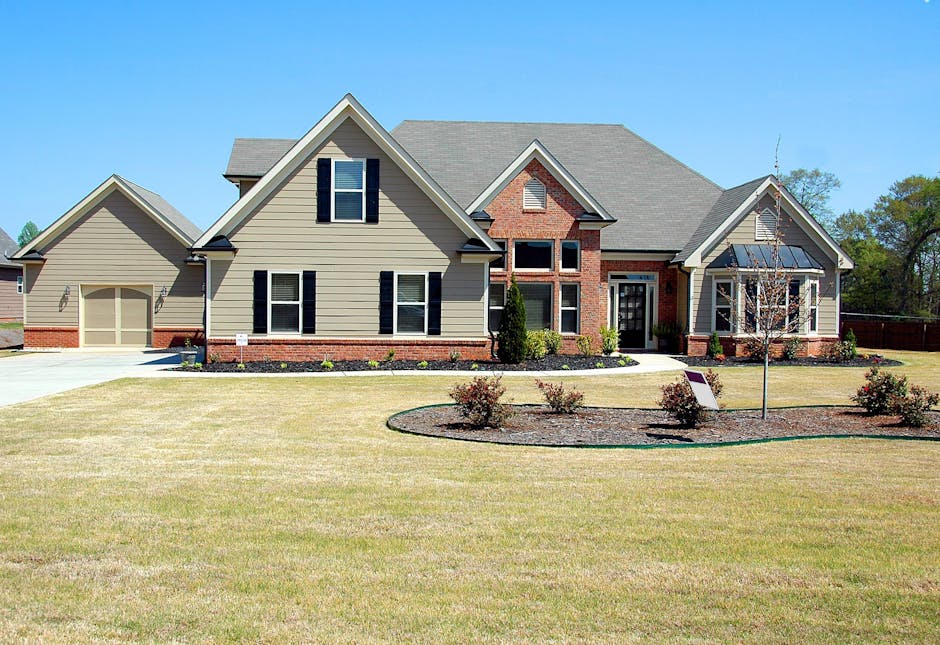
Why Your Home’s Perimeter Needs Year-Round Protection
Exterior rodent control is about stopping rats and mice before they ever reach your home by managing the areas around your property. As fall transitions into winter here in Massachusetts, rodents are desperately seeking warm shelter and food. Your home’s exterior is the first and most important line of defense.
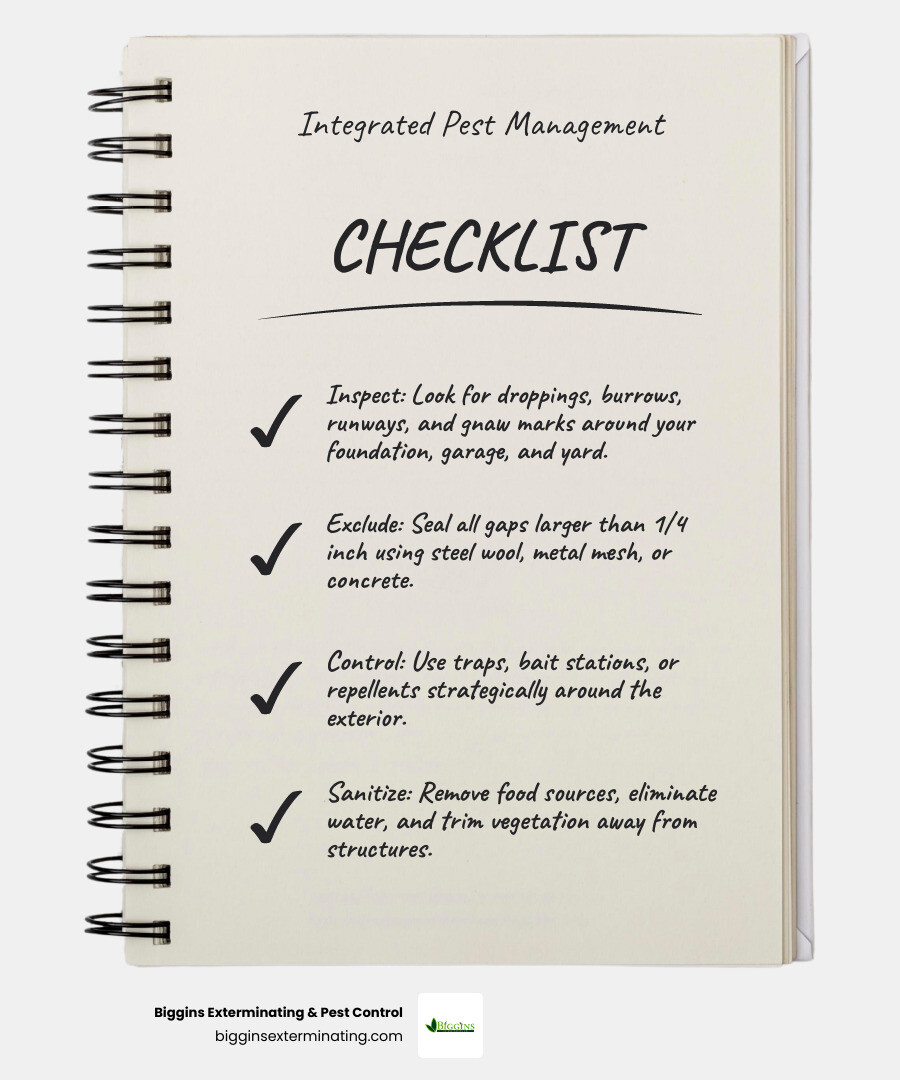
Rats and mice can squeeze through openings as small as a dime, bringing property damage, food contamination, and health risks with them. The best defense is an Integrated Pest Management (IPM) strategy, which combines four key steps at your property’s perimeter:
- Inspect: Look for droppings, burrows, runways, and gnaw marks around your foundation, garage, and yard.
- Exclude: Seal all gaps larger than 1/4 inch using steel wool, metal mesh, or concrete.
- Control: Use traps, bait stations, or repellents strategically around the exterior.
- Sanitize: Remove food sources (fallen fruit, pet food, trash), eliminate standing water, and trim vegetation away from the house.
By addressing the problem outside, you can prevent a small issue from becoming a major indoor infestation. Mice reproduce incredibly fast, so proactive perimeter control is critical during the colder months when rodent pressure on Massachusetts homes is at its peak.
I’m Stephen Biggins. My family’s pest control business has served the Wilmington area since 1982, and I’ve learned that the most effective exterior rodent control strategy always starts outside.
Identifying the Unwanted Guests: Signs of Outdoor Rodent Activity
You can’t solve a problem you don’t know you have. Learning to spot the signs of rodent activity is crucial, especially as cooler Massachusetts weather drives them toward our homes. Rodents are sneaky, but they leave behind plenty of evidence. Regularly inspecting your home’s exterior gives you the early warning needed to prevent a full-blown infestation.
Look for these common signs:
- Droppings: Mouse droppings are tiny (1/4 inch) and pointed, like dark grains of rice. Rat droppings are much larger (1/2 to 3/4 inch) with rounded ends. Fresh droppings are dark and moist.
- Burrows and Holes: Norway rats dig tunnels under foundations and sidewalks. Smaller holes and surface runways in your lawn are often from voles.
- Runways and Tracks: Look for narrow, worn paths in grass or dusty areas along your foundation. You might even see tiny footprints in soft dirt.
- Nests: Rodents build nests from shredded paper, fabric, insulation, or grass in sheltered spots like woodpiles, sheds, or under the hoods of unused cars.
- Oily Rub Marks: Rats leave dark, greasy smudges along walls and pipes from their fur as they travel the same routes repeatedly.
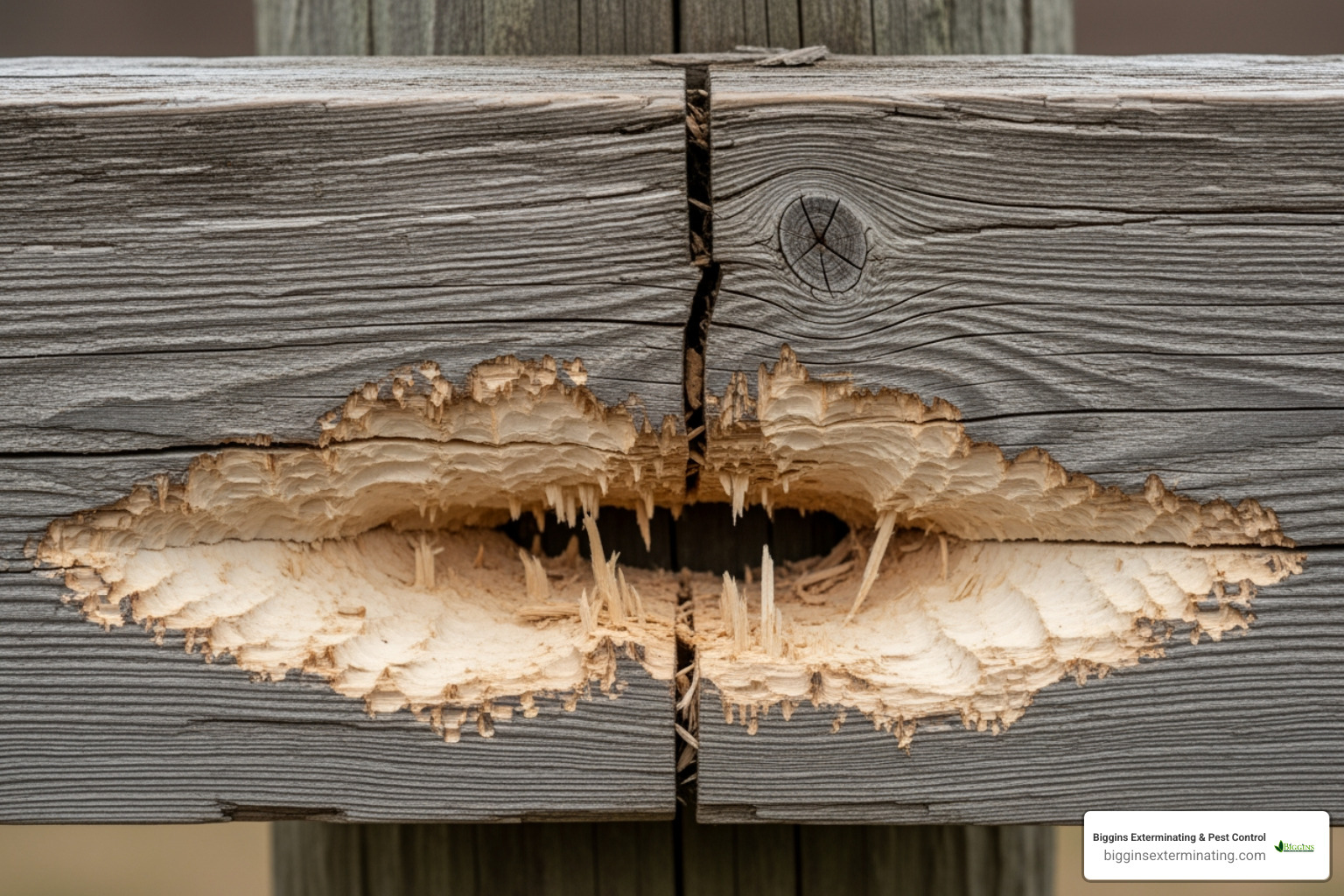
- Gnaw Marks: Rodents’ teeth never stop growing, so they constantly chew. Look for damage on wood, plastic, and even electrical wires. Mouse gnaws are small, while rat damage is large and ragged.
Catching these signs early is key. For more help, see our guide on How to Identify and Prevent Rodent Infestations in Massachusetts.
Common Outdoor Rodents and Their Damage
Knowing your enemy helps you choose the right exterior rodent control method. In Massachusetts, we primarily deal with three culprits:
- Norway Rats: These large, ground-dwelling rodents (up to 18 inches long) dig extensive burrows near foundations. They can gnaw through wood, plastic, and even concrete, and they carry diseases like leptospirosis and salmonellosis.
- House Mice: Small and adaptable, mice can squeeze through 1/4-inch gaps. While often found indoors, they thrive outside in sheds and woodpiles. They chew electrical wiring (a fire hazard), destroy insulation, and contaminate food sources with pathogens.
- Voles: Often mistaken for mice, voles have shorter tails and rounder bodies. They are outdoor pests that create runway systems in lawns and damage gardens by eating plant roots, bulbs, and tree bark.
The damage from these pests is serious, from house fires caused by chewed wires to diseases spread to your family. To understand the full scope of risks, read our article on the Top 5 Dangers of Rodents in and Around Your Home or Business.
A Guide to Exterior Rodent Control Methods
Once you’ve found signs of rodents, it’s time for action. An effective strategy combines prevention (making your home unwelcoming) with control (actively reducing the existing population). Using both is the key to successful exterior rodent control.
Choosing the right method depends on the severity of the infestation and your comfort level, especially if you have children or pets. For a complete overview, see our guide to Effective Rodent Control Methods.
Natural and Eco-Friendly Options
For minor issues, natural methods can be a good first step. Scent-based deterrents like peppermint oil or castor oil granules can make an area less attractive to rodents, but they won’t eliminate an existing population. They are best used for prevention. While natural predators like owls can help, relying on them alone is rarely enough to solve a problem and poses a risk if you use rodenticides (secondary poisoning). We generally don’t recommend ultrasonic repellers, as most research shows rodents quickly get used to the noise. For more on non-toxic approaches, see our Natural Rat Extermination Guide.
Using Traps for Outdoor Rodent Control
Trapping provides direct, immediate results. Success depends on the right trap and strategic placement.
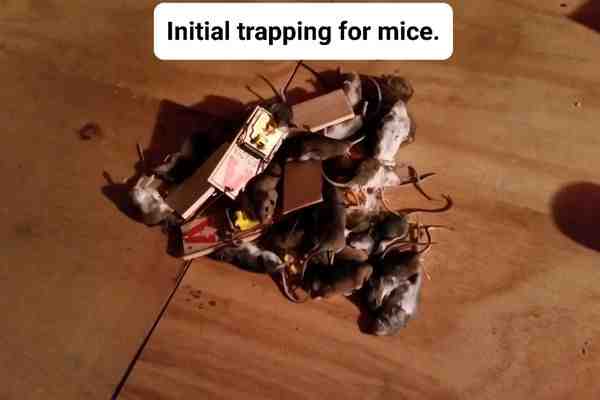
- Snap Traps: Inexpensive and effective, these kill rodents instantly. Place them along walls or near burrows, baited with peanut butter. The main downside is having to handle the dead rodent.
- Live Traps: These capture rodents unharmed for relocation. However, check local regulations on releasing wildlife, and check traps daily to prevent animal suffering.
- Glue Traps: We do not recommend these. They are widely considered inhumane as the rodent dies slowly from stress and exhaustion, and they can accidentally trap other animals.
Proper placement is critical. Always place traps perpendicular to walls where rodents travel. Use protective bait stations to shield traps from weather and prevent access by pets or children. Wear gloves when handling any traps or rodents. For more on ethical trapping, see our Humane Rat Extermination Complete Guide.
When to Use Rodenticides for Exterior Rodent Control
Rodenticides are a last resort for severe infestations where other methods have failed. They are powerful poisons that must be handled with extreme care.
Most are anticoagulant baits that cause internal bleeding. Their effectiveness comes with serious responsibilities:
- Use Tamper-Resistant Bait Stations: This is non-negotiable. These locked boxes allow rodents in but keep children, pets, and other wildlife out. Never scatter poison baits openly.
- Beware of Secondary Poisoning: A predator (like a hawk, fox, or family pet) that eats a poisoned rodent can also become sick or die. This is a major risk to local wildlife.
- Follow Label Directions: The label is a legal document. Follow it precisely for placement, dosage, and disposal. Always wear gloves and keep baits far away from children and pets.
Given the risks, many homeowners prefer to leave rodenticide application to professionals. Our Pest Control Rodent Treatment services use these tools safely and strategically as part of a larger IPM plan.
Prevention is Key: Rodent-Proofing Your Property’s Exterior
The most effective long-term strategy for exterior rodent control is prevention. By making your property inaccessible and unattractive to rodents, you send them looking for an easier target.
Eliminating Food, Water, and Shelter
Rodents need food, water, and a place to hide. Remove these resources to make your yard less appealing.
- Secure Food Sources: Keep bird feeders clean and use spill-proof trays. Bring pet food in at night and store it in chew-proof containers. Use trash cans with tight-fitting lids. Harvest gardens promptly and clean up fallen fruit.
- Remove Water Sources: Fix leaky outdoor faucets and check for standing water in bird baths or clogged gutters.
- Maintain Your Yard: Keep grass trimmed and prune vegetation at least 6 feet from your house to remove hiding spots and travel routes. Store firewood at least 100 feet from your home and raise it a foot off the ground. Clear away brush, debris, and clutter.
- Create a Buffer Zone: Maintain a clean, 3-foot-wide area around your foundation to discourage burrowing and make it easier to spot rodent activity.
Sealing Entry Points (Exclusion)
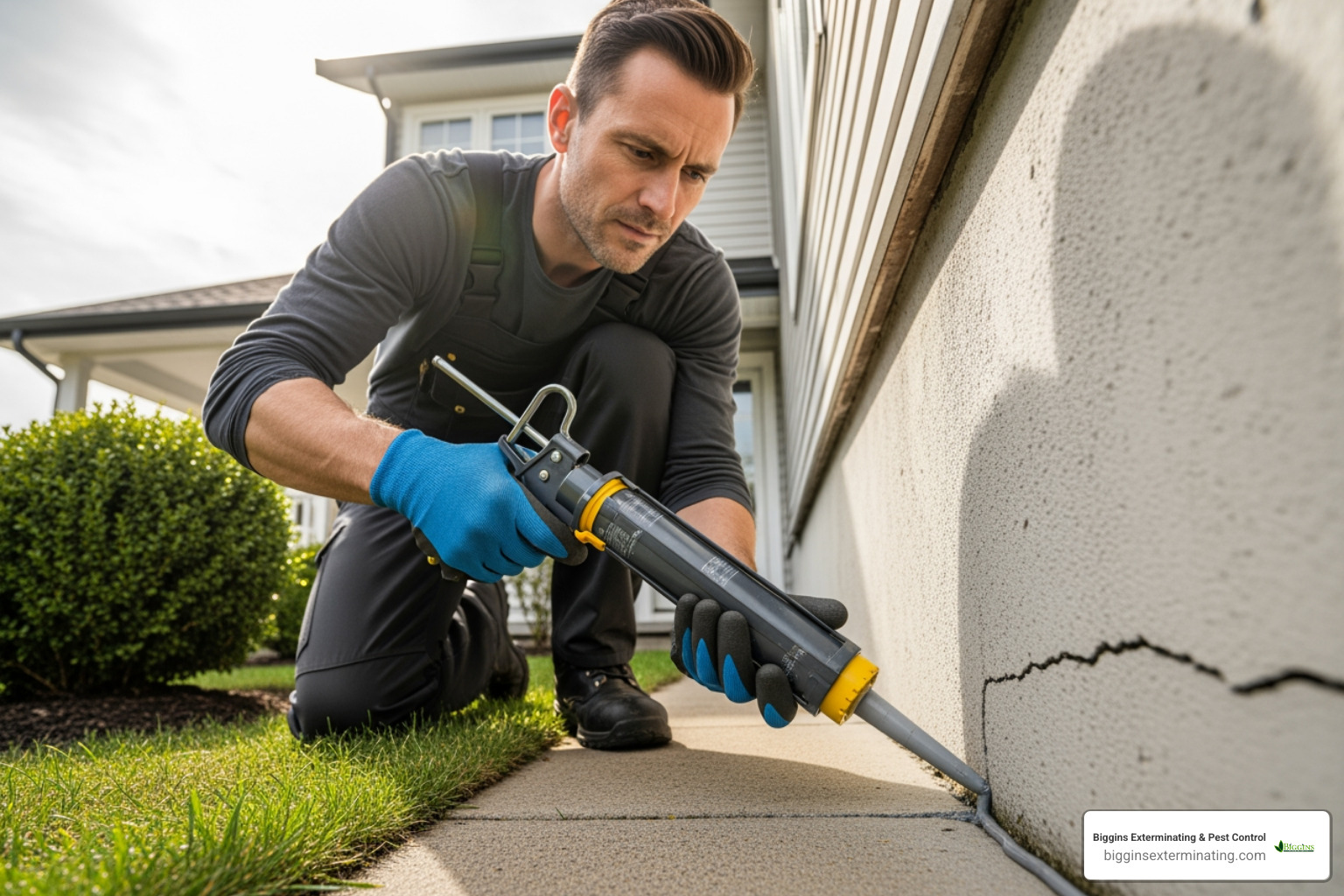
This is the most critical step. A mouse can fit through a 1/4-inch gap (the width of a pencil), and a rat needs just a 1/2-inch gap. They can gnaw through wood, plastic, and low-quality concrete.
Inspect your home’s exterior carefully. Look for gaps where utilities enter the house, around windows and doors, in the foundation, and along the roofline. Pay close attention to vents, eaves, and soffits.
Use the right materials to seal gaps.
- Small Holes (1/4 inch): Stuff with steel wool and seal with caulk.
- Larger Holes: Use durable materials like 1/4-inch hardware cloth, metal sheeting, or cement mortar.
- Vents: Cover all vents with galvanized hardware cloth.
- Doors: Ensure exterior doors fit tightly (no more than a 1/4-inch gap at the bottom) and consider installing metal flashing on wooden doors to prevent gnawing.
For comprehensive guidance, refer to resources like Rodent-Proof Construction and Exclusion Methods and our Keeping Your Home Mouse Proof: A Winter Pest Control Checklist.
Frequently Asked Questions about Outdoor Rodent Control
Here are answers to common questions we hear from homeowners in Wilmington and surrounding Massachusetts towns about protecting their property from rodents.
How do I use rodent control products safely around my kids and pets?
Safety must always be the top priority. When using any exterior rodent control products, follow these essential precautions:
- Read the Label: Product labels provide legally-required instructions for safe handling, placement, and disposal.
- Use Tamper-Resistant Bait Stations: If using rodenticides, they must be placed in locked stations designed to prevent access by children and pets.
- Protect Mechanical Traps: Place snap traps inside protective stations or in areas completely inaccessible to children and pets.
- Check Devices Daily: Promptly and safely dispose of any captured rodents. Always wear gloves, double-bag the carcass, and wash your hands thoroughly.
- Educate Your Children: Teach kids not to touch traps or anything unusual they find in the yard and to tell an adult immediately.
For professional help with safe rodent management, consider our Local Rodent Control Services.
How much does professional exterior rodent control cost?
The cost of professional service varies based on several factors, so a thorough inspection is necessary for an accurate quote.
Key factors include the severity of the infestation, the type of rodent, your property size, and the treatment methods required. A minor mouse issue will cost less than a widespread rat infestation that requires extensive trapping and exclusion work. Sealing numerous entry points adds to the upfront cost but provides critical long-term value.
Based on general industry averages, initial services can range from $200 to $600. Severe infestations requiring extensive work could potentially cost $1,000 to $1,500 or more. Please note these are average costs based on internet data and not actual quotes for Biggins Exterminating services. For an accurate quote for your property, a professional inspection is the best first step. Learn more from our Rodent Treatment Cost Guide 2025.
When should I call a professional for an outdoor rodent problem?
While DIY methods can work for minor issues, it’s time to call a professional in certain situations. You should seek expert help when:
- DIY methods have failed after several weeks.
- You have a large or persistent infestation (seeing rodents regularly, finding extensive droppings or burrows).
- You are unsure of the rodent type you’re dealing with.
- You have safety concerns due to children or pets.
- Rodents have gotten into inaccessible areas like wall voids or under concrete slabs.
Rodents reproduce quickly, so a problem that isn’t resolved can escalate fast. Our team of Rat Experts Near Me has over 40 years of experience handling infestations of all sizes safely and effectively.
Conclusion: Reclaim Your Yard from Rodents
Effective exterior rodent control is an ongoing commitment, not a one-time fix. The best strategy combines the four steps of Integrated Pest Management: inspection, exclusion, control, and sanitation. As we’ve learned after four decades in this business, prevention is your best long-term solution. A few hours spent sealing gaps and cleaning up your yard will save you countless headaches later.
However, DIY methods have limits. If you’re facing a large, established infestation or just aren’t making progress, it’s time to call for professional help. There’s no shame in it—rodents are expert survivors.
That’s where we come in. At Biggins Exterminating, we’ve protected Massachusetts homes in Wilmington, Andover, Burlington, and beyond since 1982. We’re your local neighbors, not a national chain, and we understand the specific rodent challenges of New England’s seasons.
We offer straightforward service with no contracts required and warranties on our work. Whether it’s rats burrowing by your foundation or mice in the shed, we know how to handle it safely and effectively.
Don’t let rodents take over your yard. If you’re ready for a reliable solution backed by over 40 years of local experience, we’re here to help. For comprehensive pest solutions in the Wilmington, MA area, contact us today.