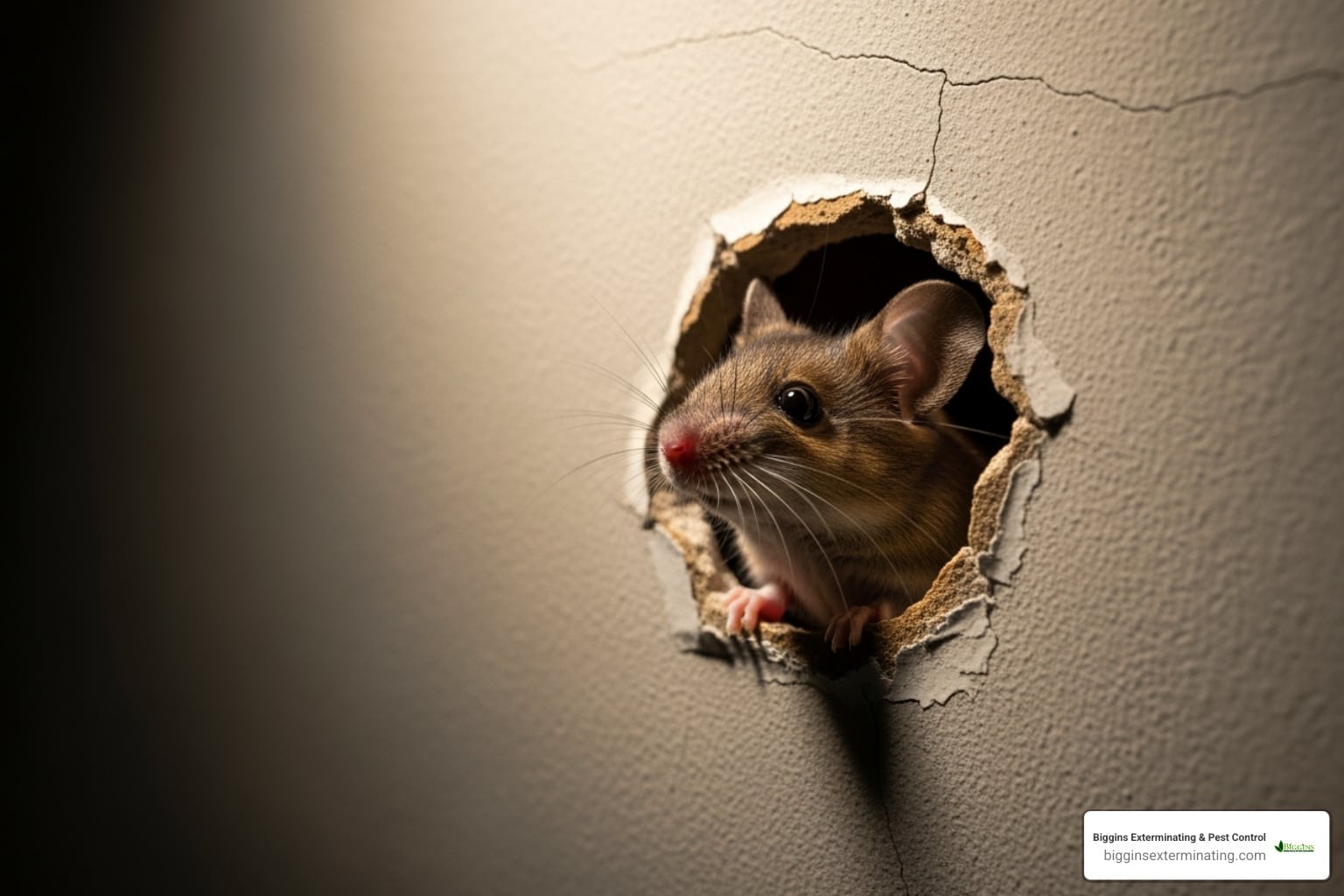
Why Local Rodent Control Services Matter for Massachusetts Homeowners
Local rodent control services are professional pest management companies specializing in identifying, removing, and preventing rodent infestations. These experts offer comprehensive solutions, including:
- Initial property inspections to find signs of infestation.
- Customized treatment plans using traps and bait stations.
- Rodent exclusion (sealing entry points), which can average $200-$600.
- Follow-up visits to ensure complete removal.
- Sanitation, cleanup, and prevention strategies.
When should you call a professional?
- You hear scratching or scurrying in walls or attics.
- You find droppings in kitchens or pantries.
- You notice gnaw marks on wires or food packaging.
- DIY traps fail, and rodents keep returning.
Most professional rodent control takes several weeks with 2-4 follow-up visits, depending on the infestation’s severity.
If you’ve heard scratching in your walls as winter approaches, you’re not alone. Rodents are more than just a nuisance; they can spread serious diseases like Hantavirus, a rare but potentially fatal respiratory illness, according to the Centers for Disease Control and Prevention. They also contaminate far more food than they eat and can cause significant property damage by chewing through wiring and insulation.
The challenge is that rodents are smart, avoid common traps, and breed quickly. A small problem can become a major infestation in weeks, which is why finding a reliable local expert is crucial, especially during colder months when rodents seek indoor shelter.
I’m Stephen Biggins, owner of Biggins Exterminating Co. Since 1982, my family has provided honest, customer-focused local rodent control services throughout Wilmington and surrounding Massachusetts towns. We know that the right approach—combining inspection, exclusion, and follow-through—is the key to protecting your home and family.
Key Local rodent control services vocabulary:
Spotting the Unwanted Guests: Common Signs of a Rodent Infestation
Rodents are sneaky and leave behind telltale signs. Catching these clues early is key for effective local rodent control services.
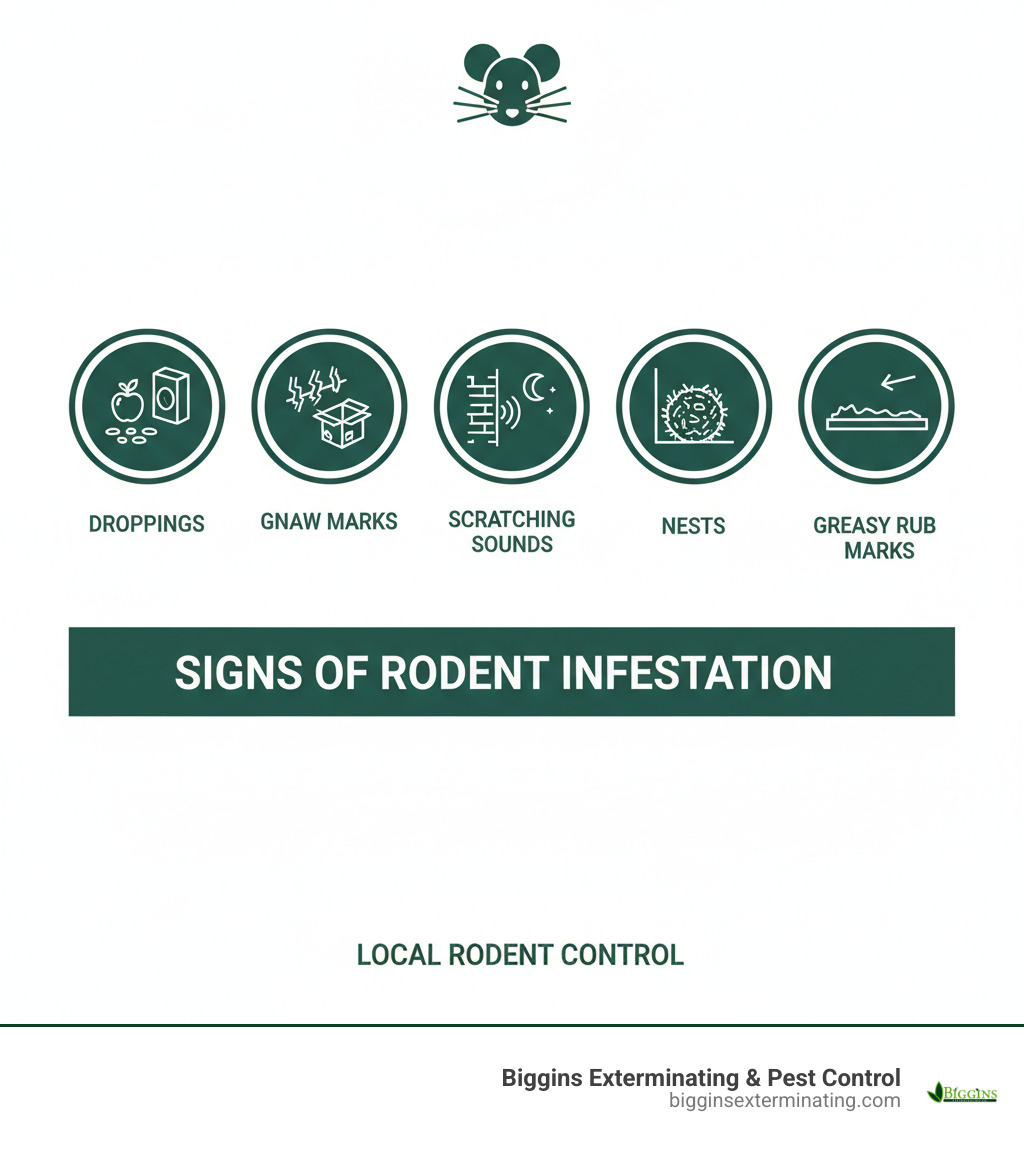
- Droppings: The most common sign. Look for small, dark pellets in kitchen drawers, under sinks, or near food. Mouse droppings are rice-sized, while rat droppings are larger.
- Gnaw Marks: Rodents constantly chew to trim their teeth. Check for damage on food packaging, wires, pipes, and wood.
- Strange Noises: Scratching, scurrying, or gnawing sounds in walls or ceilings, especially at night, are strong indicators.
- Nests: Look for shredded paper, fabric, or insulation in hidden, warm spots like attics, basements, or behind appliances.
- Tracks and Runways: Greasy rub marks along baseboards from their fur and tiny footprints in dusty areas reveal their paths.
- Foul Odor: A persistent, musty smell from urine and droppings often signals a large infestation.
For more detailed information on house mice and their habits, visit our guide on house mice control.

Are You Sure It’s a Rodent?
Distinguishing between mice and rats comes down to the evidence. Mice leave smaller droppings and finer gnaw marks, and their scurrying sounds are lighter. Rats leave larger droppings, cause more substantial chew damage, and create louder thumping and gnawing noises.
Here in Massachusetts, rodent activity increases as temperatures drop. In the fall and winter, mice and rats desperately seek warmth and shelter, making your home an irresistible target. This is why many homeowners first find an infestation during the colder months.
For a comprehensive understanding of how to tackle these winter invaders, check out our comprehensive guide to mice eradication.
The Dangers Lurking in Your Walls
Rodents are genuinely dangerous to your home and health. The property damage can be extensive, from chewed electrical wires creating fire hazards to destroyed insulation that drives up heating bills. Over time, they can even undermine your home’s foundation.
The health risks are even more serious. Rodents carry diseases like rat-bite fever, salmonellosis, and Hantavirus. These illnesses can spread through bites, contact with droppings or urine, or via ticks and mites that rodents carry. Furthermore, they contaminate about ten times more food than they eat, rendering pantries unsafe.
To learn more about the severe risks these pests present, read our article on the top 5 dangers of rodents in and around your home or business.
DIY vs. Professional: Choosing Your Rodent Control Strategy
When you find droppings, your first instinct might be to set a few store-bought traps. While this can work for a single mouse, it’s often not enough for a hidden infestation. Rodents are smart, learn to avoid traps, and multiply quickly—a few mice can become a large colony before you know it.
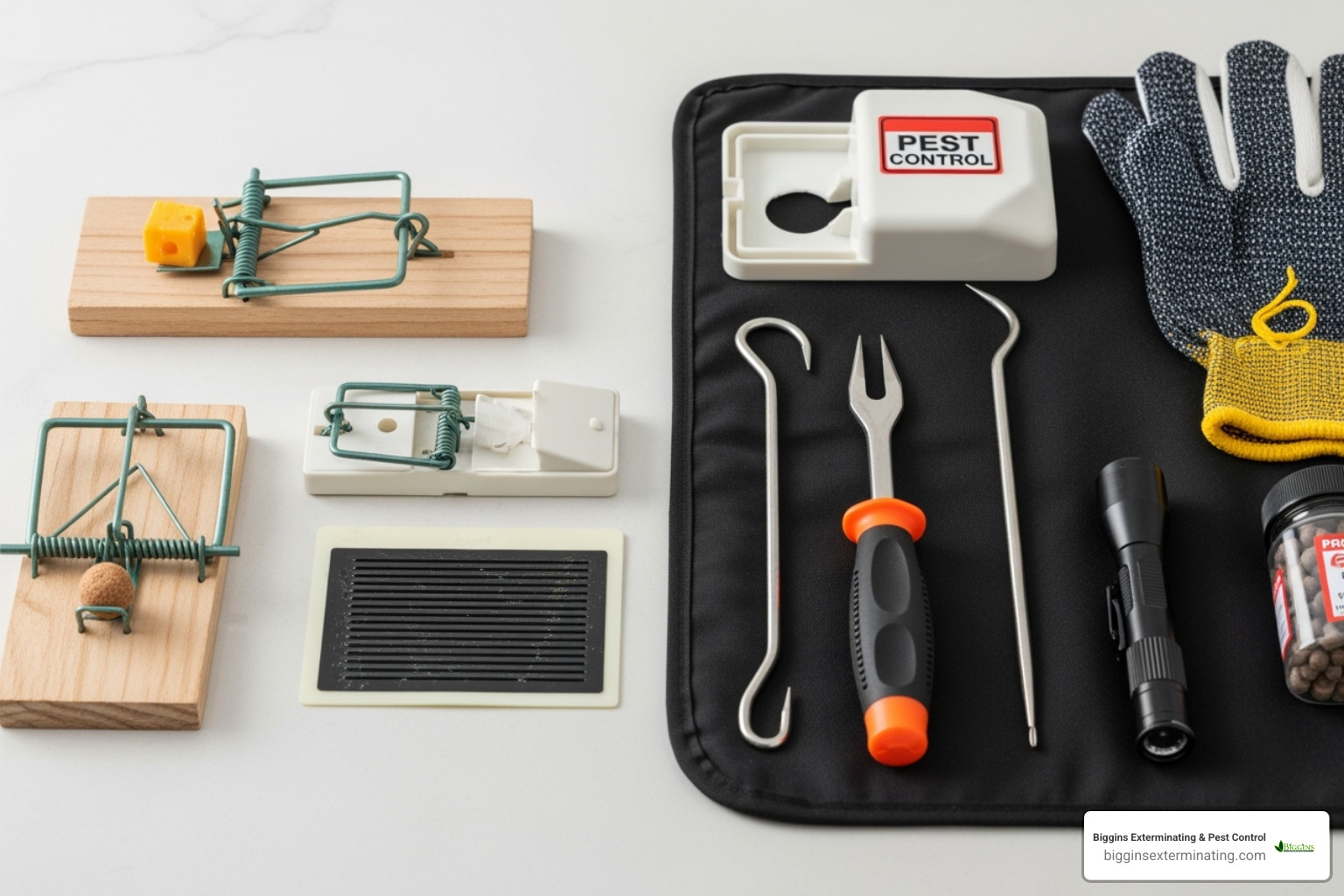
DIY efforts often fall short because they don’t address how rodents get in. This is especially true in winter when pests are desperate for warmth. That’s where local rodent control services make a difference. Professionals use Integrated Pest Management (IPM), a comprehensive approach that combines inspection, customized treatment, and long-term prevention. It’s not just about removing the rodents you see; it’s about eliminating the entire problem and ensuring they don’t return.
Common Rodent Control and Removal Methods
Professional local rodent control services use a variety of proven techniques custom to your home:
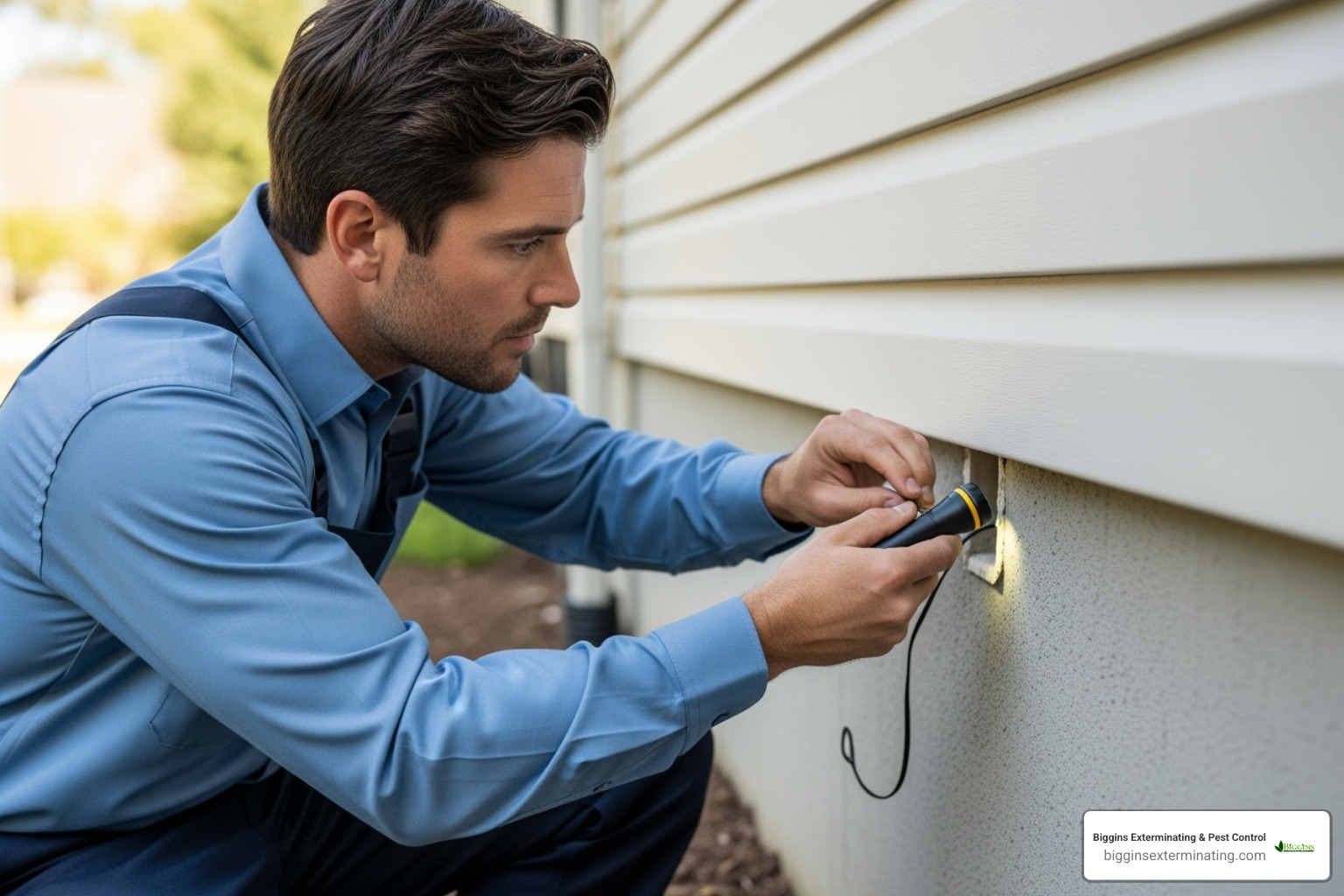
- Inspection: A thorough examination to identify the rodent species, infestation size, and entry points.
- Trapping: Strategic placement of snap traps, live traps for humane removal, or CO2-powered units for quick dispatch in hard-to-reach areas like walls.
- Bait Stations: Tamper-resistant containers used in outdoor areas or for severe infestations to keep rodenticides secure from children and pets.
- Rodent Exclusion: The most critical step. We seal every potential entry point—gaps around pipes, cracks in the foundation, and vents—with chew-proof materials like steel wool and hardware cloth.
- Sanitation and Cleanup: Safe removal of droppings and contaminated materials to eliminate health risks like Hantavirus.
For a deeper dive into professional rat removal techniques, visit our complete guide to rat exterminating.
Are There Eco-Friendly Options?
Yes, modern rodent control offers many eco-friendly choices. Humane live traps allow for catch-and-release (following Massachusetts wildlife regulations), while electronic CO2 traps offer a quick, chemical-free dispatch. Non-toxic deterrents like peppermint oil can help in prevention but won’t solve an active infestation on their own.
Exclusion is the ultimate eco-friendly solution. By physically blocking entry points, you prevent rodents from getting in, eliminating the need for ongoing traps or chemical treatments. A well-sealed home is your best defense against the seasonal surge of rodents in winter.
Learn more about our approach in our guide to humane rat extermination.
What to Expect from Local Rodent Control Services
Calling a professional local rodent control service is an investment in your home’s safety and your peace of mind. At Biggins Exterminating, a family-owned business with over 40 years of experience, we provide licensed technicians, customized plans, and warranties without requiring contracts. We treat every home like our own and don’t stop until the job is done right.
Since every rodent problem is unique, we develop a custom plan for your specific needs. When you’re ready to get started, Find top-rated rodent control experts by reaching out to our team.
The Step-by-Step Professional Process
Here’s what to expect when our technicians arrive:
- Initial Inspection: We thoroughly examine your property inside and out to identify the rodent type, infestation size, and how they’re getting in.
- Treatment Plan: We create a custom roadmap outlining the methods, timeline, and any preparation needed on your part.
- Trapping and Removal: We strategically place traps and bait stations in high-traffic areas, returning every few days to monitor activity and remove rodents until they are gone.
- Rodent Exclusion: We seal every possible entry point with durable materials like steel wool and hardware cloth to create a permanent barrier against new intruders.
- Sanitization and Cleanup: We clean and disinfect contaminated areas to eliminate health hazards.
- Follow-Up Visits: We return to ensure the problem is solved and your home remains rodent-free. Most homes are clear after 2-4 visits.
Still wondering When to call an exterminator? The sooner, the better. The longer you wait, the bigger the problem gets.
Understanding the Costs of Local Rodent Control Services
The cost of professional local rodent control services depends on the infestation’s severity, property size, and the extent of exclusion work needed. A minor mouse issue will cost less than a major rat infestation that has been developing all winter.
These are average costs based on internet data and not actual costs for Biggins Exterminating services. Actual pricing may vary. Always request a personalized quote.
| Service Type | Average Cost Range (Internet Data) | High-End Cost (Complex Cases) |
|---|---|---|
| Initial Inspection | $100 – $250 | Up to $400 |
| One-Time Treatment | $300 – $700 | Up to $1,500 |
| Ongoing Protection Plan | $50 – $150 per visit (monthly/quarterly) | Varies by frequency & coverage |
| Rodent Exclusion | $200 – $600 | Up to $1,800 |
| Cleanup & Sanitization | $150 – $500+ | Up to $1,000+ |
Factors like property size and rodent type (rats are often more expensive to handle) influence the final price. Rodent exclusion, typically costing $200-$600, is a valuable one-time investment that prevents future infestations. After our inspection, we provide a transparent, detailed estimate with no hidden fees.
How Long Does Rodent Extermination Take?
Effective rodent control is not a one-visit fix; it usually takes several weeks. A minor mouse problem might be resolved in 2-3 weeks, while a significant rat infestation could take 4-8 weeks or more, especially in complex properties or during winter when rodents are more determined to stay indoors.
Our technicians will make several follow-up visits to ensure the infestation is completely gone. We consider the job done only when your home is truly rodent-free. For expert help with mouse problems specifically, you can count on Find local mouse exterminators like our team to see it through.
A Homeowner’s Guide to Year-Round Rodent Prevention
The best way to handle rodents is to prevent them from entering in the first place. Proactive measures, combined with professional local rodent control services, create a strong defense for your home.

Here are some key prevention strategies:
- Seal Entry Points: This is your first line of defense. Walk around your home and seal any cracks or holes in the foundation, siding, or around utility pipes. Use steel wool for small gaps and hardware cloth for larger ones, sealing them with caulk.
- Secure Food Storage: Transfer pantry items like cereal and pet food into airtight containers. Clean up spills and crumbs promptly and avoid leaving food out overnight.
- Maintain Cleanliness: Regularly take out the trash, ensure outdoor cans have tight lids, and keep your kitchen clean to make your home less attractive to pests.
- Manage Your Yard: Trim bushes and tree branches away from your house. Stack firewood at least 20 feet from your home and off the ground. Clear away leaf piles and other debris where rodents might nest.
For more detailed strategies on keeping your home mouse-free, check out our guide on How to get rid of house mice.
Seasonal Prevention Checklist
Rodent behavior changes with the seasons, so year-round vigilance is key.
- Spring: Inspect your home’s exterior for new cracks that formed over the winter. Clean out clutter in basements, attics, and garages.
- Summer: Keep your lawn mowed and trim vegetation away from the house. Ensure outdoor garbage cans are secure and check window screens for damage.
- Fall: This is the most critical season. Before the cold weather hits, thoroughly inspect and seal all potential entry points. Rodents are actively seeking warm shelter, making your home a prime target.
- Winter: Stay alert. Listen for scratching sounds and check for fresh droppings. Rodents are most likely to be indoors during cold months, so act quickly if you suspect a problem.
For Massachusetts-specific prevention strategies, read How to prevent rodent infestations in Massachusetts.
The Importance of Rodent Exclusion
Rodent exclusion is the cornerstone of long-term control. It means physically sealing every gap and crack that rodents could use to get inside, creating a permanent barrier. Without proper exclusion, trapping and baiting only provide temporary relief, as new rodents will simply move in. Exclusion is a proactive investment that protects your property and family from the health risks and damage rodents cause, saving you money and stress in the long run.
To learn more about our comprehensive approach, explore More on rodent control services.
Conclusion: Secure Your Peace of Mind with a Trusted Local Expert
Rodents in your home are more than a nuisance; they are a genuine threat to your family’s health and your property. They spread diseases like Hantavirus, chew through electrical wiring, and contaminate food supplies. While DIY solutions may seem tempting, they often fail to address the root cause, allowing infestations to grow.
Professional local rodent control services offer a strategic, long-term solution. Our process involves thorough inspections, customized treatments, effective removal, and comprehensive exclusion to seal your home against future invasions. This is especially critical in the fall and winter when rodents are actively seeking indoor shelter.
At Biggins Exterminating & Pest Control, we have protected our neighbors in Wilmington, Andover, Bedford, Billerica, Burlington, Lexington, North Reading, Tewksbury, Woburn, and surrounding communities for over 40 years. As a family-owned business, we treat every home like our own, offering warranties without requiring contracts. Your satisfaction is our priority.
Don’t wait for a small problem to become a major infestation. The longer rodents are in your home, the greater the risk. Take action now to protect what matters most.
Contact us for a free estimate and let’s work together to make your home rodent-free for good.