
Why Professional Rat Exterminating is Essential for Your Home
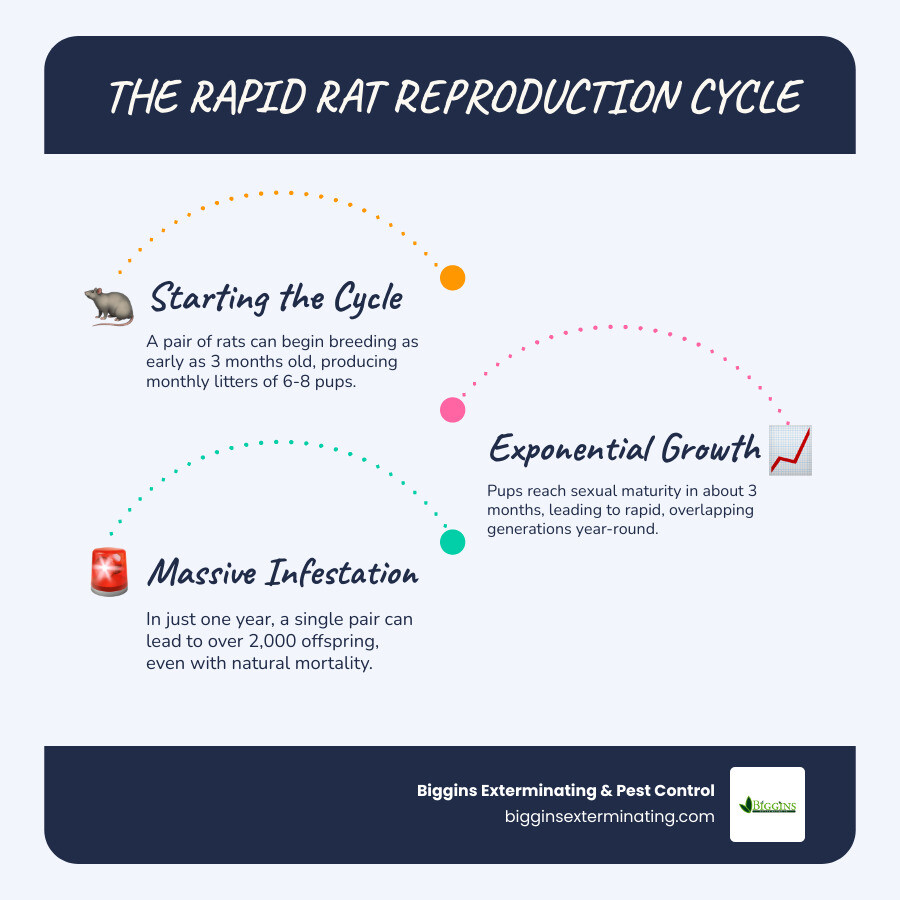
Rat exterminating is a critical service that protects your home from serious health risks and costly property damage. When rats invade, they multiply rapidly, carrying over 35 diseases, chewing through electrical wires to create fire hazards, and contaminating far more food than they eat. A single pair can produce up to 2,000 offspring in a year, turning a small problem into a major infestation in no time.
These rodents can squeeze through holes as small as a quarter and will gnaw through almost any material. They tear up insulation for nesting and can even undermine building foundations with their burrowing. Most homeowners underestimate the complexity of a rat problem, as effective control requires professional expertise in rat behavior, entry point identification, and comprehensive exclusion strategies.
I’m Stephen Biggins, owner of Biggins Exterminating Co. For over four decades, our family-owned business has helped Massachusetts families with effective rat exterminating using a systematic approach of inspection, exclusion, trapping, and prevention.
Identifying a Rat Infestation: Telltale Signs and Common Species
Since rats are nocturnal, you might not see them, but they leave behind plenty of evidence. Early detection is your best friend when it comes to rat exterminating. Look for these telltale signs:
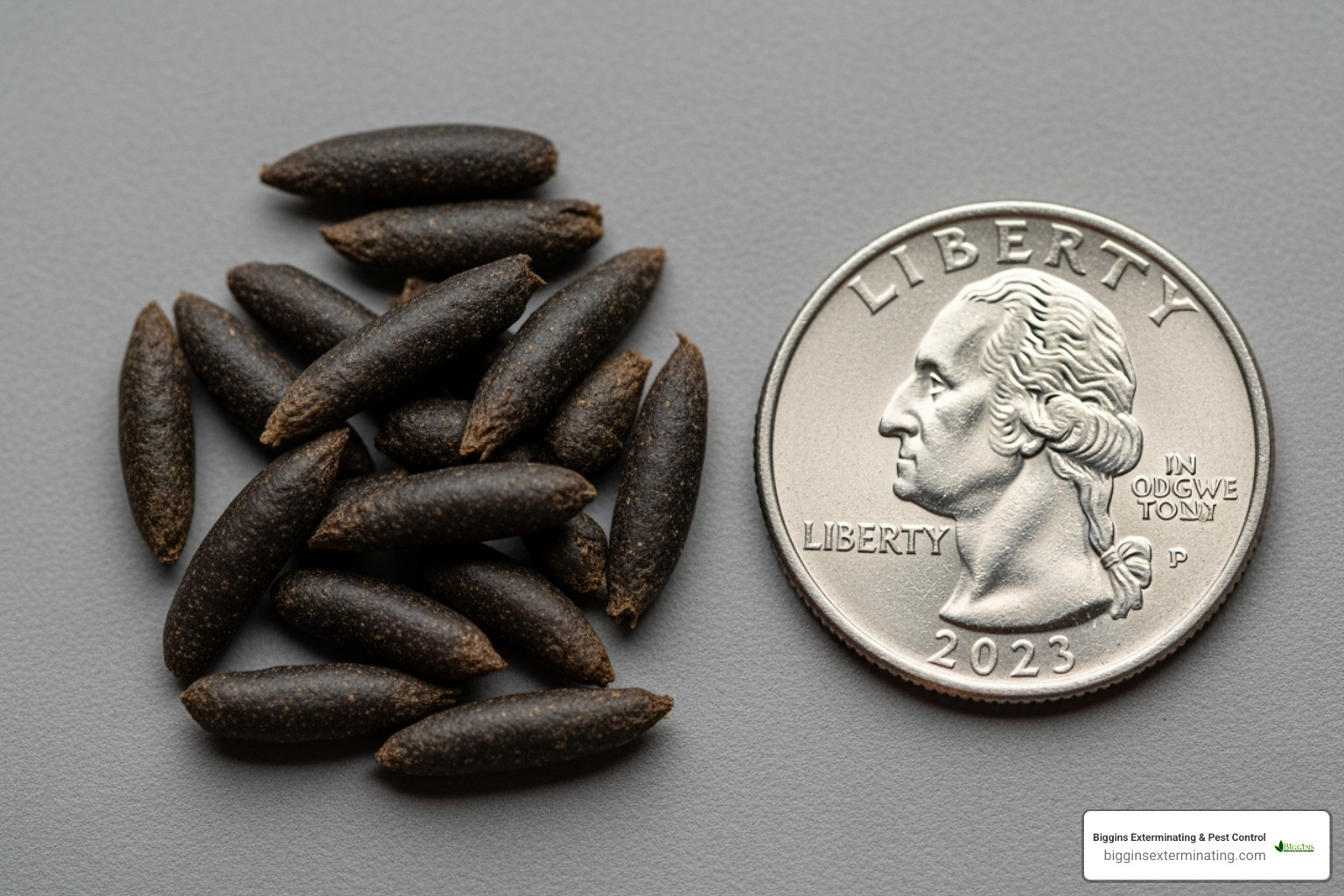
- Rat Droppings: Small, dark pellets near food sources, along walls, or in attics and basements.
- Gnaw Marks: Damage on wood, plastic, or food packaging. Rats’ teeth never stop growing, so they chew constantly.
- Scratching Noises: Scurrying or gnawing sounds in walls or ceilings, especially at night.
- Nests: Shredded paper, fabric, or insulation in hidden, warm areas. This indicates a breeding population.
- Ammonia-like Odor: A strong, musky smell from accumulated urine, signaling a well-established infestation.
- Greasy Rub Marks: Dark smudges along walls and baseboards from the oils and dirt on their fur.
Common Rats in Massachusetts
Knowing the species helps tailor the rat exterminating approach. In Massachusetts, we primarily see two types:
| Feature | Norway Rat (Brown Rat, Sewer Rat) | Roof Rat (Black Rat, Ship Rat) |
|---|---|---|
| Appearance | Brown or gray fur, stocky build | Black or dark brown, slender build |
| Size | 7-9 inches body, up to 1.5 pounds | 6-8 inches body, lighter weight |
| Droppings | Blunt, rounded, 18-20mm long | Curved with pointed ends, smaller |
| Behavior | Ground-dwelling, strong swimmers | Excellent climbers, prefer heights |
| Nesting Location | Basements, burrows, ground level | Attics, trees, upper building levels |
Norway rats are larger, ground-dwelling burrowers often found in basements. Roof rats, while less common, are smaller, agile climbers that prefer attics and upper levels. For more details, see our guide on identifying and preventing rodent infestations in Massachusetts.
How Rats Get Inside and Signs of a Severe Problem
Rats can squeeze through a quarter-sized hole. They use foundation cracks, gaps around pipes, and damaged vents as entry points. A daytime rat sighting is a major red flag, indicating a large population. If you see widespread droppings or notice a strong ammonia smell, it’s time for professional help. For more on removal, see this resource on rat removal from houses, attics, ceilings, walls, and buildings.
What the Signs of an Infestation Really Mean
Finding evidence of rats is more than just an inconvenience; it’s a signal of growing risks. Rat droppings aren’t just messy; they can carry diseases. Gnaw marks on wires aren’t just cosmetic; they’re a fire hazard. Those scratching noises mean they’re active inside your walls, potentially destroying insulation. A foul, musky odor indicates a large, long-term infestation that requires immediate attention. Each sign is a piece of a puzzle that, when assembled, points to a problem that will only get worse without intervention.
Common Entry Points for Rats
Rats are masters of infiltration, capable of squeezing through openings as small as a quarter. Understanding their common entry points is the first step in prevention. A professional inspection will check for:
- Foundation Cracks: Gaps in the foundation, especially near the ground.
- Utility Penetrations: Openings around pipes, wires, and vents.
- Gaps Under Doors: Especially garage doors without proper weather stripping.
- Roof and Eave Vents: Unscreened or damaged vents provide easy access for climbing roof rats.
- Weep Holes: Small gaps in brickwork designed for drainage can be an open door for rodents.
Sealing these vulnerabilities is a core part of any effective rat exterminating plan.
What are the common signs of a rat infestation?
Detecting a rat problem early is key. Be on the lookout for:
- Droppings: Small, dark, and pellet-shaped.
- Gnaw Marks: On wood, plastic, or wiring.
- Noises: Scratching or scurrying in walls or ceilings at night.
- Nests: Shredded materials in hidden areas.
- Foul Odors: A persistent, ammonia-like smell.
- Greasy Rub Marks: Along walls where they travel.
What are the different types of rats commonly found in Massachusetts?
In Massachusetts, you’ll primarily encounter two species:
- Norway Rat (Rattus norvegicus): A larger, stocky rat that prefers to burrow and live in basements or at ground level. They are also known as brown rats or sewer rats.
- Roof Rat (Rattus rattus): A smaller, sleeker rat that is an excellent climber, often found in attics and upper levels of buildings. They are also known as black rats or ship rats.
Knowing the species helps determine the best rat exterminating strategy. For a detailed comparison, refer to the identification table in the section above. For more information, see our guide on How to Identify and Prevent Rodent Infestations in Massachusetts.
How Do They Get In?
Rats are resourceful and can enter through any opening the size of a quarter, including foundation cracks, gaps around pipes, and unscreened vents. A severe infestation is often indicated by daytime sightings and a strong, pervasive odor. For effective removal from various parts of your home, including attics, walls, and basements, professional expertise makes all the difference. You can learn more about the process from resources like this guide on Rat Removal from House, Attic, Ceiling, Wall, Building.
Why Immediate Rat Control is Crucial: Health Risks & Property Damage
Ignoring a rat problem is a gamble with your health and property. Rats are not just a nuisance; they are a significant threat that requires immediate attention.
Health Risks for Humans and Pets
Rats are known carriers of over 35 diseases. They can transmit illnesses like Leptospirosis, Hantavirus, and Salmonellosis through their droppings, urine, or bites. Their presence can also trigger allergies and asthma. Furthermore, rats often bring other pests like fleas and ticks into your home. For a deeper dive into the dangers these pests present, we recommend reading our article on the Top 5 Dangers of Rodents in and Around Your Home or Business.
Damage to Your Property
The financial cost of a rat infestation can be staggering. Their constant need to gnaw leads to:
- Chewed Electrical Wiring: A leading cause of house fires.
- Damaged Insulation: Reducing energy efficiency and requiring costly replacement.
- Weakened Structures: Gnawing on wood beams and supports.
- Contaminated Food and Surfaces: Rendering food inedible and spreading germs.
- Gnawed Pipes: Causing leaks and water damage.
Prompt rat exterminating is essential to prevent this damage from escalating. For more on removal, see Rat Control and Removal, Trapping Extermination.
Effective Rat Exterminating Methods: Professional vs. DIY
When facing a rat problem, you can either try a DIY approach or call professionals. While DIY can seem tempting, a professional Integrated Pest Management (IPM) strategy is far more effective for complete eradication. IPM combines inspection, exclusion, trapping, and sanitation for a lasting solution. Learn more about our Rodent Control Services.
DIY Rat Exterminating: What Works and What Doesn’t
For a minor issue, snap traps are the most effective DIY tool. Place them along walls where rats travel. However, other methods are less reliable. Glue traps are inhumane and can catch non-target animals. Live traps are often ineffective, as relocated rats rarely survive and may simply move the problem elsewhere.
We strongly advise against using poison. Poisoned rats can die in your walls, creating a horrible odor, and pose a significant danger to children, pets, and wildlife. Ultrasonic repellents and other gimmicks are generally ineffective against a determined rat population. For more on what works, see our guide on How to Get Rid of House Mice, as many principles apply.
The Professional Approach to Rat Exterminating
A professional service goes far beyond setting a few traps. Our process includes:
- Thorough Inspection: Identifying all entry points, nesting sites, and attractants.
- Exclusion: Sealing every crack and hole with rodent-proof materials like steel wool and metal flashing. This is the most critical step.
- Strategic Trapping: Using our knowledge of rat behavior to place traps for maximum effectiveness, targeting the entire population.
- Monitoring and Removal: Following up to ensure all rats are gone and the problem is solved.
This comprehensive method is the key to Keeping Your Home Critter-Free.
Understanding the Investment: What Does Professional Rat Control Cost?
When you’re dealing with rats, one of the first questions is, “How much is this going to cost?” The cost of professional rat exterminating is an investment in your family’s health and your home’s safety. While it’s impossible to give an exact price without an inspection, we can explain the factors that influence the cost. The expense of proper rat control is minimal compared to the potential costs of fire damage from chewed wires or extensive structural repairs.

Average Costs and Influencing Factors
Please note: The following figures are based on general industry data and do not represent a quote from our company. Costs can vary significantly.
Nationally, homeowners might expect to invest anywhere from $300 to over $1,500 for comprehensive rat control. The final price depends on:
- Infestation Severity: A larger, more established population requires more work.
- Property Size and Complexity: More area to inspect and secure means a higher cost.
- Treatment Methods: The core service includes inspection and trapping.
- Exclusion and Repair Work: The most critical part of the service is sealing entry points to prevent re-entry. This can range from a few hundred to over a thousand dollars, depending on the extent of the work needed.
- Follow-up and Sanitization: Ensuring the problem is fully resolved and cleaning up hazardous waste.
While it may seem like a significant expense, professional extermination prevents far costlier problems down the road. For more on cost-effective approaches, our article on finding a Cheap Mouse Exterminator offers relevant insights.
Keeping Rats Out for Good: Long-Term Prevention Strategies
Once the rats are gone, the next step is ensuring they don’t return. Long-term prevention focuses on removing the three things rats need: food, water, and shelter. This involves exclusion, sanitation, and habitat modification. Our Keeping Your Home Mouse-Proof: A Winter Pest Control Checklist has tips that apply year-round.
Sealing Entry Points
This is the most critical step. A rat can fit through a hole the size of a quarter.
- Inspect your foundation for cracks and gaps.
- Seal openings around utility pipes and vents with steel wool and caulk.
- Install rodent-proof screens on vents and chimney caps.
- Check weather stripping on doors and windows, especially garage doors.
Eliminating Attractants
Make your property less inviting by removing food and water sources.
- Use garbage cans with tight-fitting lids.
- Store all food, including pet food, in airtight, rodent-proof containers.
- Clean up yard debris like woodpiles and overgrown vegetation near your home.
- Trim trees and shrubs back from the house to remove “ladders” to your roof.
- Fix leaky faucets and eliminate any sources of standing water.
By making your home a fortress and removing their food supply, you create a powerful defense against future infestations.
Frequently Asked Questions about Rat Control
Here are answers to some of the most common questions we receive about rat exterminating.
If I see one rat, are there more?
Almost certainly, yes. Rats are social animals that reproduce quickly. A single rat seen during the day often indicates a much larger, hidden population that requires professional attention.
How long does it take to get rid of rats?
The active trapping phase typically takes one to two weeks. However, a complete professional service, including inspection, exclusion, and follow-up, may take 3-6 weeks to ensure the problem is permanently solved.
Is it safe to use rat poison with pets and children?
No, over-the-counter rat poisons are extremely risky for children and pets. They can be accidentally ingested, and pets can suffer secondary poisoning from eating a poisoned rat. Professional exterminators use safer, more effective methods like trapping and exclusion, which eliminate the population without introducing hazardous chemicals into your home.
Conclusion
A rat infestation is a serious issue that threatens your family’s health and your home’s structural integrity. While DIY solutions may seem appealing, they rarely address the root of the problem. Effective rat exterminating requires a professional, comprehensive approach that includes inspection, exclusion, and removal.
For over 40 years, Biggins Exterminating & Pest Control has been the trusted, family-owned solution for homeowners across Massachusetts. We serve communities like Andover, Burlington, Lexington, and Wilmington with reliable, no-contract services backed by a satisfaction guarantee.
Don’t let rats take over your home. For comprehensive and effective rat pest control, contact our experts today. We’re here to help you reclaim your home and ensure it stays rat-free.
