
Why Rat Infestation Extermination Demands Immediate Attention
Rat infestation extermination requires swift action. These destructive rodents multiply rapidly—a population can grow tenfold in just 15 weeks—making any delay costly and dangerous to your health, property, and peace of mind.
Quick Answer: Managing a Rat Infestation
- Identify: Look for droppings, gnaw marks, and scratching noises.
- Seal: Close all entry points larger than a quarter.
- Sanitize: Remove food sources by sealing food and garbage.
- Control: Use traps for minor issues or call professionals for active infestations.
- Clean: Disinfect contaminated areas after removal (never sweep dry droppings).
- Prevent: Maintain exclusion barriers and good sanitation.
As a Massachusetts homeowner, you should know that rats carry diseases like hantavirus and salmonellosis, contaminate far more food than they eat, and chew through electrical wiring, creating fire hazards. Their droppings alone pose significant health risks.
My name is Stephen Biggins, owner of Biggins Exterminating & Pest Control. For over 40 years, I’ve helped families in Wilmington and surrounding communities with rat infestation extermination. I’ve seen how quickly a small rat problem becomes a major crisis. This guide will walk you through recognizing the signs, choosing the right methods, and preventing future invasions.
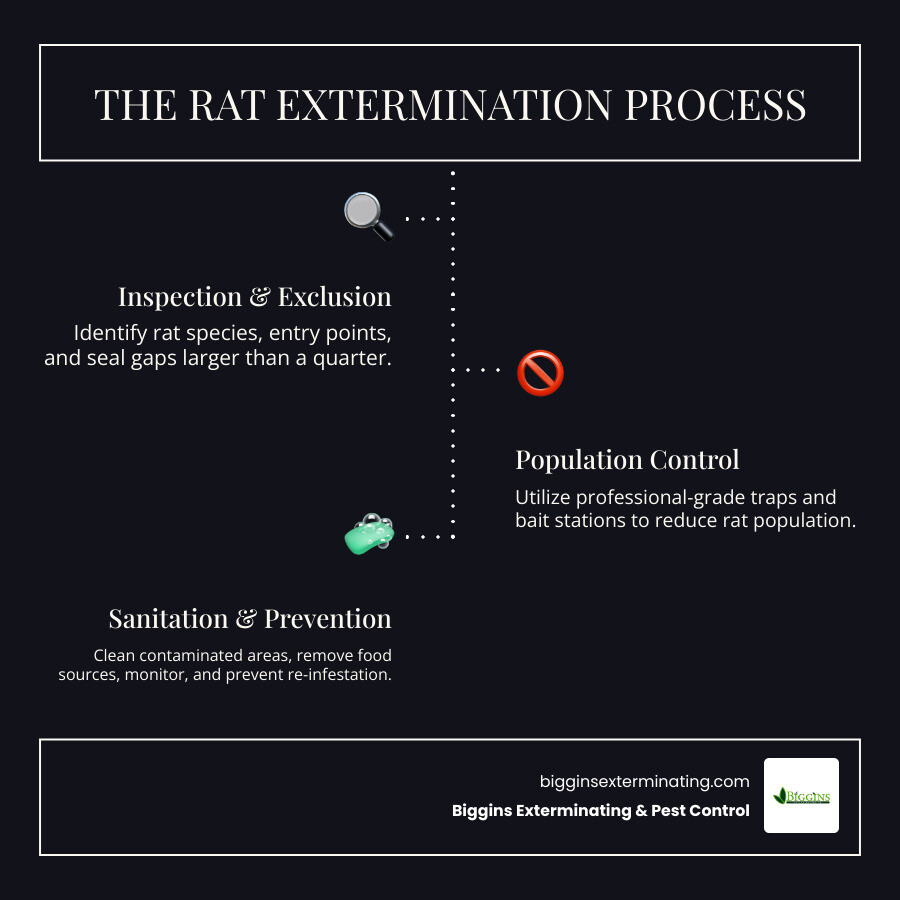
Simple guide to rat infestation extermination:
Recognizing the Unwanted Houseguests: Signs and Dangers
By the time you spot one rat, you likely have more hiding in your walls. These nocturnal pests leave clues. The most common signs of a rat problem include:
- Droppings: Dark brown or black pellets, about ½ to ¾ inch long, found near food or along baseboards. A single rat can leave 60 droppings a day.
- Gnaw marks: Found on wood, plastic, and food packaging. Since their teeth grow constantly, rats must chew, and they often target electrical wires, creating a serious fire hazard.
- Scratching noises: Scampering or rustling sounds in walls, attics, or ceilings at night.
- Rub marks: Greasy, dark smudges along walls from the oil and dirt in their fur.
- Nests: Shredded paper, fabric, or insulation in quiet spots like attics and crawl spaces.
- Musky odor: A persistent smell from rat urine in enclosed areas.
The real danger extends beyond property damage. Rat infestation extermination is about protecting your family’s health. Mice and rats are carriers of disease like hantavirus and salmonellosis, spread through contaminated droppings, urine, and saliva. They contaminate about 10 times more food than they eat and can bring fleas and bed bugs into your home. The signs that you have a pest infestation add up quickly, making swift action essential. Learn more about the Top 5 Dangers of Rodents in and Around Your Home or Business.
Common Culprits in Massachusetts
Knowing which rat you have is key for effective rat infestation extermination. In Massachusetts, we mainly see two types.
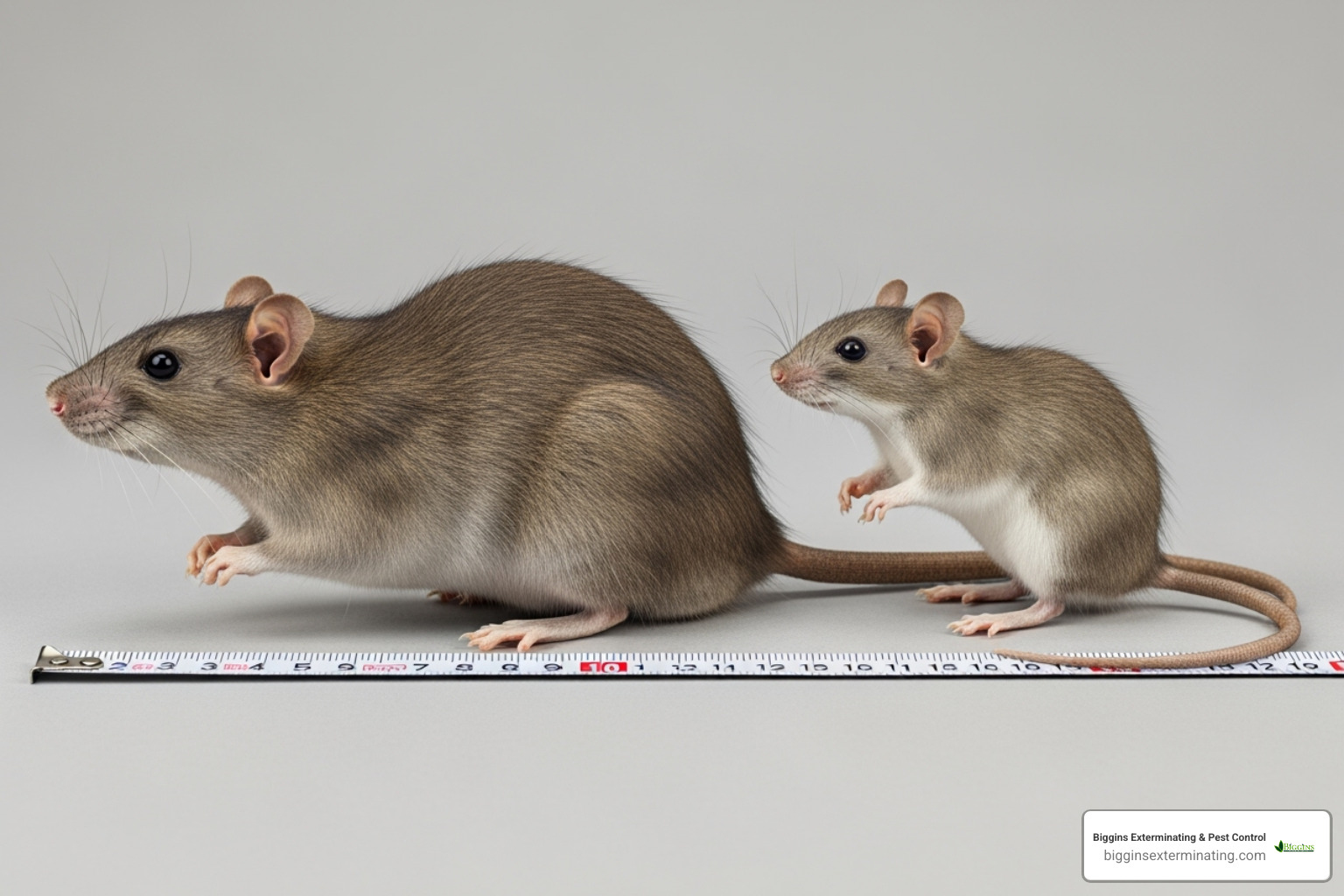
- Norway rats (brown or sewer rats) are larger, stockier ground-dwellers. They burrow along foundations and in damp areas, often entering basements and crawl spaces.
- Roof rats (black rats) are smaller and sleeker with long tails for balance. These agile climbers prefer high places like attics, rafters, and tree branches.
Their different behaviors require different strategies for trapping and exclusion. For more on local pests, see The Most Common Pests Found in Massachusetts and How to Prevent Them.
How Rats Infiltrate Your Property
A full-grown rat can squeeze through a hole the size of a quarter. As temperatures drop in Massachusetts, they seek warmth, food, and water in your home. Common entry points include:
- Gaps in your foundation.
- Unscreened vents (attic, dryer, soffits).
- Drains and broken sewer lines.
- Gaps around utility pipes and lines.
- Damaged roof shingles and eaves.
- Gaps under doors, especially garage doors.
Understanding these vulnerabilities is the first step to prevention. Our guide on How to Identify and Prevent Rodent Infestations in Massachusetts can help you conduct a home inspection.
The Battle Plan: Methods for Rat Infestation Extermination
A real rat infestation extermination requires a battle plan. At Biggins Exterminating, we use a strategy called Integrated Pest Management (IPM), an environmentally conscious approach focused on long-term solutions.
Our IPM approach follows four steps:
- Inspection: We assess your property to identify the rat species, infestation level, entry points, and attractants. This is a crucial first step detailed in our Pest Control Inspection Complete Guide.
- Identification: We confirm if you have Norway rats, roof rats, or even mice, as each requires a custom plan.
- Control: We use a combination of techniques, prioritizing the least toxic options first, such as exclusion, trapping, and, when necessary, safely deployed professional-grade rodenticides.
- Monitoring: We conduct follow-up visits to ensure the treatment was successful and the rats are gone for good.
This systematic method is the gold standard in pest control. Learn more about The Role of Integrated Pest Management in Massachusetts.
DIY vs. Professional Rat Infestation Extermination
It’s tempting to try DIY solutions, but rats are clever and multiply faster than you can buy traps. A population can grow tenfold in just 15 weeks. While you’re experimenting with store-bought products, the infestation can spiral out of control.
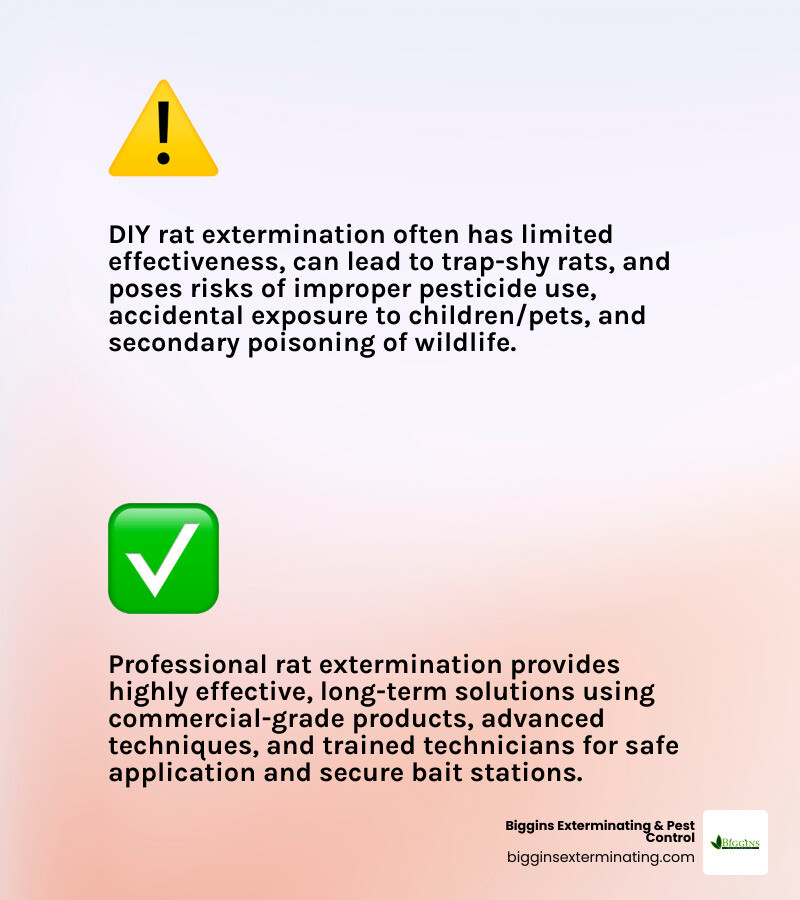
| Feature | DIY Methods (Traps, Store-Bought Bait) | Professional Services (Biggins Exterminating) |
|---|---|---|
| Effectiveness | Often limited to small problems. Rats can become “trap-shy.” | Highly effective for all infestation sizes using advanced techniques. |
| Cost | Low initial cost, but can become expensive with repeated failures. | Cost-effective in the long run by preventing recurrence and damage. |
| Safety | Risk of improper pesticide use and exposure to children/pets. | Trained technicians use safe application methods and secure bait stations. |
| Time Commitment | Requires significant time for research, setup, and monitoring. | Efficient and swift, saving you time and stress. |
| Exclusion | Often overlooked, leading to re-infestation. | Thorough identification and sealing of entry points are integral. |
| Guarantees | None. | We offer warranties and ensure customer satisfaction. |
DIY methods often fail due to rapid reproduction, health risks from improper cleanup, and rats’ natural suspicion of new objects (neophobia). If you see rats, hear persistent scratching, or find frequent droppings, it’s time to call a professional. The Dangers of DIY Pest Control in Massachusetts explains why professional help is often the smarter choice.
A Closer Look at Control Methods
Successful rat infestation extermination combines several methods.
Trapping is highly effective indoors. Snap traps offer a quick, humane kill, while electronic traps are even faster. The secret is the bait: peanut butter, bacon grease, dried fruit, and even nesting materials like cotton balls work well. Place traps perpendicular to walls where rats travel, and use plenty of them. To overcome their neophobia, place unset, baited traps for a few days before setting them.
Professional-grade rodenticides are necessary for larger infestations. These are not available in stores and require certified professionals for safe use. Most are anticoagulants that work gradually over several days, which prevents other rats from becoming “bait-shy.” The rodents often leave the structure to seek water before they perish.
Safety is our top priority. We place all rodenticides in tamper-resistant bait stations that children and pets cannot access. We are licensed professionals who follow all safety protocols to prevent accidental exposure and secondary poisoning. For families with pets, we take extra precautions, which you can read about in our guides to Safe Pest Control for Pets and Pest Control Tips for Pet Owners.
Fortifying Your Property: Prevention and Cleanup
The best rat infestation extermination strategy includes preventing their return. Once we’ve cleared your property, we focus on fortifying it through exclusion, sanitation, and smart landscaping.
Exclusion techniques are your first line of defense. Since rats can enter through quarter-sized holes, we carefully seal your home:
- We fill cracks in the foundation and walls with steel wool (which rats can’t chew) and seal with caulk.
- We install sturdy door sweeps on exterior doors, especially garage doors.
- We use pipe collars and rat-proof materials to seal gaps around utilities.
- We cover all vents with fine metal mesh and repair damaged roofing or siding.
Sanitation removes the food and water that attract rats.
- Secure trash cans with tight-fitting lids.
- Store all food, including pet food, in airtight metal or thick plastic containers.
- Clean up spills and crumbs promptly, and don’t leave pet food out overnight.
Landscaping can help keep rats away.
- Trim shrubs and tree branches at least a foot away from your house.
- Remove debris piles and store firewood off the ground and away from the house.
- Fix leaky faucets and eliminate standing water.
These measures are especially critical in the fall as rats seek warmth indoors. Our article on Winter Mouse Prevention 101: Expert Tips from Exterminators offers more seasonal tips.
Safe Cleanup After a Rat Infestation Extermination
Proper cleanup after an infestation is vital for your health, as rodent waste can carry pathogens like hantavirus.
First, wear protective gear: rubber gloves, an N95 respirator mask, and protective eyewear. Ventilate the area for at least 30 minutes before you begin.
Never sweep or vacuum dry droppings, as this can aerosolize viruses. Instead, spray droppings and nests with a disinfectant (a 1:10 bleach-to-water solution works well) and let it soak for 5 minutes.
Use paper towels to wipe up the waste and dispose of it in a sealed plastic bag. For proper disposal of dead rats, spray the carcass with disinfectant, place it in a sealed plastic bag, then double-bag it before disposing of it in an outdoor trash can.
After removing all waste, clean and disinfect all contaminated surfaces. Wash any affected fabrics in hot water. Finally, wash your gloved hands before removing them, then wash your bare hands thoroughly. For more detailed instructions, consult the CDC for more tips on cleaning up. This process is key to The Role of Pest Control in Maintaining a Clean and Healthy Home.
Frequently Asked Questions about Rat Extermination
After 40 years in this business, I’ve heard just about every rat-related question imaginable. Here are the most common questions about rat infestation extermination.
How long does it take to get rid of a rat infestation?
The timeline depends on several factors.
- Infestation Size: A few rats can be handled in a few weeks. A large, established colony that has been breeding for months will take longer.
- Property Size & Complexity: A small home is easier to treat than a large, complex property with many entry points.
- Methods Used: Professional IPM is much faster than DIY methods, which can drag on for months. While rodenticides take 3-5 days to work, our combined approach of trapping and exclusion accelerates the process.
For most residential infestations, a professional program takes anywhere from 2-4 weeks for smaller problems to 6-8 weeks for severe cases. We monitor the situation until there is no new activity.
What does professional rat extermination cost?
The cost of rat infestation extermination varies widely. Based on general industry averages, homeowners might see prices from $300 to $1,500 or more. In cases of severe infestation with structural damage, costs can be higher.
Please note: these are industry averages and do not reflect Biggins Exterminating pricing. We provide a free inspection and a personalized quote based on your specific situation. Contact us for an accurate estimate.
Factors that influence the final price include:
- Infestation Severity: A small, recent problem costs less than a large, established colony.
- Property Size: Larger properties require more time, materials, and labor.
- Follow-up Visits: Comprehensive programs include multiple visits to ensure complete eradication, which is factored into the cost.
- Exclusion Work: The extent of repairs needed to seal entry points will affect the price.
Early intervention is the best way to keep costs down.
Are the chemicals used by professionals safe for my family and pets?
Yes, when applied correctly by trained professionals. Your family’s safety is our top priority. We use an Integrated Pest Management (IPM) approach, starting with the least toxic methods like exclusion and trapping.
When rodenticides are necessary for rat infestation extermination, we use professional-grade products deployed inside secure, tamper-resistant bait stations. These stations are designed so that only rats can access the bait, keeping it away from children and pets. Our licensed technicians place them strategically in areas where rats travel but your family and pets do not.
We will explain our entire process, the products we use, and where they are placed. We can adjust our strategy for households with curious pets or small children. Our goal is to solve your rat problem effectively while ensuring your home remains safe. For more details, read our articles on Pest Control Tips for Pet Owners and Safe Pest Control for Pets.
Secure Your Home with Professional Rat Control
Rats are a genuine threat to your family’s health, your home’s integrity, and your peace of mind. They carry diseases, chew through wiring that can cause fires, and multiply with alarming speed. A small problem can become a crisis in just a few weeks.
Effective rat infestation extermination is not a DIY project. It requires a comprehensive, professional approach that eliminates the current infestation and prevents future ones. This means sealing entry points, removing attractants, and ongoing monitoring.
At Biggins Exterminating & Pest Control, we’ve protected Massachusetts families for over 40 years. As a family-owned business serving Andover, Bedford, Billerica, Burlington, Lexington, North Reading, Tewksbury, Wilmington, and Woburn, we understand the local pest pressures, especially as fall temperatures drive rodents indoors.
We offer reliable rodent control services with warranties, not long-term contracts. We are invested in your long-term peace of mind. This season, don’t let rats take over your home.
Contact us for expert Rodent Control Services today and let us help you reclaim your home. You deserve a safe, clean, and rat-free environment.
