Why Outdoor Rat Extermination Matters for Your Property
Outdoor rat extermination is essential for protecting your home, health, and peace of mind. Here’s what you need to know right away:
Quick Action Guide for Outdoor Rat Extermination:
- Identify the problem – Look for droppings, gnaw marks, burrows, and runways
- Remove attractants – Secure trash, pet food, compost, and fallen fruit
- Seal entry points – Use hardware cloth and steel wool on gaps larger than 1/4 inch
- Set traps or bait stations – Place along walls and near burrows, away from pets
- Call a professional – If DIY methods fail or the infestation is large
A beautiful yard shouldn’t be shared with rats that damage property, contaminate spaces, and risk your family’s health.
Outdoor rats are a serious problem. They can chew through drywall, wood, and even concrete, causing thousands in damage to cars and homes. Norway rats burrow under foundations, while roof rats nest in trees, waiting to invade your home.
Rats also carry diseases like Salmonella, Hantavirus, and Rat-Bite Fever. With a single female producing up to 20 offspring annually, a small problem can quickly become a massive infestation. Left unchecked, a small rat problem becomes a massive infestation fast.
The good news is that effective outdoor rat extermination is possible when you combine sanitation, exclusion, and targeted control methods. These strategies work for any level of infestation, even when pets are present.
I’m Stephen Biggins, and through our family business, Biggins Exterminating Co., I’ve helped Massachusetts homeowners reclaim their yards from rats for decades. We’ve seen every type of outdoor rat challenge, from burrowing Norway rats to climbing roof rats, and we know what works.
Identifying an Outdoor Rat Problem: Signs and Species
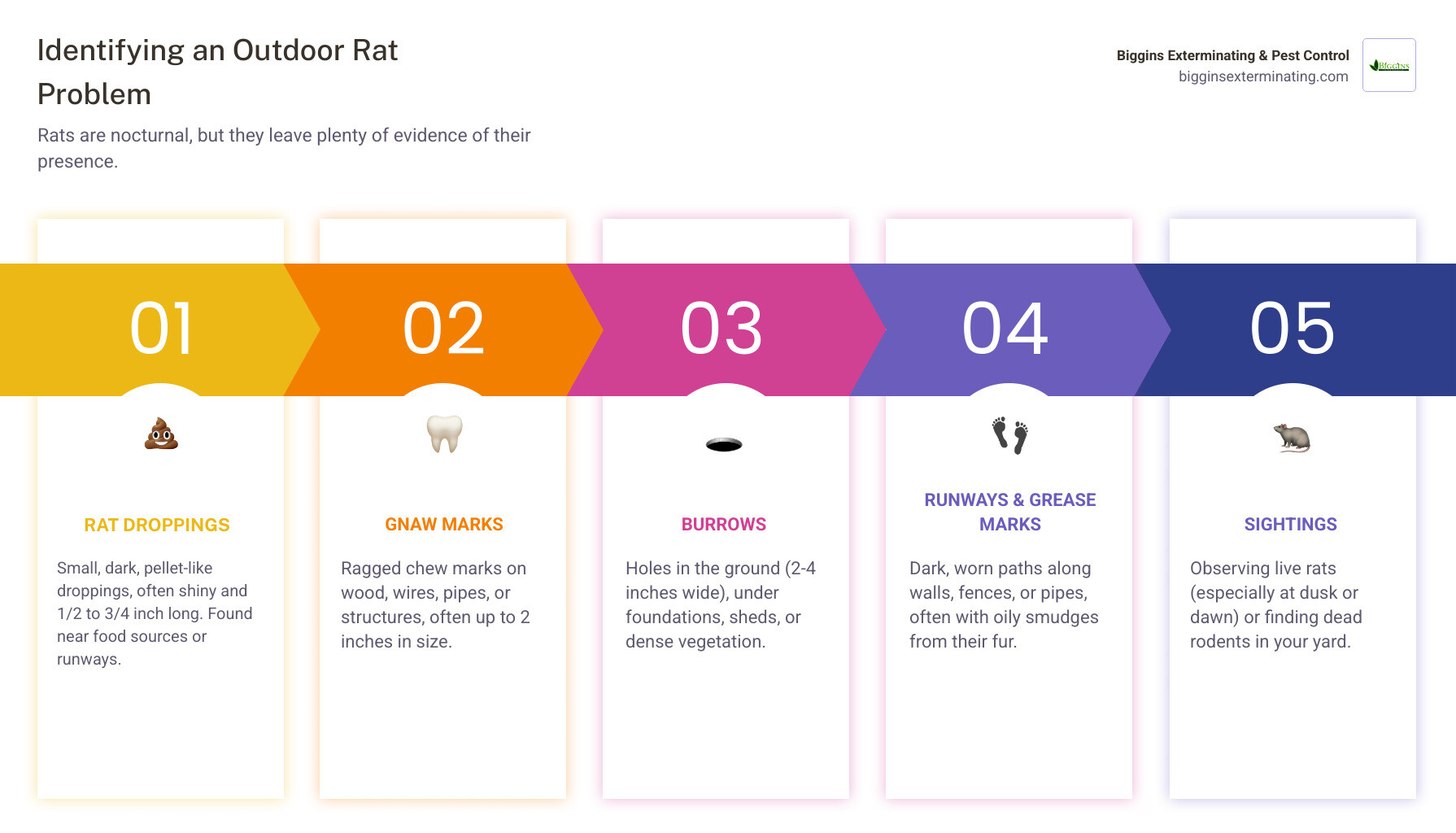
Confirming a rat problem is the first step. Though nocturnal, rats leave behind plenty of telltale signs:
- Rat droppings are a primary clue. They are shiny, black, and about ½ to ¾ inch long, which is significantly larger than mouse droppings (¼ inch). Utah State University research on rodent droppings confirms these size differences.
- Gnaw marks are another dead giveaway. Rats constantly chew to wear down their teeth, leaving large, ragged holes (up to 2 inches) on wood, plastic, and even soft metals.
- Burrows are common with Norway rats. Look for holes along foundations, under sheds, or in dense vegetation. These tunnels can undermine concrete slabs over time.
- Runways are worn paths in grass or dirt along walls and fences. Rats are creatures of habit and use the same routes repeatedly.
- Grease marks (smudge marks) are left by oil and dirt from a rat’s fur rubbing against surfaces along their travel paths. For roof rats, you may see these marks higher up on your home.
For more identification tips, see our guide on how to identify and prevent rodent infestations in Massachusetts.

What Attracts Rats to Your Yard?
Understanding what draws rats to your property is key for effective outdoor rat extermination. They seek three basic things: food, water, and shelter.
- Food sources: Rats are opportunistic omnivores. They are attracted to unsecured garbage, pet food left out, birdseed, fallen fruit from trees, and poorly managed compost piles.
- Water sources: Leaky faucets, bird baths, pet water bowls, and even puddles provide the water rats need to survive, especially in dry weather.
- Shelter: Rats nest in safe, hidden places. Woodpiles, rock piles, dense bushes, tall weeds, and general clutter all offer ideal cover. The space under a deck or shed can house entire rat families.
Eliminating these attractants is the first step in prevention.
Norway Rat vs. Roof Rat: Know Your Enemy
In our area, we primarily deal with two species: Norway rats and roof rats. Knowing which one you’re up against helps target your outdoor rat extermination efforts.
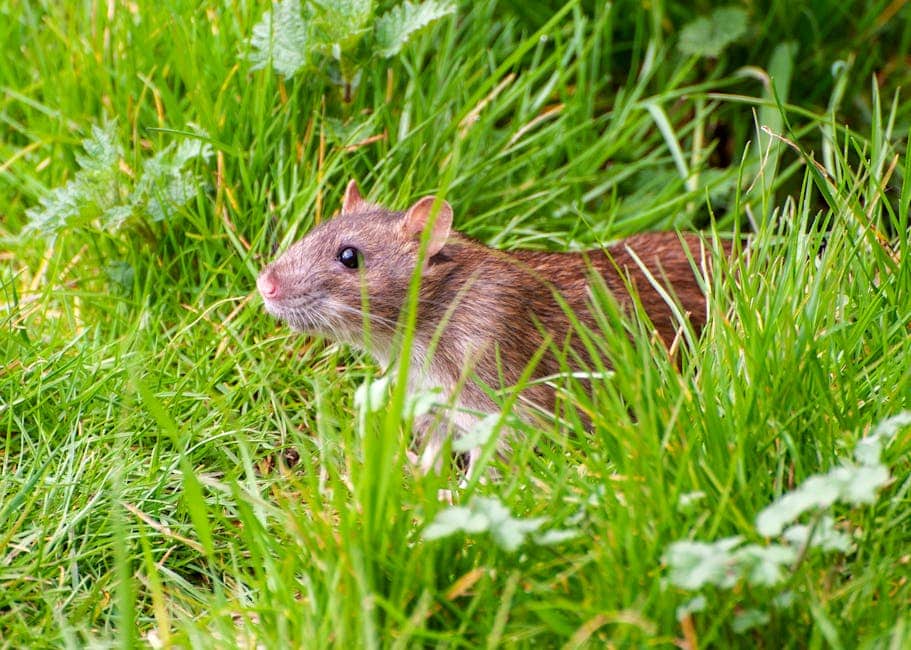
Norway rats (Rattus norvegicus), also called brown rats, are stocky burrowers that nest in the ground. They have blunt snouts and tails shorter than their bodies. They are poor climbers but excellent swimmers and are often wary of new objects (neophobic).
Roof rats (Rattus rattus), or black rats, are sleek, agile climbers. They have pointed snouts, large ears, and tails longer than their bodies. They nest above ground in trees, attics, and dense vegetation. The University of Florida notes they can jump 8 feet from a tree to a house, making it vital to trim branches.
| Characteristic | Norway Rat (Rattus norvegicus) | Roof Rat (Rattus rattus) |
|---|---|---|
| Appearance | Stocky body, blunt snout, small ears, tail shorter than head + body | Sleek body, pointed snout, large ears, tail longer than head + body |
| Size | Larger (7-18 oz) | Smaller (5-10 oz) |
| Nesting | Primarily burrows in the ground, basements, lower levels | Nests above ground in trees, shrubs, dense vegetation, attics, upper levels |
| Behavior | Excellent burrowers, good swimmers, poor climbers, neophobic (fear of new objects) | Agile climbers, good balance, prefer liftd runways |
| Diet | Omnivorous, prefer grains, meat, fish | Omnivorous, prefer fruits, vegetables, seeds |
While their diets differ slightly, both will eat whatever is available. Identifying the species helps you know where to look for nests and place traps for effective rat-proofing.
Prevention First: How to Make Your Yard Uninviting to Rats
The best outdoor rat extermination strategy is prevention. Before setting traps, make your yard so unappealing that rats move elsewhere. This involves sanitation, exclusion, and habitat modification.
Eliminate Food, Water, and Shelter
Systematically remove the three things that attract rats:
- Food: Secure trash in sturdy cans with tight-fitting lids. Never leave pet food outside overnight and store it in chew-proof containers. Use squirrel guards on bird feeders to prevent spilled seed. Keep compost in a fully enclosed, rat-proof bin. Harvest fruit and nuts promptly and clear any that have fallen.
- Water: Fix leaky outdoor faucets immediately. Empty any containers that collect rainwater, and drain bird baths regularly.
- Shelter: Stack woodpiles at least a foot off the ground and away from your home. Clear away clutter like old equipment and debris piles. Lift any stored items 18 inches off the ground and 12 inches from walls. Clean outdoor grills after use.
For more comprehensive tips, check out our guide on keeping your home mouse-proof: a winter pest control checklist.
Rat-Proofing Your Landscape and Structures
Physical exclusion is the most successful long-term strategy for preventing rat entry. For more detailed prevention strategies, visit our article on winter mouse prevention 101: expert tips from exterminators.
- Landscaping: Thin out overgrown bushes, creating at least a 2-foot space between plants and your home’s foundation. Keep your lawn mowed and weeds trimmed. Cut tree limbs back at least 3 feet from your roofline to deter climbing roof rats.
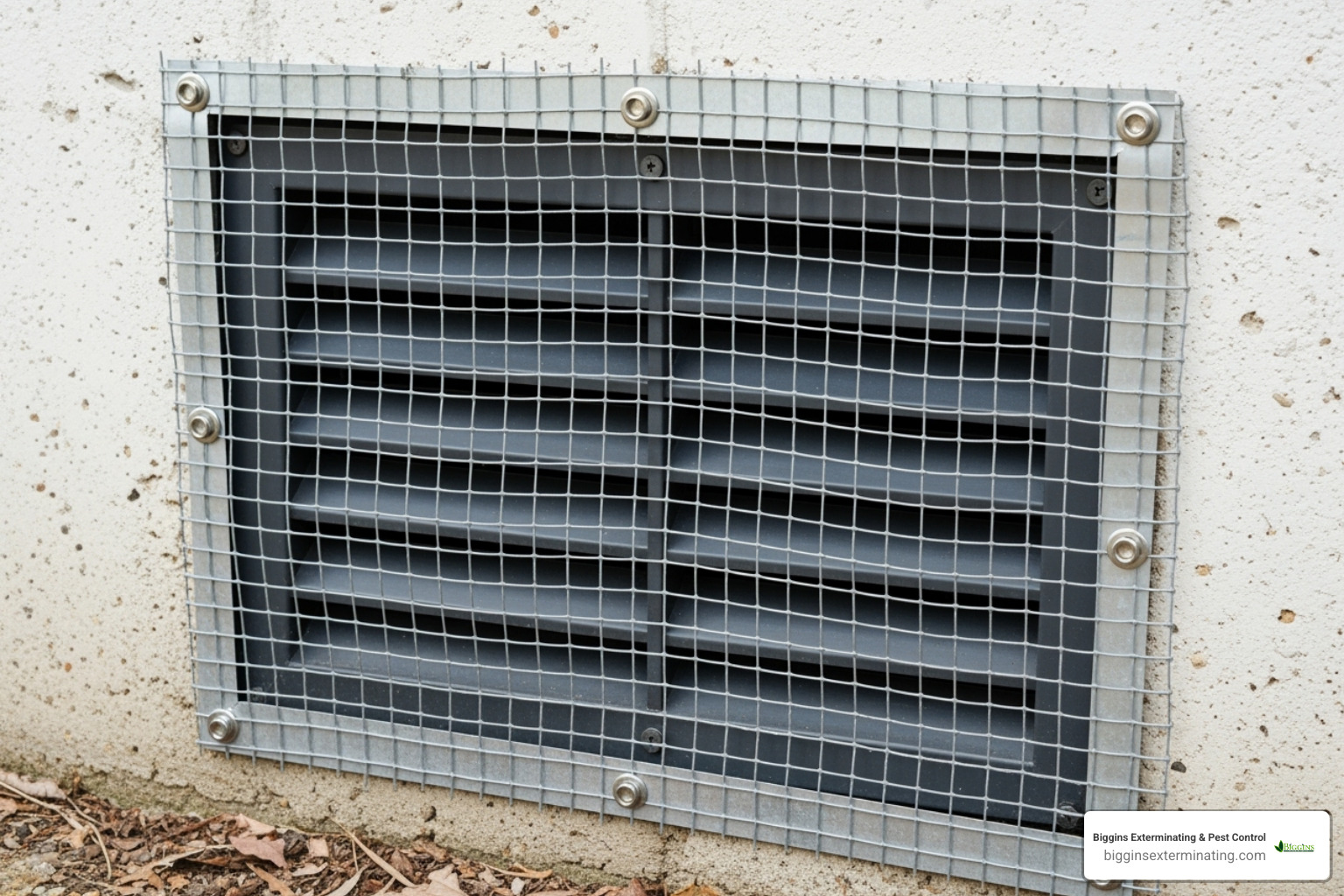
- Sealing Entry Points: Rats can squeeze through a 1/2-inch gap. Seal any cracks or holes larger than 1/4 inch with durable, chew-resistant materials.
- Materials: For small holes, stuff steel wool into the gap and seal with caulk. Rats hate chewing it. For larger gaps, use metal sheets, cement, or hardware cloth (metal mesh).
- Vents and Pipes: Reinforce foundation vents with stainless steel mesh. Install metal flashing around your foundation to stop burrowing. Add metal pipe guards to outdoor pipes to deter climbing.
Exclusion is more work than trapping, but it’s the key to a permanent solution. You’re not just getting rid of current rats; you’re preventing new ones from moving in.
A Step-by-Step Guide to Outdoor Rat Extermination
After implementing preventive measures, you can address the existing rat population. Outdoor rat extermination can be done safely without dangerous poisons, especially with pets or children present, by using an Integrated Pest Management (IPM) approach that uses rat behavior against them.
Pet-Safe Outdoor Rat Extermination Methods
When pets share your yard, using poison is too risky. We focus on safer, equally effective methods.
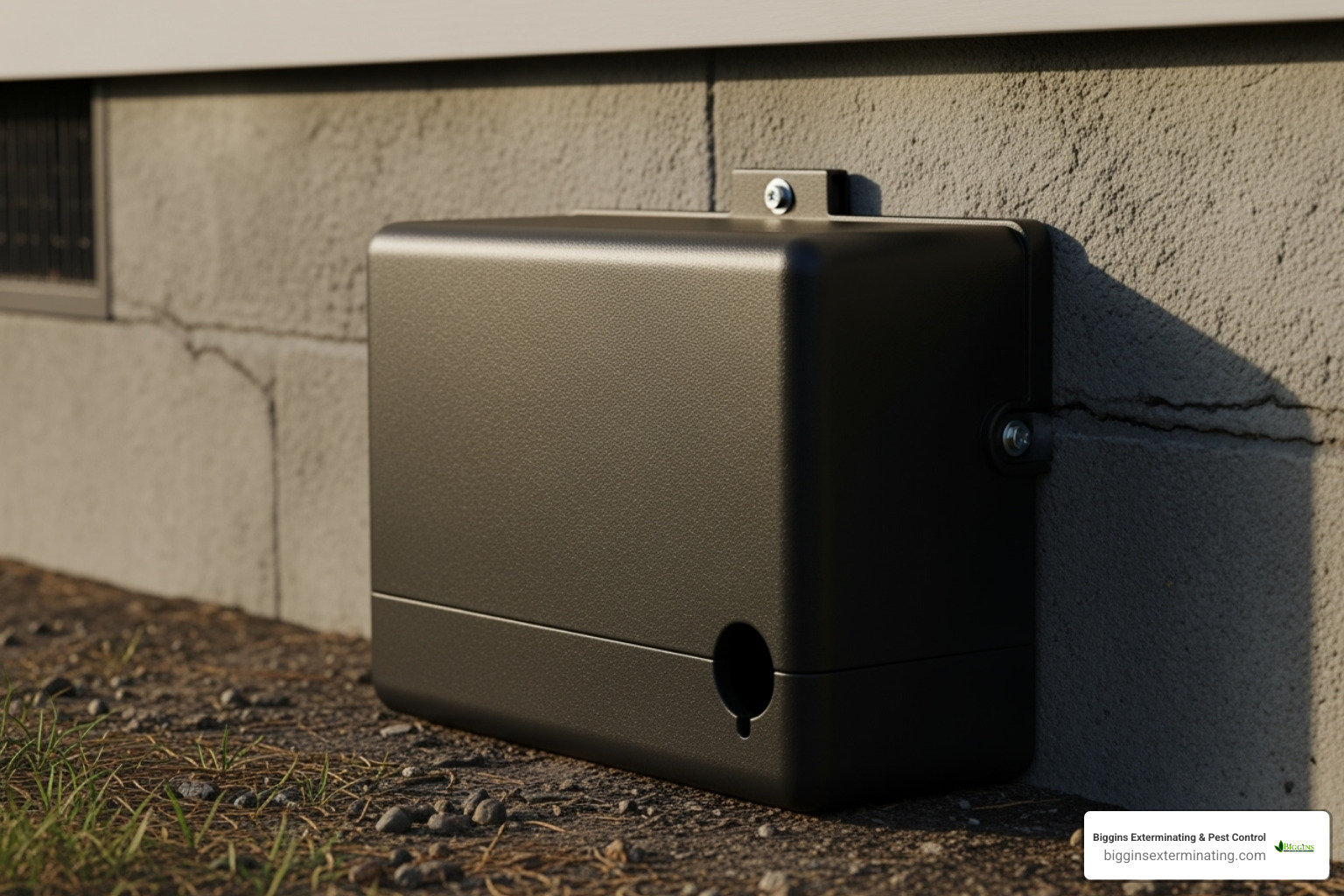
- Snap traps are highly effective. Place them perpendicular to walls or fences where rats travel. For bait, use a small dab of peanut butter, hazelnut spread, or bacon. Crucially for pet safety, always place traps inside a protective, tamper-resistant enclosure that pets cannot access. Check traps daily.
- Electronic traps deliver a quick, humane shock. They are a clean method and should also be placed inside secure, pet-proof enclosures along rat runways.
- Dry ice can be used in active burrows. The sublimating ice releases carbon dioxide, which suffocates rats underground. This method requires extreme caution (use protective gear) and is often best left to professionals.
For more information on effective trapping, see our rodent control services.
Using Natural Deterrents and Repellents
Natural deterrents can support your extermination strategy but are rarely a complete solution. Rats have a strong sense of smell, and odors from peppermint oil and eucalyptus oil can bother them. Soak cotton balls in the oil and place them near potential entry points. However, these scents fade quickly outdoors and must be reapplied every few days. As scientists from the University of Florida explain, rats can get used to scents over time. Think of repellents as one layer of defense, not a primary extermination tool.
Advanced Outdoor Rat Extermination: Baits
For severe infestations, rodenticides may be necessary, but only when pet safety is guaranteed. Bait should never be used casually or without proper safety measures.
Most modern baits are anticoagulants with a delayed effect. If you use rodenticides, tamper-resistant bait stations are absolutely non-negotiable. These heavy-duty containers allow rats access while keeping pets and children out. They must be secured so they cannot be moved or opened.
Always read and strictly follow all label directions. Be aware that rodenticide regulations vary by location; for example, certain products were outlawed in California due to wildlife risks. Some fumigants are also effective but are extremely dangerous and should only be handled by licensed professionals.
If you’re considering rodenticides, it’s time to call a professional. We have access to commercial-grade products and know how to deploy them safely. For a full overview, see our rat exterminating complete guide.
The Dangers of Rats and When to Call a Professional
Rats are genuine threats to your property and health, which is why outdoor rat extermination should not be delayed.
Property damage from rats can be severe. Their constant chewing destroys property and creates safety hazards:
- Structural Damage: Norway rats burrow under foundations and slabs, compromising your home’s integrity.
- Material Damage: They gnaw through drywall, wood, sheet metal, and even soft metals.
- Fire Hazards: Chewed electrical wiring in walls, outdoor fixtures, or cars is a common cause of fires.
- Vehicle Damage: Rats nesting in engine compartments can cause $1,000-$3,000 of damage to a car in just a few nights.
The health concerns are even more serious. Rats and the parasites they carry (fleas, ticks) can transmit diseases like Salmonella, Hantavirus, Leptospirosis, and Rat-Bite Fever. Their dander, urine, and droppings can also trigger allergies and worsen asthma, especially in children playing outdoors. Any surface in your yard could be contaminated.
For more detail on these risks, read our article on the top 5 dangers of rodents in and around your home or business.
Signs Your Rat Problem Requires an Exterminator
While DIY methods can work for minor issues, certain signs indicate it’s time to call a professional for outdoor rat extermination:
- Daytime Sightings: Seeing rats during the day often means the population is large and nests are overcrowded.
- DIY Methods Fail: If traps and deterrents aren’t working, you may be dealing with trap-shy rats or an infestation that is too large to manage on your own.
- Rats Get Inside: If rats have breached your home, the problem has escalated. This requires immediate, aggressive action to prevent serious damage and health risks. The urgency is greater than if you see a mouse due to their destructive nature.
- Recurring Problems: If rats keep coming back, a professional can identify the root cause, such as a hidden entry point or a nearby source population.
- Serious Health or Safety Risks: If you suspect foundation damage or have vulnerable family members, don’t wait. Professional assessment is vital.
In severe cases, you can contact your local Department of Public Health, but the fastest solution is a licensed pest control company. At Biggins Exterminating, we have over 40 years of experience handling every type of rat problem safely and effectively.
Conclusion: Maintaining a Rat-Free Yard for Good
Outdoor rat extermination requires ongoing vigilance. Once the initial problem is solved, consistent habits make long-term prevention much easier. Rats are opportunists; if your yard no longer offers easy food, water, and shelter, they will move on.
Your long-term prevention plan should include:
- Regular Inspections: Walk your property every few weeks to look for new burrows, droppings, or gnaw marks. Ensure exclusion materials are still intact.
- Consistent Sanitation: Maintain good habits. Keep trash secured, store pet food indoors, clean up fallen fruit, and keep the yard tidy.
Sometimes, despite your best efforts, a rat problem can persist or return. If DIY methods fail, you see rats in daylight, or the infestation keeps coming back, it’s time for professional expertise.
At Biggins Exterminating, we have spent over 40 years helping Massachusetts families reclaim their outdoor spaces. As a family-owned business in Wilmington, we serve communities like Andover, Bedford, Billerica, Burlington, Lexington, North Reading, Tewksbury, and Woburn. We understand our region’s unique pest pressures.
We don’t use long-term contracts. We solve your rat problem efficiently and safely, then provide the knowledge to keep them away, backing our work with a warranty. Your yard should be a place for your family to relax without worry.
Ready to enjoy a rat-free yard for good? Contact our rat experts near you for a guaranteed solution today. We’ll create a customized plan that fits your property and gives you peace of mind.