
Why Mice Rodent Control Matters for Massachusetts Homeowners
Mice rodent control is essential for protecting your Massachusetts home from property damage and health risks. The scratching you hear in the walls is a warning sign that shouldn’t be ignored, especially during fall and winter when mice seek shelter indoors.
Quick Answer: Effective Mice Control Steps
- Identify the problem – Look for droppings, gnaw marks, and scratching sounds.
- Seal entry points – Close gaps as small as 1/4 inch with steel wool and caulk.
- Remove attractants – Store food in sealed containers and eliminate clutter.
- Set traps strategically – Place snap traps along walls where mice travel.
- Clean safely – Use gloves and disinfectant when removing droppings.
- Call professionals – For large infestations or persistent problems.
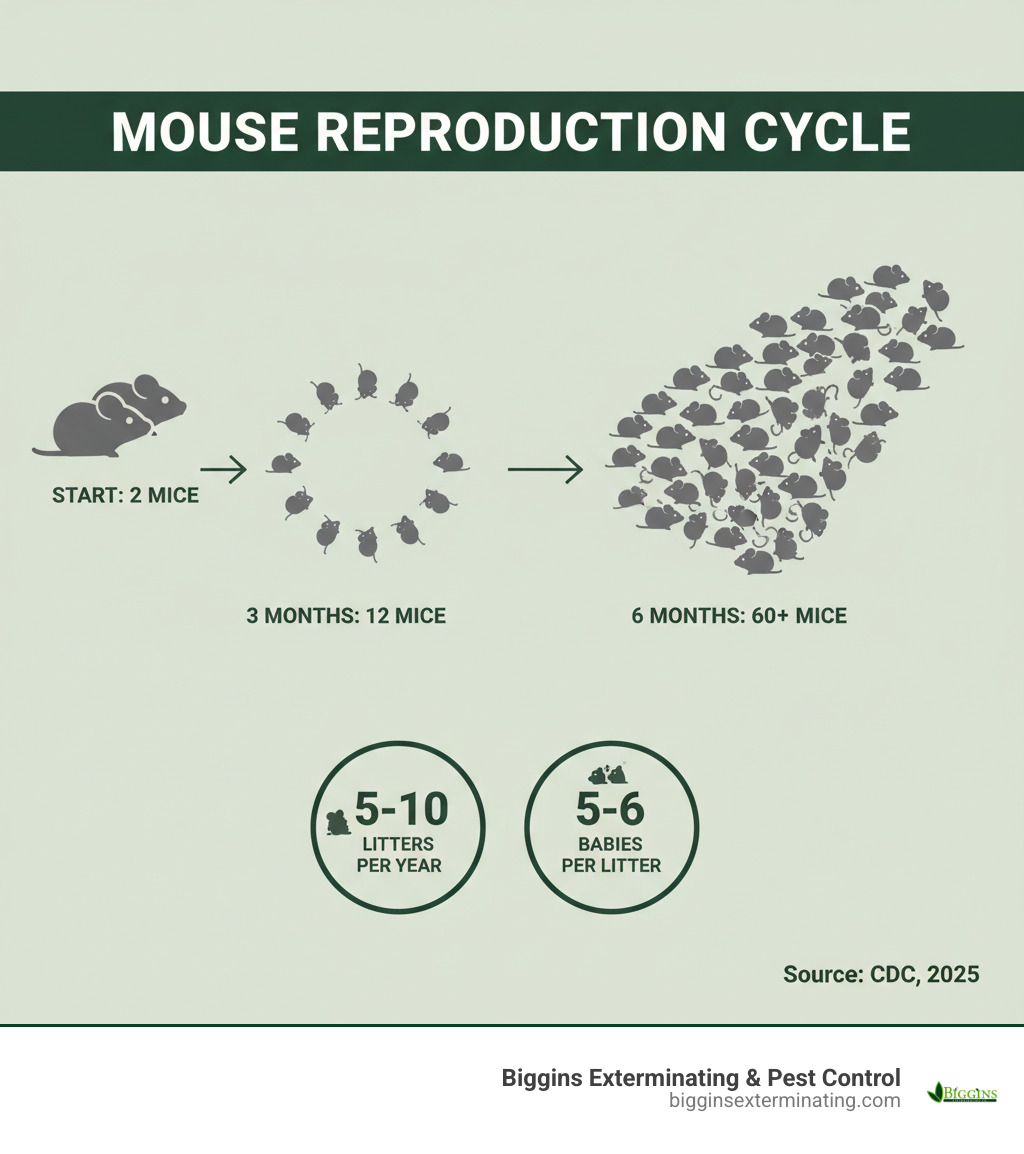
A single female mouse can have 5 to 10 litters a year, meaning a small problem can become a major infestation in months. These rodents pose real dangers: they contaminate about 10 times more food than they eat, gnaw on electrical wiring creating fire hazards, and can squeeze through openings the size of a dime. They also transmit diseases like Salmonella.
This guide provides practical steps for identifying, preventing, and eliminating mice. As Stephen Biggins, owner of Biggins Exterminating, I’ve continued my family’s 40+ years of experience helping Massachusetts families with honest, effective mice rodent control solutions backed by our peace-of-mind warranty.
Relevant articles related to mice rodent control:
Identifying a Mouse Infestation: Telltale Signs You Can’t Ignore
Mice are nocturnal and secretive, but they leave behind clear evidence of their presence. Spotting these signs early is key to preventing a full-blown infestation.
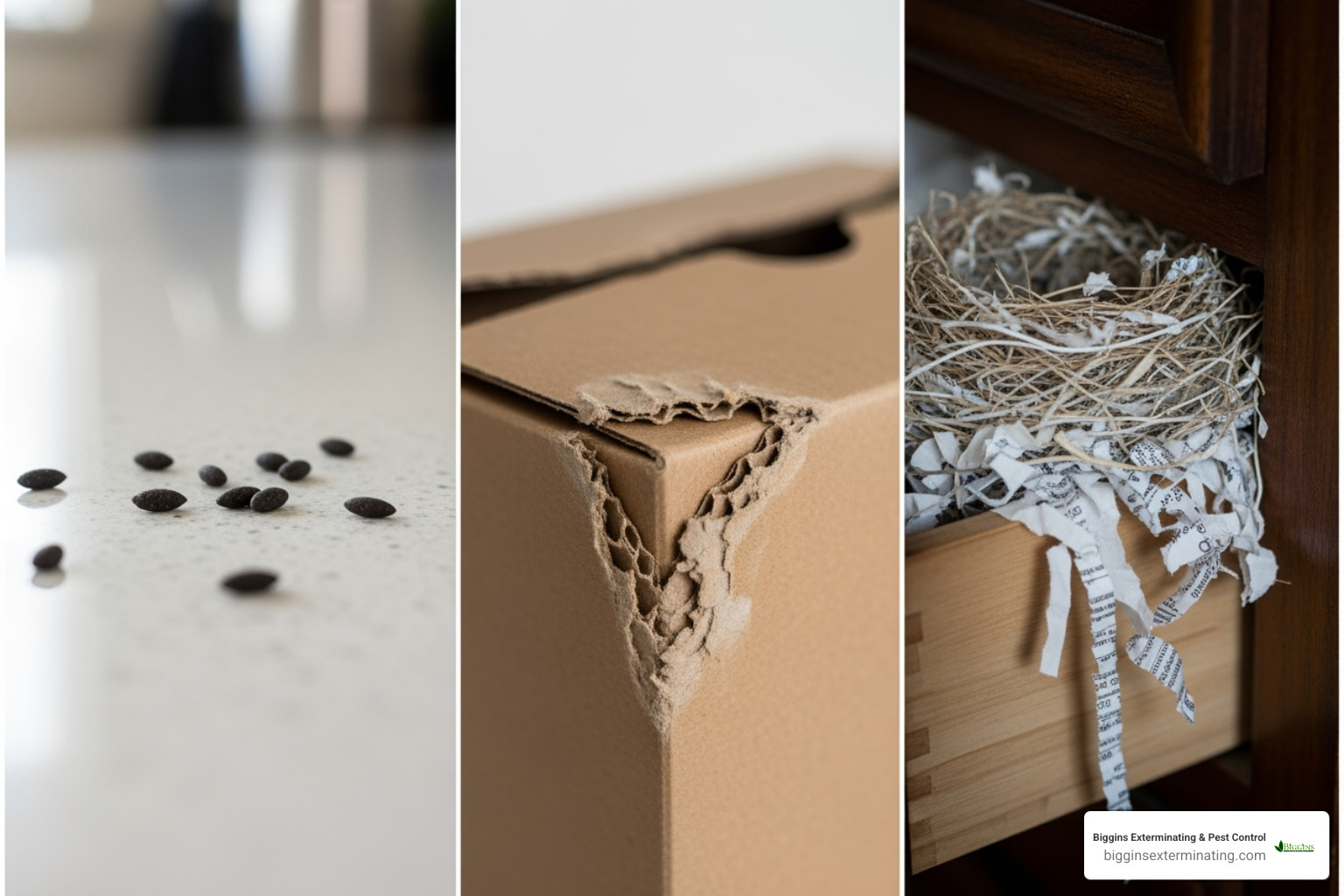
- Droppings: The most common sign. Look for small, dark, rice-sized pellets with pointed ends in kitchen cabinets, along baseboards, and in drawers. Fresh droppings are dark and soft; old ones are gray and crumbly.
- Gnaw Marks: Mice must chew constantly. Check for damage on food packages, wooden baseboards, and especially electrical wiring, which creates a serious fire hazard.
- Nests: Mice build nests from shredded paper, fabric, or insulation. Look for them in hidden, quiet spots like behind the fridge, in wall voids, or in cluttered storage areas.
- Sounds and Smells: At night, you may hear faint scratching or scampering from walls or ceilings. A persistent, stale, ammonia-like odor from urine can also indicate an active infestation in enclosed spaces.
- Rub Marks and Tracks: Greasy smudges along walls and baseboards are left by mice traveling the same routes. You might also see tiny tracks in dusty areas.
- A Live Sighting: Seeing a mouse, especially during the day, often signals a large population that has pushed it out of hiding.
Regularly checking these areas is your best defense. For more tips, see our guide on identifying rodent infestations.
Mouse vs. Rat: Key Differences
Knowing whether you have mice or rats is crucial, as control strategies differ. Mice rodent control is not the same as rat control.
- Mice: Are small (5-7 inches long, including tail) with large ears and a pointed face. Their droppings are tiny like grains of rice. They can fit through a dime-sized hole (1/4 inch).
- Rats: Are much larger (12-18 inches long) with smaller ears relative to their head. Their droppings are larger (3/4 inch) with blunt ends. They need a quarter-sized hole to enter.
Mice are curious and explore new things, while rats are cautious (neophobic). This behavioral difference affects trapping strategies. If you suspect rats, our complete guide to rat control can help.
The Dangers Lurking in Your Walls: Health Risks and Property Damage
A mouse problem is more than an annoyance; it’s a genuine threat to your family’s health and your home’s structural integrity.
Health Risks Associated with Mice
Mice spread pathogens through their droppings, urine, and saliva, contaminating surfaces and food.
- Diseases: They can transmit Salmonellosis (food poisoning), Leptospirosis, and Lymphocytic Choriomeningitis (LCM), a viral disease that can cause serious neurological issues. Up to 5% of house mice in the U.S. may carry the LCM virus.
- Hantavirus: While less common for house mice, the deer mouse (found in rural Massachusetts) is a known carrier of the potentially fatal Hantavirus Pulmonary Syndrome (HPS). It’s contracted by inhaling airborne particles from infected rodent waste.
- Allergies and Asthma: Rodent allergens from urine and dander are significant triggers for allergies and can worsen asthma, especially in children.
- Other Pests: Mice can carry ticks, mites, and fleas into your home, which bring their own set of diseases like Lyme disease.
Property Damage Caused by Mice
Mice have constantly growing incisors and must gnaw to keep them in check. Your home provides plenty of material for them to chew on.
- Fire Hazard: The most significant danger is when mice chew through electrical wiring. The exposed wires can spark and cause house fires, many of which are attributed to “unknown causes.”
- Structural Damage: They tear through insulation, drywall, wood beams, and even plastic pipes, causing costly damage over time.
- Food Contamination: Mice contaminate about 10 times as much food as they eat, rendering entire containers of food unsafe through their droppings and urine.
- Odor: A hidden, saturated nest creates a persistent, unpleasant odor that affects your home’s air quality.
Effective mice rodent control is about protecting your family and property from these serious, tangible risks. Learn more about The top dangers of rodents.
Fortifying Your Home: Proactive Mouse Prevention
The best mice rodent control is preventing them from entering in the first place. This proactive approach, known as Integrated Pest Management (IPM), focuses on making your home impenetrable and uninviting.
Sealing Entry Points
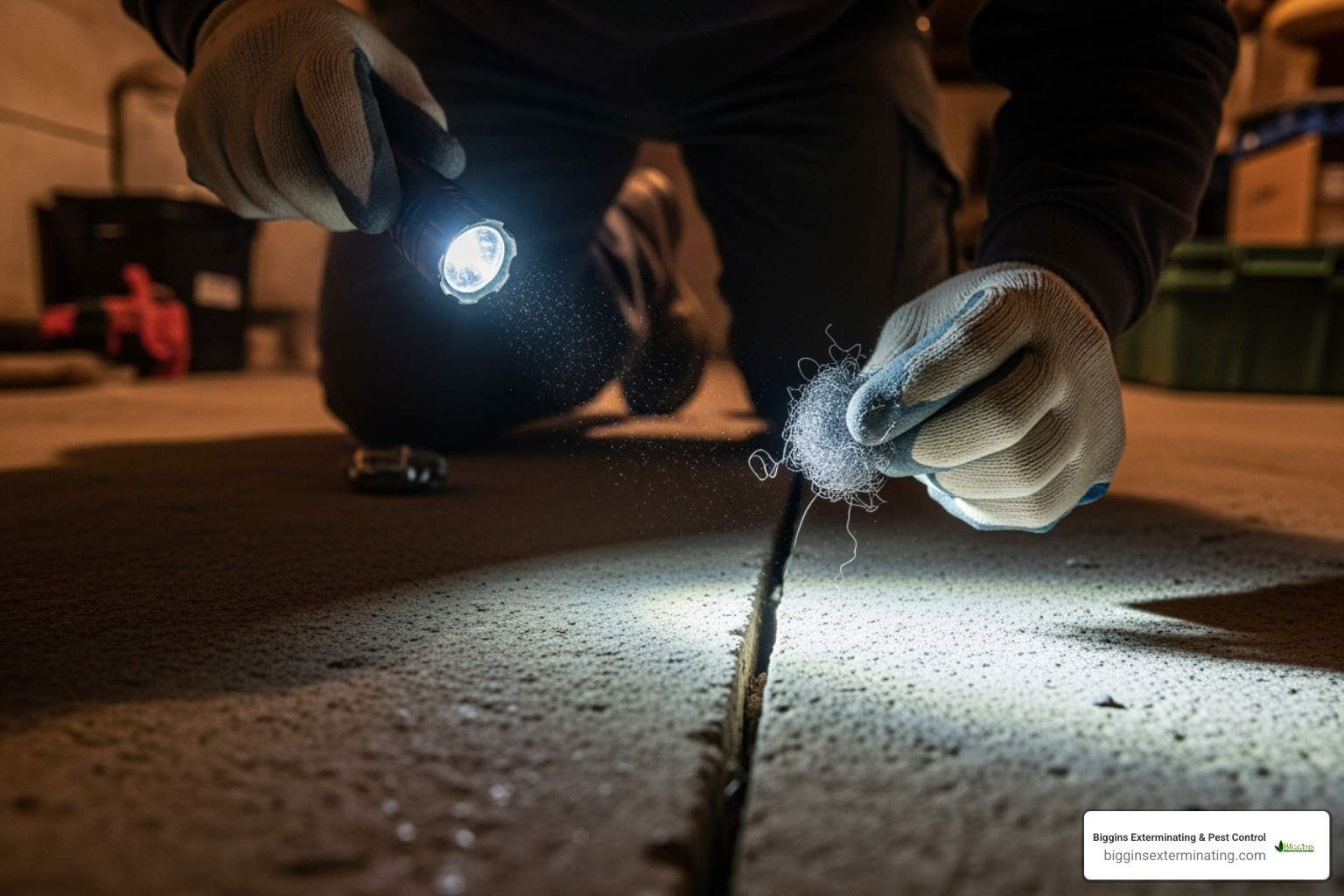
Mice can squeeze through an opening as small as a dime (1/4 inch). A thorough inspection is your first line of defense. Grab a flashlight and check your home’s exterior from top to bottom.
- Key Areas to Inspect: Look for cracks in the foundation, gaps around utility lines (pipes, cables), and openings near vents. Check that doors (including garage doors) have tight-fitting sweeps and that windows have intact screens. Inspect the roofline and ensure your chimney is capped.
- Effective Sealing Materials: Mice can chew through foam and rubber. Use steel wool, which they cannot chew, to plug small holes, then seal over it with caulk. For larger cracks, use cement or metal flashing. Use hardware cloth (1/4 inch wire mesh) to secure vents.
Making it physically impossible for mice to get in is the most critical step. For more seasonal tips, see our Expert tips for winter mouse prevention.
Eliminating Attractants
Remove the food, water, and shelter that mice seek, and your home becomes far less appealing.
- Food Storage: Store all food—including pet food and birdseed—in sealed glass, metal, or heavy-duty plastic containers. Cardboard boxes and bags are not mouse-proof.
- Sanitation: Clean up crumbs and spills immediately. Don’t leave dirty dishes out overnight. Use trash cans with tight-fitting lids and empty them regularly.
- Declutter: Clutter provides perfect nesting sites. Clear out stacks of newspapers, cardboard boxes, and old fabric from your basement, attic, and garage.
- Landscaping: Keep firewood piles at least 20 feet from your house. Trim vegetation near the foundation and clear away leaf piles to eliminate hiding spots. If you have bird feeders, move them away from the house and clean up spilled seed.
- Water Sources: Fix leaky faucets and pipes to eliminate easy access to water.
These prevention steps are the foundation of a mouse-free home. Our winter pest control checklist offers a complete seasonal guide.
Your Guide to Effective Mice Rodent Control Methods
If mice are already inside, you need to act. Successful mice rodent control involves using your knowledge of mouse behavior to outsmart them. For a full overview, see our guide on effective rodent control methods.
Trapping: Your First Line of Defense for mice rodent control
For most home infestations, trapping is the best first step. It provides tangible results and avoids the problem of mice dying in your walls.
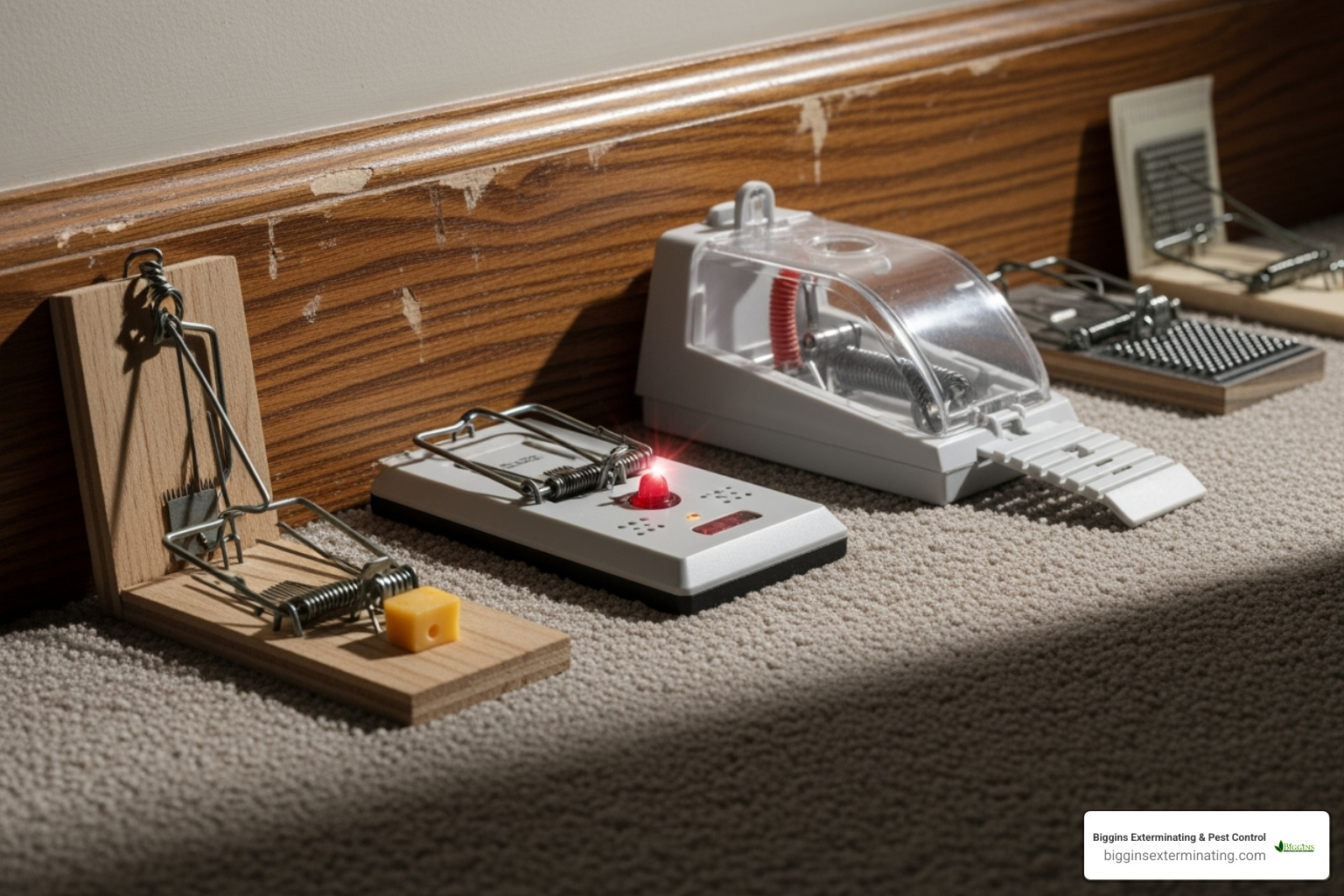
- Trap Types: Classic wooden snap traps are inexpensive and effective. Electronic traps offer a quick, clean kill and contain the mouse. Live-capture traps are an option, but relocated mice often don’t survive and may be subject to local wildlife laws. We generally advise against glue boards as they can cause prolonged suffering.
- Placement Strategy: Mice travel along walls. Place traps perpendicular to walls, with the trigger facing the wall, in areas with droppings or gnaw marks. Since mice stay close to their nest (within 30 feet), concentrate traps in these high-activity zones, spaced about 10 feet apart.
- Baiting Tips: Use a pea-sized amount of a high-value bait like peanut butter, chocolate, or bacon grease. This forces the mouse to interact with the trap. For wary mice, try pre-baiting: leave baited but unset traps for a few days to build their confidence before setting them.
Check traps daily and dispose of captured mice safely before resetting.
The Role of Baits in Mice Rodent Control
Poison baits (rodenticides) can be effective for large, stubborn infestations but must be used with extreme caution.
- Risks: Rodenticides are toxic and pose a danger to children, pets, and non-target wildlife (like owls or hawks) through accidental ingestion or secondary poisoning. Additionally, poisoned mice may die in inaccessible areas like walls, creating a foul odor that can last for weeks.
- Safe Use: If you must use baits, always use tamper-resistant bait stations. These enclosures allow mice in but keep children and pets out. Place them in areas like behind appliances or in locked cabinets. Strictly follow all label directions from the U.S. Environmental Protection Agency. Due to the risks, we recommend professional guidance before using rodenticides.
Safe Cleanup and Disposal
Cleaning up after an infestation is critical for your health. Rodent waste can harbor dangerous pathogens.
- Safety First: Never sweep or vacuum dry droppings, as this can send viruses into the air. Before cleaning, ventilate the area for 30 minutes and wear rubber gloves and a respirator mask.
- Cleaning Procedure:
- Spray droppings and nests thoroughly with a disinfectant or a 1:10 bleach-water solution. Let it soak for at least 5 minutes.
- Use paper towels to wipe up the soaked material.
- Disinfect all contaminated surfaces again.
- Disposal: Place all waste, including gloves and paper towels, into a plastic bag, seal it, then place that bag inside a second one. Dispose of it in a secure outdoor trash can. Wash your hands thoroughly afterward.
For complete instructions, follow the CDC’s guide for safe cleanup.
Frequently Asked Questions about Mice
Here are answers to some of the most common questions Massachusetts homeowners have about mice rodent control.
How do mice get in during the winter?
As temperatures drop, your warm home becomes a prime target for mice seeking shelter and food. They are experts at exploiting tiny openings you might overlook. A mouse can squeeze its body through any crack or hole the size of a dime (about 1/4 inch). Common entry points include gaps in the foundation, spaces around utility pipes, and openings under garage doors. Their impressive climbing ability means that entry points high and low on your home are vulnerable.
Is it worth calling an exterminator for one mouse?
Yes, it usually is. Seeing a single mouse is often a sign of a much larger, hidden population. Mice are nocturnal and reproduce incredibly fast—a single female can have 5-10 litters per year. What seems like “just one mouse” can become dozens in a few months. While a DIY trap might catch one, a professional exterminator will identify all entry points and implement a comprehensive plan to solve the root problem, preventing a future infestation. For more on this, read: Should I Call an Exterminator If I See a Mouse?
How do I know if I have mice or some other pest?
Identifying the pest is key, as control methods vary. Droppings are your best clue: mouse droppings are small (1/8 inch) and pointed like rice grains, while rat droppings are much larger (3/4 inch) with blunt ends. Sounds can also help differentiate; mice make light scratching sounds at night, whereas squirrels are louder and more active during the day. Finally, gnaw marks from mice are small and fine, while rats leave larger, rougher marks. If you’re unsure, a professional can provide a definitive identification and recommend the correct rodent control strategy.
When to Call a Professional for Mice Rodent Control
DIY methods are a good start, but sometimes a mouse problem requires professional intervention. Knowing when to call for help can save you time, money, and stress.
Consider calling a professional for mice rodent control if:
- The problem is persistent. Despite your best efforts, you’re still finding fresh droppings or hearing scratching. This indicates a larger, established population that DIY methods can’t control.
- You suspect a large infestation. Seeing multiple mice, finding droppings in many different areas, or finding several nests are signs that the problem is too big to handle alone.
- You have health concerns. If a family member has allergies, asthma, or unexplained illnesses, a professional can ensure thorough and safe cleanup, minimizing health risks.
- You can’t find the entry points. Our trained technicians know exactly where to look for the dime-sized holes mice use to enter Massachusetts homes, from foundation cracks to attic vents.
- You have children or pets. We prioritize safe, strategic treatments that protect your family while effectively eliminating rodents, giving you peace of mind that DIY rodenticides can’t always offer.
Dealing with mice is stressful. If you lack the time or stomach for it, let us handle it. At Biggins Exterminating, we’ve provided reliable, warrantied mice rodent control to Wilmington, Andover, Bedford, Billerica, Burlington, Lexington, North Reading, Tewksbury, Woburn, and surrounding areas for over 40 years—with no long-term contracts.
For more on what to expect, see our Pest Control for Mice Guide 2025 and learn about our Rodent Control Services. The EPA also offers Tips for Hiring a Rodent Control Professional.
Conclusion
From the first scratch in the wall to finding droppings in your pantry, you now know the signs and dangers of a mouse infestation. These small intruders can contaminate food, spread disease, and create fire hazards.
The most effective mice rodent control is proactive prevention: sealing every dime-sized crack, storing food securely, and eliminating clutter. If mice get through, strategic trapping is your next step. However, mice reproduce rapidly, and a small issue can quickly escalate, especially as Massachusetts winters drive them indoors.
If the problem persists or feels overwhelming, professional help is your best solution. At Biggins Exterminating, our family-owned company has provided warrantied mice rodent control for over 40 years, treating your home with the care it deserves—no long-term contracts required.
Your home should be a safe haven, not a rodent playground. Don’t wait for a small mouse problem to become a major headache.
Contact us today for comprehensive mice pest control services and let us help you reclaim your peace of mind.