
Why Ants Invade Massachusetts Homes Every Spring — And What You Can Do About It
Ant treatment at home is one of the most searched pest control topics every spring — and for good reason. As temperatures rise in April, ants wake up, start foraging, and find their way into kitchens, pantries, and bathrooms across Wilmington, MA and the surrounding communities.
Here are the most effective home ant treatments to know right away:
- Use slow-acting bait stations — workers carry the bait back to kill the whole colony, including the queen
- Wipe down ant trails with soapy water — this erases the pheromone trail that guides other ants inside
- Seal entry points — caulk cracks around windows, doors, and utility lines
- Store food in airtight containers — remove the food source that’s drawing them in
- Apply diatomaceous earth — a non-toxic powder that dehydrates ants at entry points
- Try natural repellents — diluted peppermint oil or white vinegar at doorways and baseboards
- Call a professional — if ants keep returning, are in multiple rooms, or you suspect carpenter ants
Ants are more than just a nuisance. A single scout ant can lay down a pheromone trail that leads hundreds of nestmates straight to your kitchen. By the time you spot a line of ants marching across your counter, the colony is likely already well-established nearby.
The good news? Most ant problems can be managed safely at home — if you use the right approach.
I’m Stephen Biggins, owner of Biggins Exterminating Co., a family-owned pest control company serving Wilmington, MA and surrounding communities since 1982. With over 40 years of hands-on experience in ant treatment at home and professional extermination, I’ve seen what works and what wastes time and money. In this guide, I’ll walk you through the safest, most effective strategies — from DIY to professional intervention.
Identifying Common Household Ants in Massachusetts
Before you grab a spray bottle, you need to know who you’re fighting. There are over 15,000 known species of ants worldwide, but in our neck of the woods—from Andover to Woburn—only a handful are likely to show up in your pantry.
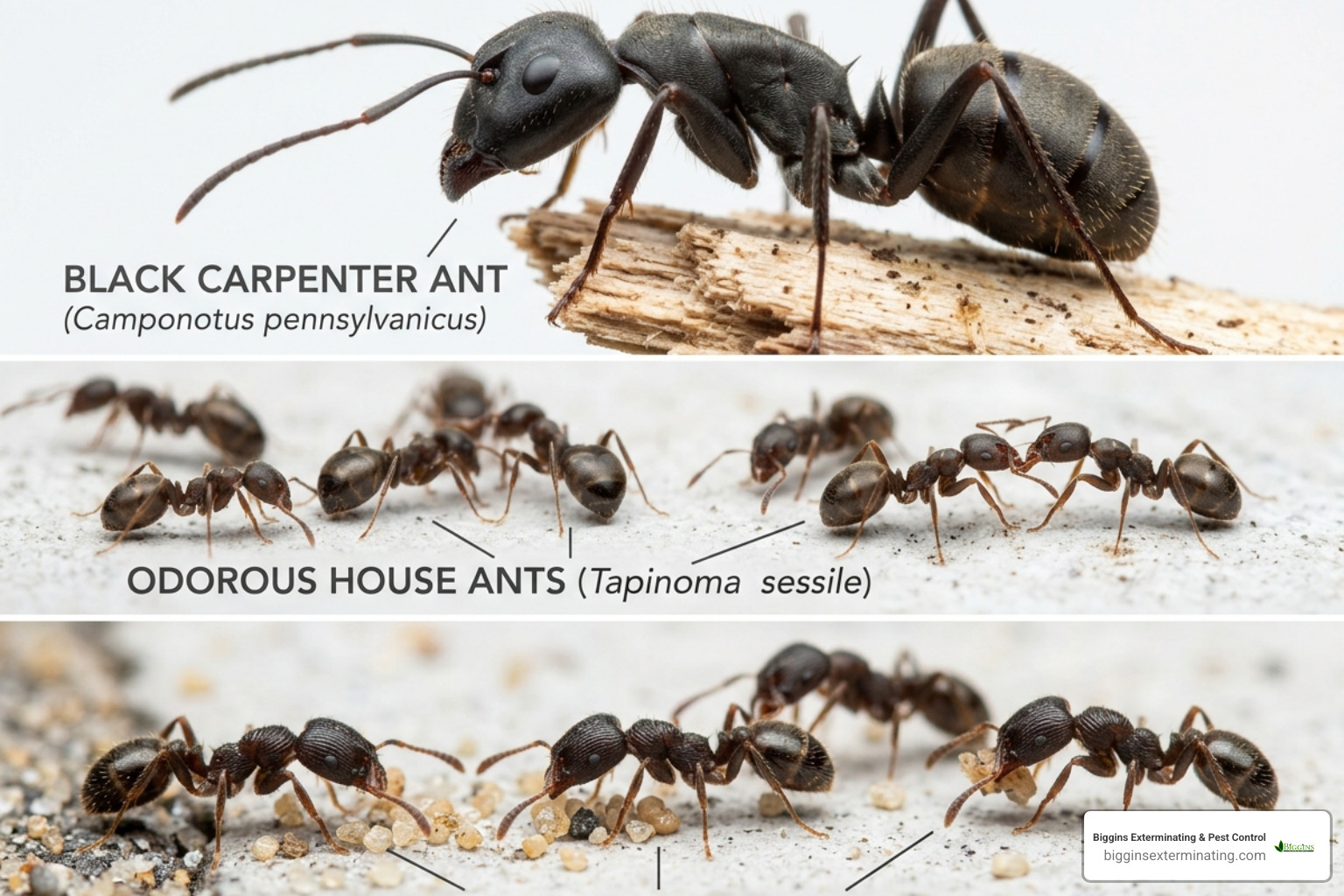
- Carpenter Ants: These are the “big guys,” measuring up to 5/8 of an inch. Unlike termites, they don’t eat wood; they hollow it out to create nests. If you see “frass” (sawdust-like debris), you likely have a structural issue.
- Odorous House Ants: Small, brownish-black ants that give off a rotten coconut smell when crushed. They are the most common “nuisance” ant in our area.
- Pavement Ants: Often found in basements or ground floors, these ants nest under slabs and move indoors through foundation cracks.
- Pharaoh Ants: Tiny, light-colored ants that are notorious for nesting indoors year-round. They are particularly tricky because they can “bud” (split into multiple colonies) if you use the wrong spray.
Distinguishing Nuisance Ants from Structural Threats
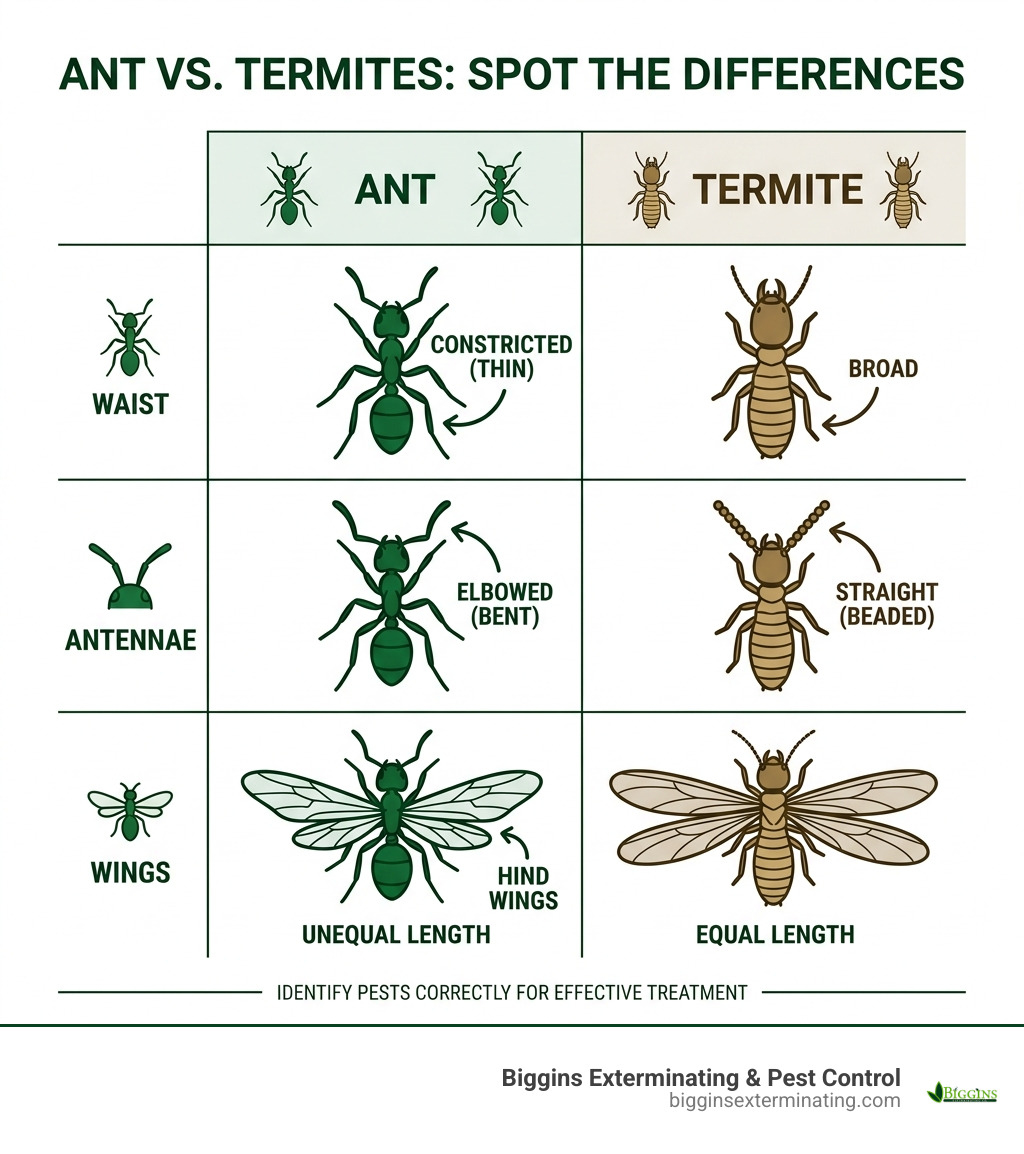
It is vital to tell the difference between a simple nuisance and a threat to your home’s integrity. Ants have a constricted “thin waist,” elbowed antennae, and hind wings smaller than their front wings. Termites, conversely, have broad waists and straight antennae.
Identifying the specific species is the first step in effective ant treatment at home. For instance, Exterminate Carpenter Ants Ultimate Guide explains that these wood-destroying pests require a much more aggressive approach than the tiny sugar ants on your counter.
| Feature | Ants | Termites |
|---|---|---|
| Waist | Constricted (Thin) | Broad |
| Antennae | Elbowed (Bent) | Straight (Beaded) |
| Wings | Unequal length | Equal length |
Seasonal Activity in April 2026
As we move through April 2026, the Massachusetts climate is the primary driver of ant behavior. Spring emergence happens as the ground thaws. Ants are hungry and looking for sugars to fuel the colony’s growth. Heavy spring rains can also flood outdoor nests, driving colonies into the dry, warm voids of your walls. Understanding this foraging behavior helps you place your treatments where they will actually be found.
Effective Ant Treatment at Home Strategies
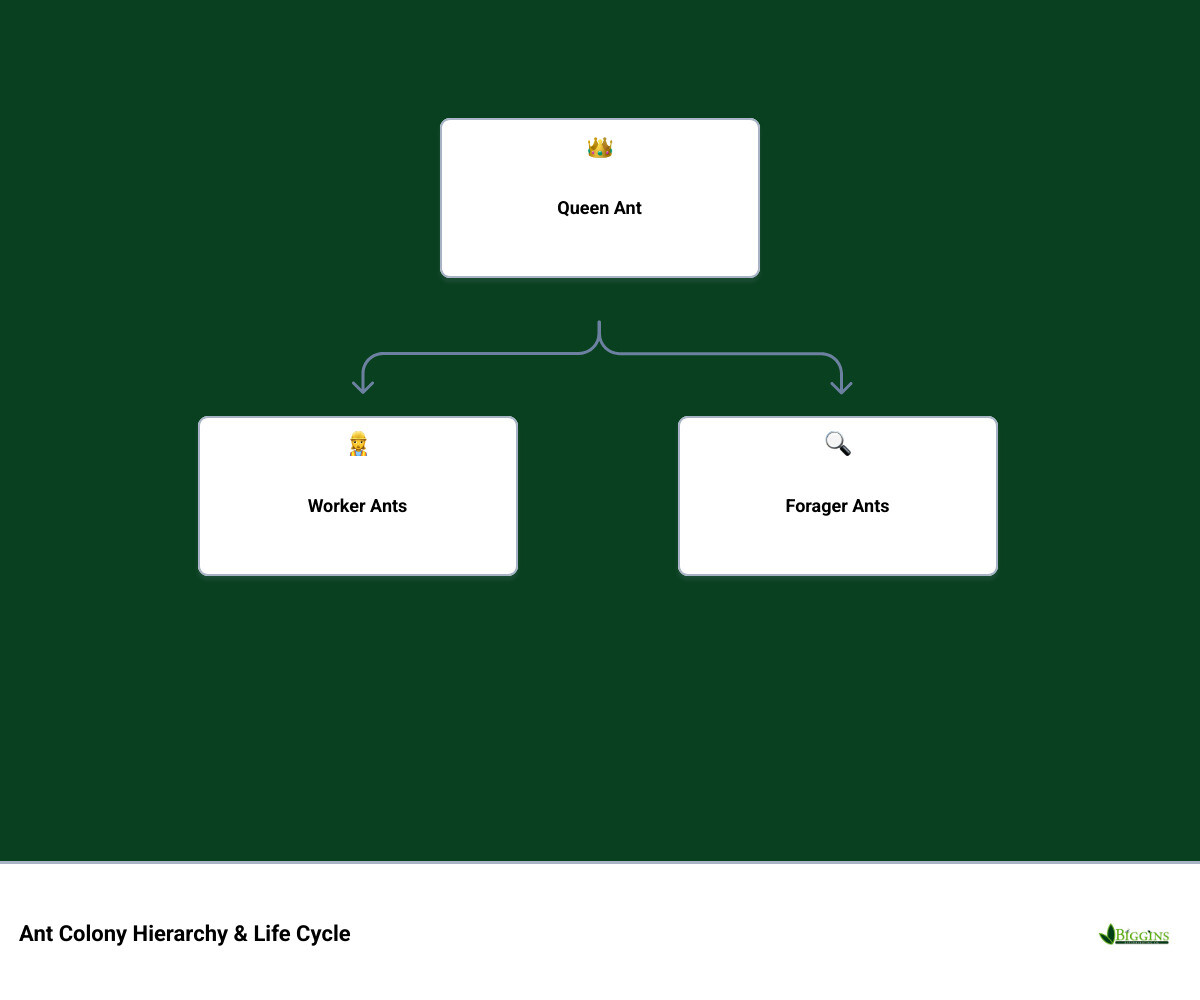
The biggest mistake homeowners make is reaching for a “contact kill” spray. If you spray a line of ants, you only kill the 10% that are foraging. The other 90%—including the queen—stay safe in the nest. To win the war, you must use the foragers to deliver the “medicine” to the heart of the colony.
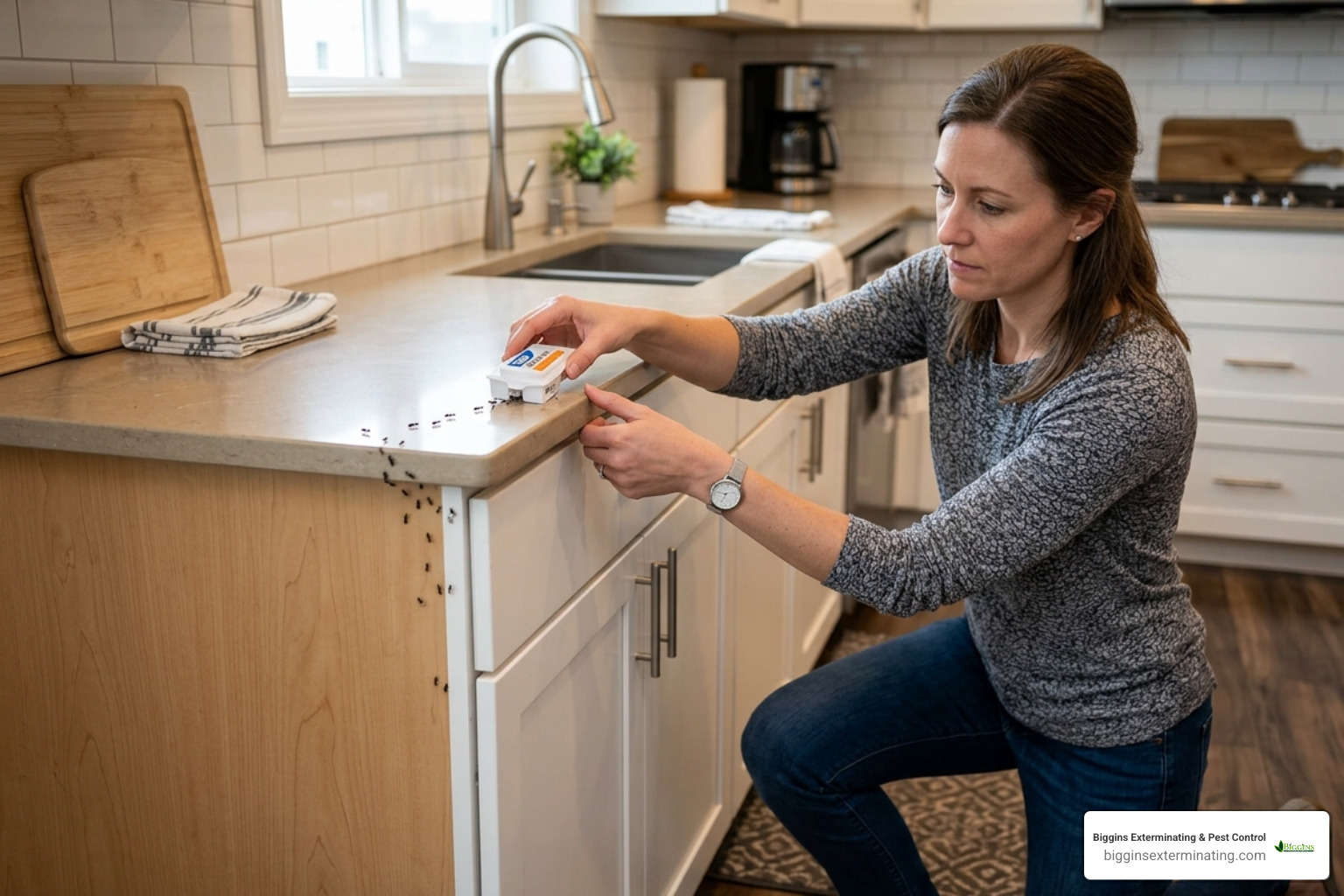
We recommend an Integrated Pest Management (IPM) approach. This means combining sanitation, exclusion, and targeted baiting. Science-backed How to Control Ants at Home strategies emphasize that baits are far superior to sprays because they exploit the ant’s social nature.
Choosing the Right Ant Treatment at Home Products
Not all baits are created equal. Depending on the species and the time of year, ants may crave sugar, protein, or fats.
- Liquid Baits: These are excellent for sweet-loving ants like Argentine or Odorous House ants. Products like TERRO use borate-based solutions that are low in toxicity but highly effective over time.
- Gel Applicators: Perfect for squeezing into cracks and crevices where you see ants entering.
- Granular Baits: Best for outdoor use around the perimeter of your home in Burlington or Lexington to stop the invasion before it starts.
For more detailed insights on product selection, check out our guide on Effective Ant Control.
Timing Your Ant Treatment at Home for Best Results
Patience is your best tool. Once you place bait, you will see more ants at first. This is a good thing! They are sharing the bait mouth-to-mouth with the colony. It typically takes 5 to 10 days to see a significant drop in numbers, and several weeks for total colony elimination. If you spray them during this window, you break the chain and the treatment fails.
Natural and DIY Remedies for Ant Control
If you prefer a greener approach or have small children and pets, several natural remedies can help manage the “scouts” before a full-blown infestation occurs.
- Diatomaceous Earth (DE): This is a non-toxic powder made from fossilized algae. It works by absorbing the oils in an ant’s exoskeleton, causing them to dehydrate. It’s not a poison, so it’s safe for humans, but it must stay dry to work.
- White Vinegar: A 50/50 mix of vinegar and water won’t kill the colony, but it is excellent for erasing pheromone trails.
- Essential Oils: Peppermint, tea tree, and lemon eucalyptus oils are known to repel ants. A 2020 study even confirmed that peppermint oil is effective at deterring certain invasive species.
You can find more Scientific research on natural ant repellents to see which DIY methods hold up to scrutiny.
Safe Application Around Pets and Children
Safety is our priority at Biggins Exterminating. When using ant treatment at home, keep borax-based baits and essential oils out of reach of pets. A clever trick for pet owners is the “moat” method: place your pet’s food bowl inside a slightly larger shallow tray filled with water and a drop of dish soap. Ants can’t swim across to get to the kibble.
Disrupting Pheromone Trails
Ants are like tiny commuters following a GPS. That GPS is a scent trail. By using glass cleaner or soapy water, you break that link. This is a key part of Indoor Ant Control—it prevents the “scouts” from calling in the reinforcements.
Sanitation and Prevention Steps for a Pest-Free Spring
The best ant treatment at home is making sure they never want to visit in the first place. Ants are simple creatures: they want food, water, and shelter.
- Airtight Containers: Don’t rely on chip clips. Use hard plastic or glass containers with gaskets.
- Moisture Control: Fix that leaky sink in the guest bath. Ants are often drawn to moisture as much as food.
- Daily Cleaning: Crumbs under the toaster are a five-star buffet for a pavement ant.
Sealing the Perimeter in Wilmington and Beyond
Your home in Wilmington, North Reading, or Tewksbury likely has tiny gaps around window frames or where utility lines enter the house. Ants can fit through a gap the thickness of a credit card. Use a high-quality silicone caulk to seal these entry points. For a deeper dive into protecting your specific area, see our Ant Control Services Complete Guide.
Landscaping and Yard Maintenance
Your yard is the front line. Keep mulch at least a foot away from your foundation and trim tree branches so they don’t touch your roof or siding. Ants often use branches as “highways” to bypass your ground-level defenses. Also, watch out for aphids on your shrubs; ants actually “farm” aphids for their sweet honeydew. Managing aphids can often solve your ant problem. Learn more about Natural Ant Control Outside.
When to Call a Professional Exterminator
Sometimes, DIY isn’t enough. If you’ve been baiting for two weeks and the ants are still winning, or if you see large, winged ants (swarmers) inside, it’s time to call in the pros.
Persistent infestations often mean the nest is located deep within a wall void or under a concrete slab where home baits can’t reach. Furthermore, if you suspect carpenter ants, the risk of structural damage makes professional intervention a necessity. As the UC Statewide IPM Program notes, total elimination of ants outdoors is impossible, but a pro can ensure they stay out of your living space.
Understanding Professional Treatment Costs
We believe in transparency. While we don’t require contracts at Biggins Exterminating, many people wonder about the cost. Based on average internet data, professional ant treatments can range from $150 to $600+ depending on the severity and the size of the home. Always remember that these are average costs and not our specific pricing, but we provide a wide range to help you budget. For more details, see our Ant Exterminator Prices Complete Guide.
Expert Solutions for Local Massachusetts Communities
We have been a part of this community for over four decades. Whether you need an Ant Exterminator in Billerica Ma or Ant Control in North Andover, we understand the specific housing stock and pest patterns of:
- Andover & North Reading
- Bedford & Lexington
- Billerica & Burlington
- Tewksbury & Wilmington
- Woburn
Frequently Asked Questions about Ant Treatment
How long does it take for ant baits to work?
Typically, you will see a reduction in 5 to 10 days. Total colony elimination can take up to three weeks because the workers must feed the bait to the larvae and the queen.
Why do ants keep returning to my kitchen?
Usually, this means a pheromone trail wasn’t properly cleaned, or there is an undiscovered food source (like a spill behind the stove). It could also mean the main colony is outside and new “scouts” are finding the same entry points.
Are home ant treatments safe for my dog or cat?
Most store-bought baits are enclosed in plastic stations to prevent pet access. However, “natural” remedies like essential oils can be toxic to cats if ingested or applied to the skin. Always read labels and keep products out of reach.
Conclusion
At Biggins Exterminating & Pest Control, we’ve spent 40 years helping our neighbors in Wilmington and the surrounding towns win the war against pests. We are family-owned and operated, and we take pride in offering reliable service without the headache of long-term contracts.
If your ant treatment at home efforts aren’t giving you the peace of mind you deserve, we are here to help. From one-time treatments to seasonal protection, our goal is your total satisfaction. Contact us for professional ant extermination and let’s get those uninvited guests out of your home for good.
