
Why Every Home Needs a Rodent Control Strategy
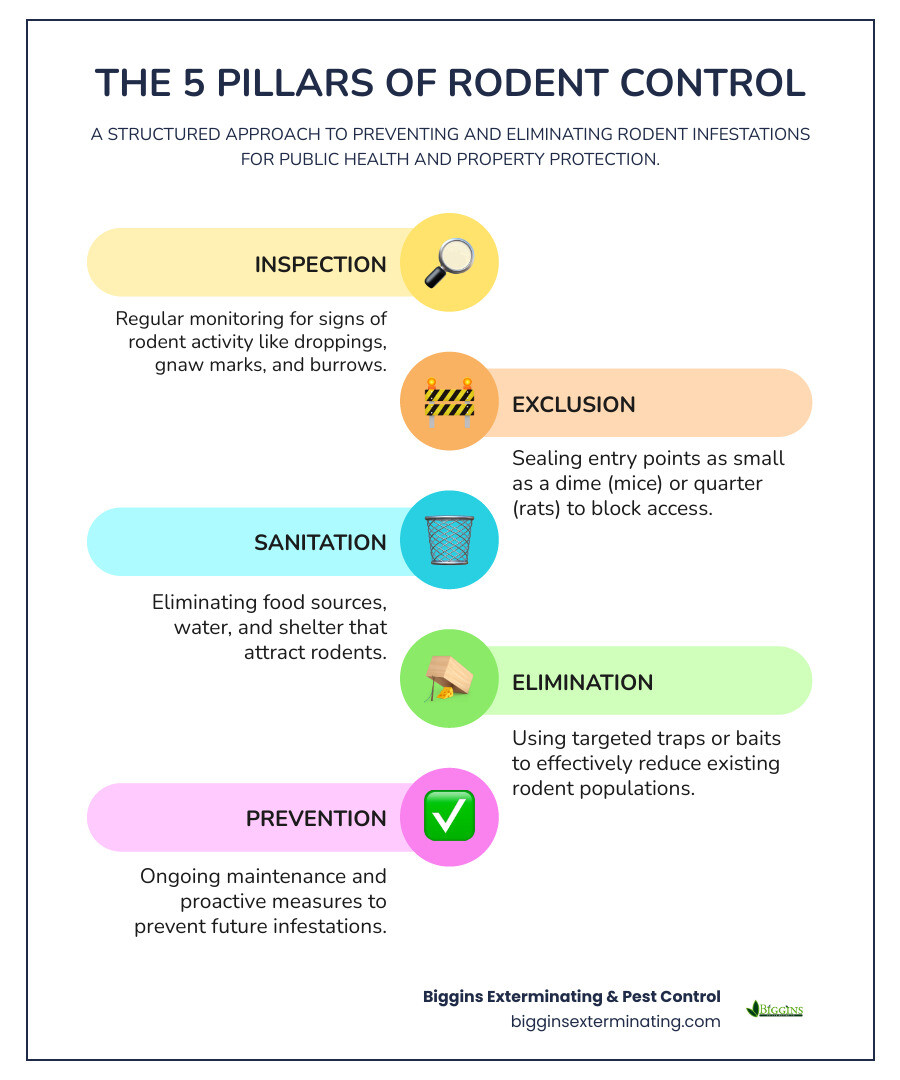
A Rodent control program is a structured approach to preventing and eliminating rodent infestations. These programs protect public health by reducing disease transmission and property damage through a combination of inspection, exclusion, sanitation, and targeted elimination.
Key components include:
- Inspection: Monitoring for signs of rodent activity.
- Exclusion: Sealing entry points as small as a dime.
- Sanitation: Removing food, water, and shelter that attract rodents.
- Elimination: Using traps or baits to reduce existing populations.
Rodents are more than a nuisance; they destroy property, contaminate food, and carry diseases like hantavirus and salmonellosis. In Massachusetts, the fall season is a critical time to act as rodents seek warm shelter for winter.
Understanding how professional rodent control programs work gives you the knowledge to protect your property effectively. At Biggins Exterminating, we’ve spent over four decades helping Massachusetts families with proven Rodent control program principles. Our family-owned approach prioritizes education, ensuring you understand every step of protecting your home.
Understanding the Enemy: Identifying Rodents and Their Risks
You can’t fight what you don’t understand. That’s the first rule of any effective Rodent control program. Rodents are searching for food, water, and shelter, and your Massachusetts home offers all three, especially as autumn arrives and cold nights signal that winter is coming.
These adaptable creatures have survived alongside humans for thousands of years. But knowledge is power, and understanding your opponent is the critical first step in protecting your home.
Know Your Foe: Rats vs. Mice
Not all rodents are created equal. Knowing whether you’re dealing with mice or rats is crucial for your Rodent control program. Think of mice as curious explorers, while rats are cautious strategists. This difference in behavior changes how you approach control.
| Feature | Mice (e.g., House Mouse) | Rats (e.g., Norway Rat, Roof Rat) |
|---|---|---|
| Size | Small, 6-7 inches long (including tail) | Larger, 12-18 inches long (including tail) |
| Snout | Pointed | Blunter |
| Ears | Larger relative to head, more floppy | Smaller relative to head |
| Tail | Thin, hairy | Thicker, scaly, often as long as or longer than body |
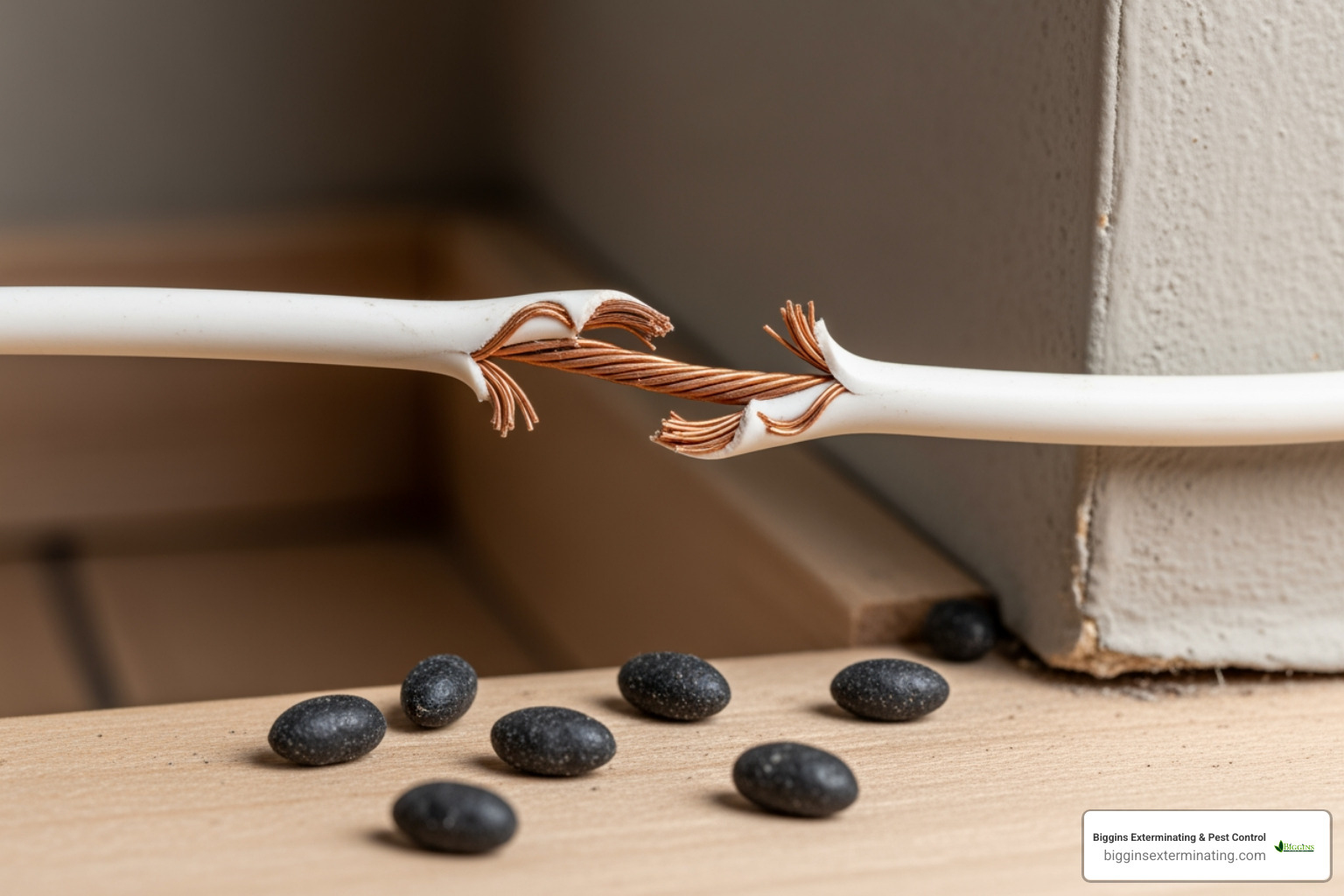
| Droppings | Small, 1/4 inch long, pointed ends | Larger, 1/2 to 3/4 inch long, blunt or pointed ends depending on species |
| Entry Point | Can squeeze through openings as small as a dime (1/4 inch) | Can enter through gaps as small as a quarter (1/2 inch) |
| Reproduction | Very high: 6-10 litters/year, 5-6 babies/litter, mature in 6-10 weeks | High: 3-9 litters/year, 4-12 pups/litter, mature in 3 months |
| Behavior | Inquisitive, explore widely, nibble many food sources | Cautious (neophobic), creatures of habit, hoard food, prefer defined paths |
| Travel Range | Typically 30 feet or less from nest | Norway rats: ~150 feet (up to a mile if stressed); Roof rats: ~300 feet |
| Habitat | Nest in hidden, enclosed spaces (walls, cabinets, appliances) | Norway rats: burrowers, prefer ground level; Roof rats: climbers, prefer attics, trees |
This means a mouse will investigate a new trap out of curiosity, while a rat may avoid it for weeks due to neophobia (wariness of new objects). The high reproduction rates also highlight the need for early intervention. For a deeper look at local species, see our guide on identifying and preventing rodent infestations in Massachusetts.
Telltale Signs of an Infestation
Rodents are nocturnal but leave behind plenty of evidence. Knowing what to look for is key.
- Droppings: This is often the first sign. Mouse droppings are small like grains of rice, while rat droppings are larger. Fresh droppings are dark and soft.
- Gnaw marks: Rodents must constantly chew to wear down their teeth. Look for damage on food packaging, wood, plastic pipes, and especially electrical wires, which pose a serious fire hazard.
- Rub marks: Greasy, dark smudges along walls and pipes are “rodent highways” created by oils in their fur.
- Nests: Check secluded spots like attic corners, behind appliances, or in wall voids for shredded paper, fabric, or insulation.
- Burrows: Norway rats dig tunnels along foundations, under sheds, or in compost piles. Look for 2-4 inch holes.
- Pet behavior: If your dog or cat is suddenly obsessed with a particular wall or space, they may be detecting rodents.
- Sounds and smells: Listen for scratching or scurrying in walls and ceilings at night. A strong, musky urine odor in enclosed spaces can signal a heavy infestation.
Catching these signs early makes a huge difference. For more details, explore our guide on signs that you have a pest infestation.
The Dangers Lurking in the Shadows
Rodents are genuinely dangerous to your health and home, which is why control is a public health priority.
Disease transmission is a top concern. Rodents can spread over ten diseases through bites, urine, and feces. In Massachusetts, we worry about Hantavirus, which can cause severe respiratory illness, Leptospirosis, which can lead to liver and kidney damage, and Salmonellosis, a bacterial infection from contaminated food.
Rodent dander, urine, and droppings are also potent allergens and asthma triggers, especially for children.
Property destruction is equally serious. Gnawed electrical wiring is a documented fire risk. Rodents also damage wood, pipes, and insulation, compromising your home’s structure and energy efficiency. They contaminate far more food than they eat, leaving behind droppings and hair that require you to discard entire packages.
These are the realities of why a proactive Rodent control program is essential. It’s about protecting your family’s health and your home’s safety. For more on these risks, read our article on the top 5 dangers of rodents in and around your home or business.
The Anatomy of an Effective Rodent Control Program
Think of a Rodent control program as a well-orchestrated defense system that actively prevents rodents from becoming a problem. Whether for a single home or an entire community, the foundation is the same: understand the threat, take targeted action, and prevent recurrence.

The Primary Goal: Protecting Public Health
Rodent control isn’t just about rodents—it’s about protecting your health, safety, and community well-being. The primary goal is to control disease transmission by limiting rodent populations and eliminating the conditions that let them thrive. This involves removing existing rodents, fixing environmental issues, and educating the community on prevention.
Key Elements of a Community Rodent Control Program
While we focus on individual properties, it’s helpful to understand broader community efforts. Local health departments often conduct field inspections to identify problem areas like unmanaged trash or overgrown vegetation. Property owners may receive abatement orders requiring them to fix these issues.
Your town also provides public resources on proper waste disposal and how to report rodent concerns, usually found on your town’s website. Reporting a serious problem in a public space helps protect your entire neighborhood.
Implementing an IPM Approach
At Biggins Exterminating, our approach is built on Integrated Pest Management (IPM). This common-sense method prioritizes long-term prevention and uses the safest, most effective control measures by addressing the root causes of rodent problems.
IPM involves four key steps:
- Sanitation: Eliminating food, water, and shelter.
- Exclusion: Sealing all potential entry points into your home.
- Lethal Control: Using targeted methods like traps or, when necessary, carefully managed rodenticides.
- Occupant Education: Empowering you to be an active partner in keeping your property rodent-free.
This multi-layered strategy is especially critical in the fall as rodents seek winter shelter. It’s far more successful than any single method alone. To learn more about the techniques we use, visit our page on effective rodent control methods.
Your First Line of Defense: Prevention and DIY Control
The best Rodent control program is prevention. It protects your family’s health and avoids the stress of an infestation. As fall temperatures drop in Massachusetts, rodents are actively searching for winter shelter, making now the perfect time to strengthen your home’s defenses.
Building Your Personal Rodent Control Program with Sanitation
Sanitation removes the welcome mat for rodents by eliminating their access to food, water, and shelter.
- Trash Storage: Use sturdy garbage cans with tight-fitting lids. Secure outdoor bins and don’t let trash bags pile up.
- Pet Food & Birdseed: Feed pets indoors and remove uneaten food promptly. Store dry food in metal or thick plastic containers.
- Yard Maintenance: Promptly clean up dog feces, which can attract rats. Manage compost piles with enclosed, off-ground bins and avoid adding meat or dairy. Harvest ripe fruits and vegetables from your garden and clear away fallen produce.
- Declutter: Organize your garage, shed, attic, and basement. Keep items off the floor and away from walls to eliminate hiding spots. Remove leaf piles and debris from near your foundation.
For a complete guide, check out our winter pest control checklist.
Rodent-Proofing: Sealing Entry Points for Good
A mouse can squeeze through a dime-sized hole (1/4 inch), and a rat through a quarter-sized one (1/2 inch). Exclusion—physically blocking entry—is the most effective long-term strategy in any Rodent control program.
- Inspect Your Exterior: Walk around your foundation and check where utilities (pipes, wires, cables) enter the house for any gaps.
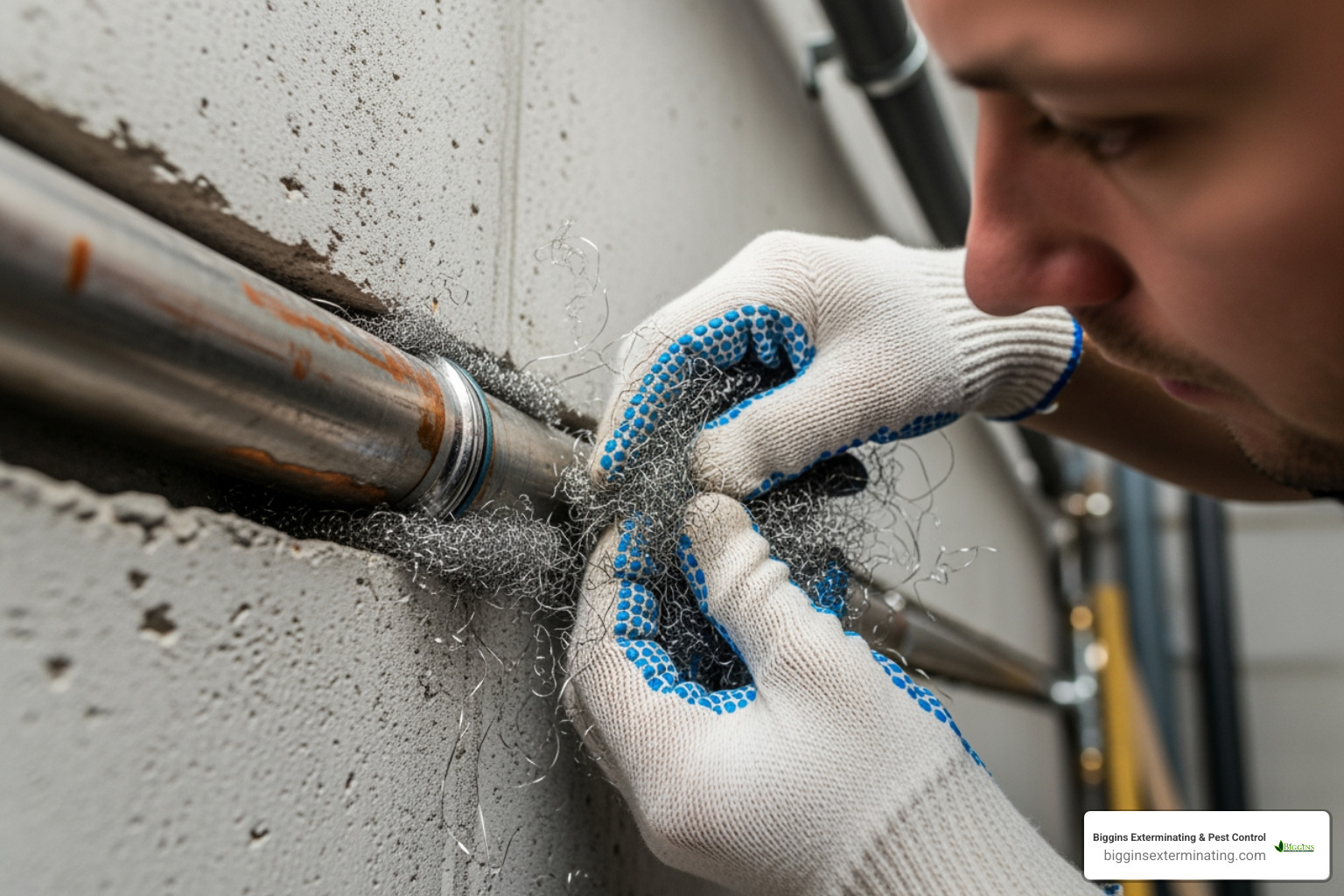
- Seal Openings: Use rodent-proof materials like steel wool, hardware cloth (1/4-inch wire mesh), cement, or metal flashing. Don’t rely on foam alone, as rodents can chew through it.
- Secure Doors and Windows: Install door sweeps and weather stripping to ensure a tight fit. Check that your garage door seals firmly against the ground and side frames.
- Screen Vents: Cover foundation vents, attic vents, and chimney openings with heavy-duty hardware cloth.
- Manage Vegetation: Trim tree branches and shrubs so they are at least 6 feet from your roof and utility lines. Keep a clear 12-18 inch zone around your foundation.
- Store Firewood Properly: Keep firewood and other stored materials at least 18 inches off the ground and away from walls.
For more details on the most common invader, visit our guide on house mice control.
Physical and Mechanical Controls
When rodents get in, traps are your safest and most effective indoor option.
- Snap Traps: These are the gold standard. Use enough of them—placed about 3 feet apart for mice and 10-15 feet for rats. Place them perpendicular to walls where you’ve seen activity. Bait with peanut butter, chocolate, or nesting materials.
- Electronic Traps: These use an electric shock for a quick kill and often have indicator lights.
- Live Traps: These require you to handle a live rodent and release it several miles away from any residential area.
- Glue Boards: We generally don’t recommend these as they can be inhumane and trap non-target animals.
Always place traps where children and pets cannot access them.
When to Consider Chemical Controls (Rodenticides)
Rodenticides should be a last resort due to serious risks. The biggest concern is the poisoning of non-target animals, including children, pets, and wildlife like owls and hawks. Poisoned rodents often die inside walls, creating terrible odors.
If you must use rodenticides, the law requires them to be placed in tamper-resistant bait stations. These boxes allow rodents in while keeping others out. Always read and follow the label instructions completely—the label is the law. Many of the most effective products are restricted to licensed professionals for a reason. For more information, the National Pesticide Information Center offers guidance at npic.orst.edu.
In our experience, prevention and exclusion are far superior to poisons for a safe and permanent solution.
The Aftermath: Safe Cleanup and Future-Proofing
You’ve won the battle against your rodent invaders—congratulations! But before you celebrate too much, there’s one crucial step remaining. The cleanup phase is every bit as important as the control phase itself. Rodent droppings, urine, and nesting materials aren’t just unpleasant; they can harbor dangerous pathogens like hantavirus, leptospirosis, and salmonella. Proper cleanup protects your family’s health, while future-proofing ensures those unwelcome guests don’t return as the Massachusetts winter approaches.

Step-by-Step Guide to Safely Cleaning Up
Never sweep or vacuum dry droppings, as this can stir up hazardous dust. Follow this wet-cleaning method instead.
- Gear Up: Wear rubber gloves. For heavy infestations, add a respirator with a HEPA filter and goggles.
- Ventilate: Open windows and doors for at least 30 minutes before you begin.
- Disinfect: Prepare a solution of 1.5 cups of bleach per gallon of water or use a commercial disinfectant.
- Soak and Wipe: Generously spray droppings and urine stains. Let it soak for 5 minutes. Use paper towels to wipe up the waste, then place it in a sealed plastic bag for disposal.
- Mop Surfaces: After removing visible waste, mop or sponge the entire area with more disinfectant.
- Wash Hands: After removing gloves, wash your hands thoroughly with soap and water.
For more details, the CDC offers a comprehensive guide on cleaning up after rodents.
Cleaning Specific Areas After an Infestation
- Homes and Outbuildings: Ventilate thoroughly before entering. Discard heavily contaminated items like cardboard boxes that cannot be properly cleaned.
- Vehicles: Air out the car, boat, or RV completely. Check under the hood and in air filters for nests. Disinfect all surfaces before vacuuming. If the ventilation system is contaminated, call a professional.
- Air Ducts/HVAC: If you suspect rodents have been in your ductwork, do not clean it yourself. Contact a professional duct cleaning company to avoid circulating harmful particles throughout your home.
- Fabrics: Launder clothing, bedding, and stuffed animals in hot water and dry on high heat.
- Carpets/Upholstery: Use a commercial disinfectant shampoo or steam cleaning.
- Books and Papers: Leave non-washable items in direct sunlight for several hours or store them in a rodent-free area for several weeks to allow any potential viruses to die off.
When choosing products, use EPA-registered disinfectants to ensure they are effective.
Special Precautions for Heavy Infestations
For extensive contamination, especially in a vacant dwelling, the risks are much higher. You will need upgraded personal protective equipment (PPE), including disposable coveralls, rubber boots, and a HEPA-filter respirator. In these situations, professional assistance is essential. At Biggins Exterminating, we have the training and equipment to manage large-scale cleanups safely. If you feel overwhelmed, trust your instincts and call for help. A comprehensive Rodent control program doesn’t end with elimination—it includes safe, thorough cleanup that protects your family’s health.
Conclusion: When Professional Help is the Best Solution
We’ve covered the essentials of an effective Rodent control program, from identification and sanitation to exclusion and cleanup. A comprehensive approach is always the most successful. While many minor issues can be handled with DIY methods, there are times when calling a professional is the necessary choice.
Consider professional help if you experience:
- Persistent activity despite your best efforts.
- Large infestations, indicated by signs of rodents in multiple rooms or numerous daily droppings.
- Health concerns, such as family members with respiratory issues or droppings near food prep areas.
- Inaccessible nesting areas like inside walls, deep in attics, or in crawl spaces.
A professional Rodent control program doesn’t just eliminate the current problem; it focuses on preventing recurrence. We identify all vulnerabilities, understand local rodent behavior, and provide ongoing monitoring to ensure your home stays protected. This is especially valuable during the fall and winter in Massachusetts, when rodent pressure is at its peak.
At Biggins Exterminating, we’ve spent over 40 years protecting homes throughout Andover, Bedford, Billerica, Burlington, Lexington, North Reading, Tewksbury, Wilmington, and Woburn. As a family-owned business, we understand your home is your sanctuary. We offer reliable rodent control services without long-term contracts and stand behind our work with solid warranties.
When a rodent problem is keeping you up at night, don’t hesitate to reach out. We’re here to help you reclaim your home and restore your peace of mind. Sometimes the best DIY decision is knowing when to call in the experts.
