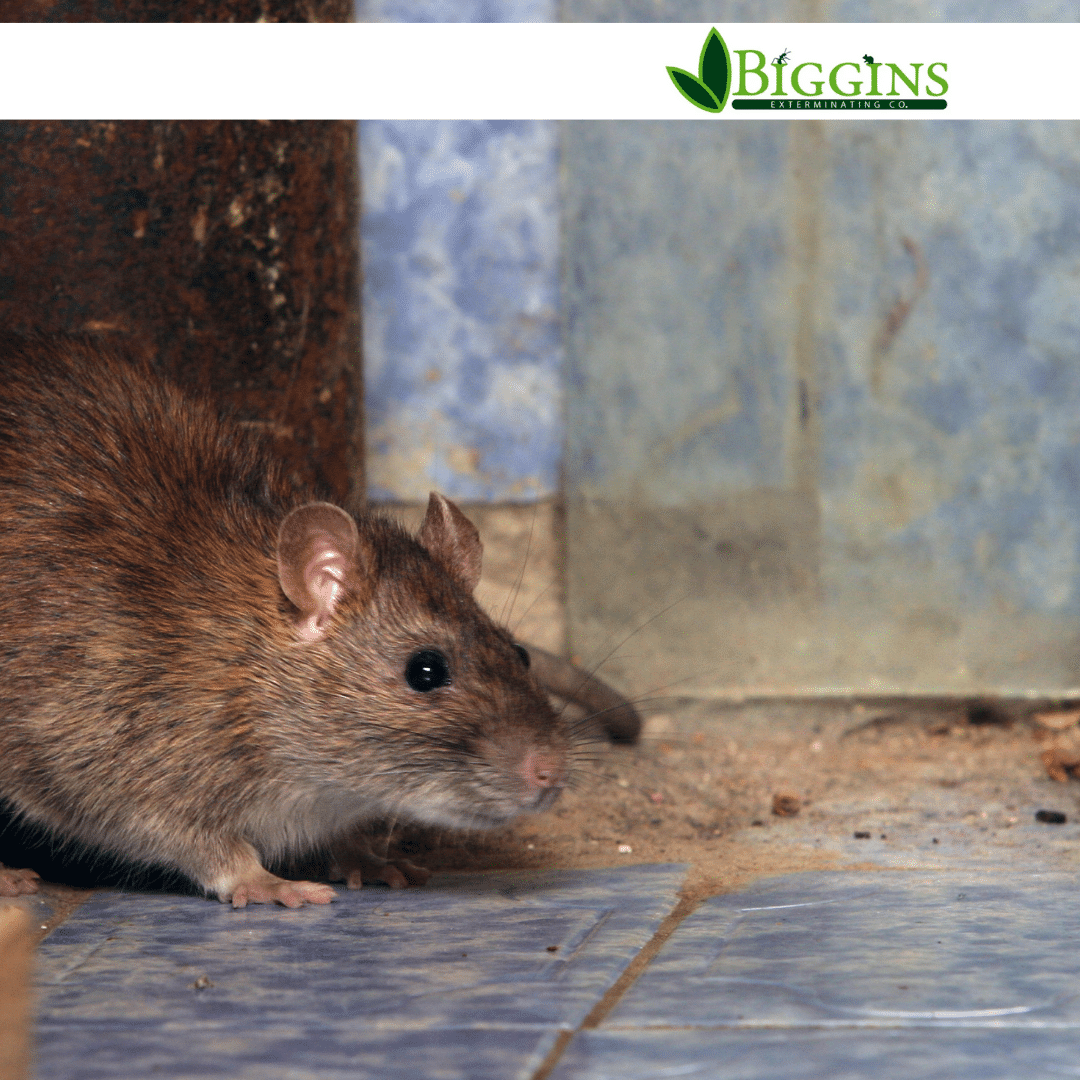
The Alarming Reality of Finding Rats in Your Attic
Rats in attic spaces are a serious problem demanding immediate attention. If you’re hearing scratching sounds at night or finding droppings, you need to act fast.
Quick Action Steps:
- Confirm the infestation – Look for droppings, gnaw marks, and grease trails.
- Find and seal entry points – Rats can squeeze through holes as small as a quarter.
- Set snap traps along walls and known runways (avoid poison).
- Clean and disinfect the entire area wearing proper protective gear.
- Prevent future invasions by eliminating food sources and maintaining your property.
Hearing scurrying sounds from above is an unsettling findy for any homeowner. In Massachusetts, this becomes more common as fall turns to winter and rats seek warm shelter, making your attic prime real estate.
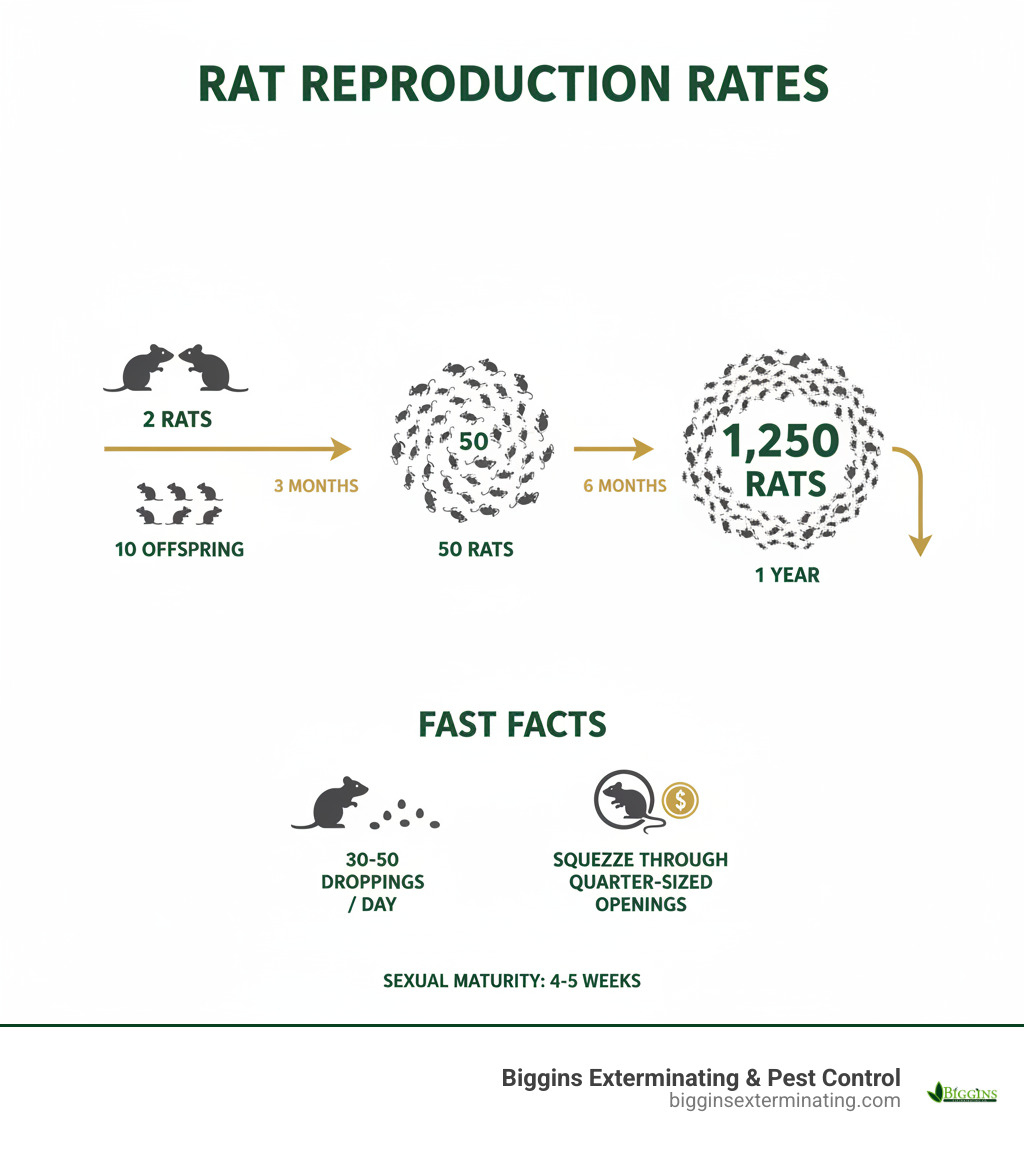
The stakes are high. A single pair of rats can produce 1,250 offspring in one year, and they pose serious health risks through diseases like hantavirus. They also threaten your home’s safety by chewing through electrical wires, creating fire hazards, and destroying insulation.
This guide will walk you through identifying, removing, and preventing rat infestations in your attic.
I’m Stephen Biggins, owner of Biggins Exterminating Co. Since 1982, our family has helped Massachusetts homeowners solve their rats in attic problems. With over four decades of experience in Wilmington and surrounding areas, I know how to stop a small problem from becoming a major infestation for good.
Step 1: Confirming the Invasion – Signs and Species
Before you can solve a rat problem, you must confirm you have one. As winter settles into Massachusetts, rats desperately seek warmth, and your insulated attic is a prime target. They leave behind a clear trail of evidence.
Telltale Signs of Rats in Your Attic
- Scratching and scurrying sounds from above, especially at night when rats are most active.
- Droppings are definitive evidence. A single rat produces 30-50 droppings daily. Their shape helps identify the species.
- Gnaw marks on wires, wood, pipes, and stored items are a serious red flag. Rats’ teeth grow constantly, so they chew on anything available.
- Nests made from shredded insulation, paper, or fabric tucked into warm, hidden corners.
- Greasy rub marks along walls and beams. These dark smudges are left by the oils and dirt on their fur as they travel the same routes repeatedly.
- A musky odor from rat urine, which grows stronger as the infestation worsens and attracts more rats.
- Footprints or tail drags in dusty areas can also reveal their presence.
Roof Rats vs. Norway Rats: Know Your Enemy
In Massachusetts, we primarily deal with two rat species. Knowing which one has invaded your attic is key, as their behaviors affect trapping and exclusion strategies.
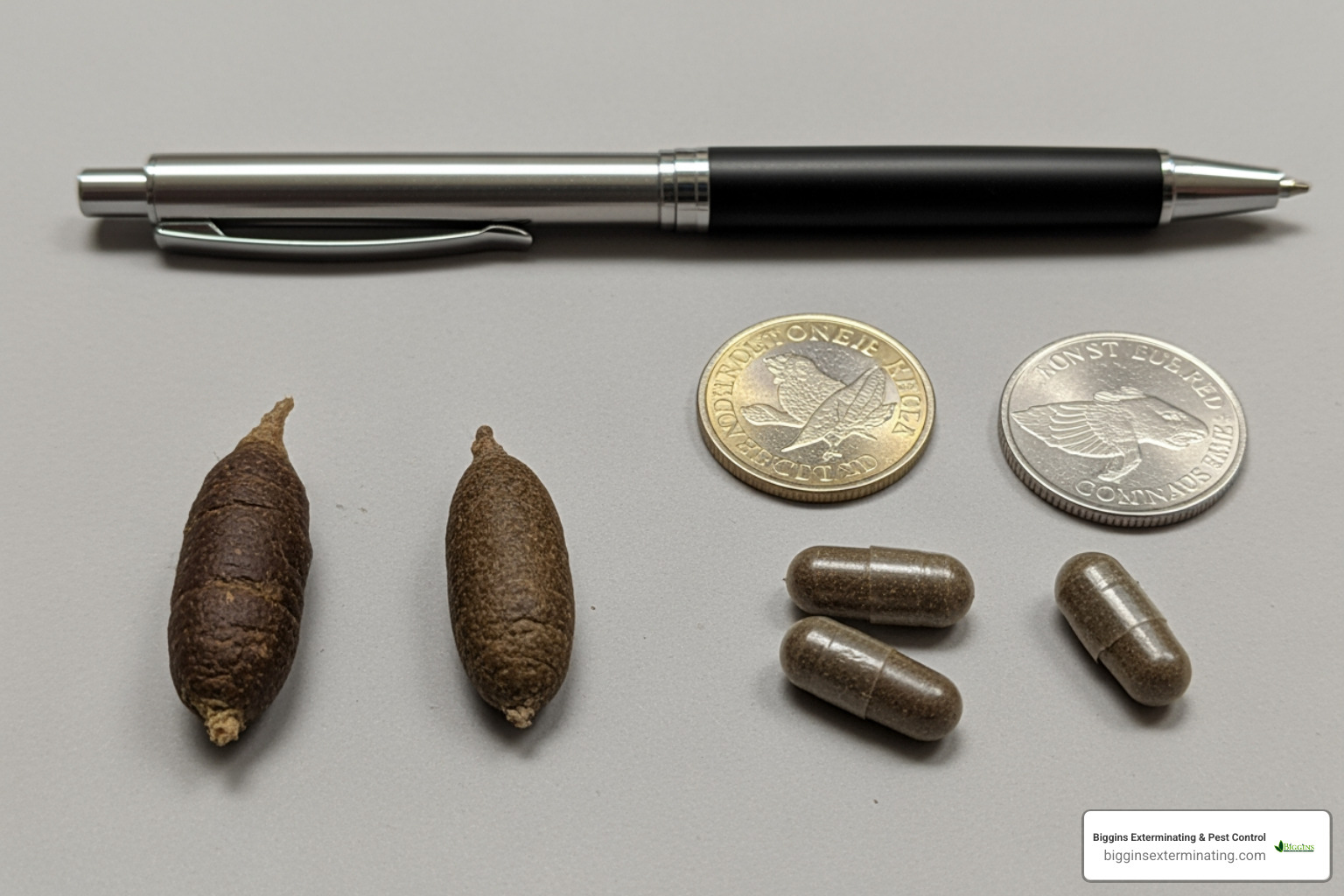
Roof Rats: These are slender, agile climbers with long tails, large ears, and pointed snouts. Also called black rats, they love high places like attics and rafters. Their droppings are about half an inch long and pointed at the ends.
Norway Rats: These are stockier, ground-dwelling rodents with shorter tails, smaller ears, and blunt snouts. Also known as brown rats, they are excellent burrowers and are typically found in basements or crawl spaces. Their droppings are larger, about three-quarters of an inch long, and capsule-shaped with rounded ends.
While Norway rats prefer lower levels, both species will inhabit an attic in winter. Roof rats climb up from the outside, while Norway rats may find their way up through interior walls. Understanding the species helps you locate entry points and place traps effectively. For more detail, the Surveillance and Management of Common Structure-Invading Rats | NC State Extension Publications is an excellent resource.
If you’ve confirmed you have rats in your attic, it’s time to find and seal every possible entry point.
The High Stakes: Dangers of an Attic Rat Infestation
Finding rats in your attic is more than just unsettling; it’s a genuine threat to your family’s health and your home’s safety. The damage goes far beyond a few chewed boxes. Rats actively destroy property, spread disease, and create hazards that put your household at risk. For a deeper look, visit our page on the Top 5 Dangers of Rodents in and Around Your Home or Business.
Serious Health Risks for Your Family
Rats carry diseases that can seriously harm your loved ones. The spread of these illnesses can be indirect and surprisingly easy.
- Hantavirus: A potentially fatal respiratory disease spread by breathing in airborne particles from dried rat droppings, urine, or nesting materials. No direct contact with a rat is required.
- Leptospirosis: A bacterial infection that can lead to kidney damage, liver failure, or meningitis. It’s contracted through contact with water or soil contaminated by rat urine.
- Salmonella: This bacteria is spread through droppings, contaminating surfaces and stored food, which can cause serious gastrointestinal illness.
- Allergies and Asthma: Rat droppings and urine can exacerbate asthma and trigger allergic reactions, degrading your home’s indoor air quality.
Additionally, rats often carry fleas, ticks, and mites that can infest your home and create further health problems for your family and pets.
Can Rats in the Attic Cause Structural Damage?
Absolutely. Rats’ constantly growing teeth mean they gnaw on everything they encounter, leading to serious and expensive damage.
- Electrical Wires: Rats’ favorite chewing material. Gnawed wires expose live components, creating a major fire hazard that puts your entire home at risk.
- Insulation Damage: Rats tear apart insulation for nests and soil it with waste. This compromises your home’s energy efficiency, leading to higher heating bills.
- Structural Supports: Over time, rats can weaken wooden beams, rafters, and joists by gnawing on them, potentially compromising your home’s structural integrity.
- Plumbing: Rats can chew through PEX and copper pipes, causing water leaks that lead to mold and drywall damage.

The contamination from rat waste permeates everything, and soiled insulation often requires complete removal and replacement. The hidden damage accumulates quickly, turning a minor nuisance into a major renovation project.
Your Action Plan for Getting Rid of Rats in the Attic
Once you understand the signs and dangers of rats in your attic, it’s time for action. A systematic approach is key to reclaiming your attic. Our process, refined over four decades, follows a specific order: seal entry points, trap the rats inside, clean up the mess, and prevent future invasions. Skipping a step will likely lead to a recurring problem. For more on our approach, see our page on Effective Rodent Control Methods.
Step 2: Find and Seal Every Entry Point
This is the most critical step. If you don’t seal off how rats are getting in, you’ll never solve the problem. Rats can squeeze through openings as small as a quarter, so a thorough inspection is non-negotiable.
Inspect your home’s exterior from the roofline down. Pay close attention to:
- Gaps where the roof meets the fascia (eaves and soffits).
- Damaged or unscreened attic, dryer, and plumbing vents.
- Uncapped chimneys.
- Openings where utility lines (pipes, cables) enter the home.
- Cracks in the foundation or siding.
To seal these vulnerabilities, use materials rats can’t chew through. For small cracks, pack steel wool into the opening and seal it with caulk. For larger openings like vents, use heavy-gauge galvanized hardware cloth (quarter-inch mesh). Use sheet metal or cement for bigger gaps and foundation cracks. Do this sealing work before you start trapping to prevent new rats from entering. This principle is central to Keeping Your Home Mouse-Proof: A Winter Pest Control Checklist.
Step 3: Trapping, Not Poisoning, for Effective Removal
With the attic sealed, you can now remove the rats inside. We strongly recommend traditional snap traps as the most effective and humane solution.
Snap traps kill rats quickly and allow you to confirm removal, which prevents odor problems from hidden carcasses. Placement is key. Set traps perpendicular to walls where you’ve seen droppings or greasy rub marks, with the bait end facing the wall. Rats are cautious and prefer to travel along these runways.
For bait, peanut butter is ideal because it’s sticky and aromatic. Bacon, dried fruit, or nuts also work well.
We never recommend poison. A poisoned rat will likely die in an inaccessible place like a wall void, leading to a horrific, lingering odor that can last for weeks. Removing the carcass often requires cutting into walls. Poison also poses a serious risk of secondary poisoning to pets and local wildlife like owls and hawks. Finally, it causes a slow, inhumane death. Our Humane Rat Extermination: Complete Guide details why trapping is the superior method.
Set multiple traps and check them daily to remove carcasses and reset them promptly.
Step 4: The Critical Cleanup and Decontamination Process
Once the rats are gone, the cleanup phase begins. Your attic is contaminated with droppings, urine, and pheromone trails that attract new rodents. This step is critical for your family’s health. Learn more on our Rat Infestation Extermination page.
First, protect yourself. Wear a high-quality respirator or N95 mask, gloves, and protective eyewear. Never dry sweep or vacuum droppings, as this makes dangerous particles airborne. Instead, spray all contaminated surfaces with a disinfectant (one part bleach to nine parts water), let it soak for five minutes, and then wipe clean.
Heavily soiled or damaged insulation should be removed and replaced. This eliminates waste and allows for a more thorough inspection and cleaning. To eliminate odors and the pheromone trails that attract other rats, use an enzyme-based cleaner. These products break down the biological compounds causing the smell.
After cleaning, wash your hands and clothing thoroughly. For detailed safety information, the CDC offers Guidance on cleaning up after a rodent infestation. Given the health risks, professional cleanup is often the safest and most effective option.
Step 5: Long-Term Prevention to Keep Rats Out for Good
You’ve evicted the rats, but they will return if you give them a reason. Prevention is where many people drop the ball, but it’s the key to a long-term solution. As winter settles over Massachusetts, rats will be looking for shelter. Your goal is to make your property as unappealing as possible. Our guide on Winter Mouse Prevention 101: Expert Tips from Exterminators has tips that work for rats, too.
Rodent-Proofing Your Property’s Exterior
Your yard is the first line of defense. Eliminate the easy access, food, and shelter that rats seek.
- Trim tree branches that hang within five feet of your roofline. Roof rats use these as a bridge to your attic.
- Secure your garbage in sturdy metal or heavy-duty plastic cans with tight-fitting lids. The smell of rotting food is a powerful attractant.
- Eliminate yard clutter. Piles of firewood, old pots, and overgrown ivy provide perfect hiding spots for rats. Stack firewood off the ground and away from your house.
- Remove water sources. Fix leaky faucets, ensure gutters drain properly, and empty any containers that collect rainwater.
- Clean up fallen produce from fruit trees or gardens promptly. A reliable food source will attract rats from all over. For more outdoor strategies, see our Outdoor Rat Extermination: Ultimate Guide.
Maintaining an Unattractive Environment for Rats
Prevention is an ongoing commitment. Make these habits part of your routine.
- Store pet food and birdseed in airtight metal or thick plastic containers. A clipped bag is not enough; rats will chew right through it.
- Clean up fallen fruit regularly during harvest season.
- Schedule quarterly inspections of your home’s exterior and attic, especially before winter. Look for new cracks or gaps and ensure previous repairs are still intact.
Rats can enter through quarter-sized holes, so even minor deterioration can create a new entry point. Catching these issues early is far easier than dealing with another infestation. These steps are your insurance policy against future problems, as detailed in our guide on How to Identify and Prevent Rodent Infestations in Massachusetts. The families we serve in Wilmington, Andover, and Lexington who follow these steps rarely have repeat rats in attic problems.
When DIY Isn’t Enough: Knowing When to Call a Professional
We believe in empowering homeowners, but the honest truth from our four decades of experience is that sometimes the DIY approach isn’t enough. Knowing when to call for backup can save you time, money, and stress.
Consider calling a professional if:
- You have a large-scale infestation. Constant noise, droppings everywhere, or seeing multiple rats are signs of a large, entrenched colony that DIY methods can’t handle.
- Your DIY efforts keep failing. If you’ve sealed entry points and set traps but still hear activity, it means there are hidden vulnerabilities that a trained eye can spot.
- The health and safety risks feel overwhelming. Working in a contaminated attic with hazardous waste is dangerous. If you have respiratory issues or are uncomfortable with the risks, let a professional handle it.
- You need professional-grade exclusion and cleanup. We have the experience to find every tiny entry point and use commercial-grade equipment to thoroughly decontaminate the area, removing the pheromone trails that attract new rats.
- You want a lasting solution. We don’t just remove the current rats; we implement comprehensive strategies to keep them out for good, customized to your home and backed by warranties.

As a family-owned business serving Massachusetts communities like Billerica, Burlington, and Tewksbury since 1982, we’ve built our reputation on reliability and results. We offer straightforward solutions with warranties because we stand behind our work. If your rat problem feels too big, or you want the confidence that comes with professional expertise, our Rat Experts Near Me team is ready to help.
Frequently Asked Questions about Attic Rats
Over the years, we’ve answered countless questions from homeowners across Massachusetts. Here are the most common concerns about rats in their attic.
How long does it take to get rid of rats in the attic?
The timeline depends on the size of the infestation. For a small, recent problem, aggressive trapping and sealing can show results in a few days to two weeks. However, an established colony that has been present for months can take several weeks to a couple of months to fully resolve. Consistency is key. If you’re not making progress after a few weeks, it’s time to call a professional.
Can rats chew through walls and concrete?
Rats’ teeth are incredibly strong and constantly growing. They can easily chew through wood, plastic, aluminum, and even thin sheet metal, including electrical wires and pipes. While they generally can’t chew through solid, intact concrete, they are experts at exploiting existing cracks or crumbling sections, widening them until they can squeeze through. This is why using chew-proof materials like steel wool and hardware cloth for repairs is critical.
Do rats leave the attic during the day?
Generally, no. Rats are nocturnal, so they are most active at night, which is when you’ll hear them. During the day, they typically rest in the nests they’ve built in your attic. However, if you see rats during daylight hours, it can be a sign of a severe infestation due to overcrowding or a lack of food, and it warrants immediate professional attention.
Secure Your Home from Attic Invaders for Good
You now have a complete roadmap for dealing with rats in your attic. While finding rats in your home is stressful, it’s a solvable problem with the right approach.
To recap the essential steps: Identify the signs, seal every possible entry point, trap the rats already inside (using snap traps, not poison), clean and decontaminate the area to remove health hazards, and finally, implement long-term prevention to keep them from returning.
Each step is crucial. Skipping one will undermine your efforts and likely lead to the problem returning, especially as colder Massachusetts weather drives rodents indoors. Consistent prevention—a tidy yard, secured food sources, and regular inspections—makes your home a much less attractive target.
At Biggins Exterminating, we’ve helped families in Wilmington, Andover, Bedford, and surrounding communities solve rodent problems since 1982. As a family-owned business, we treat your home with care and provide reliable solutions backed by solid warranties, not contracts.
If your DIY efforts aren’t working or the infestation feels overwhelming, we’re here to help. Our local expertise means we know how to handle the unique pest challenges in our area and can take the burden off your shoulders.
For comprehensive rodent control that ensures your home stays critter-free, contact us today. Learn more about our approach on our rodent control services page. Don’t let rats in your attic steal another night’s sleep—let’s secure your home for good.