Why Your Business Can’t Afford to Ignore Pests
A pest exterminator service protects your business from health violations, customer complaints, and costly structural damage by identifying, eliminating, and preventing pest infestations through professional inspection, treatment, and monitoring.
Key reasons businesses need commercial pest control:
- Health & Safety Compliance – Meet regulatory standards and avoid fines
- Reputation Protection – Prevent negative reviews and customer loss
- Financial Security – Avoid inventory damage and operational shutdowns
- Structural Integrity – Stop rodents and termites from destroying your building
- Peace of Mind – Proactive prevention is cheaper than emergency response
Pests don’t care about your quarterly earnings or your five-star rating. But your customers, inspectors, and employees certainly do. A single mouse sighting in a restaurant kitchen or a wasp nest near your office entrance can damage your reputation in minutes—and cost you thousands in lost business.
The U.S. pest control market was valued at $11.5 billion in 2023, with commercial services representing a significant portion due to strict health regulations in food service, hospitality, and healthcare industries. Businesses can’t afford to take chances when rodents spread disease, cockroaches contaminate food prep areas, or termites quietly destroy structural supports.
Right now, as we move through fall, rodents are actively seeking warm shelter for winter. Mice and rats find gaps around loading docks, utility penetrations, and damaged weather stripping. What starts as one mouse can become a full infestation within weeks if left unchecked.
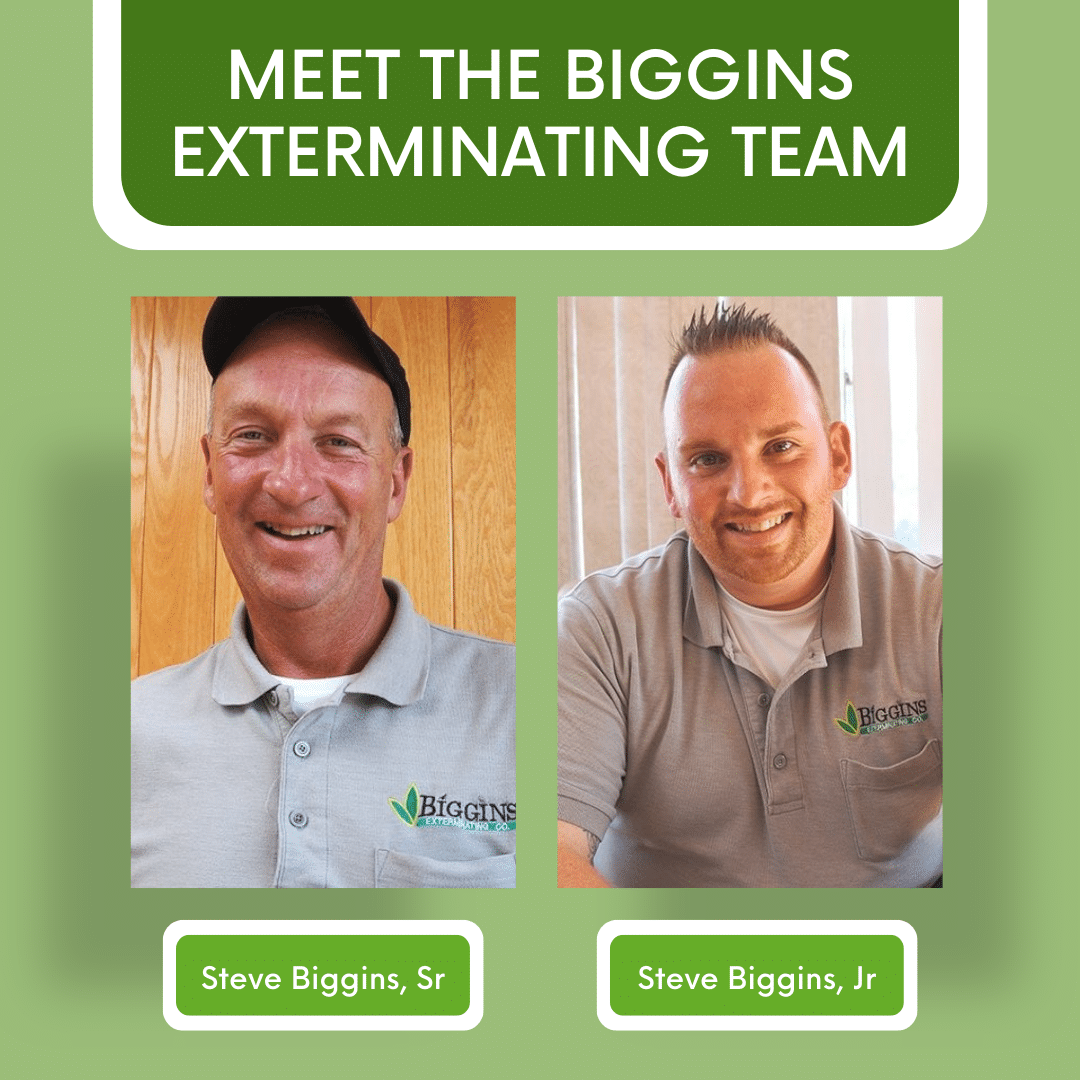
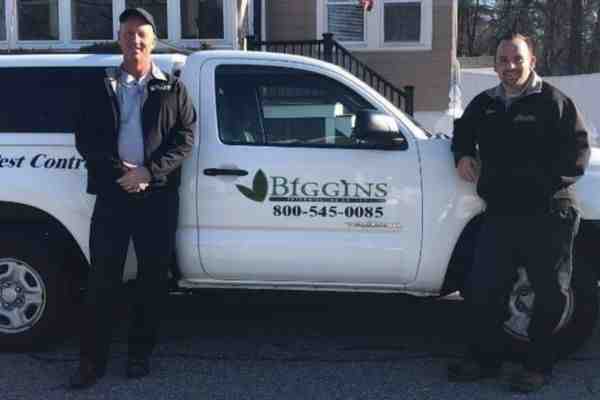
I’m Stephen Biggins, owner of Biggins Exterminating Co., and since 1982 our family has provided honest pest exterminator service to Massachusetts businesses and homeowners. We’ve seen how proactive commercial pest management protects both profits and peace of mind.
Quick pest exterminator service terms:
Recognizing the Need: When to Call a Commercial Pest Exterminator
Understanding when and why to call a professional commercial pest exterminator service is crucial for any business owner. Pests operate on their own schedules, often dictated by the seasons, and their presence can quickly escalate from a minor nuisance to a full-blown crisis.
As the weather cools in the fall, many pests, especially rodents, begin their annual migration indoors. They’re not looking for a vacation home; they’re seeking warmth, shelter, and food, and your commercial property in Andover, Lexington, or Wilmington, MA, can look mighty inviting. We often see an uptick in calls for mice and rats around this time of year as they squeeze through surprisingly small openings—a mouse can fit through a hole the size of a dime! This is why it’s so important to be proactive with rodent control, especially as we head into colder months.
Similarly, other seasons bring their own pest challenges. In the summer, for instance, stinging insects like wasps and hornets are highly active. They build nests in sheltered areas around buildings, sometimes near entrances or outdoor dining spaces. A single wasp sting can lead to an allergic reaction, customer complaints, and a significant disruption to your business operations. While some wasps become less aggressive in the fall, hornets, in particular, can be quite territorial, especially if their nests are disturbed.
Beyond seasonal activity, there are universal signs that indicate you might have a pest problem brewing. These include:
- Droppings: Small, dark pellets found near food sources, in storage areas, or along walls.
- Gnaw marks: Scratches or chew marks on wires, packaging, or structural elements. Rodents are notorious for this, and it can pose a fire hazard.
- Nests: Accumulations of shredded material, fabric, or insulation in hidden corners, attics, or behind equipment.
- Unpleasant odors: Musky smells from rodents, sweet smells from certain insects, or a generally foul odor indicating a larger infestation.
If you observe any of these signs, it’s time to consider a professional intervention. For more detailed information on identifying and preventing rodent issues specific to our area, check out our guide on How to Identify and Prevent Rodent Infestations in Massachusetts.

What are the signs of a pest infestation that business owners should look out for?
When running a business, every detail matters, and that includes keeping a watchful eye for any unwelcome guests. The signs of a pest infestation can sometimes be subtle, but they are always a red flag that demands immediate attention.
Firstly, visible pests during business hours are an undeniable sign. A cockroach scuttling across the floor of your restaurant during lunch service, or a mouse darting through your office lobby, can instantly tarnish your reputation and drive customers away. This is especially critical in industries like food service and hospitality, where hygiene is paramount.
Secondly, customer complaints are a clear indicator. Whether it’s a review mentioning a fly problem, a bed bug bite in a hotel room, or an ant trail in a retail space, customer feedback often points directly to pest issues that might otherwise go unnoticed by staff.
Thirdly, damaged inventory is a significant financial impact. Pests like rodents and certain insects (e.g., pantry pests) can chew through packaging, contaminate food products, or damage merchandise, leading to costly losses. Imagine finding a box of damaged goods in your Wilmington, MA, warehouse—that’s money out of your pocket.
Other tell-tale signs include:
- Greasy rub marks along walls: These are often left by rodents as they travel along established paths, their fur leaving a dark, oily residue.
- Pest droppings in storage areas or kitchens: This is a clear sign of active infestation and a major health hazard, especially around food preparation or storage.
- Unusual sounds: Squeaking, scratching, or rustling noises coming from walls, ceilings, or behind equipment, particularly at night.
- Webs or cocoons: Indicating spiders or moths.
- Shed skins or wings: Cockroaches and termites shed their exoskeletons as they grow.
- Tracks or footprints: Tiny tracks in dusty areas can betray the presence of rodents.
Keeping a diligent eye on these signs can help you catch a problem early. For a comprehensive overview of what to look out for, visit our page on Signs That You Have a Pest Infestation.
When should a business owner consider hiring a professional pest exterminator service?
While a vigilant eye can help spot the early signs of a pest problem, knowing when to call in the cavalry—a professional pest exterminator service—is equally important. Attempting to manage a significant pest issue on your own can often lead to frustration, wasted money, and a worsening infestation.
We strongly recommend considering professional help when:
- DIY methods fail: You’ve tried traps, sprays, and cleaning, but the pests keep coming back, or the problem seems to grow. Many common store-bought solutions only address surface-level issues and don’t tackle the root of the infestation.
- Infestation is widespread: If pests are appearing in multiple areas of your property, or if you suspect they’ve established a large colony, it’s beyond a quick fix. A professional can assess the full scope of the problem.
- High-risk pests are present: Pests like termites, bed bugs, and certain rodents require specialized knowledge and equipment for effective eradication. Termites, for example, can cause significant structural damage that often goes unnoticed until it’s severe. Bed bugs are notoriously difficult to eliminate without professional treatments.
- To comply with health codes: Businesses in sectors like food service, hospitality, and healthcare operate under stringent health and safety regulations. A pest infestation can lead to fines, closures, and severe damage to your brand. Regular professional pest control helps ensure you meet these critical standards.
- To prevent future problems: The best offense is a good defense. Proactive, ongoing pest management is often more cost-effective than waiting for a full-blown infestation. A professional service can implement preventative measures to keep pests out before they become a problem. This is especially true for businesses in our Massachusetts service areas like Burlington, Billerica, or Tewksbury, where seasonal pests are a recurring challenge.
Don’t wait until a small problem becomes a business-threatening emergency. If you’re facing an urgent pest situation, our Emergency Pest Control Services are available to help.
The Professional Pest Exterminator Service Process Explained
When you decide to partner with a professional pest exterminator service, you’re not just getting someone to spray chemicals. You’re engaging in a systematic process designed to effectively eliminate current pest problems and prevent future ones. At Biggins Exterminating, our process is thorough, transparent, and custom to your business’s unique needs.
It all starts with initial contact and consultation. When you reach out to us, we’ll discuss the issues you’re experiencing, any visible signs of pests, and the history of the problem. This initial conversation helps us understand the scope and prepare for a more in-depth assessment. We’ll schedule a convenient time to visit your commercial property.
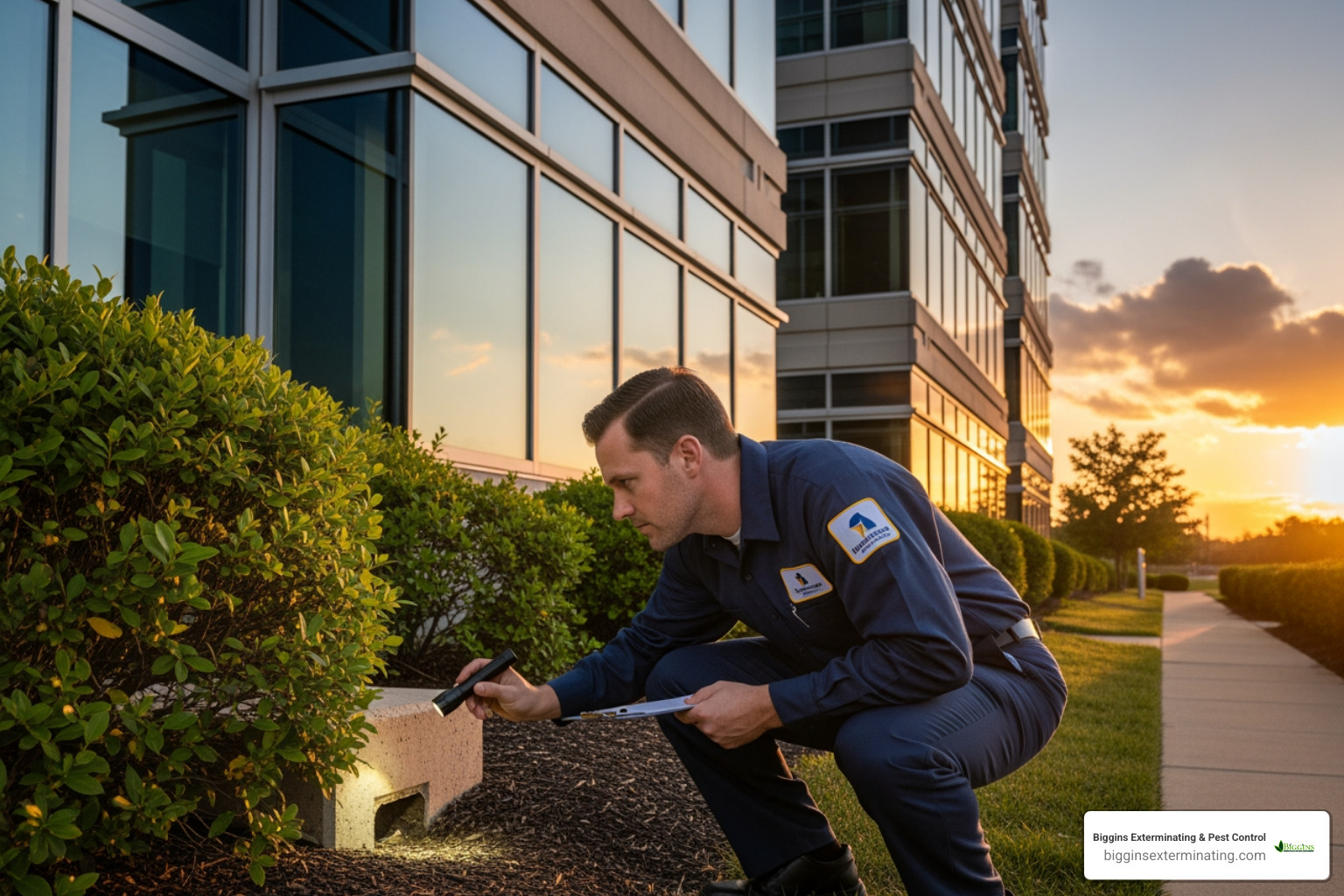
Next comes a thorough site inspection. This is arguably the most critical step. Our licensed technicians don’t just peek around; they carefully examine your property, both inside and out. They’ll look for signs of pest activity, identify potential entry points, locate nesting sites, and assess any environmental conditions that might be attracting pests. This could involve inspecting basements, attics, storage rooms, kitchens, employee break areas, and exterior perimeters. They’re like detectives, gathering all the clues.
Following the inspection, we proceed with pest identification. Knowing precisely what kind of pest you’re dealing with is paramount. Different pests require different treatment strategies. A carpenter ant infestation, for example, demands a different approach than a regular sugar ant problem. Our expertise allows us to accurately identify the species, which informs the most effective treatment plan.
Finally, we conduct an assessment of contributing conditions. This involves understanding why the pests are there. Is it a sanitation issue? Are there structural vulnerabilities like cracks in the foundation or gaps around pipes? Is there excess moisture? By addressing these underlying conditions, we can not only eliminate the current infestation but also implement long-term solutions to prevent recurrence. This holistic approach is key to effective commercial pest management.
This detailed approach is especially beneficial for property managers overseeing multiple units or large commercial complexes. For more insights into how we assist property managers, visit Pest Control for Property Managers.
How do professional exterminators identify and assess pest problems?
Professional exterminators are equipped with the knowledge and tools to go far beyond a casual glance when identifying and assessing pest problems. We take a scientific and systematic approach to ensure we get to the root of your commercial pest issue.
Our technicians begin by using inspection tools such as high-powered flashlights to illuminate dark corners, magnifying glasses for detailed examination of small pests or droppings, and even moisture meters to detect conditions conducive to pest activity. These tools help us uncover hidden infestations that might otherwise be missed.
A key part of our assessment involves identifying entry points. Pests don’t just magically appear; they find ways in. We carefully scan for cracks in foundations, gaps around utility lines, poorly sealed windows and doors, damaged screens, and even openings in roofing or vents. Sealing these vulnerabilities is a crucial step in long-term pest prevention.
We also focus on locating nesting sites. Pests prefer secluded, undisturbed areas to build their homes. For rodents, this might be behind appliances, inside wall voids, or in cluttered storage areas. For insects, it could be cracks in floors, behind baseboards, or within food packaging. Finding these central hubs is essential for effective treatment.
Furthermore, our professionals invest time in understanding pest behavior. Are they nocturnal? What are their preferred food sources? How do they reproduce? Knowing the habits of specific pests helps us predict their movements, identify their hiding spots, and choose the most effective baits or treatments. For instance, knowing that German cockroaches prefer warm, moist environments helps us target kitchens and bathrooms.
Finally, we carefully assess environmental factors. This includes looking at sanitation practices, landscaping around your property, and sources of moisture. Excessive clutter provides harborage, overgrown vegetation offers pathways, and leaky pipes create water sources—all of which contribute to pest problems. By addressing these factors, we create an environment less hospitable to pests.
Our comprehensive inspection process is designed to leave no stone unturned, ensuring we have a complete picture of your pest problem before recommending a solution. Learn more about our thorough inspection process in our Pest Control Inspection Complete Guide.
What methods and technologies do professionals use?
The world of pest control has evolved significantly, moving beyond just spraying chemicals. Today, a professional pest exterminator service like ours employs a sophisticated array of methods and technologies to deliver effective, long-lasting results.
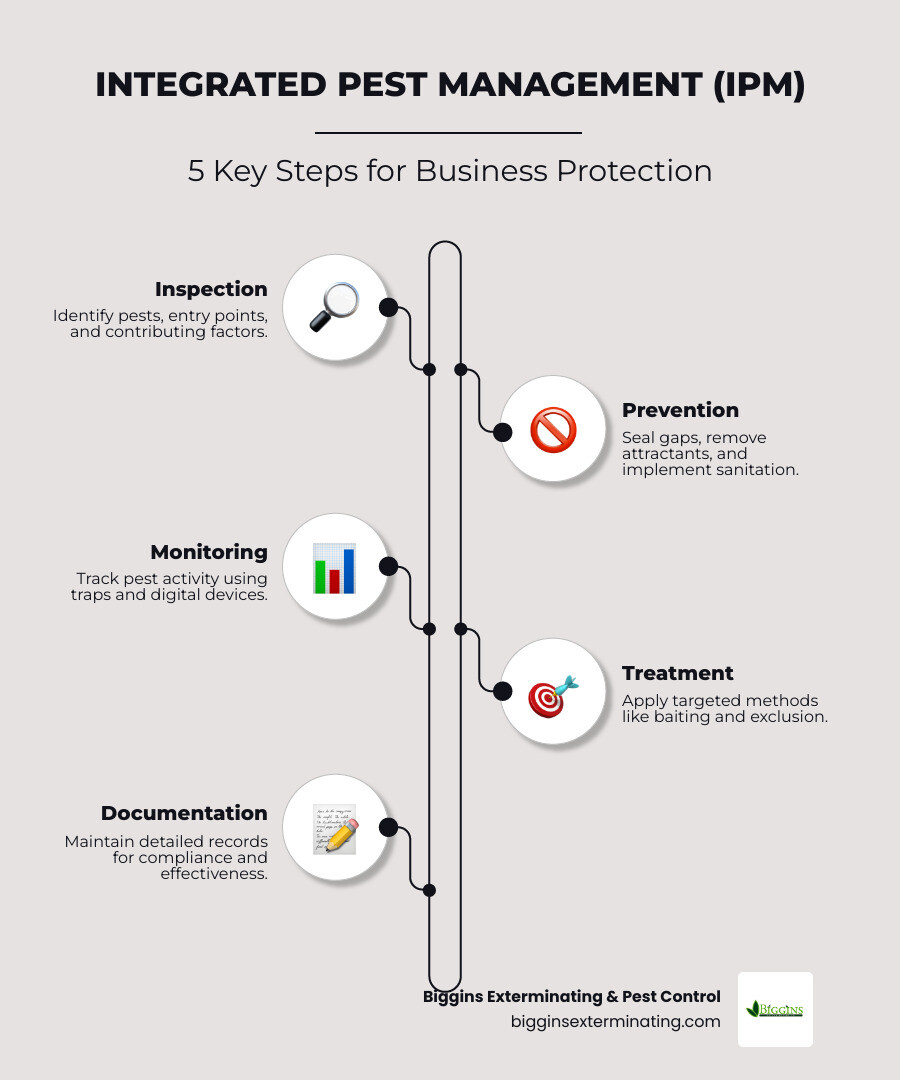
At the core of our strategy is Integrated Pest Management (IPM). This is a holistic, environmentally sensitive approach that focuses on long-term prevention of pests or their damage through a combination of techniques. IPM emphasizes understanding the pest’s lifecycle and environment, then using the least toxic and most effective methods. The infographic in our introduction highlights the five key steps of IPM: inspection, prevention, monitoring, treatment, and documentation. This approach is particularly relevant in Massachusetts, where we prioritize responsible pest management. You can dig deeper into this on our page about The Role of Integrated Pest Management in Massachusetts.
Specific methods and technologies we might use include:
- Strategic baiting and trapping: This involves placing highly attractive baits or traps in areas where pests are active. For rodents, this means tamper-resistant bait stations. For ants and cockroaches, it could be gel baits strategically placed to be carried back to the colony. This method minimizes exposure to non-target organisms and ensures the treatment reaches the source of the infestation.
- Exclusion techniques: An ounce of prevention is worth a pound of cure! We identify and seal entry points using materials like caulk, mesh, and steel wool to physically block pests from entering your building. This is a non-chemical, highly effective long-term solution.
- Chemical treatments: When necessary, we use targeted, EPA-approved chemical treatments. These are applied judiciously and precisely, only where needed, to minimize environmental impact and ensure safety for your employees and customers. Our technicians are trained to select the appropriate products and application methods for each specific pest and situation.
- Heat treatments: For stubborn pests like bed bugs, heat treatment can be incredibly effective. By raising the temperature of an affected area to lethal levels for pests and their eggs, we can eradicate them without relying solely on chemical applications.
- Digital monitoring devices: Modern pest control incorporates smart technology. Devices with sensors can detect pest activity (like rodents entering a bait station) and transmit data to us in real-time. This allows for proactive intervention and more efficient management, reducing the need for constant physical checks.
Our approach is always to use the most effective and least invasive methods possible, ensuring the safety of your business environment while delivering superior pest control.
Choosing Your Partner: How to Select a Reputable Exterminator
Selecting the right commercial pest exterminator service is a critical business decision. It’s not just about getting rid of pests; it’s about protecting your brand, ensuring safety, and maintaining compliance. With so many options out there, how do you ensure you’re making the best choice for your business in Massachusetts?
First and foremost, always prioritize verifying licenses and insurance. A reputable company will be fully licensed by the state to perform pest control services. This ensures their technicians are properly trained and adhere to industry standards. Equally important is general liability insurance, which protects your business in case of any accidents or damages during the service. Don’t be shy about asking for proof—we’re always happy to provide ours.
Next, look for companies checking for certifications. Industry certifications, such as QualityPro from the National Pest Management Association (NPMA), signify a company’s commitment to excellence in areas like business operations, environmental stewardship, and technician training. These certifications demonstrate a higher standard of professionalism and service quality. Consider an NPMA QualityPro company. Visit www.npmaqualitypro.com for more information.
It’s also vital to be asking about experience with commercial properties. Residential pest control differs significantly from commercial. Commercial spaces often have unique challenges, stricter regulations, and require a more discreet approach. Ensure the company you choose has a proven track record specifically with businesses similar to yours in size and industry.
Finally, take the time to be reading recent reviews. What are other business owners saying about their experience? Online reviews on platforms like Google or Yelp, as well as testimonials on a company’s website, can offer valuable insights into their reliability, effectiveness, and customer service. A company that consistently receives positive feedback for its professionalism and results is a strong contender.
For further guidance on making this important decision, we’ve put together a resource on How to Choose the Right Pest Control Service for Your Needs in Massachusetts.
How can customers ensure they are choosing an effective company?
To ensure you’re choosing an effective commercial pest exterminator service, a little due diligence goes a long way. This isn’t a decision to take lightly, as the health and reputation of your business are on the line.
Here are key steps to take:
- Request a detailed treatment plan: A reputable company should provide a comprehensive plan that outlines the identified pests, the proposed methods of treatment, the frequency of visits, and any preventative measures they recommend. This transparency helps you understand what you’re paying for and what results to expect. If a company offers a vague plan, that’s a red flag.
- Inquire about their safety protocols: For commercial properties, especially those handling food or with public access, safety is paramount. Ask about the products they use, how they ensure the safety of your employees, customers, and inventory, and their procedures for minimizing disruption to your operations. They should be able to explain how they address environmental concerns and safety for pets and children, even in a commercial setting, as these principles extend to public health.
- Ask for references from other businesses: A company confident in its services will be able to provide contacts for other commercial clients. Speaking with these references can offer real-world insights into the company’s performance, reliability, and responsiveness.
- Check their standing with the Better Business Bureau: The Better Business Bureau (BBB) is an excellent resource for checking a company’s accreditation, customer reviews, and complaint history. A strong BBB rating indicates a commitment to customer satisfaction and ethical business practices.
- Look for accredited companies: Beyond the BBB, seek out companies that are members of professional associations like the National Pest Management Association (NPMA) or state-level pest control associations. These memberships often require adherence to ethical codes and industry best practices. You can often Find Local Exterminators: Local Pest Control Companies through these associations.
By taking these steps, you can significantly increase your chances of partnering with a commercial pest exterminator service that is not only effective but also trustworthy and professional.
Understanding the Investment: Services, Costs, and Guarantees
Investing in a professional commercial pest exterminator service is an investment in your business’s health, safety, and reputation. It’s important to understand the range of services offered, the factors influencing costs, and the guarantees you can expect.
Commercial properties in Andover, Bedford, and other Massachusetts towns face a variety of common pests that can disrupt operations. These typically include:
- Rodents: Mice and rats can contaminate food, damage property, and spread diseases.
- Cockroaches: These resilient pests are vectors for disease and can thrive in commercial kitchens and food service areas.
- Ants: From carpenter ants causing structural damage to smaller species contaminating food, ants are a persistent problem.
- Flies: Particularly problematic for food service and retail, flies can spread pathogens and annoy customers.
- Bed bugs: A nightmare for hospitality businesses, bed bugs are notoriously difficult to eliminate and can lead to significant financial losses and reputational damage.
- Stored product pests: Beetles and moths can infest food storage areas, destroying inventory in supermarkets, warehouses, and restaurants.
Certain industries, due to stringent regulations and the need to maintain hygiene standards, require particularly robust pest control programs. These include:
- Food service (restaurants, cafes, catering)
- Hospitality (hotels, motels, resorts)
- Healthcare (hospitals, clinics, nursing homes)
- Food retail (grocery stores, delis)
- Warehousing and manufacturing
- Schools and educational facilities
For businesses operating in these and other sectors, a comprehensive commercial pest control plan isn’t optional—it’s essential. We offer specialized services custom to various commercial needs. Learn more about our offerings for Commercial Exterminating Companies.
What are the costs associated with a professional pest exterminator service?
Understanding the costs associated with a professional commercial pest exterminator service is a common concern for business owners. Pricing is not one-size-fits-all, as several cost factors come into play.
These factors include:
- Property size: Larger commercial spaces naturally require more time, resources, and materials for effective treatment.
- Infestation severity: A minor, localized problem will be less expensive to treat than a widespread, entrenched infestation.
- Type of pest: Some pests, like termites or bed bugs, require specialized, labor-intensive treatments that are inherently more costly than general pest control for ants or spiders. For example, termite control can range from $500 to $3,000 or more, while bed bug treatments can range from $300 to $1,000 or more per room or for a whole house.
- Treatment frequency: A one-time service for an acute problem will differ in cost from a recurring maintenance plan designed for ongoing prevention.
Based on industry averages, one-time service costs for commercial properties can range from approximately $250 to $800+, depending on the pest and scale of the problem. For ongoing prevention and management, recurring service costs (often monthly or quarterly) can range from $50 to $150+ per month.
Disclaimer: These are average costs based on internet data for the pest control industry and do not represent the actual costs for Biggins Exterminating services. For a precise quote custom to your business’s specific needs, please contact us directly.
While these figures provide a general idea, investing in professional pest control can save your business from far greater expenses related to property damage, health code violations, and lost revenue. For a deeper dive into pest control pricing, refer to our guide on How Much Does Pest Control Cost.
What guarantees or warranties do pest exterminators typically offer?
A reputable professional pest exterminator service should stand behind its work. This is where guarantees or warranties come into play, offering peace of mind and assurance that your investment is protected.
Most professional pest control companies offer some form of satisfaction guarantee. This typically means that if pests return between scheduled services, or if you’re not satisfied with the results of a treatment, they will come back to re-treat the area at no additional cost. This is a common practice and a good indicator of a company’s confidence in its methods and technicians. For example, some companies offer a 30-day money-back guarantee, or off-schedule return visits if you’re not happy.
Re-treatment policies are standard, especially for recurring service plans. If you’re on a monthly or quarterly program and pests reappear, the company should provide prompt, free follow-up visits until the issue is resolved. This ensures continuous protection for your business.
While less common for general pest control, some companies may offer money-back options if they fail to resolve a persistent problem after multiple attempts. This demonstrates a strong commitment to customer satisfaction.
It’s crucial to thoroughly review the detailed service agreements provided by any pest control company. These agreements should clearly outline what pests are covered, the duration of the guarantee, what actions you might need to take (e.g., maintaining sanitation), and the terms for re-treatment or refunds. Don’t hesitate to ask questions if anything is unclear.
At Biggins Exterminating, we pride ourselves on transparent service and customer satisfaction, offering warranties on our services because we believe in the quality of our work. We encourage all our clients to read through our Customer Reviews to see what other businesses and homeowners in Massachusetts have to say about our commitment to effective pest control.
Protect Your Business with a Trusted Pest Control Partner
In today’s competitive business landscape, maintaining a pest-free environment is no longer just a matter of cleanliness—it’s a fundamental aspect of your brand integrity and operational success. We’ve explored why your business simply can’t afford to ignore pests, from the financial implications to the critical health and safety regulations. We’ve also digd into the tell-tale signs of an infestation, the precise moments when professional intervention becomes indispensable, and the meticulous process a commercial pest exterminator service employs to safeguard your property.
Choosing the right partner means looking beyond just the initial quote. It means seeking a reputable company with proper licensing, insurance, and a proven track record, especially in the unique commercial environment of Massachusetts. The value of a professional service extends far beyond immediate extermination; it’s about protecting your brand, ensuring a safe and hygienic environment for your employees and customers, and implementing a proactive, long-term strategy that prevents future infestations.
At Biggins Exterminating, we understand the unique challenges faced by businesses in Andover, Bedford, Billerica, Burlington, Lexington, North Reading, Tewksbury, Wilmington, and Woburn, MA. As a family-owned business with over 40 years of experience, we’re committed to providing reliable pest exterminator service without requiring burdensome contracts. We stand by our work with clear warranties and a dedication to customer satisfaction, because your peace of mind is our priority.
Don’t let pests compromise your business’s hard-earned reputation or bottom line. Take a proactive step towards a pest-free future.
Contact us today for a comprehensive commercial pest evaluation. Let us help you keep your business thriving, without the unwelcome distraction of pests.