Fleas After the First Frost? Why the Cold Won’t Kill the Fleas in Your Heated Home
You'll learn why freezing weather doesn't touch fleas inside a heated house, where late-fall fleas come from, and the safe steps that break their life cycle.
The short answer
- Freezing weather outdoors doesn't reach fleas living in carpets, furniture and pet bedding inside a heated home.
- Most late-fall fleas trace back to a summer buildup, a lapse in pet prevention, sheltered outdoor spots or rodents moving indoors.
- Fleas in cocoons can wait and hatch weeks later, so new fleas after cleaning or treatment are common.
- Treat pets with vet-recommended products, vacuum daily, wash bedding hot, and call a professional if fleas keep coming back.
Why freezing weather outside doesn't reach fleas inside
It's a fair assumption. The ground is frozen and the mosquitoes are gone, so the fleas should be gone too. Outdoors, cold weather does slow fleas down. Exposed eggs, larvae and adults struggle once temperatures stay below freezing for a while. The fleas in your living room are indoors, though, where the temperature stays comfortable.
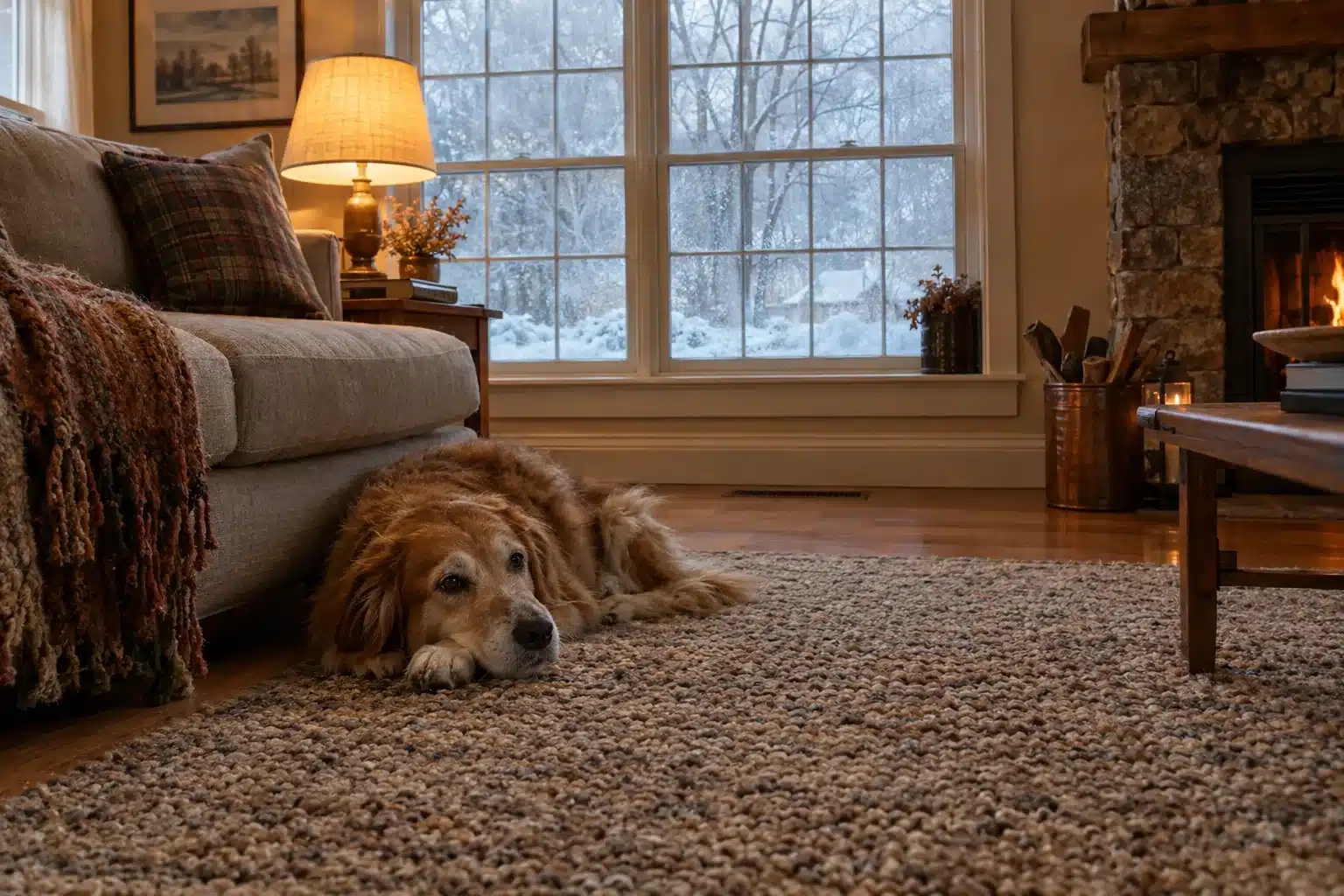
Fleas develop best in the same conditions people find comfortable: room temperature and moderate humidity. Once the furnace kicks on in late fall, your carpets, couch cushions and pet beds become a steady, mild habitat with a food source that sleeps on the sofa. Nothing happening outside changes that. A heated house in Wilmington or Billerica can support fleas straight through the middle of winter as easily as it could in August.
The cold can even work against you. Pets spend more hours indoors, usually in the same few favorite spots, so flea eggs that drop off their coats pile up in those places instead of scattering across the yard.
Outdoor frost has no effect on fleas already living in the carpets, furniture and pet bedding of a heated home.
Where late-fall fleas usually come from
Most people who find fleas after the first frosts didn't pick them up recently. The problem usually started weeks or months earlier. Common sources include:
- A summer and early-fall buildup. Flea numbers climb through the warm months and often peak around late summer and early fall. A pet that brought home a few fleas back then can be the source of a full indoor population by late fall.
- A gap in pet flea prevention. Many owners stop their pet's flea product when the weather cools, assuming the season is over. Many veterinarians recommend year-round prevention for exactly this reason, so it's worth asking yours.
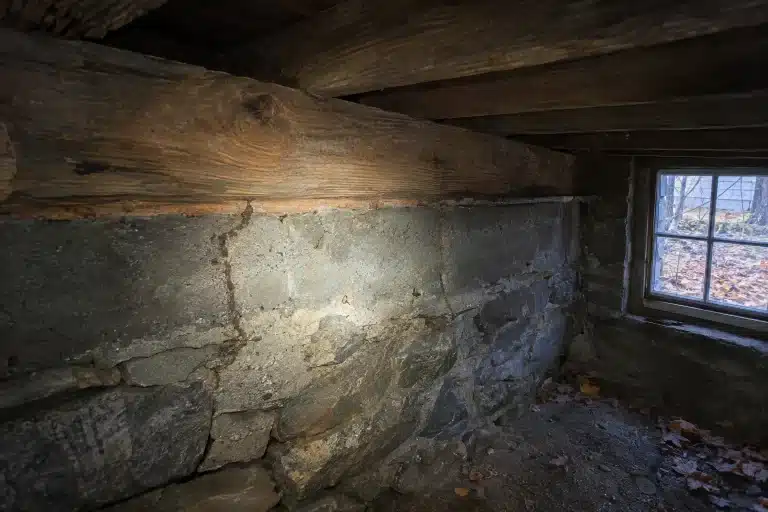
- Sheltered outdoor spots. Fleas can hang on in protected places that don't fully freeze, such as under decks and porches, in crawlspaces and garages, and along the foundation where animals bed down. A dog that naps under the porch can keep bringing them in.
- Rodents moving indoors. Mice and rats look for warm shelter as the weather turns, and they can carry fleas into walls, attics and basements. If you've also heard scratching or found droppings, the two problems may be connected.
- A previous occupant's pets. If you moved in recently, flea cocoons left in the carpet can sit quietly until someone new starts walking around.
If you have fleas but no pets, look for signs of mice or rats, since rodents moving indoors for winter can bring fleas with them.
The cocoon stage: why fleas keep showing up
The adult fleas jumping onto your socks are only a small part of the population. Most of an infestation lives in the carpet and furniture as eggs, larvae and pupae.
How the life cycle plays out indoors
- Eggs are laid on the pet and fall off wherever the animal rests, walks or sleeps.
- Larvae hatch and crawl deep into carpet fibers, floor cracks and the spaces under cushions, away from light. They feed on debris, including the dried blood adult fleas pass, which is the "flea dirt" you may spot on your pet.
- Pupae spin sticky cocoons that collect dust and fibers, which makes them nearly invisible.
- Adults emerge, find a host and start the cycle over.
Why the cocoon matters
The pupa is the toughest stage. Inside its cocoon, a fully developed flea can wait for an extended period until it senses a host nearby through footsteps, body heat or the carbon dioxide in your breath. That's why fleas often seem to appear out of nowhere when you come home from a trip, open a guest room that's been closed off, or move furniture during fall cleaning. The cocoon also shields the flea from many insecticides, so even a well-treated home usually sees some new adults hatch for a few weeks afterward.
Most of a flea infestation lives in carpets and furniture as eggs, larvae and pupae, out of sight.
What you can safely do right now
These steps help whether you're tackling a light problem yourself or getting ready for a professional visit.
- Talk to your veterinarian about every pet in the house. Treating the animals is the foundation of flea control. Use only products your vet recommends for that species and size, and never share dog products with cats.
- Vacuum every day for now. Focus on where pets sleep and rest, along baseboards, under furniture and between cushions. The vibration also coaxes cocooned fleas to hatch. Take the bag or canister contents outside and seal them in a trash bag after each session.
- Wash pet bedding, throws and washable rugs on the hottest setting the fabric allows, then dry on high heat. Repeat weekly while you're still seeing fleas.
- Check sheltered spots outside. Look where your pet likes to lie under the deck, porch or in the garage. Rake out leaves and debris and limit the pet's access to those areas for now.
- Watch for rodent signs. Droppings, gnaw marks, or scratching in the walls or attic point to a second problem worth dealing with at the same time.
Skip these shortcuts
- Don't turn the heat off to freeze them out. A house would need to stay cold far longer than is safe for your pipes and pets, and fleas can simply wait it out in their cocoons.
- Don't rely on foggers. Bug bombs mostly settle on top surfaces and don't reach larvae and pupae deep in the carpet. Misused, they can also create fire and breathing hazards.
- Don't go beyond the label. Extra pesticide on pets, bedding or furniture won't work better and can harm children and animals.
Never use a dog flea product on a cat; some ingredients that are fine for dogs can seriously harm cats.
When it's time to call a professional
A few stray fleas that disappear once your pets are on a vet-recommended product may only need vacuuming and laundry. It's time for professional help when:
- You're still seeing fleas or getting bites after a few weeks of steady pet treatment and vacuuming.
- Fleas are turning up in several rooms, beyond where the pet sleeps.
- Someone in the home is getting bitten repeatedly, or you have little ones crawling on the floors.
- You have no pets and can't find a source, or you suspect rodents are involved.
Biggins Exterminating, based in Wilmington, MA, offers flea pest control, and its local service area includes nearby towns such as Tewksbury, Billerica, Burlington and Woburn. Because fleas are often tied to other pests that move indoors in cold weather, it may help to know that Biggins also offers mice and rat pest control. If you're not sure whether your situation calls for a treatment, you can get in touch with Biggins to learn more or schedule one.
Before any visit, ask what preparation is needed. It commonly involves a thorough vacuuming, picking items up off the floor so carpets can be reached, washing pet bedding, and timing your pets' treatment so it lines up with the house treatment.
Treating the house without treating the pets, or the other way around, usually lets fleas bounce right back.
Keeping fleas from rebounding through winter and spring
Getting rid of fleas in late fall is a good start, but the life cycle means you have to stay consistent for a while afterward.
- Keep pets on prevention all winter if your veterinarian recommends it. Indoor heat means fleas don't take a season off.
- Keep vacuuming pet areas a few times a week even after the fleas seem gone, since one late-hatching cocoon can restart things.
- Run a flea comb through your pets every week or two. If the specks you collect turn reddish on a damp white paper towel, that's flea dirt, and fleas are still feeding.
- Seal small gaps around the foundation, utility lines and garage doors before deep winter so mice can't carry fleas inside.
- Block off crawlspaces and under-deck areas where pets or other animals like to rest.
Spring is the next moment to watch. As temperatures climb, fleas that survived in sheltered outdoor spots become active again, and a pet that went off prevention over the winter can bring a fresh batch home. Restarting your checks with the first warm stretch lets you catch a few fleas before they become a houseful.
Common questions
If I turn the heat way down while I'm away, will the fleas die?
Almost certainly not. Fleas in their cocoons can wait out cold spells and hatch once the house warms up and people return. Dropping the temperature low enough for long enough also risks frozen pipes, so it isn't a safe strategy.
Can I have fleas if I don't own any pets?
Yes. Fleas can come in on rodents sheltering in walls or basements, from animals bedding down under a porch, or from cocoons left behind by a previous owner's pets. If you have fleas and no pets, look for signs of mice or rats.
Do fleas bite people?
They do, usually around the ankles and lower legs. The common cat flea prefers animals and doesn't live on people, but it will bite when hungry. If bites cause a strong reaction, check with your doctor.
How long will I keep seeing fleas after a treatment?
It's common to see some fleas for a few weeks as protected cocoons hatch. Daily vacuuming helps by encouraging them to emerge. If numbers grow or fleas keep showing up well past that, follow up with whoever did the treatment.
Should I treat my yard for fleas in late fall?
Outdoor flea activity is low once it's consistently cold, so most of your effort belongs indoors and on your pets. Do clean out sheltered spots like under decks where pets rest. Revisit the yard as spring warms up.