Why Effective Rodent Control Methods Matter for Your Home
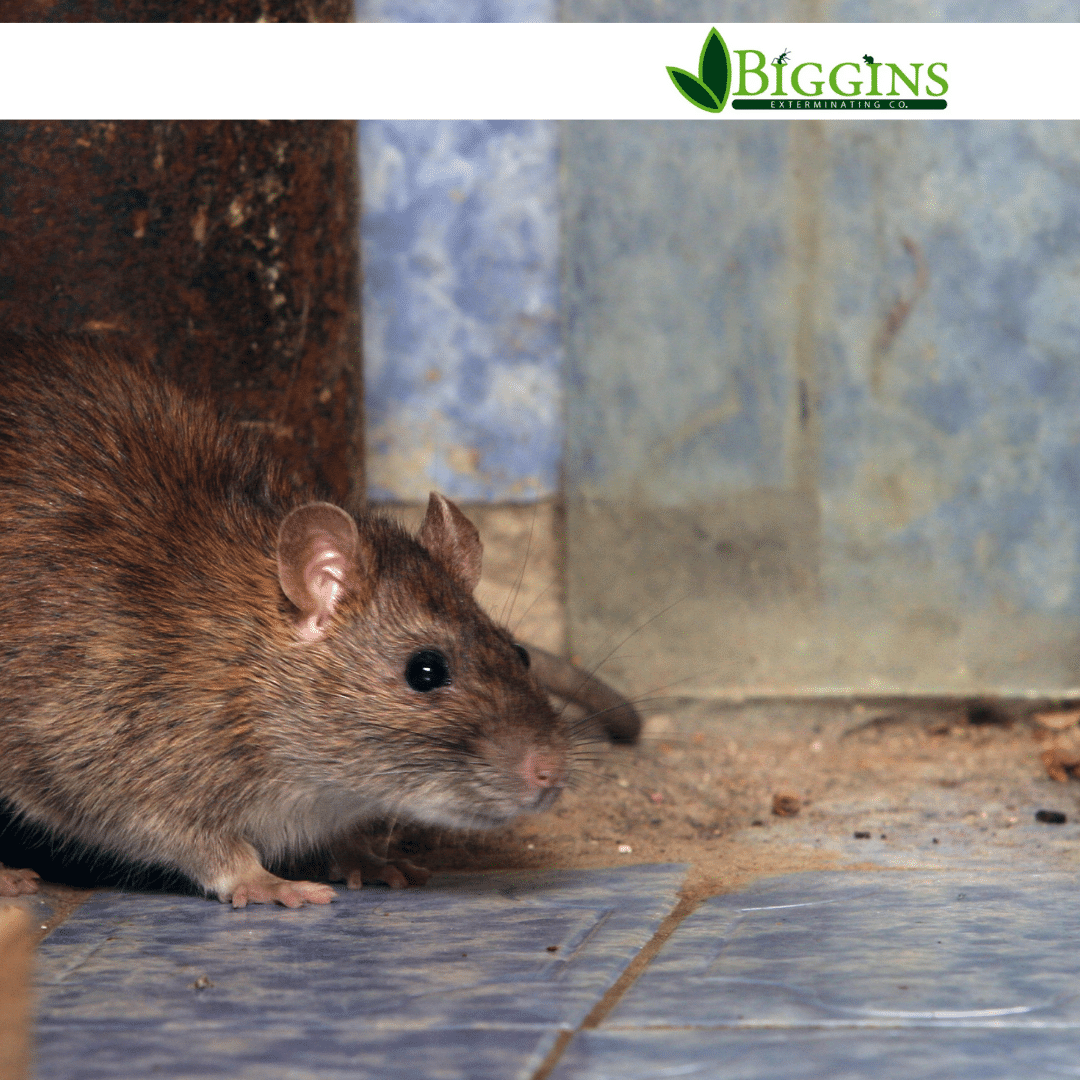
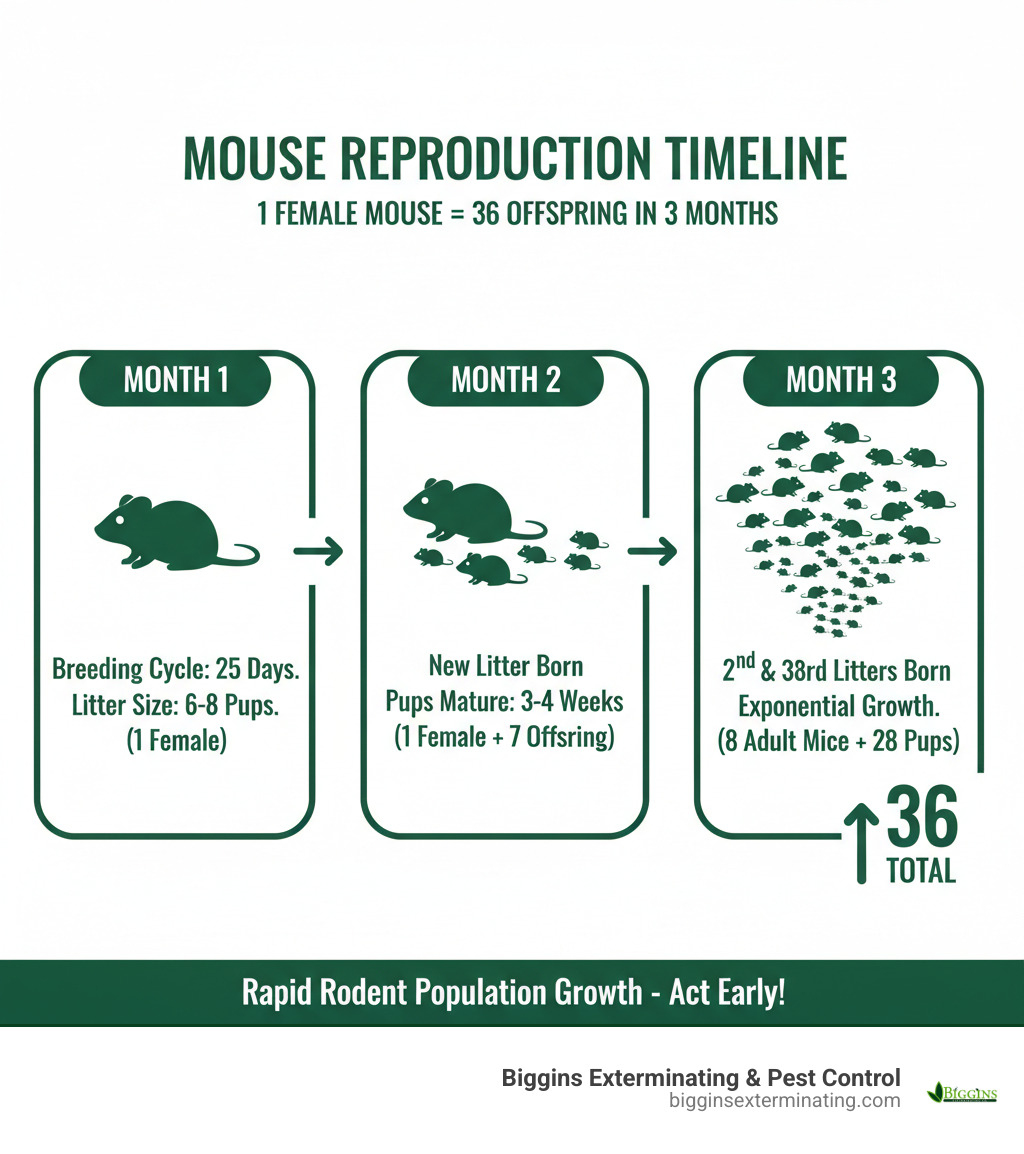
As the weather cools in Massachusetts, rodents seek warmth and shelter in our homes. That one mouse you see is a sign of a bigger issue, as a single female can produce dozens of offspring in just a few months. A small problem can quickly become a major infestation.
Most homeowners underestimate rodents. These survivors carry diseases like Hantavirus and Salmonella, trigger asthma, and cause significant property damage, including up to 25% of structural fires from gnawed wiring. A simple trap is not enough.
Effective rodent control methods require a comprehensive plan:
- Prevention: Seal entry points and remove food and water sources.
- Removal: Use targeted trapping methods for existing rodents.
- Professional Help: Know when to call for expert intervention for severe infestations.
This guide is about implementing proven strategies that offer a long-term solution. I’m Stephen Biggins, and since 1982, my family’s business has helped Massachusetts homeowners with transparent, effective pest control that addresses the root cause of the problem.
The Hidden Dangers: Why Rodent Control is Non-Negotiable
Many homeowners underestimate the serious threat rodents pose to their families and homes. Effective rodent control methods are not just about convenience; they are about protecting your health and property from significant harm. The risks are real and costly. For a deeper look, see the Top 5 Dangers of Rodents in and Around Your Home or Business.
Health Risks Transmitted by Rodents
Rodents are carriers for numerous diseases, often without showing any signs of sickness themselves. Transmission can be direct, through contact with their urine, feces, or saliva, or indirect, via the ticks, mites, and fleas they carry into your home.
Key health threats include:
- Hantavirus: A severe and potentially fatal respiratory disease contracted by inhaling dust contaminated with rodent waste.
- Salmonellosis: Food poisoning spread when rodents contaminate food preparation surfaces and stored goods.
- Asthma and Allergies: Rodent dander and droppings are potent asthma triggers, particularly in children. Many families see significant improvement in respiratory symptoms after an infestation is eliminated.
According to public health resources like the CDC, the list of diseases is long and serious. You can learn more about diseases spread by rodents to understand the full scope of the risk.
The High Cost of Property Damage

Rodents’ teeth never stop growing, forcing them to gnaw constantly on whatever is available. Unfortunately, this includes the vital components of your home.
- Electrical Wiring: Gnawed wires are a leading cause of house fires. Experts estimate rodents may be responsible for up to 25% of structural fires in America. This hidden danger behind your walls is a life-threatening risk.
- Structural Damage: Rodents chew through wood framing, plastic pipes, and drywall. Rats can burrow under foundations, potentially compromising your home’s integrity.
- Insulation: They shred insulation for nesting material, contaminating it with waste and reducing its effectiveness, which drives up your heating bills.
- Food Contamination: Rodents contaminate far more food than they eat, leaving trails of urine and feces across pantries and countertops.
The financial toll of this damage can easily reach thousands of dollars for a single homeowner. Prevention and control are an investment in protecting your family’s safety and your home’s value.
Step 1: Know Your Unwanted Guests – Identifying a Rodent Problem
You can’t solve a problem you don’t understand. Early detection and correct identification are the foundation of effective rodent control methods. Knowing whether you have mice or rats determines the entire strategy. It’s always easier to handle a few intruders than an established colony. For more tips, see our guide on How to Identify and Prevent Rodent Infestations in Massachusetts.
Common Signs of a Rodent Infestation
Rodents are nocturnal, but they leave behind plenty of evidence. Look for these common signs:
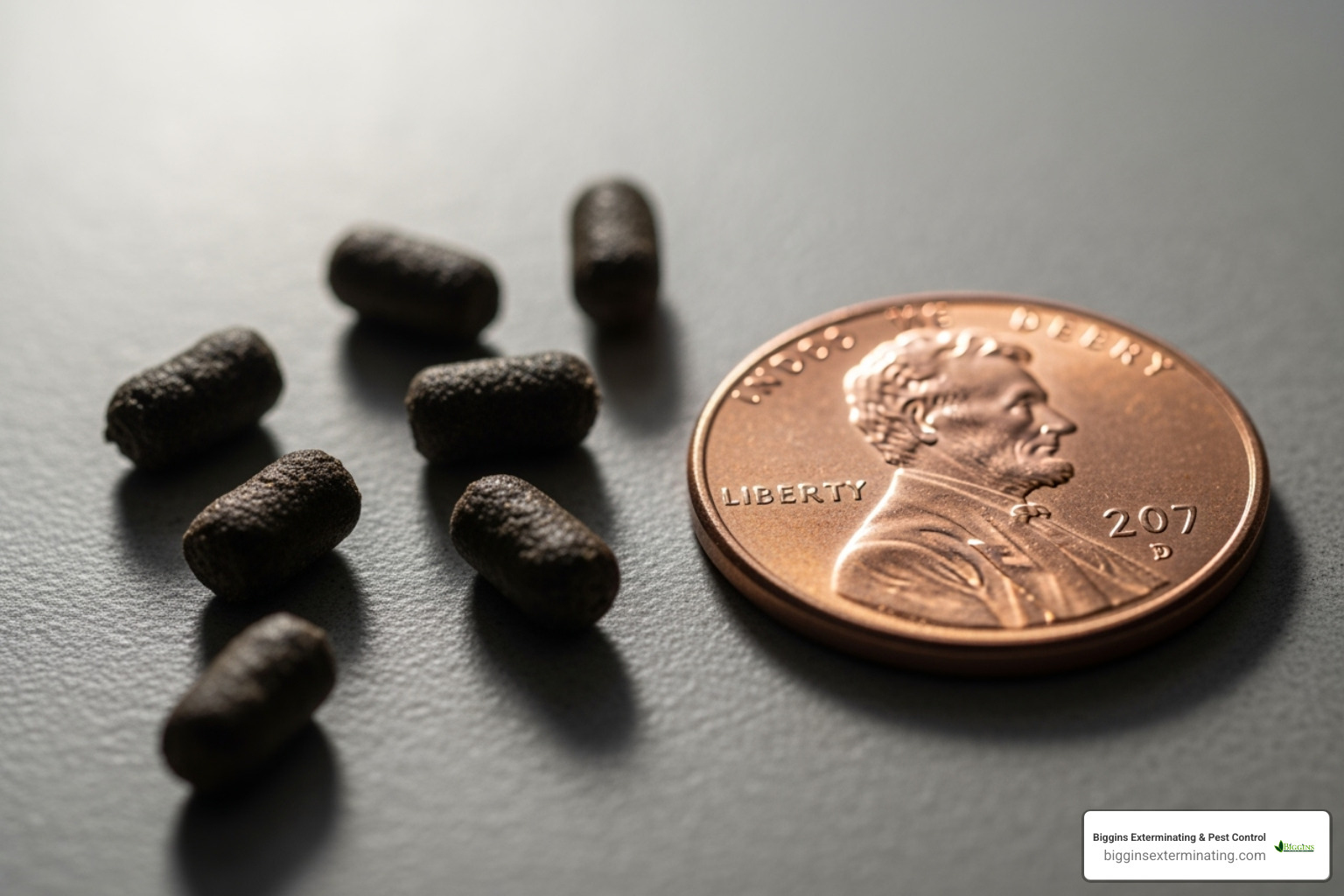
- Droppings: This is often the first sign. Mouse droppings are small (1/4 inch) and pointed, like grains of rice. Rat droppings are much larger (up to 3/4 inch) and blunt.
- Gnaw Marks: Look for fresh chewing on wood, plastic, or food packaging.
- Nests: Piles of shredded paper, fabric, or insulation in hidden, secluded areas like behind appliances or in storage boxes.
- Sounds: Scratching, scurrying, or gnawing noises in walls or ceilings, especially at night.
- Rub Marks: Greasy, dark smudges along baseboards or pipes from the oil and dirt on their fur.
- Odor: A persistent musky or ammonia-like smell from urine can indicate a large infestation.
- Daytime Sightings: Seeing a rodent during the day is a major red flag that suggests a large, overcrowded population.
Who’s Who: Differentiating Common Rodent Species
Knowing your opponent is crucial. The strategy for a house mouse is different from that for a Norway rat. Here are the three main culprits in Massachusetts:
| Characteristic | House Mouse (Mus musculus) | Norway Rat (Rattus norvegicus) | Roof Rat (Rattus rattus) |
|---|---|---|---|
| Size | Small (3-4 inches body) | Large, stocky (7-10 inches body) | Medium, slender (6-8 inches body) |
| Weight | 0.5 – 1 oz | 7 – 18 oz | 5 – 10 oz |
| Snout | Pointed | Blunt | Pointed |
| Ears | Large, prominent | Small, covered by fur | Large, prominent |
| Tail | Thin, same length as body | Shorter than body, thick | Longer than body, thin |
| Droppings | 1/8 to 1/4 inch, pointed | 1/2 to 3/4 inch, capsule-shaped | 1/2 inch, spindle-shaped |
| Behavior | Curious, explorative | Cautious, burrower | Agile climber, cautious |
| Nesting | Secluded areas, wall voids | Burrows, ground level, basements | Attics, trees, high places |
| Entry Point | Dime-sized hole | Quarter-sized hole | Quarter-sized hole |
- House Mice are small and curious, making them easier to trap. They can fit through dime-sized holes and nest in wall voids or behind appliances.
- Norway Rats are large burrowers found in basements and at ground level. They are neophobic (wary of new objects), which can make trapping them a challenge.
- Roof Rats are agile climbers that prefer attics and upper levels of a home. Like Norway rats, they are cautious and can be difficult to trap.
This identification is key. Traps set on the ground will miss roof rats in the attic, and attic treatments won’t stop Norway rats burrowing under your foundation.
Step 2: An Ounce of Prevention – Proactive and Effective Rodent Control Methods
The best rodent problem is one that never starts. Prevention is smarter, cheaper, and less stressful than dealing with an active infestation. This proactive approach is a core principle of Integrated Pest Management (IPM). It focuses on two key areas: exclusion (keeping them out) and sanitation (making your home uninviting).
These steps are especially critical in the fall as rodents seek winter shelter. For more seasonal tips, see our guide on Winter Mouse Prevention 101: Expert Tips from Exterminators.
Sealing Entry Points: Your First Line of Defense
A mouse can squeeze through a dime-sized opening, and a rat only needs a hole the size of a quarter. Sealing these entry points is the single most important preventive step. Conduct a thorough inspection of your home’s exterior and interior, focusing on these key areas:
- Foundation: Look for cracks and gaps where the siding meets the concrete.
- Utility Penetrations: Check where pipes, wires, and cables enter the house.
- Vents: Ensure dryer, attic, and foundation vents have secure screens.
- Roofline: Inspect for gaps where the roof meets the walls and any damaged soffits.
- Doors and Windows: Make sure they seal tightly with no gaps.
To seal these openings, use materials rodents can’t chew through. For small cracks, stuff them with steel wool and seal with caulk. For larger gaps, use hardware cloth (1/4-inch mesh) or cement. The NPS Rodent Exclusion Manual offers detailed techniques for rodent-proofing.
Eliminating Attractants: Cut Off Their Life Support
Even a sealed home can be tempting if it offers a buffet. Remove the food, water, and shelter that rodents need to survive.
- Secure Food: Store all human and pet food in thick plastic or metal containers with tight-fitting lids. Cardboard boxes and bags are not a barrier.
- Manage Pet Food: Do not leave pet food out overnight. Store bags of kibble in a sealed container.
- Seal Trash: Use heavy-duty trash cans with secure lids, both indoors and out. Keep outdoor bins away from the house.
- Remove Water Sources: Fix leaky pipes and faucets promptly.
- Maintain Your Yard: Keep shrubs trimmed back from the house, store firewood at least 20 feet away and off the ground, and remove clutter like old tires or debris that provides hiding spots.
These preventive measures are the foundation of effective rodent control methods and your best defense against an infestation.
Step 3: Taking Action – Removal Strategies from DIY to Professional
Once rodents are inside, you must take action to remove them. The right approach depends on the scale of the problem and your comfort level. While some minor issues can be handled with DIY methods, established infestations often require professional help. For specific advice on the most common intruder, see our guide on House Mice Control.
Effective DIY Rodent Control Methods and Safety
If you’ve caught the problem early, DIY methods can be effective. Traditional snap traps are the most reliable DIY option for mice.
- Bait: Use a pea-sized amount of peanut butter, hazelnut spread, or chocolate. Use just enough to entice them without letting them steal it.
- Placement: Rodents travel along walls. Place traps perpendicular to the wall, with the trigger end touching the baseboard. Use multiple traps (at least six for mice) in areas of activity.
- Other Traps: Electronic traps offer a quick, enclosed kill and are safer around pets and children. Live traps are not recommended, as relocating rodents is often illegal and stressful for the animal, and it increases your risk of being bitten.
- Avoid Glue Traps: These are inhumane, causing prolonged suffering, and can accidentally trap other animals.
- Repellents: Natural repellents like peppermint oil and ultrasonic devices are generally unreliable. Rodents quickly acclimate to them, and they are not a substitute for proper exclusion and trapping.
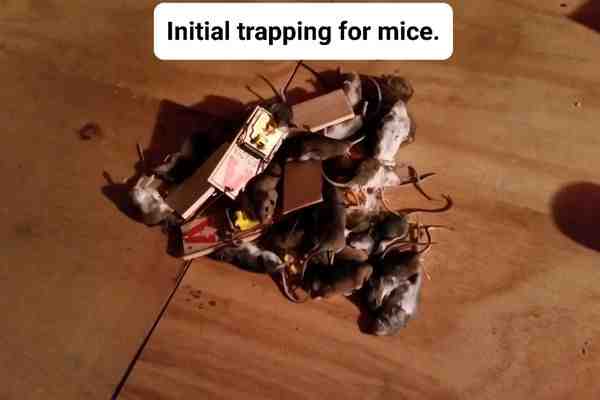
Safety is paramount. Always wear gloves when handling traps or dead rodents. To clean up droppings, never sweep or vacuum, as this can aerosolize viruses. Instead, spray the area with a disinfectant or 10% bleach solution, let it sit, then wipe it up with paper towels. For detailed steps, consult the CDC guide on trapping and cleanup.
The Great Debate: Rodenticides and Environmental Safety
Poison baits (rodenticides) are widely available but come with serious risks that make them a poor choice for DIY use.
- Secondary Poisoning: A poisoned rodent can be eaten by a pet or wildlife (like owls and hawks), causing them to become sick or die.
- Inhumane Death: Most poisons cause a slow death from internal bleeding over several days.
- Odor Problems: Poisoned rodents often die inside walls or other inaccessible areas, leading to a horrible, long-lasting smell of decomposition.
Most importantly, poison is a temporary fix that doesn’t solve the root problem of how rodents are getting in. If rodenticides are necessary, they should only be used by trained professionals who can apply them safely in tamper-resistant stations as a last resort.
When to Call a Professional Exterminator
DIY methods have their limits. It’s time to call a professional when you notice:
- Signs of a large infestation: Seeing rodents during the day, finding droppings in multiple rooms, or hearing constant noises in the walls.
- DIY methods have failed: If you’re still seeing activity after several weeks of consistent trapping and prevention.
- Health and safety are a concern: If you have children, pets, or immunocompromised family members, the risks are too high to manage alone.
- The entry points are complex: Professionals can find and seal hidden entry points you might miss.
A professional provides a long-term solution, not just a quick fix. We combine removal with comprehensive exclusion work to solve the problem for good. If you’re wondering, “Should I Call an Exterminator If I See a Mouse?“, we offer free inspections to give you an honest assessment. Choosing an experienced, reputable service provides peace of mind and ensures the job is done right.
The IPM Approach: A Sustainable Strategy for Long-Term Success
The most effective rodent control methods focus on creating an environment where rodents don’t want to live. This is the goal of Integrated Pest Management (IPM), a holistic and environmentally sensitive strategy that prioritizes long-term prevention over simply reacting to pests.
What is Integrated Pest Management (IPM)?
IPM is a strategic game plan that uses a combination of techniques to manage pests. It follows a clear hierarchy:
- Inspection and Monitoring: Thoroughly examining the property to identify pests, entry points, and the extent of the problem.
- Prevention: Implementing non-chemical methods first, such as sealing entry points (exclusion) and removing food and water sources (sanitation).
- Control: Using physical controls like traps as the next step.
- Chemicals as a Last Resort: Using rodenticides only when absolutely necessary and applied by trained professionals to minimize risks to health and the environment.
This smart, layered approach delivers better, more sustainable results, a fact supported by resources like the CDC’s guide on Integrated Pest Management principles.
Applying Effective Rodent Control Methods in Your Community
Rodents don’t respect property lines. Your neighbor’s overflowing trash can or bird feeder can create a problem for the entire street. True long-term success often requires community-wide cooperation.
When a neighborhood collectively commits to securing waste, managing outdoor food sources, and maintaining tidy yards, the area becomes far less attractive to rodents. Public education and shared responsibility are key. As rodents seek shelter this fall and winter, now is the perfect time to talk with your neighbors about working together to keep your community protected.
Frequently Asked Questions about Rodent Control
After 40 years in the business, I’ve heard every question about rodents. Here are answers to the most common ones, especially as cold weather drives pests indoors.
How much does professional rodent control cost?
The cost of professional service varies, as every home and infestation is unique. Key factors that influence the price include:
- The severity of the infestation.
- The size and complexity of your property.
- The extent of exclusion work required to seal entry points.
Based on general internet data, services can range from a few hundred dollars for a simple treatment to over a thousand dollars ($2,000+) for comprehensive programs involving extensive exclusion and multiple follow-up visits. Please note these are average costs from internet data and not actual prices for Biggins Exterminating services. The only way to get an accurate price is to schedule a professional inspection. We provide free, transparent estimates with no hidden fees.
Are ultrasonic rodent repellers effective?
While these devices are heavily marketed as an easy fix, the scientific evidence for their effectiveness is weak. Rodents are highly adaptable and tend to quickly get used to the high-frequency sounds, rendering the devices ineffective over time. They should not be relied upon as a standalone solution and are no substitute for the proven effective rodent control methods of exclusion, sanitation, and trapping.
Can I use cats to control a rat problem?
It’s a common myth, but cats are not an effective solution for a rat infestation. Research, including studies from Fordham University, shows that cats are ineffective at controlling rat populations. Most cats prefer easier prey and will avoid confronting a large, aggressive adult rat. Furthermore, a cat simply cannot keep up with the rapid reproduction rate of rodents. Hunting rodents also exposes your pet to diseases, parasites, and the risk of secondary poisoning from rodenticides.
Conclusion: Reclaim Your Home with a Comprehensive Rodent Control Plan
Dealing with rodents is a solvable problem. Effective rodent control methods rely on a comprehensive strategy, not just a single trap. The key to long-term success is combining proactive prevention with targeted removal.
By sealing entry points, securing food sources, and following an Integrated Pest Management (IPM) approach, you make your home an uninviting target. Don’t ignore the first signs of a problem—a few droppings or a faint scratching sound—as a small issue can quickly escalate into a major infestation that threatens your family’s health and damages your property.
As winter settles in here in Massachusetts, rodents are actively searching for a warm place to live. Now is the time to act.
At Biggins Exterminating, my family has been providing honest, effective rodent control since 1982. We believe in solving your problem for good, which is why we don’t require contracts and stand behind our work with a warranty.
If you’re tired of dealing with rodents and want a lasting solution, don’t wait for the problem to get worse. Contact us for professional rodent control services today. We’ll provide a free inspection and a customized plan to give you peace of mind and a rodent-free home.