
Why Those Nighttime Noises in Your Attic Demand Your Attention
The sound of rats in attic spaces is one of the most unsettling experiences a homeowner can face. If you’re hearing scratching, scurrying, or gnawing noises above your ceiling—especially at night—you’re likely dealing with an unwanted rodent problem.
Common sounds rats make in attics include:
- Scratching and scraping – as they move across beams and through insulation
- Scurrying noises – rapid, light footsteps racing across your ceiling
- Gnawing and chewing – a persistent grinding sound as they chew on wood, wires, and pipes
- Squeaking or chattering – vocalizations during fights or communication
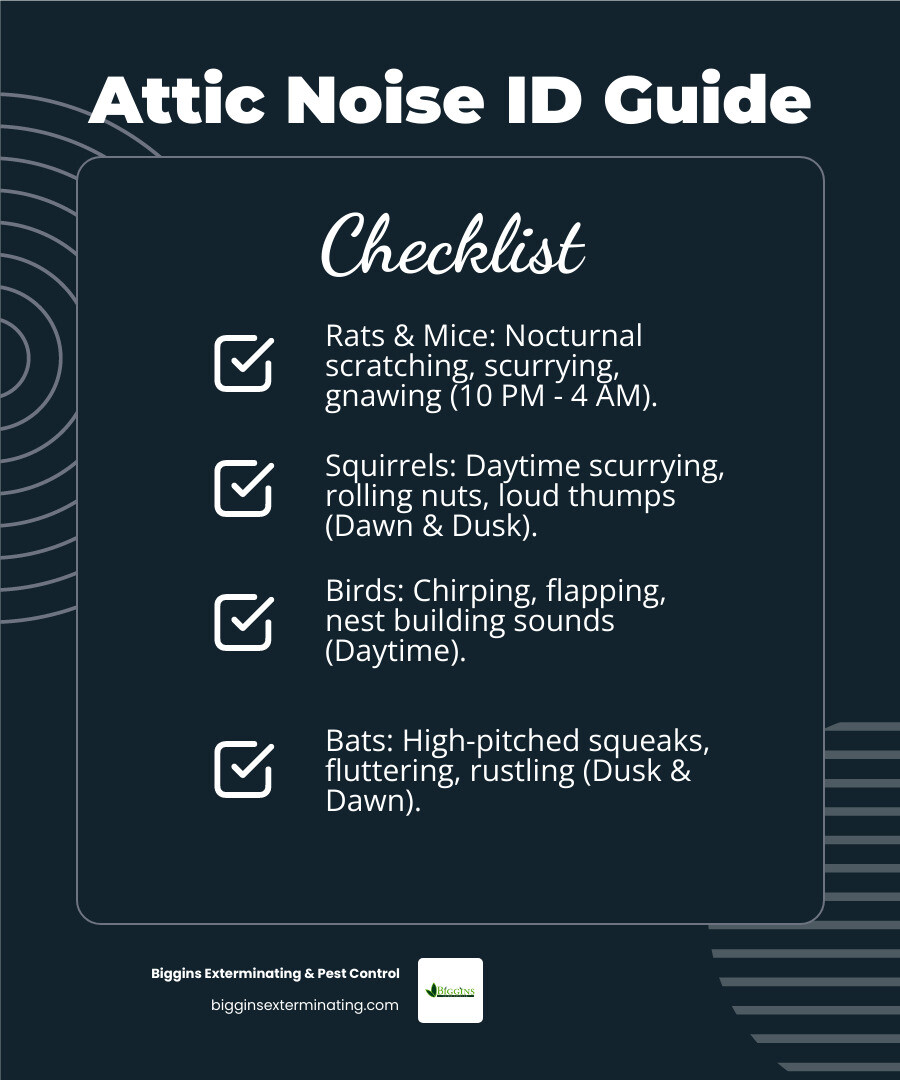
Key timing: Rats are nocturnal, so most activity happens between 10 PM and 4 AM when your house is quiet.
Quick identification tip: If you knock on the wall or ceiling and the noise stops temporarily, it’s likely rats or mice. Bats tend to keep scratching even after you knock.
These sounds aren’t just creepy—they’re warning signs. Rats reproduce incredibly fast (a single pair can produce up to 1,500 descendants in one year), and they cause serious damage by chewing electrical wiring, contaminating insulation, and spreading over 35 diseases. The longer you wait, the worse the problem becomes.
I’m Stephen Biggins, owner of Biggins Exterminating Co., and over the past 40+ years, I’ve helped hundreds of Massachusetts homeowners identify and eliminate the sound of rats in attic spaces before serious damage occurs. Every attic noise tells a story, and knowing what you’re hearing is the first step to reclaiming your peace of mind.
Sound of rats in attic basics:
What Do Rats in the Attic Sound Like?
When we receive calls about strange noises from the attic, homeowners often describe a mix of sounds that point directly to rats. These creatures are not subtle guests; their presence is usually announced by a distinct acoustic signature. Rodents, including rats, are most active at night, which is precisely when their movements and activities become most audible in the quiet of your home.
The Telltale Scratching and Scurrying
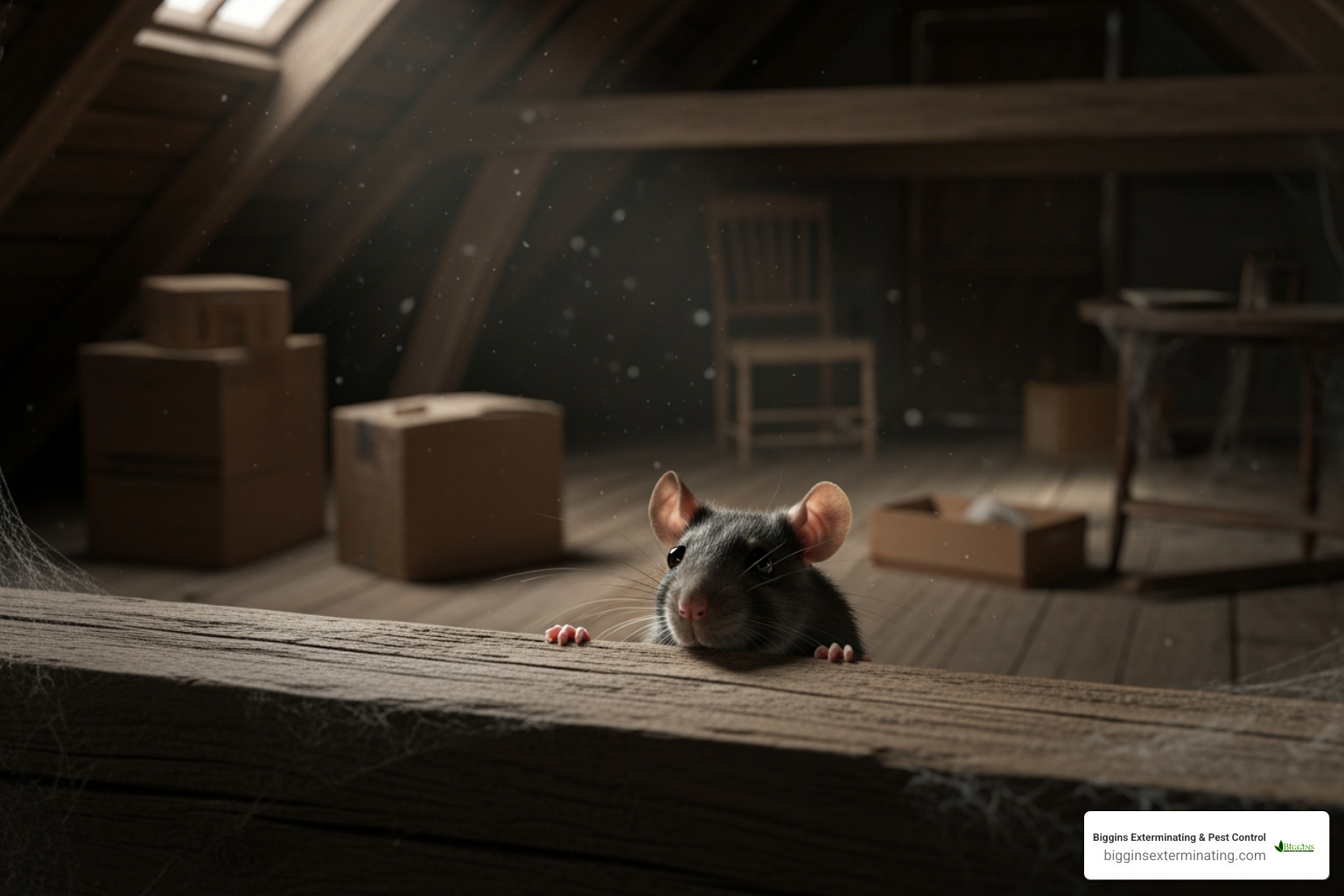
The most common sound of rats in attic spaces is a light, rapid scratching or scurrying. Imagine tiny, quick footsteps moving across a wooden floor or through insulation. This is often the first indicator that you have an unwelcome guest. These sounds are usually heard between 10 PM and 4 AM, as rats begin their nocturnal foraging for food and water. The noise can vary in intensity; lighter, faster sounds might suggest mice, while heavier, more deliberate scurrying often points to rats. If you hear these sounds against drywall or within insulation, it means they are actively exploring and establishing their territory.
For more detailed information on identifying these pests, check out our guide on rats in attic.
Gnawing and Chewing: A Destructive Symphony
Beyond movement, rats are notorious for their gnawing. Their front teeth never stop growing, so they constantly chew on various materials to keep them filed down. This leads to a persistent grinding or crunching noise emanating from your attic. This isn’t just an annoying sound; it’s a sign of potential structural damage. Rats will chew on anything from wooden beams and plastic pipes to, most dangerously, electrical wiring. The sound of this destructive symphony can be particularly alarming, as it signals direct damage to your home’s infrastructure.
Other Audible Rat Noises
While much of a rat’s communication occurs at ultrasonic frequencies beyond human hearing, some vocalizations can still be audible, especially during a more significant infestation. You might hear:
- Squeaking: Often heard when rats are communicating with each other, especially young rats or during social interactions.
- Hissing or Shrieking: Less common, but these sounds can occur during fights or when a rat feels threatened.
- Chattering: This can indicate anxiety or sometimes contentment, and is often a soft, repetitive clicking sound.
If you’re hearing these vocalizations in addition to scurrying and gnawing, it usually suggests a larger, more established infestation in your attic.
Is It Rats or Something Else? Differentiating Attic Noises
Identifying the exact pest making noise in your attic can be tricky, but it’s crucial for effective pest control. Different animals have distinct “sound signatures” and activity patterns. By paying attention to the timing, type, and location of the sounds, we can often narrow down the possibilities.
The Sound of Rats in Attic vs. Mice
While both rats and mice are rodents and make similar types of sounds, there are subtle differences that can help us distinguish between them.
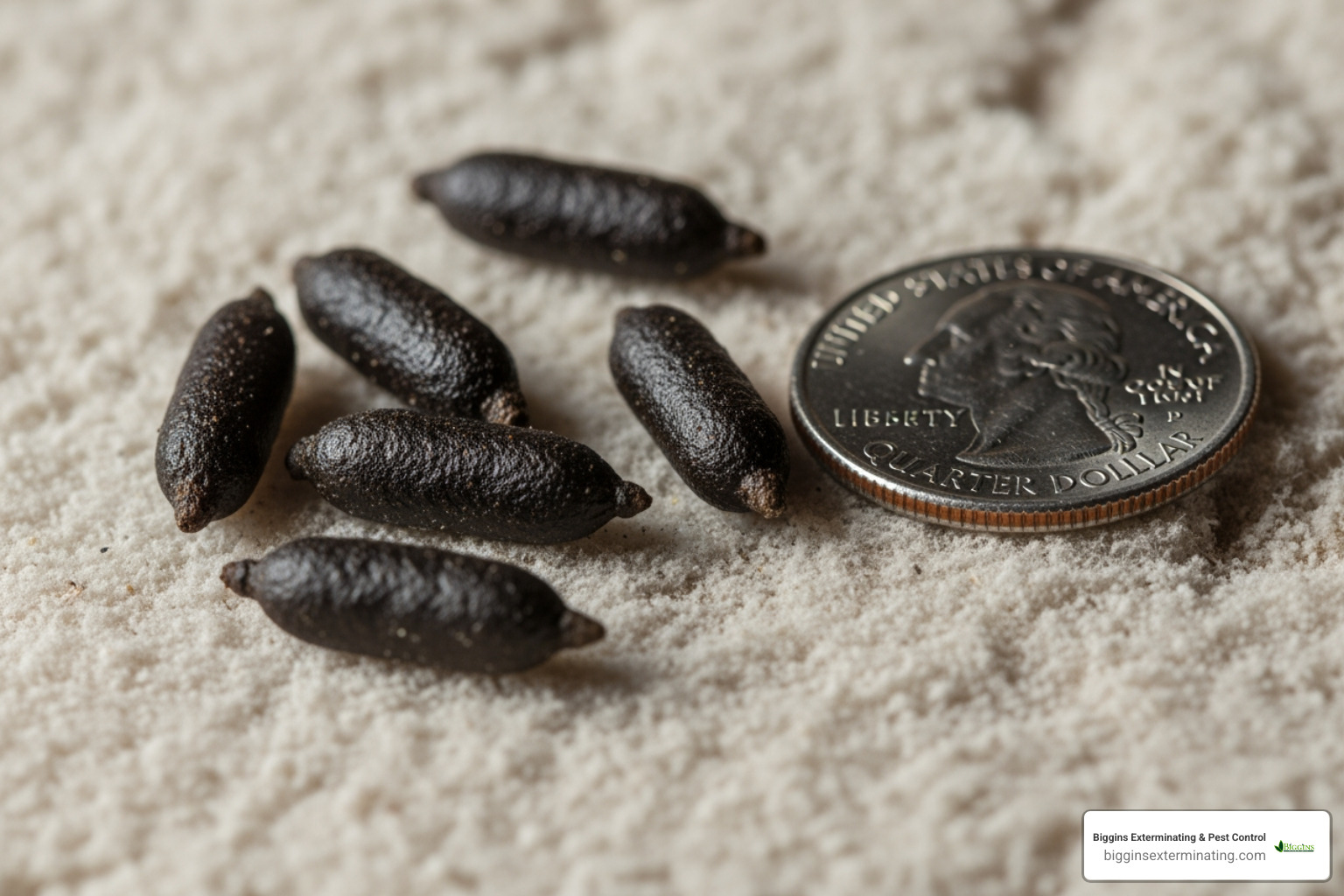
- Rats tend to produce heavier thumping or longer movement patterns. Their scratching and scurrying sounds are generally louder and more distinct. When they gnaw, it’s often a more pronounced, repetitive grinding. Their droppings are also larger, typically about half an inch long and spindle-shaped.
- Mice, being smaller, have lighter, faster footsteps. Their scurrying and scratching are fainter and more delicate. They can squeeze through holes the size of a nickel, while rats can push through holes the size of a half-dollar, meaning mice can access even tighter spaces.
For more information on dealing with these smaller intruders, visit our page on mice pest control.
Rats vs. Squirrels
Squirrels are another common culprit for attic noises, especially in our Massachusetts communities. The key difference here is timing.
- Squirrels are diurnal, meaning they are most active during the day. You’ll typically hear them at dawn and dusk, scampering, gnawing, or even making chattering sounds. They might also make a “rolling” sound as they move nuts or other food items.
- Rats, as we’ve discussed, are primarily nocturnal. If the noises are keeping you up at night, it’s more likely rats. Squirrels’ movements are often louder and more erratic than rats, characterized by frantic running and louder thumping.
Rats vs. Birds or Bats
Birds and bats can also find their way into attics, but their sounds are quite different from those of rodents.
- Birds are diurnal, so if you hear chirping, flapping, or scratching throughout the day, especially near vents or openings, it’s likely a bird. They might be building a nest or a fledgling could be trapped.
- Bats are nocturnal, but their sounds are usually fluttering, scratching, or high-pitched chittering. A key differentiator is their response to noise: if you knock on a wall, bats may continue to scratch or respond, whereas rats and mice will usually quiet down temporarily. Bats are protected animals and require special handling for removal. It is actually a criminal offense to remove bats without proper licensing, as they are beneficial to our environment. For more information, the Bat Conservation Trust provides valuable guidance.
Here’s a quick comparison table to help differentiate common attic pests:
| Pest | Primary Sounds | Activity Times | Dropping Description |
|---|---|---|---|
| Rats | Heavy scurrying, loud gnawing, scratching | Night (10 PM – 4 AM) | Dark, spindle-shaped, ~1/2 inch long |
| Mice | Light scurrying, faint scratching, nibbling | Night | Small, pellet-shaped, ~1/8 inch long |
| Squirrels | Loud scampering, frantic running, chattering, rolling | Day (dawn & dusk) | Small, barrel-shaped, ~1/4 inch long, often scattered |
| Birds | Chirping, flapping, scratching, tweeting | Day | White, liquid, often found in concentrated piles |
| Bats | Fluttering, soft scratching, high-pitched chittering | Night | Dark, crumbly, often mistaken for droppings, found in piles |
Beyond the Noise: Other Signs of a Rat Infestation
While the sound of rats in attic spaces is often the first clue, these clever creatures leave behind a trail of other evidence that confirms their presence. We always advise homeowners to look for these additional signs during daylight hours when rats are less active.
Physical Evidence: Droppings and Urine Stains
One of the most undeniable signs of a rat infestation is their droppings. Rat feces are typically banana-shaped and about half an inch in length, larger than mouse droppings. You’ll often find them along beams, in corners, near food sources, or scattered across attic insulation. Along with droppings, rats leave behind urine. A strong, musky odor in your attic or even permeating into your living space can be a sign of rat urine, which has a distinct ammonia smell. In severe, long-standing infestations, you might even find “urine pillars”—mounds of grease, dirt, and urine that have solidified.
Telltale Damage: Gnaw Marks and Nests
Rats’ constant need to chew means they inflict visible damage on your home. Look for:
- Bite marks: On wooden structures like beams, rafters, or even stored items.
- Damaged wires: This is a critical sign, as chewed electrical wiring is a leading cause of house fires.
- Shredded insulation: Rats will tear apart insulation to create cozy nests. You might see tunnels or “burrow paths” in the insulation.
- Nests: These are usually made from readily available materials like shredded paper, fabric, cardboard, or even thin plastics.
For a comprehensive guide on how to identify and prevent these issues, refer to our article on how to identify and prevent rodent infestations in Massachusetts.
Why Hearing the Sound of Rats in Attic is a Serious Problem
Hearing the sound of rats in attic spaces is more than just an annoyance; it’s a clear warning sign of significant risks to your property and your family’s health. We’ve seen how quickly a small problem can escalate into a major headache for homeowners across Wilmington, Andover, Bedford, and other Massachusetts towns.
For a deeper dive into the dangers, explore our article on the top 5 dangers of rodents in and around your home or business.
Major Health Risks to Your Family
Rats are not just pests; they are carriers of numerous diseases that can pose serious threats to human health. According to the Centers for Disease Control and Prevention (CDC), rats can carry over 35 diseases, including leptospirosis, salmonella, and hantavirus. Hantavirus, in particular, is a severe respiratory illness that can be fatal. You don’t even need direct contact to get sick; exposure to their droppings or urine can cause airborne contamination when disturbed, especially during cleanup.
Moreover, the presence of rat droppings and urine can exacerbate asthma and allergies, particularly in children. The allergens can spread through your home’s HVAC system, impacting indoor air quality.
Significant Property and Structural Damage
The incessant gnawing of rats causes extensive damage. As their teeth never stop growing, they chew on almost anything to keep them filed down. This leads to:
- Fire hazard from chewed wires: Chewing on electrical wiring by rats is a leading cause of house fires. This is an incredibly serious risk that demands immediate attention.
- Damaged plumbing: Rats can gnaw through plastic pipes, leading to leaks and water damage.
- Contaminated insulation: Attics are prime locations for rats to build nests. They rip up insulation, not only destroying its integrity but also contaminating it with urine and droppings. This reduces your home’s energy efficiency and can lead to costly replacement.
- Weakened wooden structures: Continuous gnawing on wooden beams and joists can compromise the structural integrity of your attic and home.
The Speed of Infestation
One of the most alarming aspects of a rat infestation is how quickly it can grow. These creatures are prolific breeders. A single pair of rats can produce up to 1,500 descendants in just one year. This means that if you hear a few scurries today, you could have a full-blown infestation within months. Ignoring early signs or delaying action allows a small problem to escalate into a much larger, more difficult, and more expensive issue to resolve.
What to Do Next: A Plan for a Rat-Free Attic
Hearing the sound of rats in attic spaces is a signal that it’s time to take action. While some initial steps can be taken by homeowners, effective and long-term rat removal almost always requires professional expertise. Our goal at Biggins Exterminating is not just to remove the current invaders but to ensure they don’t return.
For a comprehensive approach to managing these issues, explore our page on effective rodent control methods.
Step 1: Professional Inspection is Key
The first and most critical step is a thorough professional inspection. Our experienced technicians will:
- Identify the specific pest species: Confirming whether it’s rats, mice, squirrels, or another animal is essential for tailoring the right treatment plan.
- Locate all entry points: Rats can squeeze through surprisingly small openings—a hole the size of a nickel for mice, and a half-dollar for rats. We’ll carefully search for these vulnerabilities around your roofline, vents, fascia, and foundation in your Massachusetts home.
- Assess the infestation size: This helps us determine the scope of the problem and the appropriate removal strategies.
- Evaluate damage: We’ll look for chewed wires, contaminated insulation, and other structural damage that needs addressing.
A detailed inspection is the foundation of any successful pest control strategy. You can learn more about our process in our guide to pest control inspections.
Step 2: Effective and Safe Removal
Once we’ve identified the invaders and their entry points, the next step is removal. We prioritize effective and humane methods that ensure the safety of your family and pets.
- Trapping vs. Poison: While DIY stores offer rodenticides, we generally advise against using poison baits, especially in attics. Poisoned rats can die in inaccessible areas within your walls or attic, leading to foul odors that can last for weeks. More importantly, rodenticides pose a significant risk of secondary poisoning to pets, local wildlife, and even children.
- Professional Trapping Strategies: We use strategic placement of snap traps or multi-catch traps in high-activity areas. We often pre-bait traps (unarmed) for a day or two to get the rats accustomed to them, increasing the success rate. Our technicians wear gloves when handling traps to prevent transferring human scent, which can deter cautious rodents.
Step 3: Exclusion for Long-Term Prevention
Removal is only half the battle. To prevent future infestations, exclusion is paramount. This involves sealing off all potential entry points.
- Sealing Entry Points: We use durable, chew-proof materials like metal flashing, hardware cloth, or steel wool to seal gaps and cracks. Unlike foam, these materials cannot be easily chewed through by determined rodents.
- Habitat Modification: We’ll also provide recommendations for modifying your home’s exterior to make it less attractive to rats. This includes trimming tree branches at least 8-10 feet away from your roofline, storing firewood and mulch away from your foundation, and securing outdoor garbage cans.
For more preventative tips relevant to our local climate, see our tips for winter rodent prevention 101.
When to Call a Professional for the Sound of Rats in Attic
While some homeowners might attempt DIY solutions, there are clear signs that it’s time to call in the experts:
- Large Infestations: If the noises are widespread, frequent, or accompanied by numerous droppings, the problem is likely beyond a simple DIY fix.
- Significant Damage: Visible damage to wires, insulation, or structural elements requires professional assessment and repair.
- Overwhelming Odor: A strong, persistent musky or ammonia smell indicates a well-established infestation and significant contamination.
- For Safe Cleanup: Cleaning up rat droppings and urine can be hazardous due to airborne pathogens. Professionals have the right equipment and knowledge to do this safely.
- When DIY Fails: If you’ve tried various methods but the sound of rats in attic continues, it’s time to bring in the pros.
Deciding when to call an exterminator is a crucial step in protecting your home and family.
Frequently Asked Questions about Attic Noises
Can rats chew through attic walls?
Yes, rats are capable of chewing through various materials, including drywall, wood, plastic, and even some softer metals. Their teeth are constantly growing, so they have a persistent need to gnaw. In attics, they often widen existing small gaps or travel through wall voids and duct chases. This gnawing can lead to structural damage and, more dangerously, can expose and damage electrical wiring, creating a fire hazard.
If the scratching in my attic stopped, does that mean the rats are gone?
Not necessarily. Unfortunately, a temporary cessation of noise does not guarantee the rats are gone. Rodents can be intermittent in their activity, or they might have simply moved to another area of the attic or even another part of your home. They might also temporarily quiet down if they sense your presence. Continued monitoring for other signs of infestation, such as droppings or gnaw marks, is essential. If the noises return, or if you find other evidence, further action is required.
How quickly can a rat infestation get out of control?
A rat infestation can escalate very quickly. Rats are prolific breeders, and a single pair can produce multiple litters throughout the year. As we mentioned earlier, a single pair of rats can produce up to 1,500 descendants in one year under ideal conditions. This rapid reproductive rate means that what starts as a few scurries can very quickly become a significant infestation within a few short months. Prompt identification and professional intervention are critical to prevent the population from exploding.
Your Local Solution for a Quiet Attic
The sound of rats in attic spaces is more than just an irritating noise; it’s a clear indicator of a serious problem that requires immediate attention. From the potential for significant property damage, including dangerous electrical fires, to the severe health risks posed by the diseases rats carry, ignoring these sounds is a gamble no homeowner should take.
At Biggins Exterminating, we understand the unique challenges Massachusetts homeowners face with rodent infestations, especially as rodents seek shelter indoors during colder months. For over 40 years, our family-owned and operated company has been the trusted local choice for homeowners in Wilmington, Andover, Bedford, Billerica, Burlington, Lexington, North Reading, Tewksbury, and Woburn, MA. We pride ourselves on providing expert, reliable, and professional solutions that prioritize the safety of your home and family. We offer comprehensive rodent control services without requiring contracts, provide warranties, and ensure customer satisfaction, all backed by four decades of community trust.
Don’t let the unsettling sounds from your attic disrupt your peace of mind or jeopardize your home. If you suspect rats or any other unwanted guests have taken up residence above your ceiling, contact us today. We’re here to help you restore peace and safety to your home.
