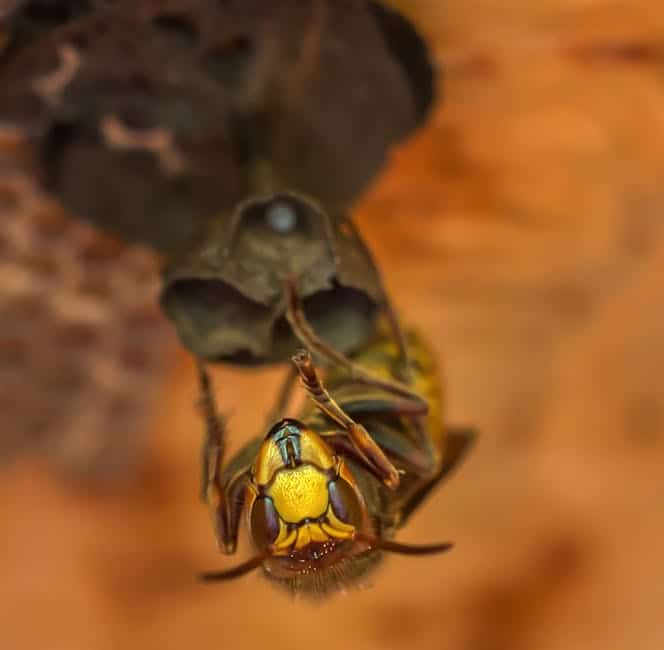
Why Effective Wasp and Hornet Control Matters for Your Home
Wasp hornet control is more than a summertime convenience—it is a safety issue. Disturb the wrong nest and a backyard party can end with a trip to the emergency room. Stinging insects account for about 225,000 ER visits and close to 100 fatalities in the U.S. every year.
Quick Wasp & Hornet Control Checklist
- Treat at night: insects are sluggish when temperatures drop.
- Suit up: thick clothing, gloves, eye/face protection.
- Know your limits: call a pro for large, hidden, or high nests—or if anyone in the household has allergies.
- Prevent: seal gaps, remove food, inspect regularly.
- Medical help: dial 911 for any sign of an allergic reaction.
Get to know the culprits:
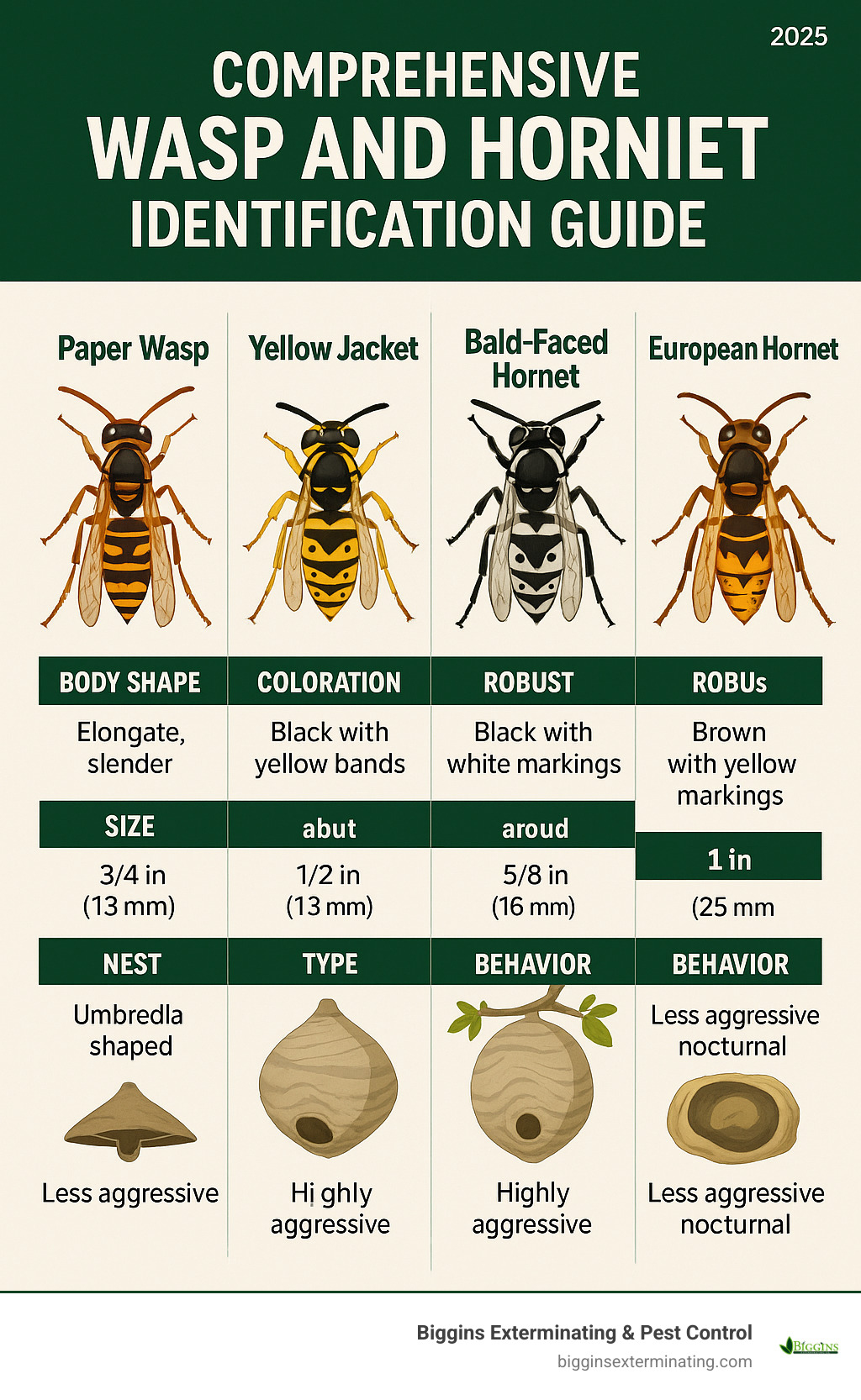
• Paper wasps craft umbrella-shaped nests under eaves.
• Bald-faced hornets create gray “footballs” in trees.
• Yellow jackets usually nest underground or in wall voids and become extremely aggressive in late summer when they crave sugar.
I’m Stephen Biggins, and our Wilmington-based family company has been removing stinging insects across northeastern Massachusetts for four decades. Small, accessible nests can sometimes be handled with care, but professional removal is usually the fastest, safest answer.
Wasp hornet control terms to learn:
Know Your Enemy: Identifying Wasps, Hornets, and Yellow Jackets
Effective wasp hornet control starts with identification. All three belong to the Vespidae family, yet their temperaments and nesting habits vary dramatically.
Paper wasps are the “gentlemen”—they attack only to defend their small umbrella nests. Yellow jackets are the rowdy cousins: unpredictable, highly protective of underground or wall nests, and sugar-obsessed late in the season. Hornets (including bald-faced and European) pack the most painful stings and release alarm pheromones that rally the entire colony.
For myth-busting facts see debunking myths about hornets and wasps or the UNH guide on controlling wasps, bees and hornets.
Key Differences Between Wasps, Hornets, and Bees
| Characteristic | Wasps | Hornets | Bees |
|---|---|---|---|
| Body Shape | Smooth, narrow waist | Larger, smooth | Hairy |
| Diet | Predatory | Predatory | Nectar/pollen |
| Stinger | Multiple uses | Multiple uses | One-time |
| Nest Material | Paper | Paper | Wax |
| Aggressiveness | Moderate–high | Very high | Low |
| Colors | Black/yellow | Black with white/yellow | Brown/amber |
Remember: bees are pollinators and rarely a threat, so protect them whenever possible.
Common Species in Massachusetts
- Paper wasps: ½–¾-inch; dangling legs; nests under eaves.
- Yellow jackets: ½-inch; bright yellow; colonies up to 5,000.
- Bald-faced hornets: ¾-inch; black with white face; football nests.
- European hornets: up to 1-inch; brown/orange; less aggressive but painful sting.
- Mud daubers & cicada killers: solitary and generally harmless.
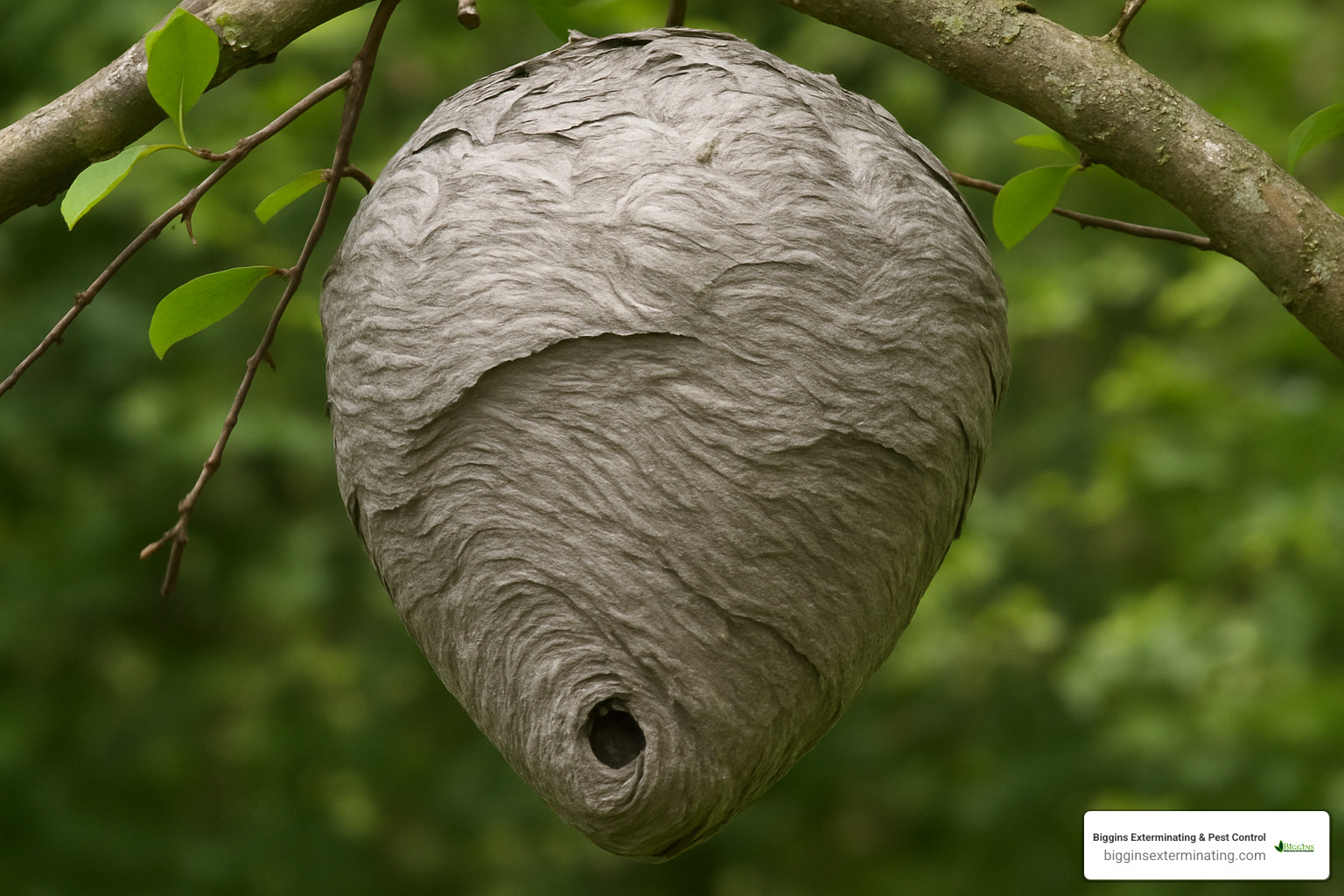
For nest photos and safety tips visit hornets and wasps: identifying nests and ensuring safety.
Understanding Their World: Nests, Life Cycles, and Behavior
Knowing when and where wasps and hornets operate lets you outsmart them.
In spring, overwintered queens scout for nest sites. By summer, workers have expanded that starter nest into a busy colony. Late summer is peak population—and peak aggression—as workers switch from hunting protein for larvae to scavenging sugar for themselves. By fall, new queens leave to overwinter and the rest of the colony dies off.
Where Do Wasps and Hornets Build Nests?
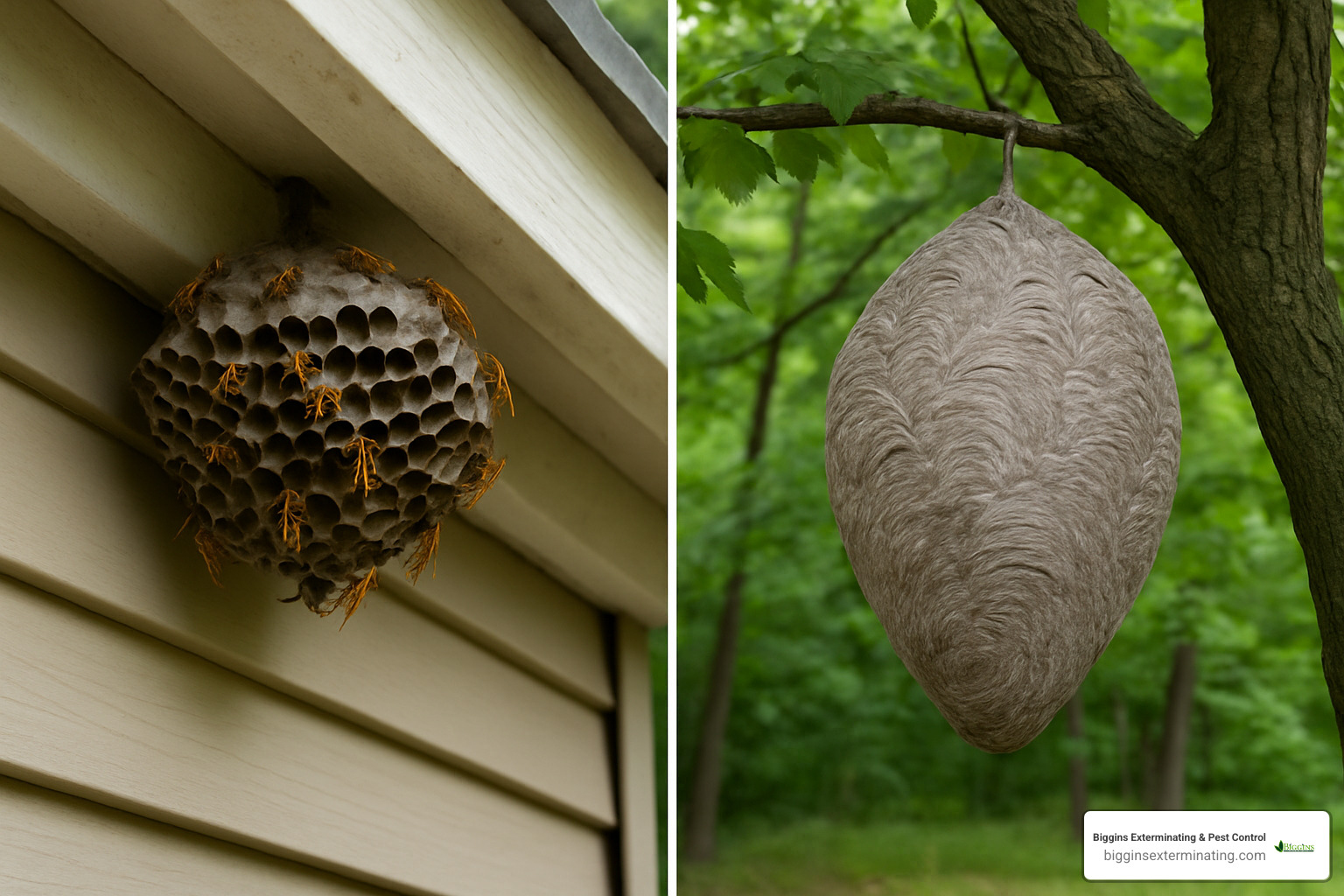
- Aerial: paper wasps under eaves; bald-faced hornets in trees or soffits.
- Ground: yellow jackets commandeer abandoned rodent burrows.
- Wall voids/attics: concealed nests often require professional access.
If you suspect activity near your roofline, see our guide on remove wasp nest from soffit.
The Annual Life Cycle of a Colony
- Spring: single queen starts nest.
- Summer: exponential growth; workers forage.
- Late summer: colony peaks—yellow jacket nests can top 4,000–5,000 insects.
- Fall: colony dies; fertilized queens overwinter.
Treating nests early means fewer insects and less risk. Learn more at wasp nest pest control.
Proactive Prevention: How to Keep Wasps and Hornets Away
Stopping nests before they start is cheaper—and safer—than removing them later.
Seal Your Home and Property
Each spring, inspect:
- Caulk gaps around windows, doors, and utility lines.
- Repair torn screens and cover attic/soffit vents with hardware cloth.
- Fill abandoned burrows that yellow jackets might adopt.
Full checklist: top 5 ways to prevent hornet and wasp nests on your property.
Eliminate Food & Water
Secure trash lids, rinse recyclables, clean spills, pick up fallen fruit, bring pet food indoors, and fix outdoor leaks. These small steps remove the protein and sugar buffet that attracts stingers.
Natural Deterrents
Plant mint, citronella, eucalyptus, wormwood, or marigolds near patios. Peppermint-oil–soaked cotton balls can help in small spaces, but remember: deterrents won’t remove an active colony—call the pros if you already have a nest.
DIY Wasp and Hornet Control: Methods and Safety Precautions
A single mistake around an active nest can mean dozens of stings, so honest risk assessment is critical.
Best Timing
- Season: early spring, before colonies expand.
- Day: dusk or dawn when temps are cool and workers are inside.
More on seasonal timing: can I remove a wasp’s nest in winter?
Safety Steps
- Wear thick, sealed clothing, gloves, eye protection—ideally a bee suit.
- Stand off to the side of the entrance and use a long-range spray from ground level.
- Plan your exit route before you spray; clear obstacles.
- Wait 24 hours, then re-check for activity before removing the nest.
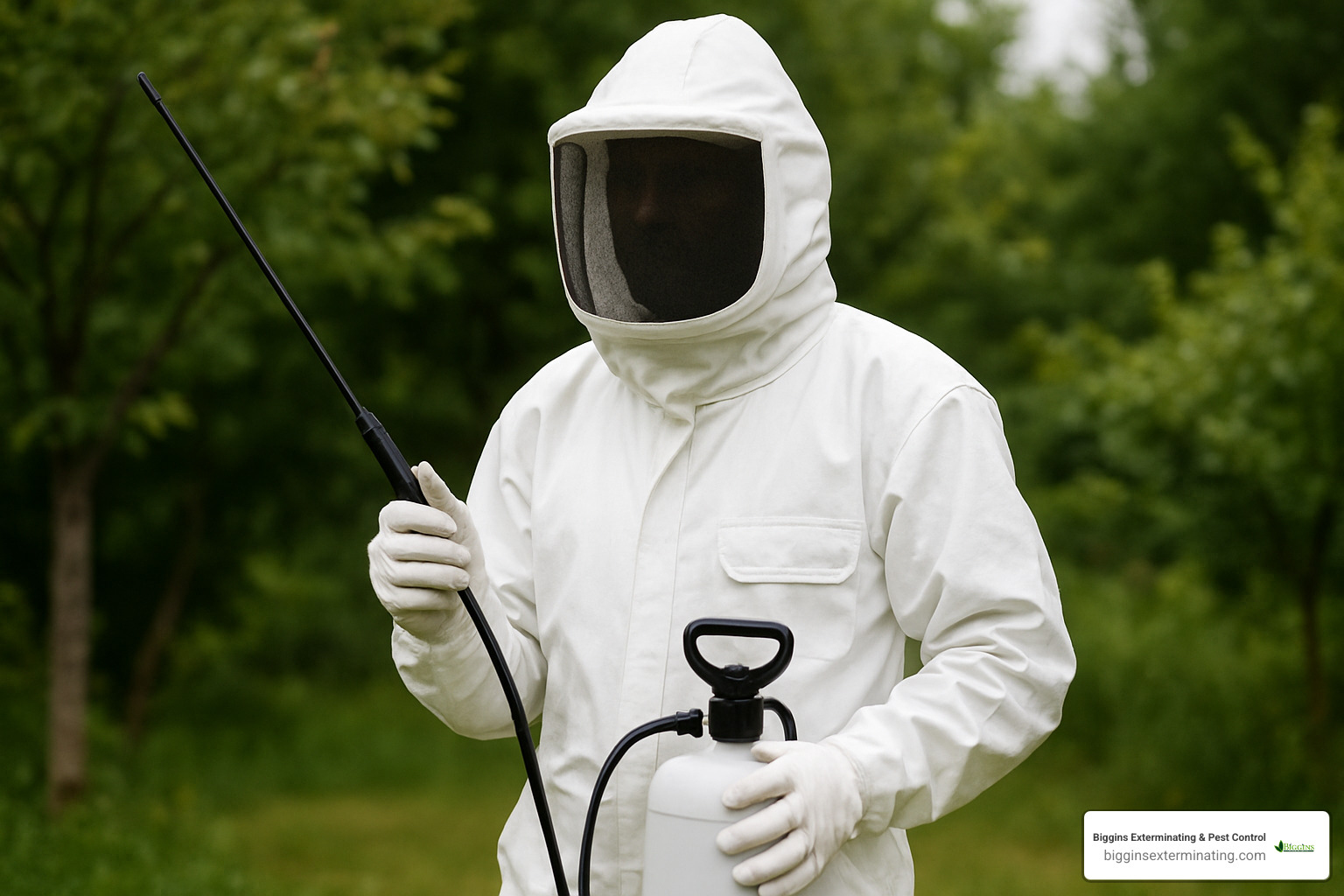
See detailed tactics for large aerial nests: how to remove bald-faced hornet nest.
Even experienced DIYers should step back if the nest is big, hidden, or anyone nearby is allergic. In those cases, book a wasp treatment near me instead.
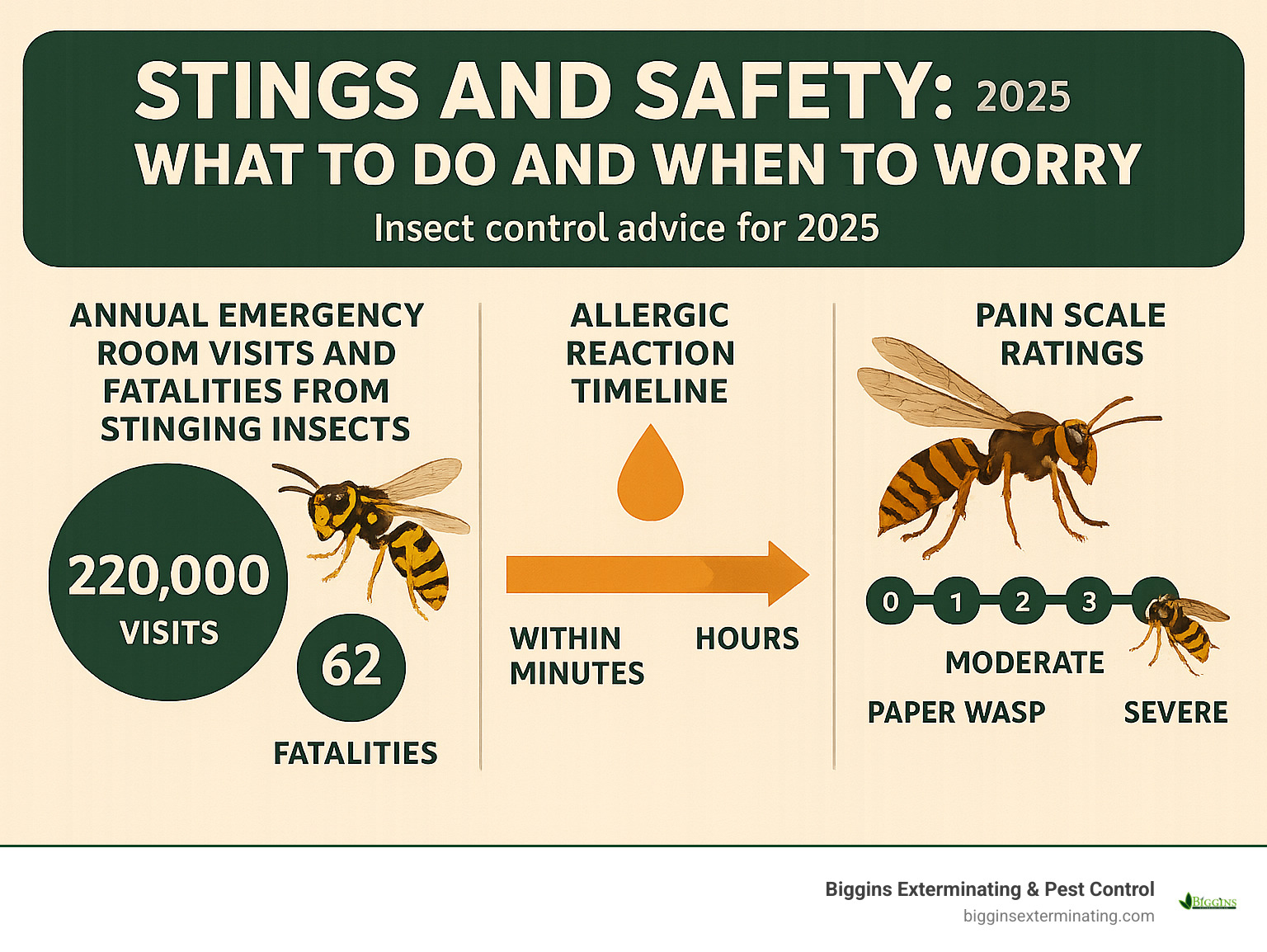
Stings and Safety: What to Do and When to Worry
Pain isn’t the only danger—about 2 million Americans are allergic to insect venom.
Avoiding Stings
Move slowly, don’t swat, wear light colors, skip perfumes, and keep drinks covered—especially in late summer.
First Aid
- Scrape out any visible stinger.
- Wash with soap and water.
- Apply a cold compress 10 min on/10 min off.
- Take an oral antihistamine; try a baking-soda paste for itch.
- Watch for allergic signs during the first 20 minutes.
Full medical guidance: University of Kentucky stinging insect fact sheet.
When to Call 911
Trouble breathing, throat swelling, dizziness, or widespread hives signal anaphylaxis—use an epinephrine auto-injector if available and seek emergency care immediately. Multiple stings can also be dangerous for children or seniors. Professional wasp hornet control reduces these risks altogether.
When to Call Professionals for Wasp and Hornet Removal
Sometimes the smartest DIY decision is knowing when to stop.
Red Flags That Require an Exterminator
- Nest larger than a softball.
- Hidden in wall voids, attics, chimney gaps, or high eaves.
- Household member with a sting allergy.
- Aggressive behavior near the nest.
- Previous DIY attempt failed.
If you need help fast, use our emergency wasp removal near me service.
What Pros Bring to the Table
Inspection, species ID, custom treatment, professional protective gear, nest removal, sealing of entry points, and warranties. Learn why this matters: the importance of hiring a professional pest control service.
Cost
Internet sources show nationwide average costs of roughly $150–$700, with difficult cases exceeding $1,000. (These are averages and not actual prices for Biggins Exterminating.) Factors include nest size, location, species, and follow-up needs. For ball-park figures see yellow jacket exterminator cost.
Conclusion
Taking control of wasps and hornets around your home doesn’t have to be overwhelming when you understand the right approach. Throughout this guide, we’ve covered the essential strategies that will help you protect your family and enjoy your outdoor spaces safely.
Identification forms the foundation of effective wasp hornet control. When you can tell the difference between a beneficial bee and an aggressive yellow jacket, you’re making smarter decisions about what needs treatment and what should be left alone. Paper wasps under your eaves require different handling than a massive bald-faced hornet nest in your maple tree.
Prevention remains your most powerful tool in the long run. Simple steps like sealing cracks around your home, keeping garbage cans covered, and cleaning up fallen fruit can dramatically reduce your chances of dealing with established colonies. It’s much easier to prevent a problem than to solve one later.
Safe DIY methods have their place, but only when conditions are right. Small, accessible nests early in the season might be manageable with proper protective gear and careful planning. However, there’s no shame in recognizing when a situation is beyond your capabilities – in fact, it’s the smart thing to do.
Professional help becomes essential when safety is at stake. Large nests, difficult locations, household allergies, or aggressive colonies all warrant calling in experts who have the right equipment and experience to handle dangerous situations safely.
These insects aren’t just pests – they’re actually important predators that help control other insects in our environment. But when they threaten your family’s safety or prevent you from enjoying your backyard barbecue, taking action becomes necessary. The key is doing it safely and effectively.
Your outdoor spaces should be places of relaxation and enjoyment, not sources of anxiety about painful stings. With the right knowledge and approach to wasp hornet control, you can reclaim your deck, patio, and garden areas.
For guaranteed and safe removal of wasp and hornet nests in the Wilmington, MA area and surrounding communities including Andover, Bedford, Billerica, Burlington, Lexington, North Reading, Tewksbury, and Woburn, trust the experts with over 40 years of experience. Contact us for professional hornet and wasp removal services and enjoy your outdoor spaces with confidence.