
Why Understanding Pest Inspections Matters for Your Home
What is pest inspection? A pest inspection is a comprehensive assessment of your property by a trained professional. They examine the interior and exterior for signs of pest activity, structural damage, and conditions that could attract pests like termites, carpenter ants, and rodents. Findings are documented in a detailed report with recommendations for treatment and prevention.
Quick Answer:
- Definition: A thorough property examination by a licensed professional.
- Purpose: To identify current infestations and conditions that attract pests.
- What’s Checked: Interior rooms, attics, basements, crawl spaces, exterior, foundation, and landscaping.
- What’s Found: Wood damage, droppings, nests, entry points, moisture, and pests.
- Duration: Typically 30 minutes to 2 hours.
- Cost: Averages $100-$300, but varies by provider and property.
In Massachusetts, our climate creates ideal conditions for pests year-round. Spring brings carpenter ants, while fall sees rodents seeking shelter indoors. A termite infestation can go unnoticed for years, causing immense damage.
Whether you’re buying a home, maintaining your property, or suspect pest activity, an inspection protects your family’s health and your investment. Early detection saves money and provides peace of mind.
I’m Stephen Biggins. My family’s company has protected Massachusetts homes since 1982. I’ve seen how catching problems early makes all the difference in maintaining a safe, pest-free home.
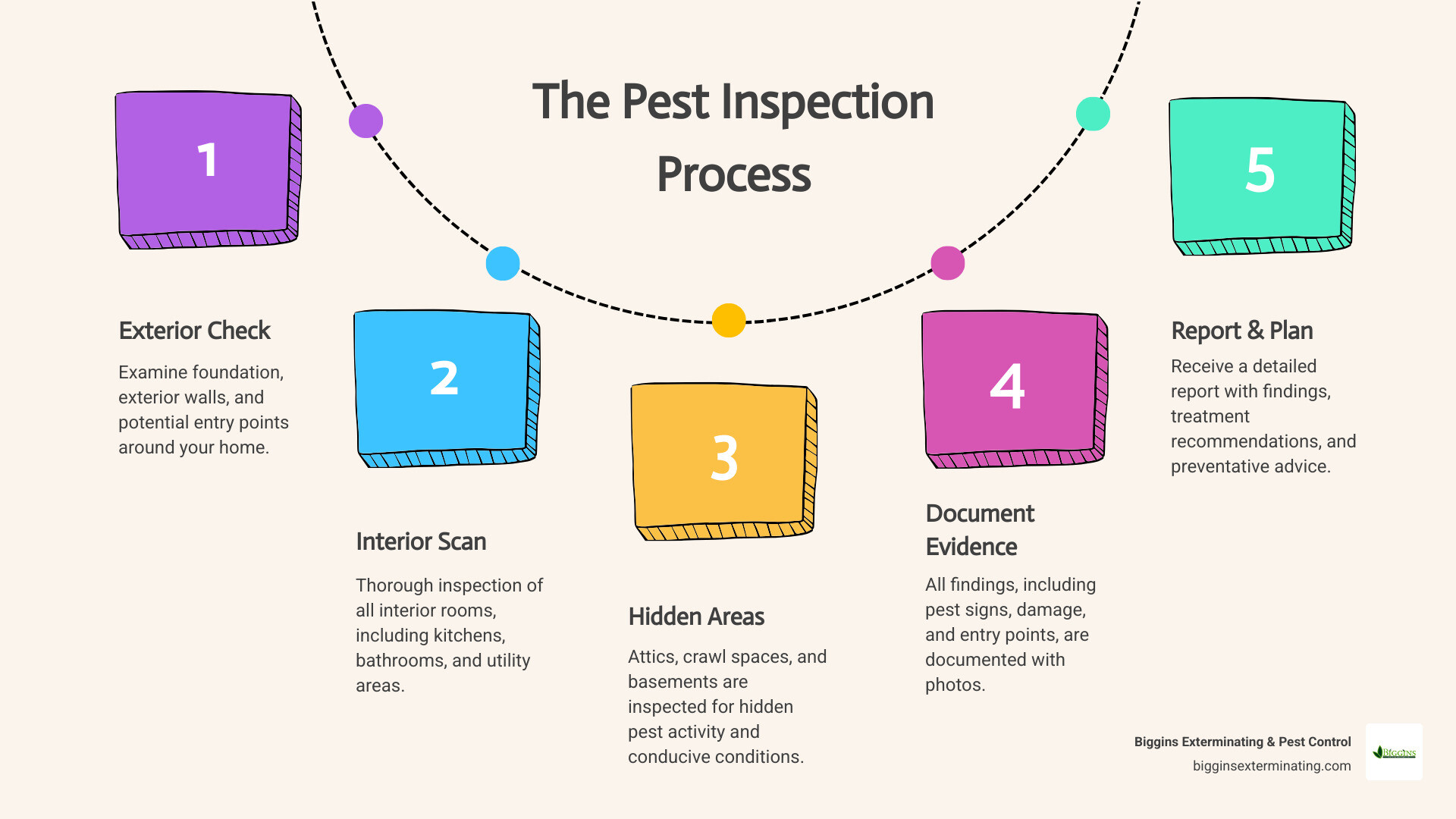
What is pest inspection? terms to learn:
What is a Pest Inspection and Why is it Crucial?
What is pest inspection? It’s a systematic examination of your property by a trained professional to find where pests hide, feed, and cause trouble. Pests are experts at staying hidden, and an inspection can uncover problems before they become severe.
For example, termites can silently devour your home’s structure for years. According to the National Pest Management Association, termites cause an estimated $5 billion in damage to U.S. structures annually. Early detection through an inspection can save you thousands in repairs.
Beyond preventing structural damage, inspections are vital for reducing health risks. Rodents can carry diseases, and cockroaches can trigger asthma and allergies. Knowing your home is pest-free also lowers homeowner stress.
In Massachusetts, seasonal pest activity makes regular inspections crucial. Spring brings carpenter ants, while fall sends rodents indoors. An inspection helps you stay ahead of these patterns. For more insights, see The Importance of Regular Pest Inspections: Safeguarding Your Home and Health.
The Key Difference Between a Home Inspection and a Pest Inspection
Many homeowners confuse a general home inspection with a pest inspection. They are different services with different goals.
- A home inspection is a broad review of the property’s general condition, including the roof, plumbing, electrical, and HVAC systems.
- A pest inspection has a specific focus on finding pests, especially wood-destroying organisms like termites and carpenter ants, as well as rodents and other common invaders.
A home inspector might spot obvious pest signs, but a pest professional has the specialized training and tools to find hidden infestations. That’s why you need both when buying a home.
What is the Purpose of a Pest Inspection?
A professional pest inspection accomplishes several critical goals:
- Identifying current infestations: We find out what pests are present right now.
- Finding conditions conducive to pests: We identify vulnerabilities like moisture issues or foundation cracks that attract pests.
- Assessing property damage: We determine the extent of any damage, especially from wood-destroying insects.
- Providing treatment recommendations: We create a custom plan to eliminate pests and prevent their return.
The purpose is to protect your investment and ensure your family lives in a safe, healthy environment.
The Pest Inspection Process: A Step-by-Step Guide
A pest inspection is a thorough investigation of your property. Think of us as detectives looking for clues pests leave behind.
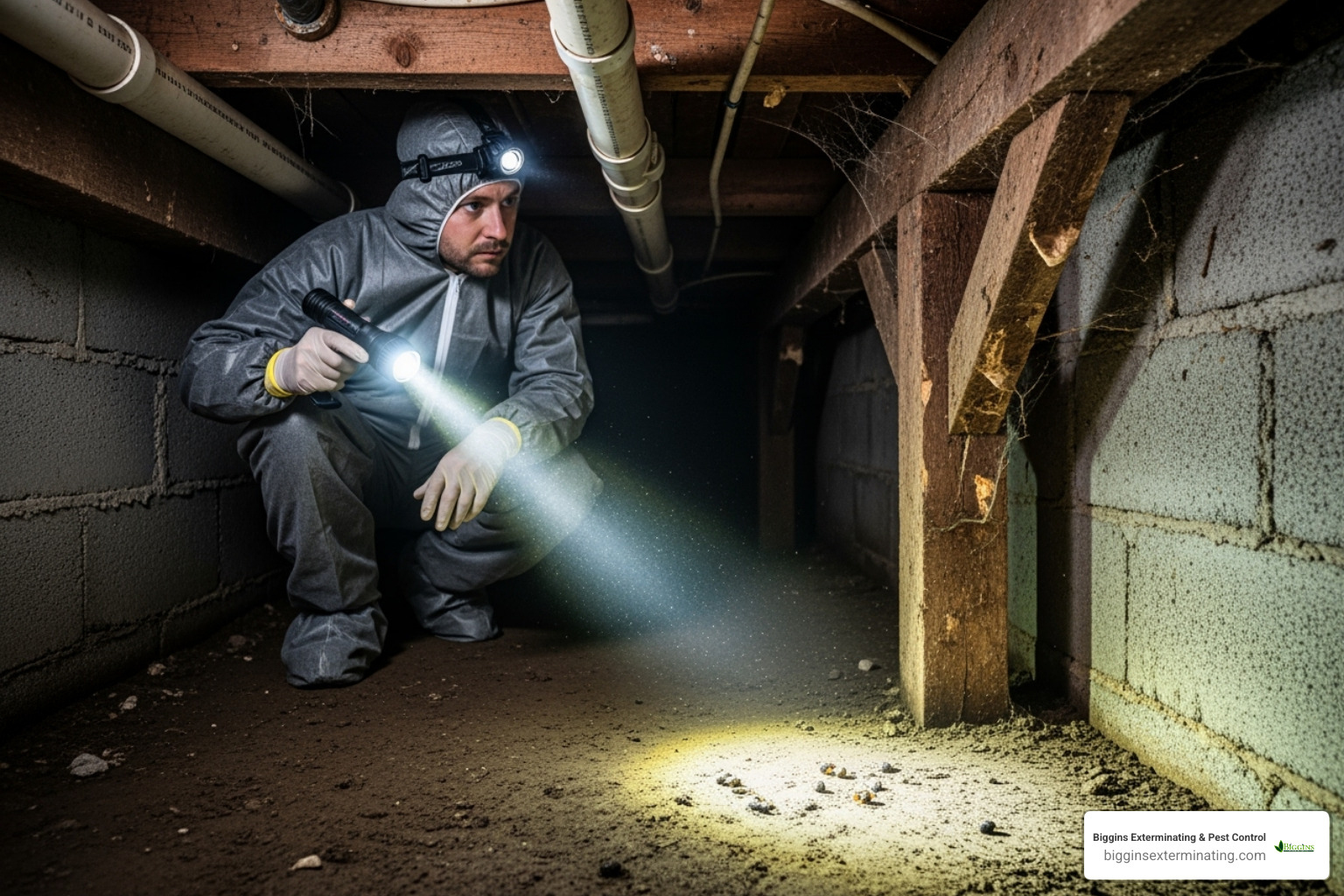
Our process covers all potential hotspots:
- Interior Inspection: We systematically check each room, paying close attention to kitchens and bathrooms where moisture and food attract pests. We look under sinks, around appliances, and where plumbing enters.
- Exterior Inspection: We walk the perimeter, examining the foundation for cracks, siding for damage, and eaves for nests. We also check for gaps around utility lines that serve as pest entry points.
- Hidden Areas: Attics, crawl spaces, and basements are crucial, as they offer shelter for pests. We look for droppings, nests, chewed insulation, and termite mud tubes.
- Outbuildings and Landscaping: Garages, sheds, and woodpiles can harbor pests that eventually move indoors. We examine these areas, along with landscaping near the foundation.
To help us, please clear clutter from areas we need to access. For more tips, see How to Prepare Your Home for Pest Control Treatment in Massachusetts.
How Long Does a Pest Inspection Take?
Most inspections take 30 to 90 minutes, but can be longer for large or complex properties. The time depends on property size, accessibility, and the complexity of any infestation we find. We prioritize thoroughness over speed to ensure we don’t miss anything.
What Do Inspectors Look For?
We look for current pest activity and conditions that invite future problems. Key things include:
- Moisture Issues: Leaky pipes, poor drainage, and condensation create ideal environments for pests like termites.
- Entry Points: Cracks in your foundation and gaps around pipes are open doors for rodents and insects.
- Damaged Wood: Hollow-sounding wood, mud tubes, or sawdust-like frass can indicate termites or carpenter ants.
- Seasonal Pests: In Massachusetts, we’re vigilant for signs of carpenter ants in spring, wasps in summer, and rodents in fall. We identify vulnerabilities in your home’s defenses to prevent future infestations.
Common Pests and Telltale Signs of an Infestation
Recognizing the signs of a pest infestation is your first line of defense. Pests are sneaky, but they always leave evidence. Knowing what to look for helps you catch problems early.

Proactive monitoring of your property can prevent small issues from escalating. For a detailed guide, see Signs That You Have a Pest Infestation.
What are the Signs of a Pest Infestation?
Pests leave behind telltale clues. Here are common signs to watch for:
- Droppings or urine stains: From rodents or cockroaches, often found in cabinets, drawers, and basements.
- Gnaw marks: On wood, wiring, or food packaging, indicating rodents.
- Nests or burrows: Shredded paper or fabric nests in quiet spots, or burrows along your foundation.
- Unusual noises: Scratching or scurrying sounds in walls or ceilings, especially at night.
- Damaged items: Holes in fabrics from moths or damage to plants.
- Shed skins or wings: Discarded termite wings near windows or cockroach skins near baseboards.
- Strange odors: A musky smell can indicate rodents or cockroaches.
- Wood damage: Mud tubes on foundations or hollow-sounding wood are red flags for termites or carpenter ants.
What Types of Pests Do Inspectors Look For?
In Massachusetts, we look for a variety of pests that cause structural damage or pose health risks.
Wood-Destroying Insects:
- Termites: They silently eat wood from the inside out. We look for mud tubes and damaged wood.
- Carpenter Ants: They excavate damp wood for nests, leaving behind sawdust-like “frass.”
- Powderpost Beetles: These beetles bore into hardwood, leaving small exit holes and fine sawdust.
Nuisance and Health-Risk Pests:
- Rodents: Mice and rats seek shelter indoors, especially in fall and winter. We look for droppings, gnaw marks, and nests.
- Cockroaches: Thriving in moist areas, they leave droppings and a musky odor.
- Spiders: We check for webs in basements, crawl spaces, and other quiet areas.
- Stinging Insects: Wasps and hornets build nests in eaves, attics, and under decks during warmer months.
Understanding Your Pest Inspection Report
After the inspection, you’ll receive a comprehensive report detailing your home’s pest situation. This report is a roadmap for making smart decisions about your property.
Key components of the report include:
- Detailed Findings: A clear, plain-language summary of what we found, including the type of pest, location, and extent of the activity.
- Photos of Damage: Visual evidence of structural issues or pest activity, which is helpful for repairs or real estate negotiations.
- Conducive Conditions: We identify issues that attract pests, such as moisture problems, foundation cracks, or wood-to-soil contact. Fixing these helps prevent future infestations.
- Recommendations for Treatment: A custom plan of action to eliminate any current pest problems.
- Repair Suggestions: Practical, prioritized recommendations for fixing any structural damage caused by pests.
This report gives you the information needed to protect your home. For more details on what to expect, consult our Pest Control Inspection: A Complete Guide.
The Logistics: When, Who, and How Much

Understanding the logistics of pest inspections helps you plan ahead.
When is a Pest Inspection Needed?
An inspection is recommended in several situations:
- Real Estate Transactions: Essential for buyers to uncover hidden issues before purchasing. A clean report can also help sellers.
- Mortgage Requirements: Many lenders, especially for VA loans, require a pest inspection to protect their investment.
- Annual Home Maintenance: We recommend annual inspections to catch problems early. In Massachusetts, spring and fall are ideal times to check for seasonal pests like carpenter ants and rodents.
- Suspected Infestation: If you see signs of pests, call for an inspection immediately.
- Post-Treatment Verification: To confirm a treatment was successful.
Who Pays for the Inspection and How Much Does It Cost?
In real estate deals, the buyer traditionally pays, but this is often negotiable. For existing homeowners, the cost is an investment in protecting your property.
The average cost of a pest inspection typically ranges from $100 to $300 or more, but this varies.
Important note: These are average costs based on general internet data and are not actual costs for Biggins Exterminating services. Our pricing depends on your specific property and needs.
Factors influencing the price include property size, location, and the type of inspection required. A specialized termite inspection may cost more than a general one. For more information on our pricing, visit our Pest Control Services Cost page. The cheapest option isn’t always the best; you want a thorough inspection from an experienced professional.
Frequently Asked Questions about Pest Inspections
Here are answers to the most common questions we hear from homeowners.
Can a pest inspection be required for a mortgage?
Yes. While not required for every mortgage, it’s often mandatory for government-backed loans like VA loans. A lender may also require an inspection for a conventional loan if the home appraiser notes signs of pest damage. Lenders protect their investment by ensuring the home is structurally sound, and a pest inspection helps verify this.
Is a pest inspection worth it for a home I already own?
Absolutely. Think of it as preventative care for your home. An annual inspection catches problems early, which saves money on costly repairs down the road. Termites, for example, can cause extensive damage before you see any signs. Regular inspections also ensure a safe and healthy living environment for your family and provide invaluable peace of mind.
What happens if pests are found during the inspection?
Don’t panic. Finding pests means you can address the problem before it gets worse.
- The inspector will detail all findings in your report, including the pest type, location, and any damage.
- We will recommend specific treatments and repairs custom to your situation.
- You can schedule professional services to resolve the issue. We’ll walk you through the plan and answer your questions. You can schedule Residential Pest Control with us to tackle the problem head-on.
Protect Your Home with a Professional Pest Inspection
Now you know what is pest inspection? and why it’s a vital part of homeownership. An inspection protects your property’s structure, safeguards your family’s health, and saves you money by catching problems early. It provides the peace of mind that comes from knowing your home is professionally assessed.
For over 40 years, Biggins Exterminating & Pest Control has helped Massachusetts families in communities like Andover, Wilmington, and Woburn. As a family-owned business, we understand our region’s unique pest challenges, from spring carpenter ants to fall rodents. We don’t require contracts and stand behind our work with warranties.
Whether you’re buying a new home, need an annual check-up, or suspect an infestation, we’re here to help. A professional inspection is your first line of defense.
Ready to protect what matters most? Schedule your Pest Control and Exterminating service today, and let’s work together to keep your home safe, healthy, and pest-free.
