
Understanding Termite Pest Control
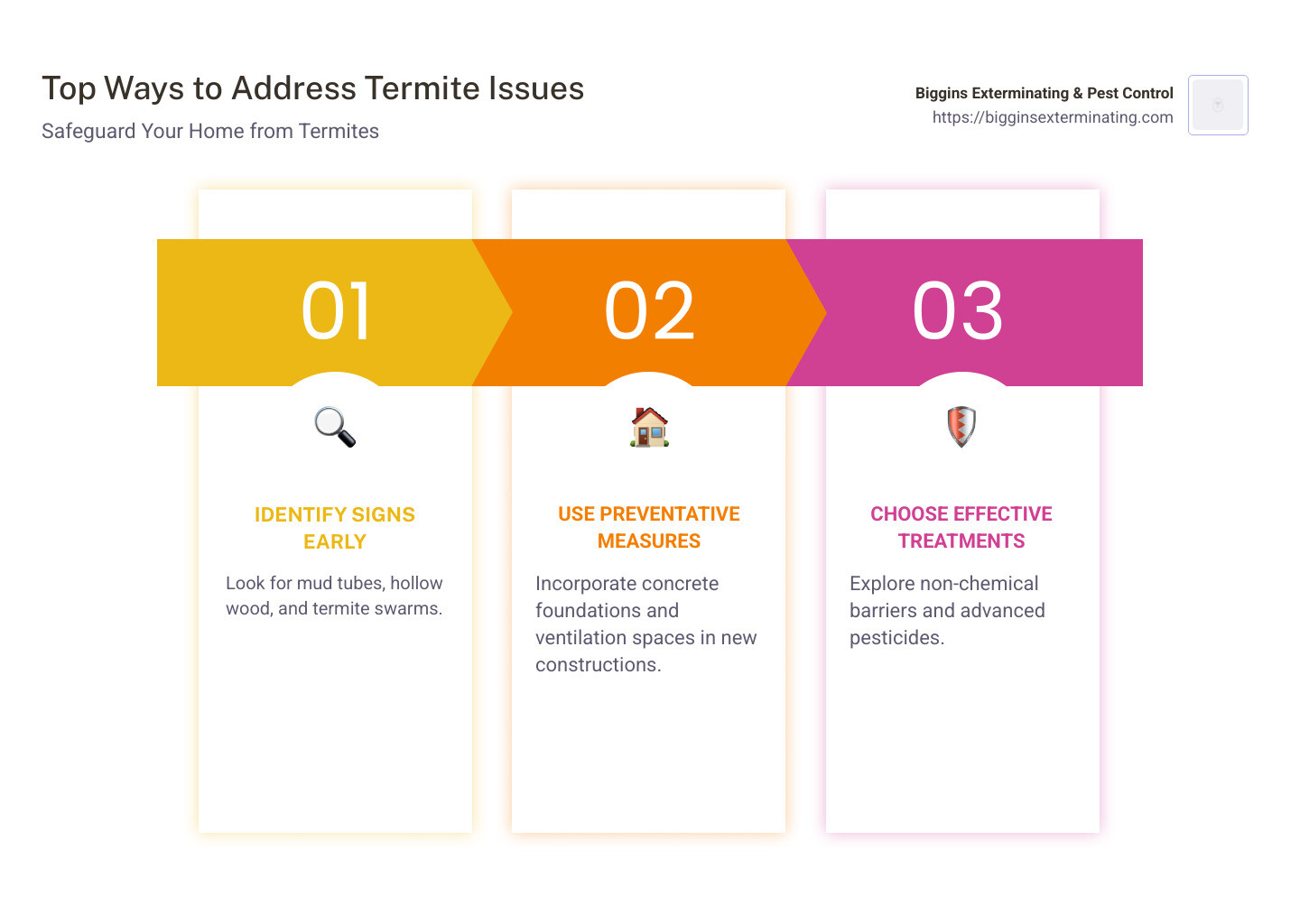
Termite Pest Control is crucial for safeguarding your home from the costly damage these pests can cause. Here are the top ways to address termite issues:
- Identify signs early: Look for mud tubes, hollow wood, and termite swarms.
- Use preventative measures: Incorporate concrete foundations and ventilation spaces in new constructions.
- Choose effective treatments: From non-chemical barriers to advanced pesticides, know the options.
Termite infestations are not just a nuisance; they threaten the very structure of your home. Every year, these pests cause billions of dollars in damage. Proper prevention and timely intervention are essential to avoid such costly repairs. By learning how to detect and treat these pests, you can protect your home and peace of mind.
My name is Stephen Biggins, and I’m proud to have over four decades of experience in Termite Pest Control. At Biggins Exterminating, we deliver honest and reliable solutions, ensuring your home stays safe and termite-free.
Identify Termite Infestation
Termite infestations can cause significant structural damage if not detected early. Knowing the signs to look for can save you time and money.
Termite Swarms
One of the first indicators of a termite problem is a swarm. Termite swarms occur when winged termites, called alates, leave their colony to start new ones. These swarms are often mistaken for ant swarms. However, there are key differences: termite wings are roughly equal in length and their antennae are straight. If you spot a swarm, it’s a clear sign that a colony is nearby.
Hollow Spots
Another sign of a termite infestation is hollow-sounding wood. Termites consume wood from the inside out, leaving a thin veneer that can easily be punctured. To check for hollow spots, gently tap or probe exposed wood with a flathead screwdriver. If the wood sounds hollow or breaks easily, termites may be present.
Mud Tubes
Mud tubes are perhaps the most telling sign of a subterranean termite infestation. These pencil-thin tunnels are constructed by termites to protect themselves from predators and to maintain a moist environment as they travel between their colony and food sources. Look for these tubes along your home’s foundation, walls, or other surfaces. If you find them, it’s time to take action.

Detecting these signs early can prevent extensive damage. If you suspect an infestation, contacting a professional for a thorough inspection is a wise step. Termite Pest Control is not just about treatment but also about early detection and prevention. Remember, service prices can vary widely, and it’s important to note that any pricing mentioned is based on average internet data and not specific to Biggins Exterminating services.
Prevent Termite Infestation
Preventing a termite infestation is crucial to maintaining the structural integrity of your home. Here are some practical steps you can take.
Concrete Foundation
Building with a concrete foundation is one of the most effective ways to deter termites. Concrete acts as a physical barrier, making it difficult for termites to enter your home from the ground. When planning construction, consider opting for a full concrete foundation to minimize the risk of infestation.
Ventilation Space
Proper ventilation is another key element in preventing termites. Ensure there is adequate ventilation space between the soil and any wooden structures. This helps keep the wood dry, as termites are attracted to moisture. Regularly check vents to ensure they are not blocked by debris or plants, which can trap moisture and invite termites.
Sealant
Applying a sealant to exposed wood surfaces is a simple yet effective method to protect against termites. Sealants create a barrier that makes wood less attractive to these pests. Regularly inspect your home for any cracks or gaps in the sealant and reapply as necessary. This is especially important in areas where wood meets the ground or other potential entry points.
Implementing these measures can significantly reduce the risk of a termite infestation in your home. Prevention is always more cost-effective than dealing with an active infestation. By focusing on these foundational steps, you can keep your home safe from the costly damage termites can cause.
Types of Termite Treatments
When it comes to Termite Pest Control, understanding the different types of treatments available is essential. Each method has its own benefits and is suitable for different situations. Let’s explore the main types of termite treatments, including non-chemical and chemical options.
Non-Chemical Treatments
Non-chemical treatments are an eco-friendly way to manage termites. These methods don’t use insecticides, making them a safer choice for homes, especially those with pets and children.
- Physical Barriers: During construction, you can incorporate physical barriers like steel mesh or specially sized sand to prevent termites from entering. These barriers are effective and long-lasting.
- Biological Control: Using natural predators like nematodes and fungi can help control termite populations. While these biological agents have shown success in labs, their effectiveness in real-world applications can vary.
Chemical Treatments
Chemical treatments, or termiticides, are more traditional methods for Termite Pest Control. They involve applying chemicals that target and eliminate termite colonies.
- Liquid Soil-Applied Termiticides: These are applied to the soil around your home, creating a chemical barrier that termites cannot cross. It’s crucial to hire a licensed pest management professional to apply these treatments to avoid contamination and ensure effectiveness.
- Termite Baits: Bait systems are a newer approach that reduces the overall use of chemicals. They use cellulose baits with slow-acting insecticides. Termites consume the bait and share it with the colony, gradually eliminating it.
- Wood Treatments: Borates are commonly used during new construction to treat wood. They penetrate the wood and make it toxic to termites, offering long-term protection.
Termiticides
Termiticides are specifically designed to combat termites. The EPA ensures that these products meet safety standards to protect human health and the environment.
- Popular active ingredients include Fipronil, Imidacloprid, and Permethrin. These chemicals are effective in creating barriers and eliminating termites when applied correctly.
- Termite Baits often use ingredients like Diflubenzuron and Hexaflumuron, which disrupt termite growth and development.
Choosing the right treatment depends on the severity of the infestation and your specific needs. Consulting with a pest control professional can help you make an informed decision. While DIY solutions might be tempting, professional treatments are usually more effective and safer.
Termite Pest Control Solutions
Once you’ve identified a termite problem, it’s time to explore Termite Pest Control Solutions. Here are three effective methods: liquid soil-applied termiticides, termite baits, and wood treatments.
Liquid Soil-Applied Termiticides
One of the most common methods for termite control is using liquid soil-applied termiticides. These chemicals form a barrier in the soil around your home.
- How It Works: The termiticides are applied to the soil, creating a barrier that termites cannot cross. This method is highly effective in preventing termites from entering your home.
- Professional Application: It’s important to hire a licensed professional to apply these treatments. Incorrect application can lead to contamination of water sources and reduced effectiveness.
- Active Ingredients: Common active ingredients in these termiticides include Fipronil, Imidacloprid, and Permethrin. These chemicals are known for their efficiency in termite elimination.
Termite Baits
Termite baits are an innovative approach that uses less chemical than traditional methods.
- How It Works: Bait systems involve placing cellulose baits containing slow-acting insecticides around your property. Termites consume the bait and share it with the colony, leading to a gradual decline in the population.
- Active Ingredients: Ingredients like Diflubenzuron and Hexaflumuron are used in these baits. They disrupt termite growth, effectively reducing the colony over time.
- Environmental Impact: Bait systems are designed to minimize the impact on the environment, making them a safer choice for households with pets and children.
Wood Treatments
Wood treatments are crucial for protecting wooden structures from termite damage.
- How It Works: Borate-based treatments are applied directly to wood. They penetrate the wood and make it toxic to termites, providing long-term protection.
- Application: This method is especially useful during new construction or when replacing wood in existing structures. It ensures that the wood is protected from future termite attacks.
- Effectiveness: Wood treatments offer a long-lasting solution, safeguarding your home’s structural integrity for years.
Incorporating these Termite Pest Control Solutions can help protect your home from costly damage. While DIY approaches exist, professional treatments ensure thorough and effective termite management. Always consult with a pest control expert to choose the best solution for your situation.
Frequently Asked Questions about Termite Pest Control
How do I know if I have termites?
Identifying a termite infestation early can save you from significant structural damage. Here are some signs to look out for:
- Termite Swarms: Swarming termites are often the first visible sign of an infestation. Swarms typically occur in the spring as termites search for a new place to establish a colony. If you see winged insects around your home, it might be time to investigate further.
- Wood Damage: Termites eat wood from the inside out, often leaving a thin veneer intact. Tap exposed wood with a flathead screwdriver and listen for a hollow sound. This can indicate termite damage beneath the surface.
- Mud Tubes: Subterranean termites create mud tubes to travel between their colony and food sources. These tubes are about the width of a pencil and are often found near the foundation of your home.
Are pesticides used against termites safe?
Safety is a common concern when it comes to using pesticides for termite control. The good news is that pest control products are regulated to ensure safety:
- EPA Regulations: The Environmental Protection Agency (EPA) rigorously reviews and regulates termiticides. Products must meet stringent safety standards before they can be used in homes.
- Safety Standards: When applied according to the label instructions, these products are considered safe for humans and pets. Always ensure that a licensed professional handles the application to minimize risks and ensure compliance with safety guidelines.
What are the costs of termite inspections?
Understanding the costs associated with termite inspections can help you budget for pest control services:
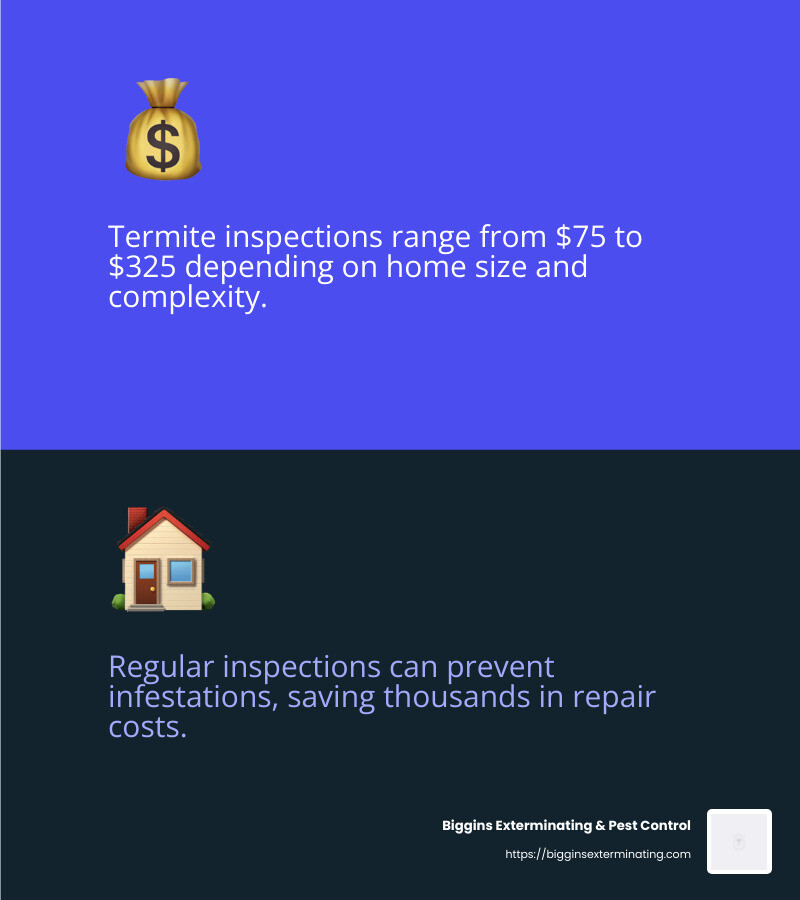
- Average Cost: Termite inspections typically range from $75 to $325 based on internet data. These are average costs and not actual costs for Biggins Exterminating services.
- Factors Affecting Cost: Larger homes or those with difficult-to-access areas may incur higher costs. Additionally, some companies offer free inspections as part of their service package.
- Value of Inspections: Regular inspections can catch infestations early, potentially saving you thousands in repair costs. It’s a worthwhile investment for maintaining your home’s structural integrity.
Taking proactive measures and staying informed about Termite Pest Control can protect your home from costly damage. If you suspect a termite problem, consider reaching out to a professional for an inspection and advice on the best course of action.
Conclusion
At Biggins Exterminating & Pest Control, we understand that dealing with termites can be stressful. Our family-owned business has been serving Wilmington, MA, and surrounding areas for over 40 years, and we pride ourselves on delivering effective and reliable Termite Pest Control solutions.
Customer Satisfaction is at the heart of what we do. We believe that every home deserves to be safe and pest-free. That’s why we don’t require long-term contracts and instead focus on building trust with our customers through quality service and results. Our team is committed to ensuring your peace of mind, and we’re not satisfied until you are.
We offer warranties on our services to guarantee the effectiveness of our treatments. This means that if termites return within the warranty period, we’ll be back to handle the issue at no extra cost. Our goal is to provide you with the assurance that your home is protected.
If you’re facing a termite problem or want to prevent one, our experts are ready to help. Reach out to Biggins Exterminating & Pest Control for a thorough inspection and custom treatment plan. Protect your home and enjoy the confidence that comes with knowing you’re in good hands.
