Protecting Your Home From Silent Destroyers
Termite inspection services are professional evaluations to detect wood-destroying insects before they cause significant damage. These inspections identify termite activity, damage, and conditions that attract them.
Key termite inspection services include:
- Visual inspections – Comprehensive examination of accessible areas
- Thermal imaging inspections – Advanced technology to detect hidden activity
- Pre-purchase inspections – Required for many real estate transactions
- Annual maintenance inspections – Ongoing protection for your investment
- Wood-Destroying Insect Reports (WDIR) – Official documentation for lenders
Termites cause over $5 billion in property damage annually—more than fire, flood, and earthquakes combined. Critically, most homeowner’s insurance policies don’t cover this damage.
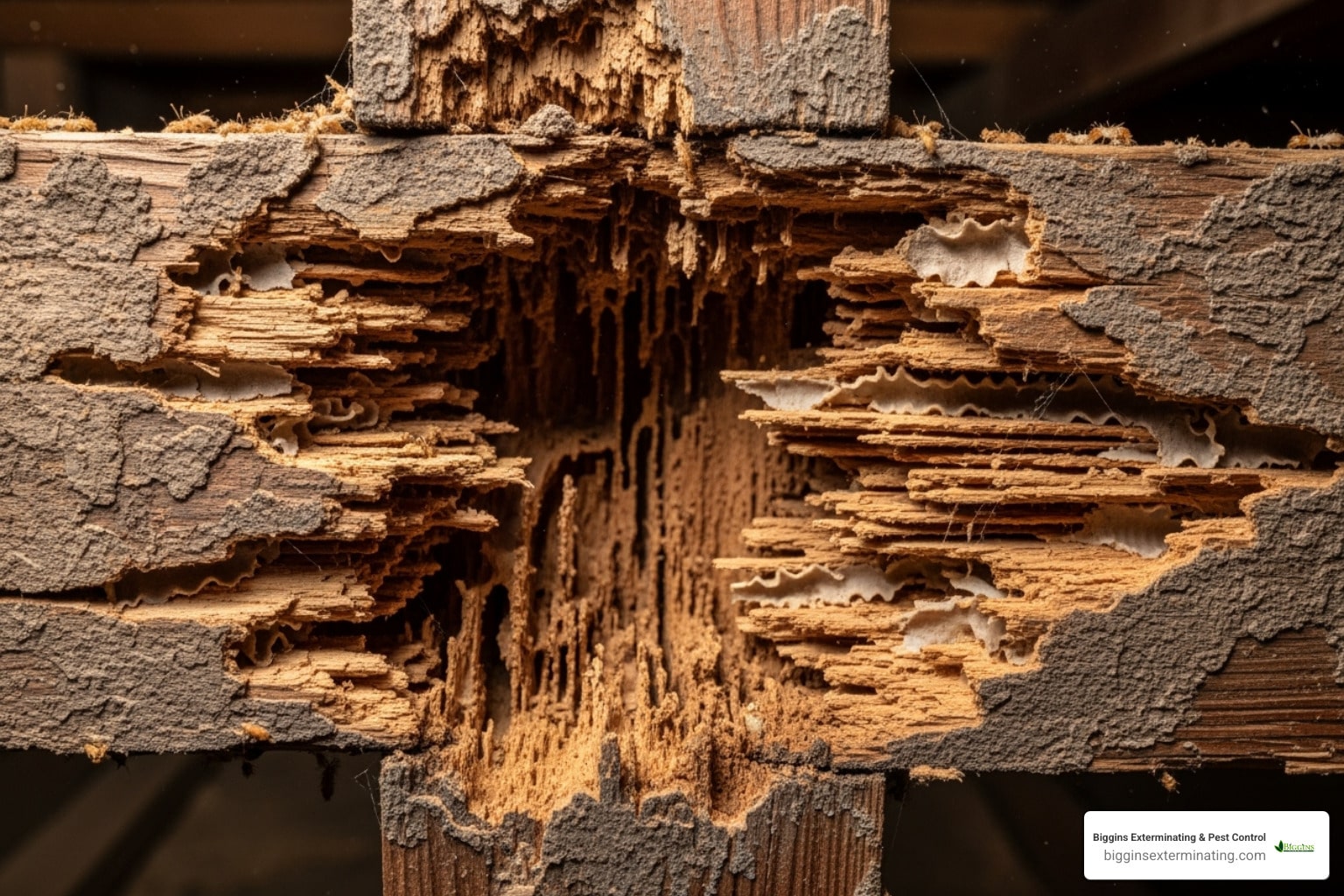
These silent destroyers work 24/7, often going undetected for months or years until significant structural damage, like sagging floors or hollow-sounding wood, becomes apparent.
I’m Stephen Biggins. Since taking over our family business in 1982, I’ve helped thousands of Massachusetts homeowners protect their properties. Our experience proves that early detection through professional inspections is the most effective way to prevent costly termite damage and maintain your home’s value.
Glossary for termite inspection services:
Why Professional Termite Inspection Services are Essential
Unlike fires or floods, termite damage is rarely covered by homeowner’s insurance. This makes professional termite inspection services essential protection for what is likely your largest financial asset.
Termites work 24/7, eating away at your home’s structure for months or even years before you notice a problem. Proactive inspections act like a security system for your home’s structural integrity. Catching problems early preserves your home’s value and helps you avoid the stress and cost of major repairs.
Curious about what signs to watch for between inspections? Check out our guide on How to Tell if You Have Termites.
How often should I get a termite inspection?
We recommend annual termite inspections because a lot can happen in twelve months. Termites can establish new colonies or find new entry points into your home.
Homes in high-risk areas—near woods, with a history of termites, or with moisture issues—may need more frequent inspections. Waiting longer than a year can turn minor issues into major headaches.
Real estate transactions almost always require a termite inspection to ensure the property is free from wood-destroying pests before closing.
Post-flood conditions create a perfect termite environment. Schedule an inspection after any water damage, as moisture attracts termites and can turn a water problem into a termite buffet.
What is the difference between a termite inspection and a general pest inspection?
While both are important, a termite inspection is specialized, like seeing a cardiologist instead of a family doctor for a heart problem.
A termite inspection service focuses specifically on wood-destroying organisms like termites, carpenter ants, and wood-damaging fungi. Inspectors use specialized tools like moisture meters and thermal cameras to find problems invisible to the naked eye.
Termite inspectors receive extensive, specialized training in termite biology, behavior, and how they interact with building materials. This knowledge takes years to master.
A general pest inspection is broader, looking for common pests like ants, spiders, and rodents. While an inspector might spot obvious termite damage, they lack the specialized tools and training for a thorough termite assessment.
For comprehensive termite solutions beyond just inspection, explore our Termite Pest Control services.
The Inspection Process: What to Expect
When you schedule termite inspection services with us, you get a thorough health check-up for your home. We search diligently for these sneaky invaders.
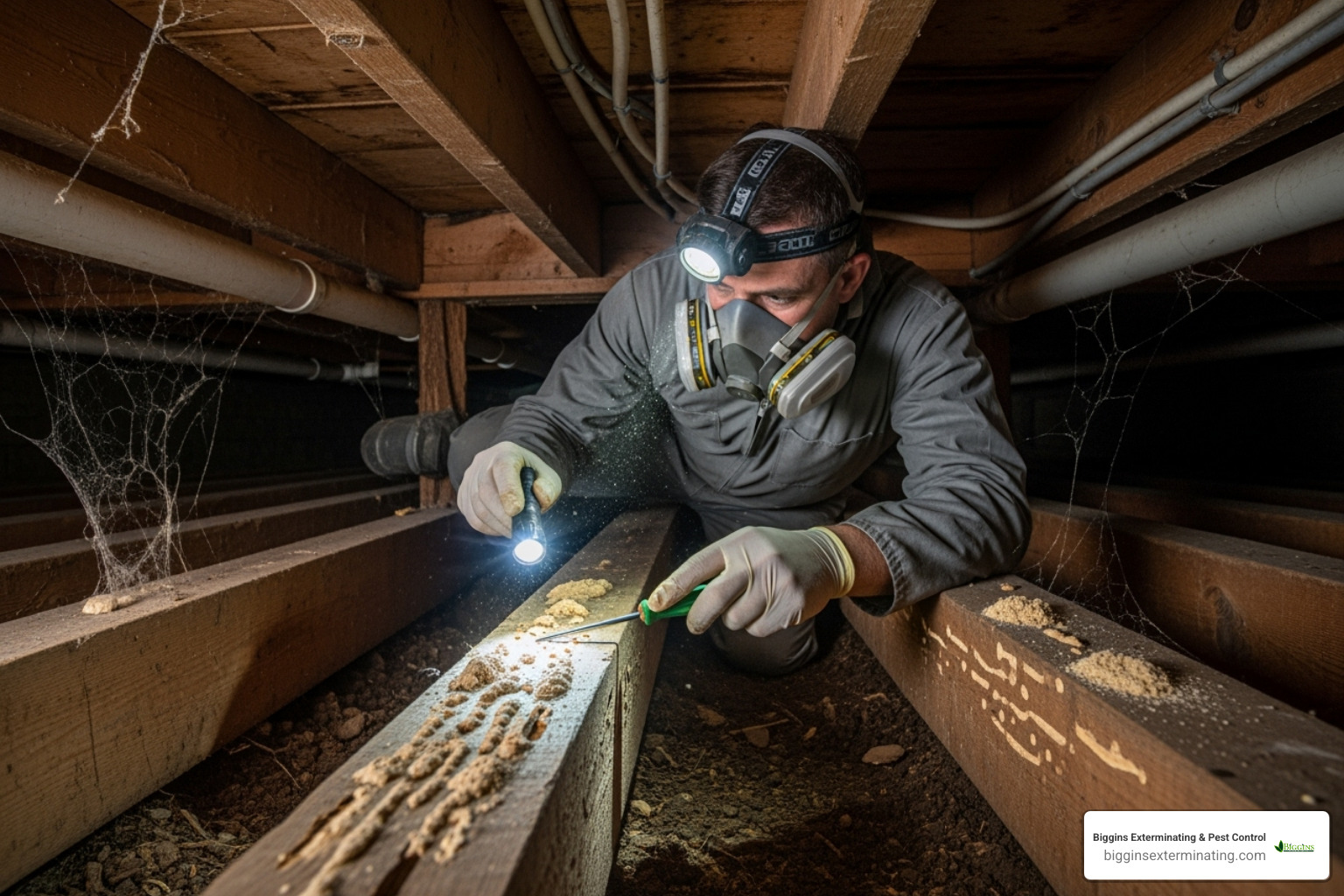
Our comprehensive approach covers every accessible area where termites hide. We inspect the foundation, crawl spaces, attic, and garage, focusing on common entry points and moisture-prone areas. We also check window and door frames, decks, and any wood-to-soil contact points. With four decades of experience, we know exactly where to look.
What is the process of a termite inspection?
Here’s what to expect when we arrive for your termite inspection services:
- Scheduling: Call us to find a convenient time. Most inspections take about an hour.
- Inspector Arrival: Our inspector will introduce themselves and provide an overview of the process, keeping you informed.
- Interior Examination: We carefully check all interior wooden elements, especially in moisture-prone areas like kitchens and bathrooms. We’ll tap wood surfaces, listening for the hollow sound that indicates damage.
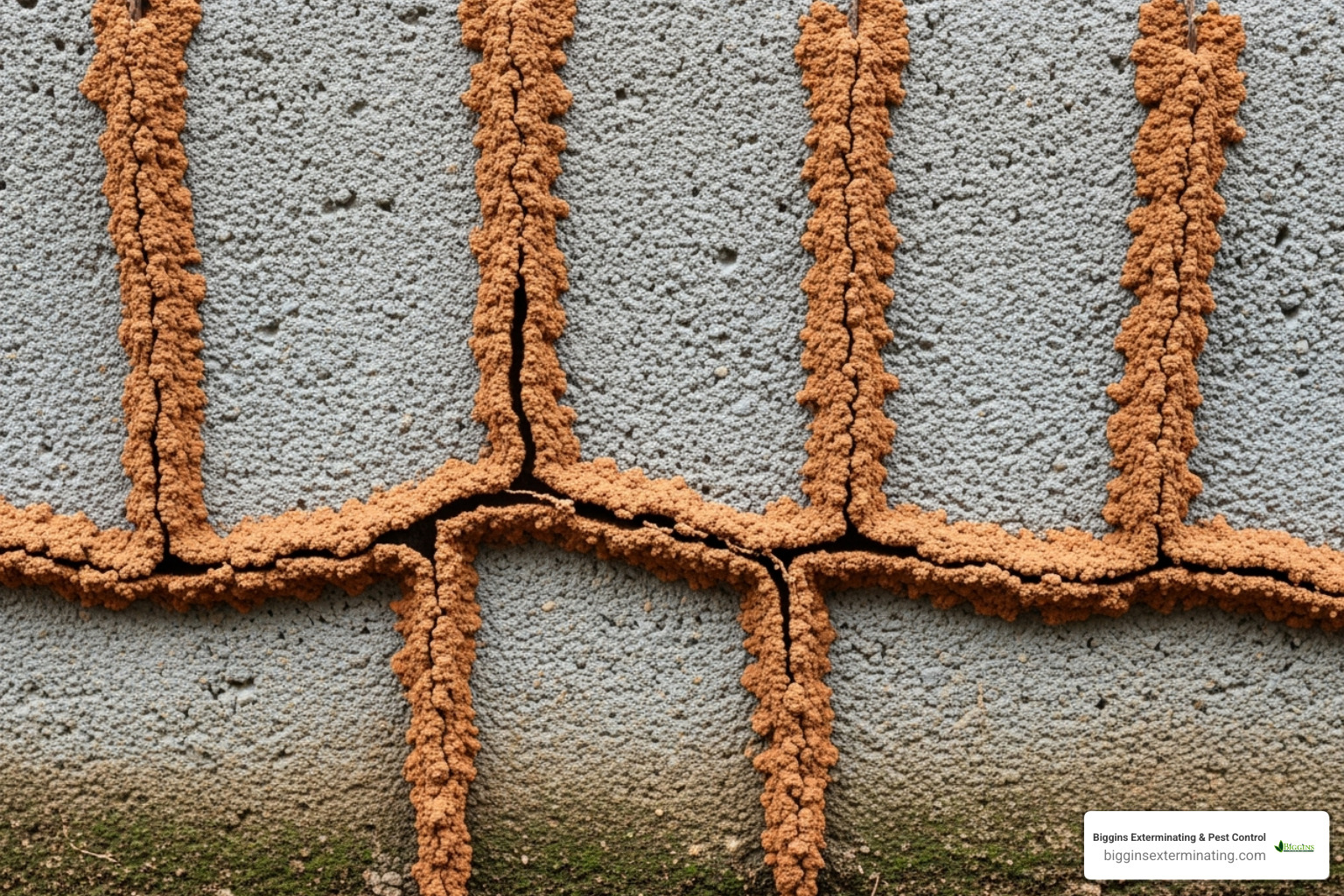
- Exterior Examination: Outside, we inspect the foundation, porches, decks, and other wooden structures. We look for mud tubes, wings, damaged wood, and conditions that attract termites, like woodpiles near the house or leaky faucets.
- Detailed Report: You’ll receive a clear, straightforward report detailing our findings, including any termite activity or areas of concern.
- Recommendations: We’ll discuss our recommendations, from treatment to prevention, and answer all your questions. You’ll get honest advice with no pressure.
Want to make the inspection go even smoother? Check out our guide on How to Prepare Your Home for Pest Control Treatment in Massachusetts.
What are the benefits of using thermal imaging for termite inspections?
Thermal imaging has revolutionized termite inspection services, giving our inspectors the ability to see through walls and spot hidden termite activity.
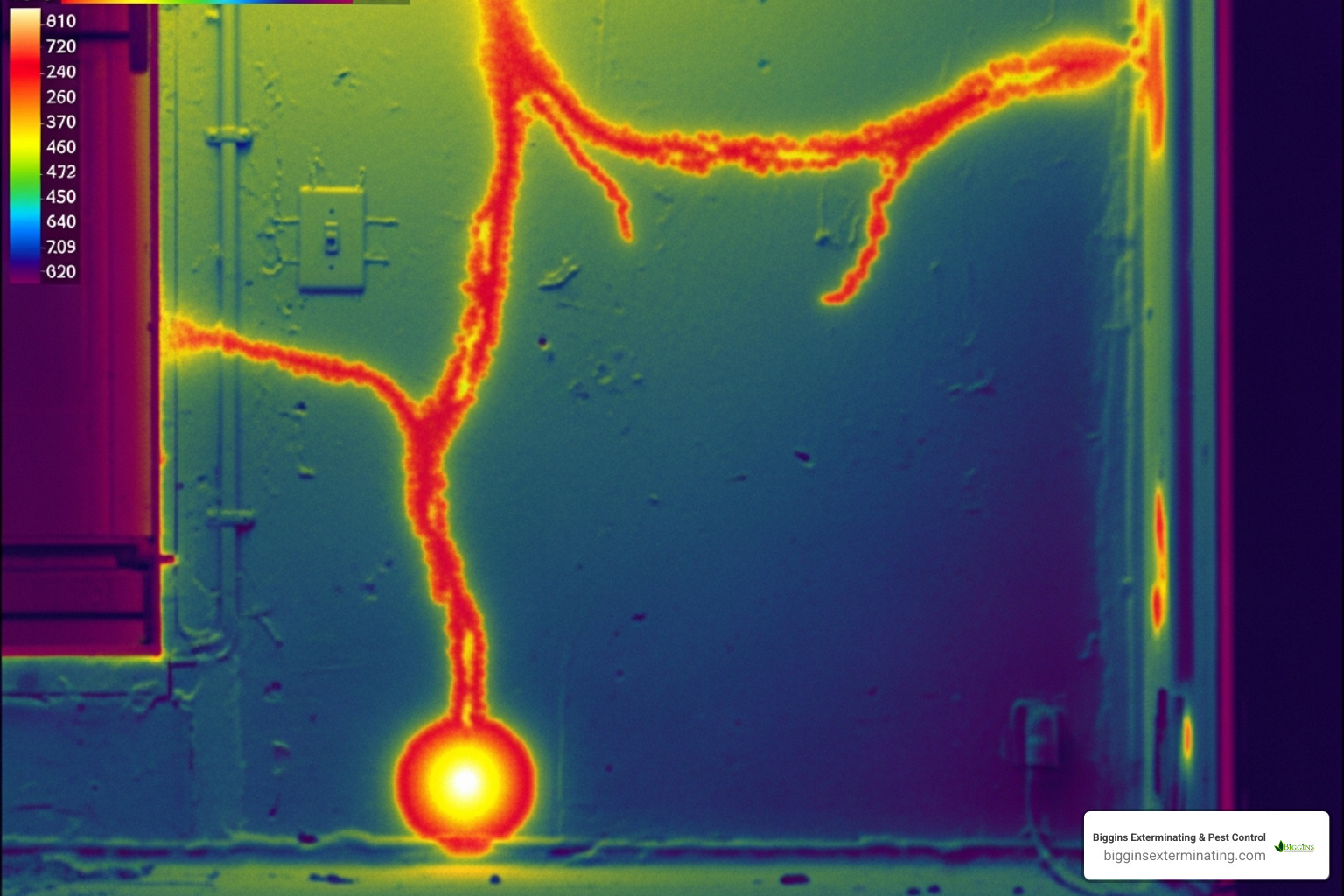
Termite colonies generate heat, which thermal cameras detect as warm spots. This allows us to find activity inside walls, under floors, or behind other surfaces.
The primary benefit is non-invasive detection. We can locate hidden colonies without drilling holes or damaging your home, reaching places a visual inspection can’t. This increased accuracy allows us to identify problems before visible damage occurs, often catching infestations months or years earlier than conventional methods.
Unlike other detection methods, thermal imaging doesn’t disturb termites, giving us an accurate picture of the infestation.
Identifying a Problem and Taking Action
Spotting the early signs of a termite infestation is crucial for minimizing damage. While they are “silent destroyers,” termites leave clues. Knowing these signs and how to act is vital.
Understanding the threats these pests pose and how to protect your home is essential. Learn more about The Dangers of Termites and How to Prevent Them in Massachusetts.
What signs indicate a termite infestation?
During a termite inspection service, we look for these tell-tale signs of an infestation:
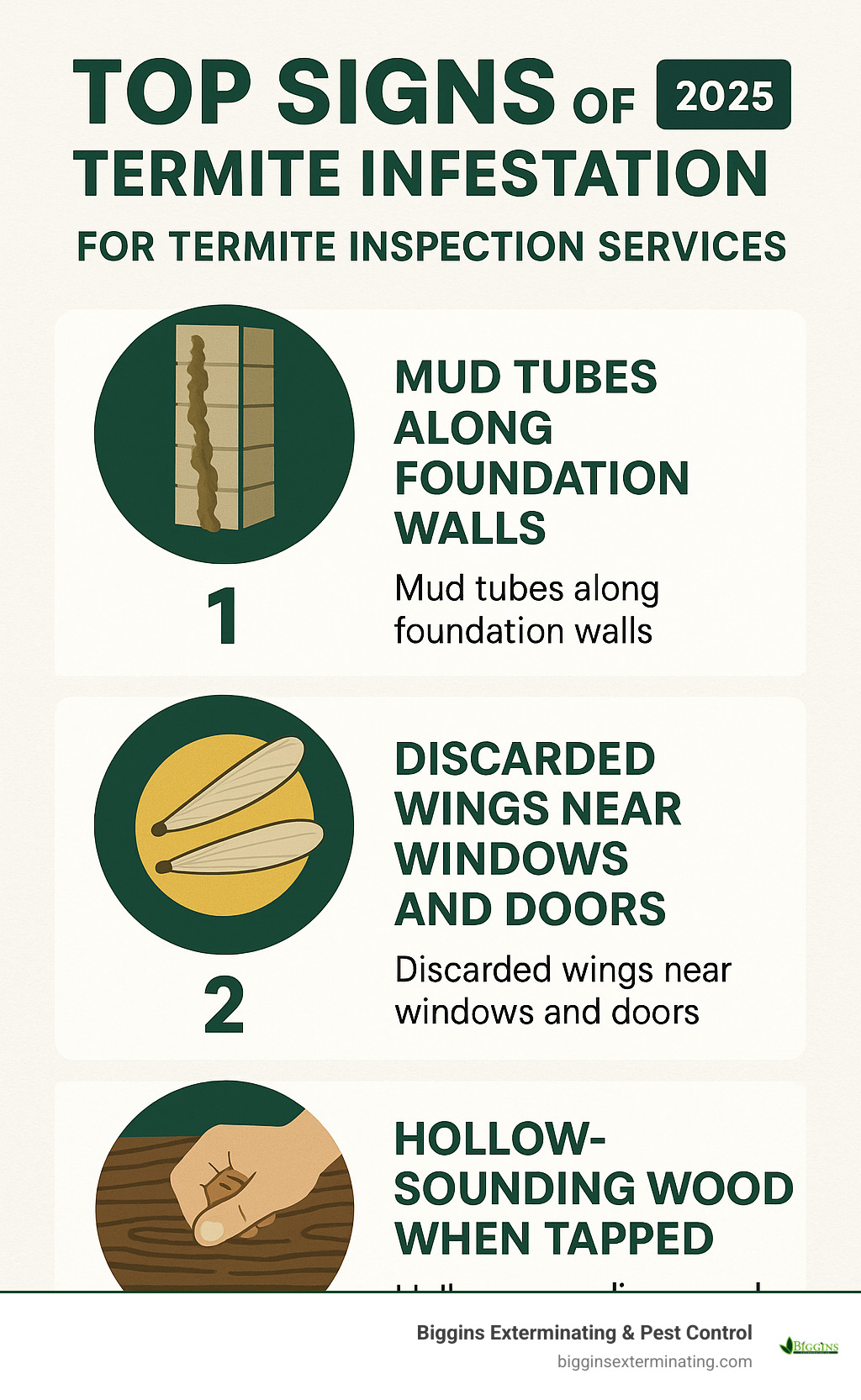
- Mud tubes: Pencil-sized tunnels on foundation walls, in crawl spaces, or along pipes. They serve as protected highways for termites.
- Discarded wings: Small piles of translucent wings, resembling fish scales, found near windowsills and doors after a swarm.
- Damaged wood: Wood that sounds hollow when tapped, or has a blistering or darkened surface. You may see maze-like patterns inside the wood.
- Bubbling paint: Peeling or bubbling paint can indicate termite tunneling underneath and is often mistaken for water damage.
- Frass (termite droppings): Small, gritty piles of pellets resembling sawdust, pushed out of wood by drywood termites.
For a visual guide and more details, check out our Signs of Termites page.
What should I do if I suspect a termite infestation?
If you see any of these signs, don’t panic. Acting quickly can save you significant expense and stress.
First, avoid DIY treatments. Store-bought products kill only a few visible termites, not the hidden colony. DIY attempts can also cause termites to scatter, worsening the infestation.
Instead, contact a professional pest control company specializing in termite inspection services immediately. Documenting the evidence you’ve found with photos or notes can be helpful. Then, schedule an inspection and let our experts handle it.
How can I prevent termite infestations in my home?
Prevention is key. While professional termite inspection services are your best defense, you can also make your home less appealing to termites:
- Reduce moisture: Repair all leaks and ensure gutters and downspouts direct water away from the foundation.
- Remove wood-to-ground contact: Keep a gap of at least 6 inches between any wood on your home (siding, decks) and the soil.
- Store firewood properly: Keep firewood on a raised structure at least 20 feet from your house.
- Seal entry points: Seal any cracks or openings in your foundation to block termite entry.
- Schedule regular inspections: Professional inspections are the most important preventative measure against persistent termites.
Understanding the specific types of termites that might invade your home, like the common Subterranean Termites, can also help you take targeted preventative actions.
Costs, Qualifications, and Finding a Pro
Finding the right professional for your termite inspection services is crucial. Look for a company with experience, proper licensing, insurance, and a track record of satisfied customers. Online reviews are a great resource for gauging a company’s service quality.
At Biggins Exterminating, we’ve earned our neighbors’ trust for over 40 years in Wilmington, MA, and surrounding communities like Andover, Bedford, and Burlington. As a family-owned business, we understand your home is more than just a structure.
For guidance on choosing quality providers, check out our resource on Best Rated Termite Companies.
How much do termite inspection services typically cost?
Budget is an important consideration. Termite inspection services can range from $75 to $350 or more, depending on several factors.
This is an average cost based on internet data and not an actual cost for Biggins Exterminating services. We provide clear, upfront quotes customized to your situation.
Several factors influence the cost. The size of your home is the biggest variable. The foundation type also matters, as homes with crawl spaces or basements require more time to inspect than those on a slab. Your location and the type of inspection (e.g., standard vs. thermal imaging) also affect the price.
Be cautious of “free” inspections, as they may not be as comprehensive as a paid service. For information about potential treatment costs if issues are found, visit our Termite Treatment Cost page.
What qualifications should a termite inspector have?
A qualified termite inspector needs specialized knowledge and training. Here’s what to look for:
- State Licensing: This is non-negotiable. In Massachusetts, inspectors must be licensed by the Department of Agricultural Resources Pesticide Program. Always ask to see their license.
- Certifications and Ongoing Training: Look for additional certifications and a commitment to ongoing training, as the industry is always evolving.
- Local Experience: An inspector familiar with local species, like the subterranean termites common in Massachusetts, will know exactly what to look for.
- Building Construction Knowledge: A good inspector understands how homes are built and can identify structural vulnerabilities that termites might exploit.
What are the potential conflicts of interest in termite inspection and repair services?
A potential conflict of interest exists when the same company that performs the inspection also sells the treatment services. This can create an incentive to find or overstate problems to sell expensive treatments.
At Biggins Exterminating, we address this with full transparency. While we offer both services, our recommendations are based only on what your home truly needs. We always encourage questions and support customers getting a second opinion.
Honest communication and prioritizing your peace of mind are key. Our community reputation is more important than any single job.
For additional perspective on industry practices, you can find helpful discussions at resources like American Dream Home Inspection for independent verification insights.
After the Inspection: Treatment and Guarantees
Finding termites can be overwhelming, but it’s why you got an inspection—to catch the problem early. The next step is to understand the findings and create a long-term protection plan.
We will explain everything in plain English, discuss treatment options, and develop a customized plan. Our goal is to eliminate the current infestation and provide long-term protection and peace of mind.
For comprehensive information about permanent solutions, visit our guide on How to Get Rid of Termites Permanently.
What happens after a termite inspection if termites are found?
If we find termites, we follow a clear process to keep you informed and comfortable:
- Reviewing the Report: We’ll review the report with you in detail, showing you where we found activity and explaining any contributing conditions. We use clear language and ensure you understand everything.
- Discussing Treatment Options: We’ll recommend the most effective treatments based on the termite type, extent of the infestation, and your home’s construction. We’ll cover the pros, cons, timelines, and costs for each option.
- Scheduling Treatment: We work around your schedule to minimize disruption. Our experienced team will handle the treatment efficiently.
What are the most common termite treatment methods?
With over 40 years in business, we use the latest, most effective, and least invasive treatment methods to tackle any infestation.
- Liquid soil treatments create an invisible barrier around your foundation that eliminates termites and provides excellent long-term protection. Learn more about this approach on our Termite Barrier Treatment page.
- Termite baiting systems use strategically placed stations with slow-acting bait that termites carry back to the colony, eventually eliminating the entire nest.
- Wood treatments are applied directly to wood to eliminate existing termites or prevent future infestations.
- Fumigation (tenting) is reserved for severe, widespread drywood termite infestations. The entire home is enclosed and treated with a fumigant gas.
How do termite control companies guarantee their services?
A reputable termite inspection services provider stands behind their work. Our guarantees are our commitment to your long-term peace of mind.
- Service Warranties: If termites return during the warranty period, we will re-treat the affected areas at no additional cost.
- Re-treatment Guarantees: We promise to address any new activity found after our initial treatment.
- Damage Repair Bonds: While less common, some plans offer coverage for new termite damage that occurs after treatment, providing an extra layer of financial protection.
- Annual Renewal Plans: We recommend an annual renewal plan to keep your warranty active and provide ongoing monitoring, which helps us catch new threats early.
At Biggins Exterminating, we’re not satisfied until you’re completely comfortable with the results. Our guarantees reflect our family business values.
Frequently Asked Questions about Termite Inspections
With four decades in the business, we’ve heard every question about termite inspection services. Here are answers to the most common ones.
Can a home inspector also perform termite inspections?
This is a common question in real estate. While a general home inspector checks your home’s major systems and may spot obvious pests, they are typically not licensed for termite inspections.
In Massachusetts, a separate license is required to inspect for wood-destroying insects, issued by the Department of Agricultural Resources Pesticide Program. This requires specialized training and certification.
While some inspectors hold both licenses, it’s uncommon. You’ll likely need a specialist like us for your termite inspection services. Always verify credentials to ensure they are properly qualified.
What are the different types of termite inspection services available?
Different situations call for different types of inspections. Here are the main services we offer:
- A standard visual inspection involves a careful examination of all accessible areas of your home for signs of termites. This is sufficient for most homeowners.
- A Wood-Destroying Insect Report (WDIR) is the formal documentation required for many real estate transactions, especially those involving FHA or VA loans.
- A thermal imaging inspection uses technology to detect heat signatures from hidden colonies inside walls. It’s a valuable tool for hard-to-find infestations.
- Pre-purchase inspections protect you before buying a home, while annual maintenance inspections provide ongoing protection by catching problems early.
Are termites a problem in Massachusetts?
Yes, absolutely. Many people think our cold winters kill termites, but that’s not the case.
Subterranean Termites are a significant problem in Massachusetts. They survive cold winters by burrowing deep into the soil below the frost line, while your heated home provides a year-round food source.
We find active termite colonies even in the middle of winter. The weather outside doesn’t stop them from feeding on your home.
That’s why we stay busy year-round. Whether you’re in Lexington and need our Termite Exterminator Lexington MA services, or anywhere else in our service area, Massachusetts termites are a real threat that requires professional attention.
Your Partner in Termite Prevention
Proactive termite inspection services are essential for protecting your home. With over $5 billion in annual damage not covered by most insurance, regular professional inspections are one of the smartest investments a homeowner can make.
Termites work 24/7, silently damaging your home’s structure. By the time you see signs like sagging floors, the infestation may be advanced. Professional inspections catch problems early, saving you from costly repairs.
Protecting your home’s value is a top priority. Regular inspections identify existing infestations and conditions that could attract termites, acting as a security system for your home’s structure.
For over 40 years, Biggins Exterminating & Pest Control has helped Massachusetts families protect their homes. Our family business, established in 1982, is built on reliable service, honest assessments, and customer satisfaction. We understand the local challenges, including termites that stay active year-round.
Our no-contract approach means our work speaks for itself. We back our services with strong warranties and treat your home as if it were our own. We proudly serve Wilmington, Andover, Burlington, Lexington, and other surrounding communities.
Don’t wait for signs of damage. Prevention is far less expensive than repair. For trusted Termite Inspection Services and priceless peace of mind, contact us today. Let our family protect yours.