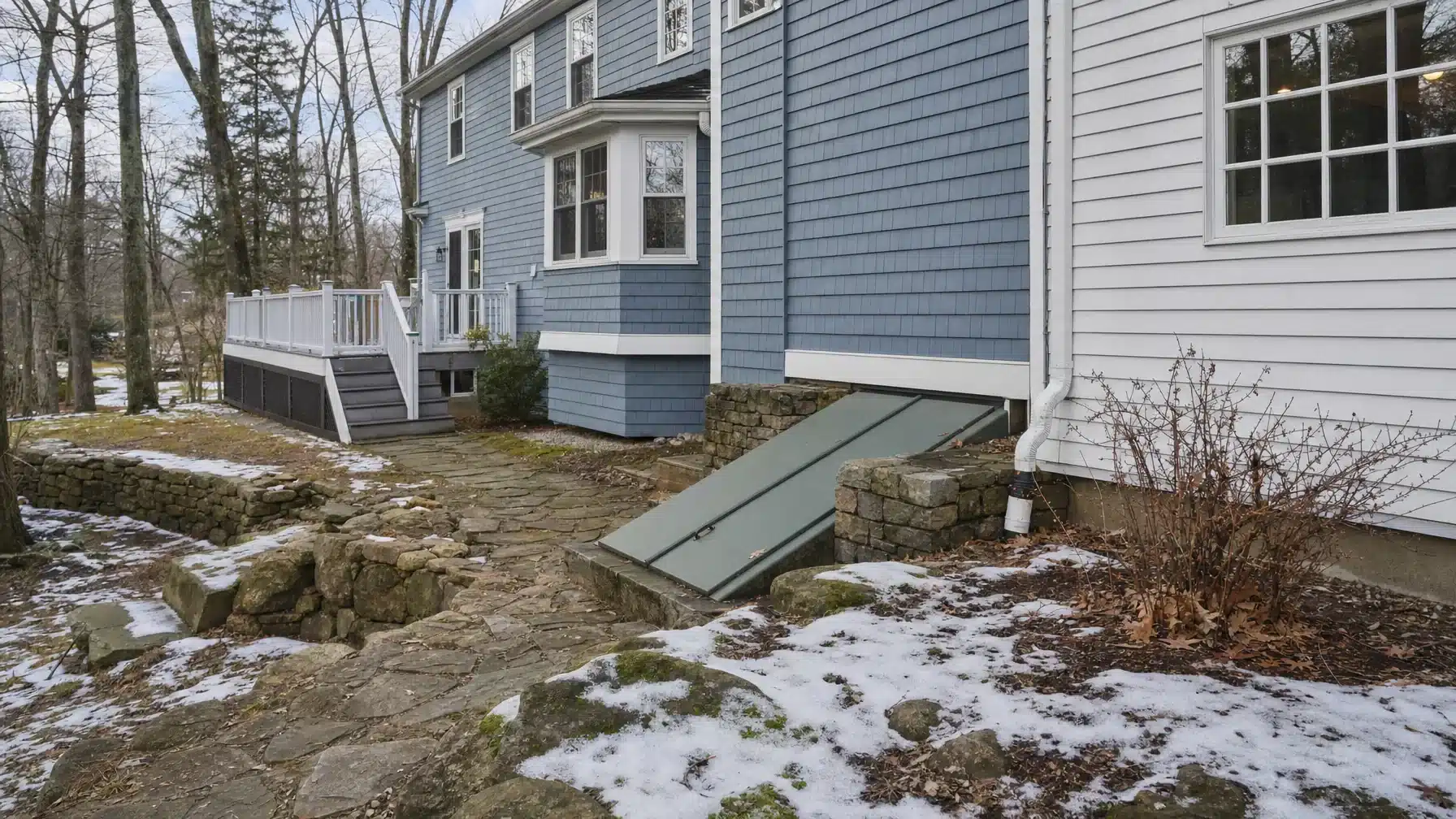
If part of your property is locked, difficult to reach or cannot safely be made accessible, tell the termite assessment provider before the visit. Describe the restriction, ask which access is needed and confirm what should happen next. You do not need to solve the access problem yourself before asking for help.
The goal is a property-specific access plan for the assessment, not preparation for treatment. Keep separate what you can make available, what the provider requests and what remains inaccessible.
Describe known restrictions without investigating them
Start with what you already know from ordinary use of the property. Identify each location in plain language so the provider can understand where the restriction is. Do not enter an unfamiliar or unsafe space just to make your description more complete.
- Locked areas: explain who holds the key or controls entry and whether permission is still needed.
- Blocked or difficult-to-reach areas: describe the known obstruction without moving it to investigate.
- Areas controlled by someone else: identify the person who can authorize entry or arrange attendance.
- Areas that must remain inaccessible: state the restriction and any known concern, without trying to diagnose damage or judge structural safety.
If you do not know whether a location can be reached, write “access unknown” rather than promising it will be available. This is a description of your property’s limitations, not a list of spaces the provider will necessarily assess.
Ask what access the provider actually needs
Send the restriction list before making changes. Ask the provider to respond by location, so a general instruction such as “make the area accessible” becomes a clear request you can discuss.
- Which of these locations do you need access to for the planned assessment?
- What, if anything, should be moved, and what should be left unchanged?
- Given the restriction described, what action do you request, and who would need to handle it?
- If access cannot be arranged, can the planned visit proceed with that limitation, or does the appointment plan need to change?
Note Do not enter attics or crawlspaces, open walls, probe wood, disturb materials, move heavy appliances or perform repairs to prepare for this assessment. Flag tasks involving heavy movement, enclosed spaces or suspected damage for discussion with the provider. Keep unsafe areas inaccessible.
Confirm permission, keys and assistance before promising access
Being able to identify a locked area does not mean you can authorize entry. Confirm who can grant permission, who can unlock it and whether that person needs to be present. Ask the provider what attendance arrangements are needed rather than assuming a key alone resolves the restriction.
If you cannot carry out a requested task, say so before agreeing to it. Ask whether another arrangement is acceptable and who would coordinate any assistance. Leave the action marked as unresolved until both the provider’s request and the responsible person’s availability are clear.
Copyable access coordination note
Use the fields below for each location with a restriction. This is an optional communication aid, not Biggins Exterminating’s verified appointment protocol.
- Location: Give a plain-language description of the area.
- Existing restriction: Describe what prevents access, or why the area must remain inaccessible.
- Permission or assistance needed: Identify who controls entry and what remains to be arranged.
- Provider’s requested access or action: Copy the directions received, or mark “awaiting direction.”
- Agreed action: Record what has been confirmed, including anything that will stay unchanged.
- Responsible contact: Identify who will arrange permission, unlocking, attendance or agreed assistance.
- Unresolved question or limitation: Record what is still unknown, unconfirmed or inaccessible.
Send the completed note back to the provider and ask for confirmation or corrections. If permission falls through or an agreed action cannot be completed, update the provider rather than leaving the earlier access promise in place.
If an area remains inaccessible
Ask how the provider will describe the limitation in the assessment record. Preserve that wording rather than changing “not assessed” into “clear” or interpreting the restriction as evidence of termites.
- Which area could not be assessed, and how will that limitation be recorded?
- What remains undetermined because access was unavailable?
- Is further access or assessment proposed? If so, what needs to be agreed before it can be arranged?
An area made available is not necessarily an area actually assessed. After the visit, keep the provider’s account of assessed and inaccessible areas separate from your access coordination note. Do not assume that an alternative access solution will be accepted or that an additional visit is included.
Keep access coordination separate from other preparation
For organizing existing reports and property history, use the termite assessment property-records guide. If treatment is later proposed, use the termite-treatment proposal questions to clarify scope and treatment-specific requirements. Assessment access directions should not be treated as treatment-preparation instructions.
Biggins Exterminating provides termite control and extermination services for homeowners and businesses in Wilmington, MA, and surrounding communities. To discuss access limitations before an assessment, contact Biggins Exterminating with your location-by-location note and ask for property-specific directions.