Why Rodent Control Matters for Massachusetts Homeowners
Rodent control kill rats and mices requires understanding your enemy and acting quickly. Here’s what you need to know:
Fast Facts:
- For Mice: Use snap traps with peanut butter, placed 1-2 meters apart along walls
- For Rats: Pre-bait traps for 3-7 days before setting due to neophobia (fear of new objects)
- Key Difference: Mouse droppings are rice-sized; rat droppings are bean-sized
- Timeline: Continue trapping until no new droppings appear for one week
- Prevention: Seal all openings larger than 6mm (1/4 inch) with steel wool and caulking
If you’re dealing with scratching sounds in your walls this fall, you’re not alone. A single female mouse can produce 5-10 litters per year, with each litter containing 5-6 young. That means one pregnant mouse that enters your Wilmington home in September could become a colony of dozens by December.
The numbers are staggering. A rat produces 25,000 droppings per year, while a mouse produces 17,000. Each dropping is a potential disease vector, and rodents contaminate ten times more food than they actually eat. The U.S. Department of Agriculture estimates that rodents destroy over $2 billion worth of feed annually—and that’s just in agricultural settings.
Winter is prime time for rodent invasions in Massachusetts. As temperatures drop, both Norway rats and house mice actively seek shelter in our heated homes. They can squeeze through openings as small as a dime (mice) or a quarter (rats), making exclusion challenging but critical.
The health risks are real. Rodents are recognized as carriers of at least 45 diseases, including salmonellosis, leptospirosis, and even Hantavirus. Their urine, droppings, and the parasites they carry can all transmit illness to your family and pets.
But here’s the good news: effective rodent control combines three proven strategies—trapping, exclusion, and habitat modification. When done correctly, these methods can eliminate your infestation and prevent future problems.
I’m Stephen Biggins, and I’ve been helping Massachusetts families with rodent control kill rats and mices for over four decades through our family-owned company, Biggins Exterminating. Whether you’re hearing scratching in your Tewksbury attic or finding droppings in your Burlington basement, understanding the right approach makes all the difference.
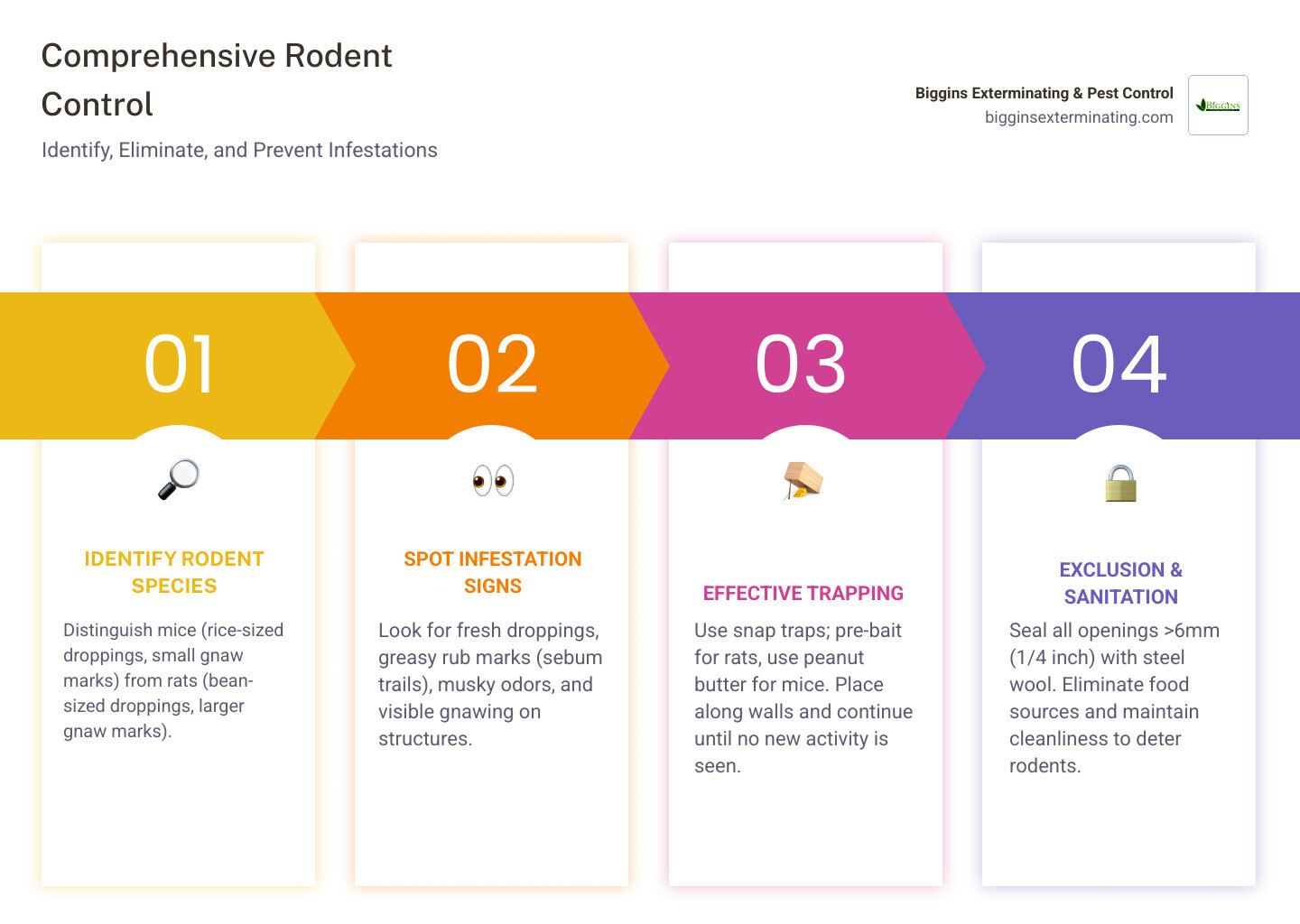
Handy rodent control kill rats and mices terms:
Identifying the Infestation: Rats vs. Mice
Before we can effectively implement rodent control kill rats and mices strategies, we first need to understand who our unwelcome guests are. Are we dealing with a mouse or a rat? This distinction is crucial because rats and mice have different behaviors and require different trap sizes and baiting strategies. The common types of rodents causing problems in Massachusetts homes and farms are the House Mouse, Norway Rat, and Roof Rat.
Signs of a Rodent Infestation
Rodents are masters of stealth, but they leave behind undeniable clues. The most common signs of a rodent infestation include:
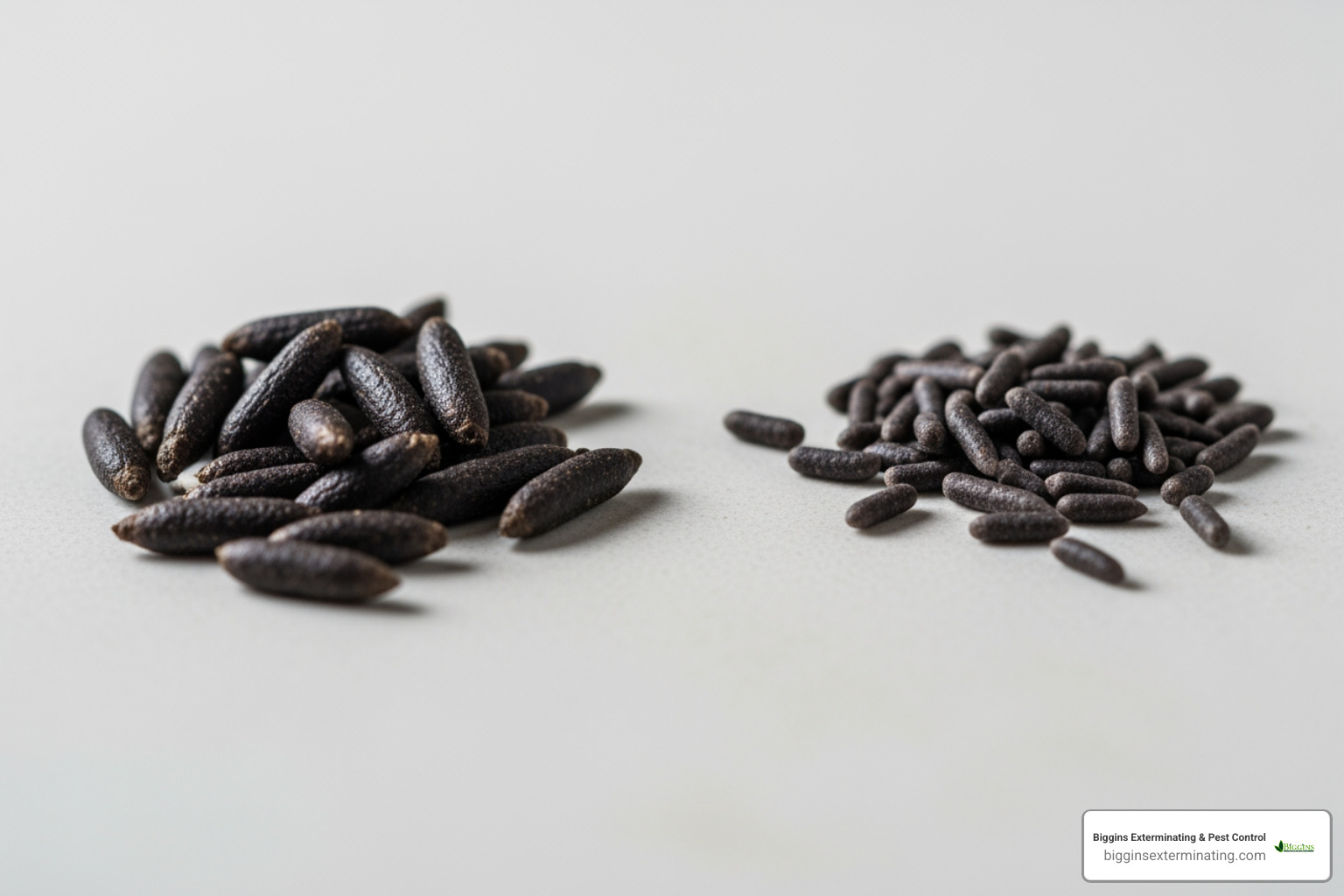
- Droppings: This is often the first and most obvious sign. Rodent droppings vary in size and shape depending on the species.
- Gnaw Marks: Rodents constantly gnaw to keep their incisors at a manageable length. Look for chewing on wood, plastic, wires, food packaging, and even furniture. These marks can pose fire hazards, especially when electrical wiring is involved.
- Runways and Rub Marks: Rodents often follow the same paths along walls or pipes, leaving greasy rub marks from the oil and dirt on their fur. These dust-free trails are clear indicators of frequent activity.
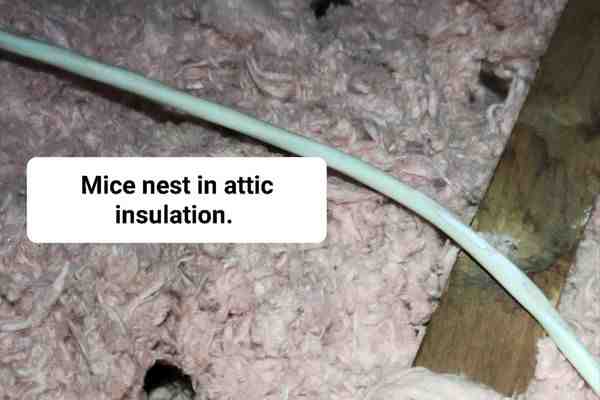
- Nests: Rodents build nests from shredded materials like paper, fabric, insulation, or plant fibers in hidden, quiet areas such as attics, basements, crawl spaces, or inside wall voids.
- Noises: Scratching, gnawing, or scurrying sounds in walls, ceilings, or attics, especially at night, are tell-tale signs.
- Musky Odors: A persistent, stale, and musky odor, particularly noticeable in enclosed areas, can indicate a large and active rodent population.
- Visual Sightings: Seeing a rodent, especially during daylight hours, often suggests a significant infestation, as rodents are primarily nocturnal.
You can learn more about identifying these signs by watching this helpful video: Signs of a Rodent Infestation.
Differentiating Between Rats and Mice
Understanding the differences between rats and mice is paramount for effective rodent control kill rats and mices. Let’s break down the key characteristics:
| Characteristic | House Mouse | Norway Rat | Roof Rat |
|---|---|---|---|
| Size | Small, 15-17 cm (6-7 inches) including tail, 20 g (0.7 oz) | Large, 30-45 cm (12-18 inches) including tail, 500 g (18 oz) | Medium, 33-43 cm (13-17 inches) including tail |
| Body Shape | Slender | Heavy, stocky | Slender, agile |
| Ears | Large | Small, close-set | Large, prominent |
| Tail | Thin, longer than body and head | Shorter than head and body, scaly | Longer than head and body, uniform dark color |
| Droppings | Small, 6 mm (1/4 inch), pointed ends, rice-kernel sized | Large, 15-20 mm (3/4 inch), blunt ends, bean-sized | Medium, 10-15 mm (1/2 inch), pointed ends |
| Habitat Preference | Urban areas, indoors, nests in hidden spots | Ground level, burrows, damp areas (crawl spaces, perimeters) | High places, attics, rafters, trees, dense vegetation |
| Behavior | Inquisitive, accepts new objects quickly | Neophobic (fear of new objects), cautious | Agile climber |
| Water Needs | Can survive days without water (get from food) | Requires daily water | Requires daily water |
As you can see, a rat trap would be too large to effectively kill a mouse, and a mouse trap wouldn’t be strong enough for a rat. Knowing these distinctions helps us tailor our approach for successful rodent control kill rats and mices.
Effective Rodent Control: Kill Rats and Mices with Traps
Once we’ve identified the type of rodent and confirmed an infestation, the next step in our rodent control kill rats and mices strategy is population reduction. Trapping is often our preferred method for homeowners because it’s effective, allows for known disposal of carcasses, and avoids the risks associated with poisons.
Snap Traps: The Go-To Solution
Traditional snap traps are highly effective when used correctly. Here’s how we approach them:
- Placement is Key: Rodents, especially rats, prefer to travel along walls, using them for guidance and safety. We place snap traps perpendicular to walls, with the baited end facing the wall, to intercept them along their natural runways. For mice, traps can be spaced 1-2 meters apart. For rats, due to their larger range, they might be spaced further, about 7-10 meters apart.
- Overcoming Neophobia (for Rats): Rats are cautious creatures and exhibit “neophobia,” a fear of new objects. To counter this, we often “pre-bait” traps. This involves placing unset traps with enticing bait for several nights. Once the rats are comfortable feeding from the traps, we set them. This significantly increases capture rates.
- Checking and Resetting: Traps should be checked daily. Prompt removal of captured rodents is crucial, and traps should be reset immediately. We continue trapping until there are no new signs of rodent activity for at least a week.
The CDC provides excellent guidance on trapping. For more detailed instructions on how to set and use traps, you can refer to How to Trap Up to Remove Rodents.
Best Baits for Rodent Control: Kill Rats and Mices
The right bait can make all the difference in luring rodents to traps. Here are some of our tried-and-true favorites:
- Peanut Butter: A classic for a reason! Its sticky texture makes it hard for rodents to snatch without triggering the trap, and its strong aroma is very attractive.
- Mutton Fat: A good option for rats, which are often attracted to fatty, high-protein foods.
- Dried Fruit: Raisins, dried apricots, or even small pieces of apple can be very appealing.
- Cheese: While stereotypical, a small, pungent piece of cheese can also work.
- Marshmallows or Onions: Believe it or not, these can sometimes be surprisingly effective.
- Food They’ve Been Nibbling On: If you’ve noticed rodents targeting a specific food item in your pantry, that’s often the best bait to use.
For more insights into managing mouse populations, visit our page on Mice pest control.
Trap Selection and Safety
Choosing the right trap and ensuring its safe use is vital for effective and responsible rodent control kill rats and mices.
- Snap Traps: As mentioned, these are our preferred choice. They are effective, relatively humane (when properly sized and placed), and allow for quick disposal.
- Glue Boards: While they can capture rodents, we generally discourage the use of glue traps. They are often considered less humane as rodents can suffer for extended periods, and scared rodents may urinate, increasing the risk of disease transmission during disposal. They tend to catch mostly juvenile rodents, and adult rats can sometimes escape.
- Live Traps: These traps catch rodents without harming them. However, they present a dilemma: what do you do with a live rodent? Releasing them outdoors simply relocates the problem to a neighbor’s property or ensures the rodent will try to re-enter your home. Also, handling live, scared rodents increases the risk of bites and disease exposure.
- Child Safety and Pet Protection: Regardless of the trap type, safety is paramount. We always advise placing traps in areas inaccessible to children and pets. If traps must be placed in open areas, tamper-resistant bait stations can house snap traps, providing an extra layer of protection.
For a visual guide on selecting and placing traps effectively, check out Trap Selection and Placement.
Rodenticides and Chemical Control Strategies
When infestations are severe or trapping alone isn’t sufficient, rodenticides (poisons) can be part of a comprehensive rodent control kill rats and mices strategy. However, their use comes with significant risks and requires careful consideration.
The Risks of Rodenticides
Rodenticides are pesticides, and as such, they pose dangers beyond the target pests. These risks include:
- Direct Poisoning: Children and pets are particularly vulnerable to accidental ingestion of rodenticides. The appealing nature of some baits can lead to curious exploration and consumption.
- Secondary Poisoning: This is a major concern. When a rodent consumes a rodenticide and then is eaten by a predator (like owls, hawks, or coyotes common in Massachusetts) or a scavenging pet, the poison can transfer, causing illness or death to the non-target animal. This has led to restrictions on certain rodenticides, such as the ban on common rodenticides in California due to documented effects on wildlife.
- Cryptic Death: Rodents poisoned with bait often retreat to hidden, inaccessible places (like inside walls or under floorboards) to die. This can lead to unpleasant odors as the carcass decomposes, and can attract secondary pests like carpet beetles or clothes moths.
For these reasons, we emphasize extreme caution when using rodenticides. We recommend using only EPA-registered products and strictly following all label instructions. You can find more information on regulated rodenticides at EPA-registered rodenticides.
Strategic Baiting for Rodent Control: Kill Rats and Mices
If rodenticides are deemed necessary, strategic placement and management are critical for safety and effectiveness.
- Bait Stations: We always use tamper-resistant bait stations. These stations secure the bait, preventing accidental access by children, pets, and non-target wildlife. They are especially important for outdoor use or in areas where children and pets are present.
- Bait Shyness: Similar to neophobia with traps, rats can develop “bait shyness,” avoiding bait if they associate it with illness or danger. Consistent, uninterrupted baiting is necessary. If bait is constantly consumed, it suggests an active population. If consumption drops, we may need to rotate bait types or re-evaluate the strategy.
- Placement Intervals: For mice, bait stations can be placed 1-2 meters apart. For rats, due to their larger range, they might be spaced 7-10 meters apart. Placement should always be along walls, in corners, or near known rodent activity points.
- Moisture Protection: Rodenticides, especially pellets, can degrade if exposed to moisture. Bait stations protect the bait from rain and humidity, ensuring its potency.
- Disposal: Proper disposal of uneaten bait and dead rodents is essential to prevent secondary poisoning and disease spread. Carcasses should be handled with gloves, double-bagged, and disposed of according to local regulations.
For more detailed information on managing rat infestations, including baiting strategies, visit our Rats pest control page.
Long-Term Prevention: Exclusion and Sanitation
The most effective and sustainable long-term rodent control kill rats and mices strategy is prevention. This involves making your home and property less attractive and accessible to rodents through exclusion and sanitation.
Exclusion: Sealing Entry Points
Rodents are incredibly adept at squeezing through tiny openings. A mouse needs only a 6 mm (1/4 inch) opening (about the size of a pencil eraser) to enter, while a rat can get through a 1 cm (1/2 inch) hole (the size of a quarter). Our goal is to seal these entry points to prevent future invasions.
- Inspect Thoroughly: We conduct a comprehensive inspection of your home’s exterior, from the foundation to the roofline, looking for cracks, gaps, and openings around utility lines, pipes, vents, windows, and doors.
- Use Durable Materials: We seal openings with materials rodents can’t chew through. This includes:
- Steel Wool: Excellent for stuffing into small holes and cracks, especially around pipes. It should then be sealed with caulk or plaster.
- Hardware Cloth or Steel Mesh: Essential for covering larger openings like vents (dryer, attic, soffit), chimneys, and foundation gaps. We recommend heavy-gauge, 1/4 inch mesh.
- Concrete and Mortar: For repairing cracks in foundations and walls.
- Sheet Metal: Can be used as kick plates under doors to prevent gnawing.
- Address Landscaping: Trim bushes and trees back from your home, especially branches that overhang the roof. Keep vegetation around the foundation clear, ideally 15-20 cm (6-8 inches) above ground. This eliminates hiding spots and aerial access points.
- Storage Practices: Store firewood and lumber at least 30 cm (1 foot) off the ground and away from your home. Remove unused clutter from around your property.
The Rodent Exclusion Manual offers detailed techniques for mechanical rodent proofing.
Sanitation: Removing Food, Water, and Shelter
Habitat modification through diligent sanitation is a powerful tool in rodent control kill rats and mices. Remove the resources that attract them, and they’ll be less likely to stick around.
- Food Storage: Store all food, including pet food and birdseed, in hard-walled, airtight containers. Avoid leaving pet food bowls out overnight.
- Garbage Management: Use garbage cans with tight-fitting lids, both indoors and outdoors. Keep compost bins secure and avoid adding meat, dairy, or eggs to backyard compost.
- Water Sources: Fix leaky faucets, pipes, and drains. Cover pools and hot tubs when not in use. Even small puddles can be a water source for rodents.
- Cleanliness: Regularly clean up food spills, crumbs, and debris, especially in kitchens and pantries. Reduce clutter in basements, attics, and garages to eliminate potential nesting sites.
Safe Cleanup of Contaminated Areas
Cleaning up after a rodent infestation is critical to prevent the spread of diseases. Rodents can transmit pathogens through their urine, droppings, saliva, and nesting materials.
- Ventilation is Key: Before starting any cleanup, ventilate the affected area for at least 30 minutes by opening windows and doors.
- Personal Protective Equipment (PPE): Always wear rubber gloves, a respirator (N95 mask), and goggles to protect yourself from airborne particles and direct contact.
- Wet Down Contaminated Areas: Never sweep or vacuum dry droppings or nesting materials. This can aerosolize viruses (like Hantavirus, which, while rare, is serious and associated with deer mouse droppings) and bacteria. Instead, thoroughly wet down the area with a household disinfectant or a bleach solution (1 part bleach to 10 parts water).
- Wipe and Dispose: Use paper towels to wipe up all droppings and nesting materials. Place these directly into a plastic garbage bag. Double-bag the waste, seal it, and dispose of it in an outdoor garbage bin.
- Disinfect Surfaces: After removing the bulk of the contamination, disinfect all surfaces that may have come into contact with rodents, including floors, counters, cabinets, and appliances, using your disinfectant or bleach solution.
- Handwashing: Wash your gloved hands with disinfectant or soap and water before removing them, and then thoroughly wash your bare hands afterward.
For comprehensive instructions on safe cleanup, refer to How to clean up after rodents safely.
Professional Pest Control Costs and Benefits
While many homeowners attempt DIY rodent control kill rats and mices, there are significant benefits to calling in the professionals, especially for persistent or large-scale infestations. At Biggins Exterminating, we bring over 40 years of local Massachusetts experience to your doorstep.
The Biggins Exterminating Advantage
- Expertise and Experience: As a family-owned and operated company for over four decades, we have an unparalleled understanding of rodent behavior, entry points, and effective control strategies specific to the Massachusetts climate and local rodent species. We know the seasonal patterns in Andover, Bedford, Billerica, Burlington, Lexington, North Reading, Tewksbury, Wilmington, and Woburn.
- Thorough Inspections: We don’t just treat the symptoms; we find the source. Our expert technicians conduct comprehensive inspections to identify all entry points, nesting sites, and factors contributing to your infestation.
- Integrated Pest Management (IPM): We use a holistic approach, combining trapping, exclusion, sanitation advice, and, when necessary, strategic and safe application of rodenticides. Our methods are designed for long-term effectiveness and minimal risk to your family, pets, and the environment.
- Safety First: We prioritize the safety of your household. We use tamper-resistant bait stations and carefully place traps to protect children and pets.
- No Contracts, Warranties Provided: We stand by our work. We offer reliable services without requiring contracts, provide warranties, and ensure customer satisfaction.
- Time and Stress Savings: Dealing with a rodent infestation can be time-consuming and stressful. We handle the dirty work quickly and efficiently, giving you peace of mind.
For professional assistance with rodent control kill rats and mices, learn more about our services at Rodent control services.
Understanding Service Pricing
Average professional rodent control costs in Massachusetts range from $175 to $850+ for initial treatments and exclusion, based on publicly available internet data and not Biggins Exterminating’s actual pricing.
The cost can vary significantly based on several factors:
- Severity of Infestation: A minor mouse problem in a single room will cost less than a widespread rat infestation affecting multiple areas of a large property.
- Type of Rodent: Rat infestations often require more intensive and prolonged treatment than mouse infestations.
- Exclusion Needs: Sealing numerous or difficult-to-access entry points will add to the cost.
- Property Size and Layout: Larger or more complex homes and buildings naturally require more time and resources.
- Follow-up Visits: Many effective rodent control programs involve initial treatment followed by monitoring and follow-up visits to ensure complete eradication and to address any new activity.
When considering professional services, it’s important to weigh the cost against the potential damage rodents can cause to your property and the health risks they pose. Investing in professional rodent control kill rats and mices can save you money and headaches in the long run.
Frequently Asked Questions about Rodent Control
We often hear similar questions from our clients in Massachusetts. Here are some of the most common, along with our expert answers:
How do I know if I have a rat or a mouse?
The easiest way to tell the difference between a rat and a mouse is by their droppings. Mouse droppings are small, about 6 mm (1/4 inch) long, with pointed ends, resembling rice kernels. Rat droppings are larger, 10-20 mm (1/2 to 3/4 inch) long, and can be either pointed (Roof Rat) or blunt (Norway Rat), resembling small beans. Other clues include gnaw marks (larger for rats), sounds (rats tend to be louder), and the size of the rodent if you happen to see one. If you’re unsure, it’s always best to call us for an inspection.
Are ultrasonic repellers effective for long-term control?
While ultrasonic repellers may seem like an easy solution, their effectiveness for long-term rodent control kill rats and mices is generally limited. Rodents may be startled by the sound initially, but they often habituate to it over time and learn that it poses no real threat. We find that physical barriers (exclusion) and trapping are far more reliable and effective methods for sustained rodent management.
Why do I see more rodents in my home during the winter?
Rodents, particularly house mice and Norway rats, seek shelter indoors as outdoor temperatures drop in Massachusetts. Your warm home or business provides an ideal environment with readily available food, water, and nesting sites. This migration makes winter a peak season for rodent infestations. They don’t hibernate, so they remain active all winter long, constantly searching for resources.
Conclusion
Dealing with rodents is more than just an annoyance; it’s a matter of protecting your property, health, and peace of mind. Effective rodent control kill rats and mices requires a multi-faceted approach, combining careful identification, strategic trapping, diligent exclusion, and thorough sanitation.
At Biggins Exterminating & Pest Control, we understand the unique challenges Massachusetts homeowners and businesses face with rodent infestations. As a family-owned company with over 40 years of experience serving Wilmington, Andover, Bedford, Billerica, Burlington, Lexington, North Reading, Tewksbury, and Woburn, we’re committed to providing high-quality, reliable pest control services. We don’t just get rid of the rodents; we help you understand how to prevent them from returning.
Don’t let rats and mice take over your home. If you’re struggling with a rodent problem, reach out to us. We’re here to help you take back control.
Contact us today for a consultation and let our family protect yours.