Why Subterranean Termites Are Every Homeowner’s Nightmare
Subterranean termites are the most destructive termite species in the U.S., causing over $5 billion in property damage annually. Worse, this damage is rarely covered by homeowners insurance. These silent destroyers eat wood 24/7 and can compromise a home’s structural integrity in just a few months.
Quick Facts About Subterranean Termites:
- What they are: Social insects living in underground colonies that feed on wood.
- Where they live: In soil around homes (found in every U.S. state except Alaska).
- Colony size: 60,000 to 2 million workers.
- Damage potential: A small colony can eat 2.3 feet of a 2×4 board in one year.
- Key warning signs: Mud tubes, hollow-sounding wood, discarded wings, and spring swarmers.
- Prevention: Eliminate moisture, maintain wood-to-soil separation, and get professional inspections.
Here in Massachusetts, spring is prime swarming season. Warm days after April and May rains trigger winged termites to emerge and find new nesting sites. If you see what looks like flying ants after a spring shower, you may have a serious problem.
I’m Stephen Biggins, owner of Biggins Exterminating. For over four decades, I’ve helped Massachusetts homeowners protect their properties from subterranean termites. Through honest assessments and proven treatments, we’ve saved countless homes from the extensive damage these insects cause.
Handy subterranean termite terms:
How to Identify Subterranean Termites and Differentiate Them from Ants
Subterranean termites are social insects with an insatiable appetite for cellulose, the main component in wood. Unlike other termites, they must live in the soil to survive, which is why they build mud tubes to travel into your home. Their economic impact is staggering, causing more damage annually than fires and storms combined—damage that homeowners insurance will not cover.
Understanding what you’re looking for is the first step. Our guide on How to Tell If You Have Termites can help you spot the warning signs.
How to Identify the Different Castes of a Subterranean Termite Colony
A mature colony can take 5-10 years to develop and may house from 60,000 to 2 million termites, each with a specific role.
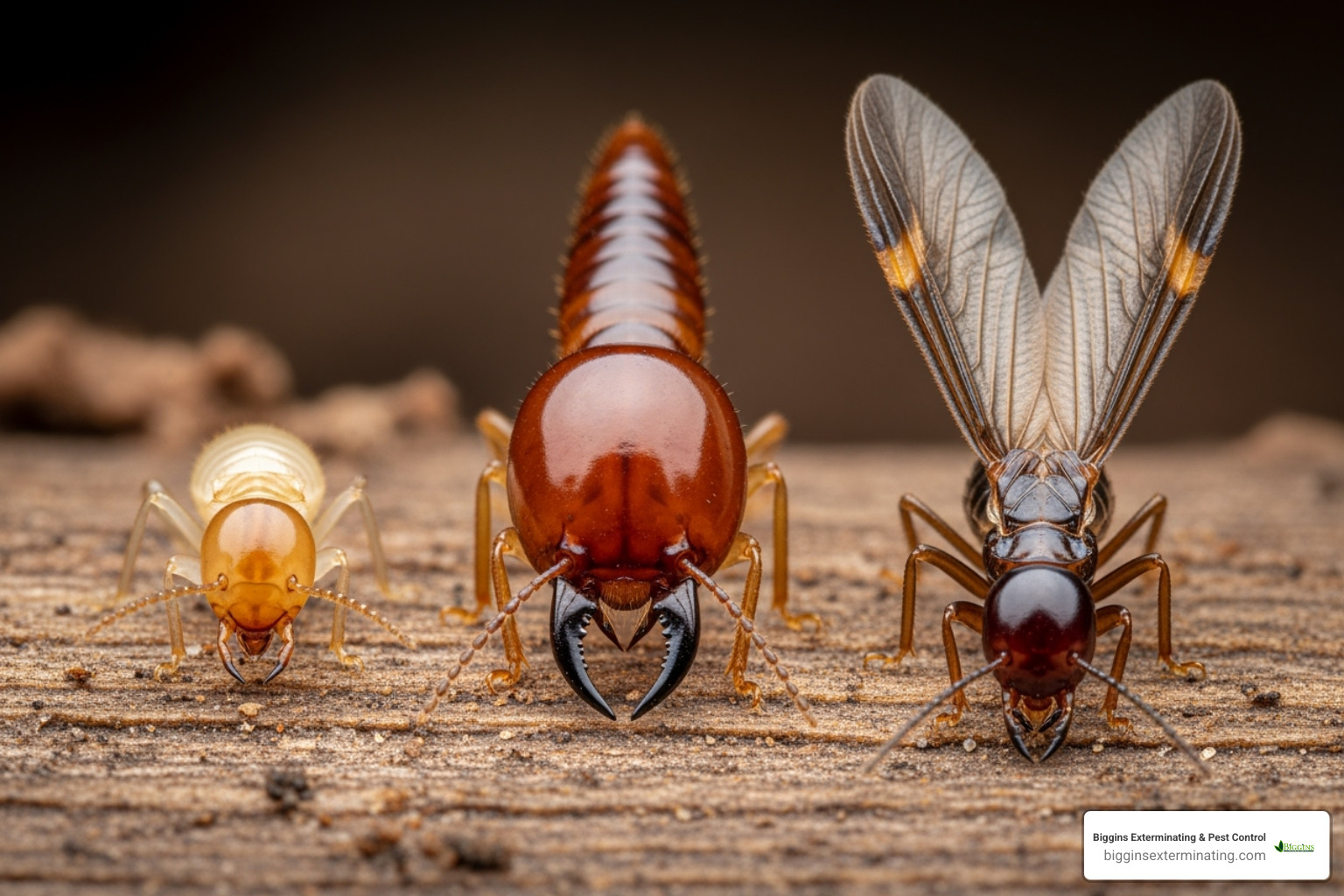
Workers make up over 90% of the colony. These small, cream-colored, wingless insects are the ones that eat wood 24/7, using their powerful jaws to feed and maintain the entire colony.
Soldiers are the defenders, recognizable by their larger, yellowish heads and prominent mandibles. They protect the colony from predators like ants and are fed by the workers.
Reproductives (also called swarmers or alates) are the winged, dark-colored termites you may see in the spring. They emerge from mature colonies to mate and establish new nests. A queen can live for over 25 years, laying hundreds of eggs annually.
Common Types in the U.S.
Here in Massachusetts, we primarily deal with the Eastern Subterranean Termite (Reticulitermes flavipes). Its colonies are responsible for most of the termite damage in our region.
The Formosan Subterranean Termite, or “super-termite,” is the most destructive species globally, but it is confined to the warmer, subtropical South and cannot survive our colder climate. The Western Subterranean Termite is dominant in the western states.
For more on termite distribution, see this scientific research on termite species distribution.
Termite vs. Ant: Key Differences
Homeowners often mistake termite swarmers for flying ants. Knowing the difference is crucial for getting the right treatment.
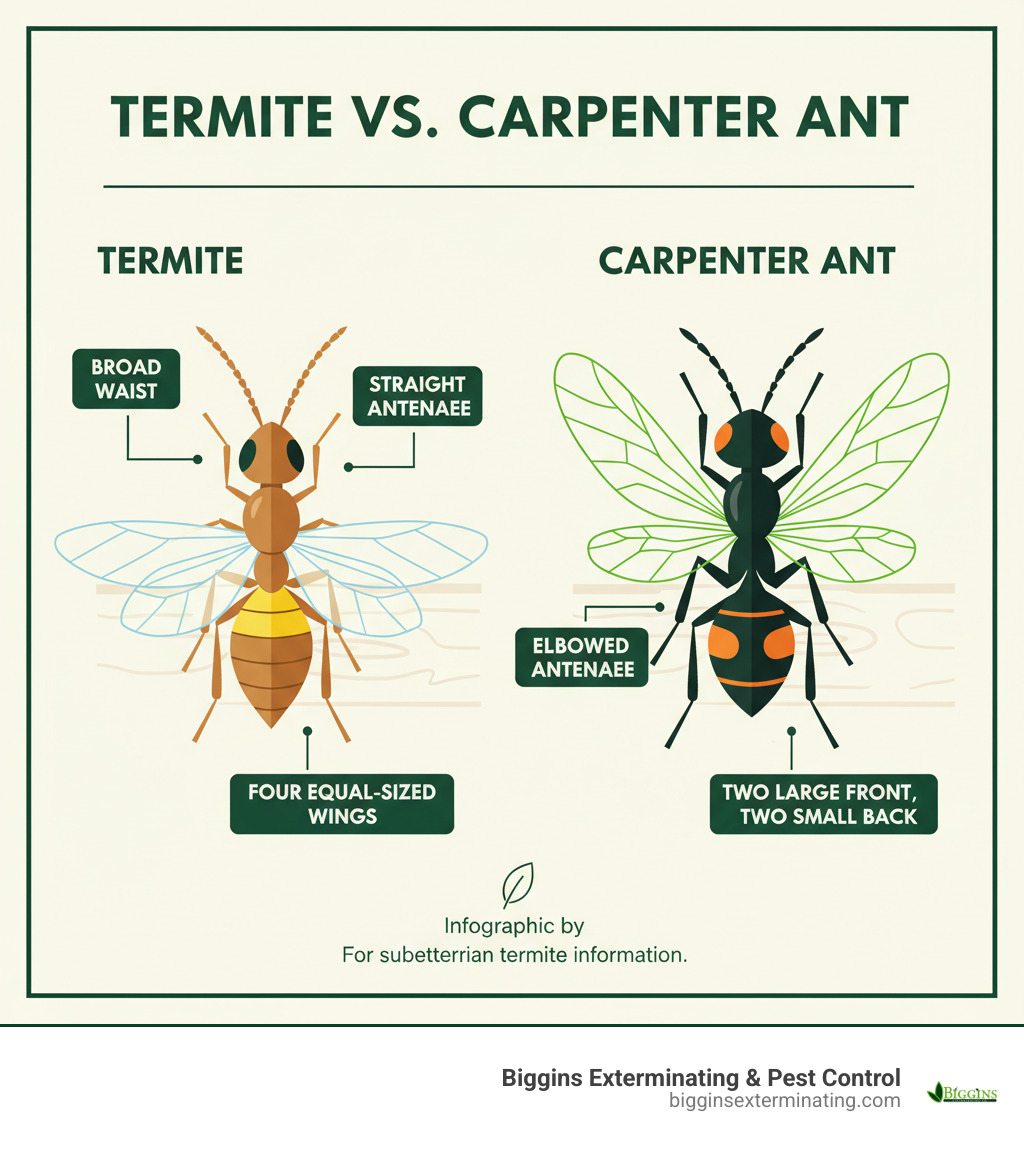
- Waist: Termites have a broad, straight waist. Ants have a distinctly pinched waist.
- Antennae: Termite antennae are straight and bead-like. Ant antennae are bent or elbowed.
- Wings: Termites have four wings of equal size and length. Ants have two large front wings and two smaller hind wings.
- Behavior: Termites consume wood and avoid light, building mud tubes for travel. Ants do not eat wood for sustenance (though carpenter ants excavate it) and are often seen in the open.
If you spot winged insects, proper identification is critical. Our guide on How to Distinguish Carpenter Ants from Termites: Identifying the Menace in Your Home offers more detail.
How to Spot the Telltale Signs of an Infestation
Subterranean termites are “silent destroyers” because they eat wood from the inside out, leaving the surface intact. Damage can go unnoticed for years, which is why regular inspections and knowing the signs are so important. For a complete overview, see our page on Signs of Termites.
The Importance of Mud Tubes
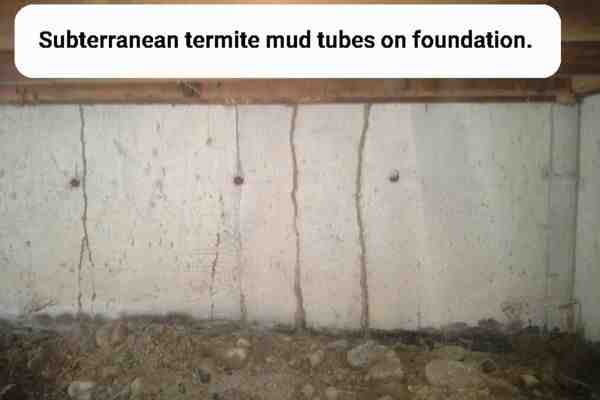
Mud tubes are the most definitive sign of a subterranean termite problem. These pencil-width tunnels are made from soil and wood particles and act as protected highways between their underground colony and the wood in your home. They maintain the moisture termites need to survive and shield them from predators.
You’ll most often find these tubes on concrete foundation walls, basement walls, and floor joists. Termites use them to cross inedible surfaces to reach wood. If you spot mud tubes, it’s strong evidence of a current or recent infestation that requires professional attention.
Evidence of Wood Damage
Subterranean termite damage is often hidden. Here’s what to look for:
- Hollow-Sounding Wood: Tap on wooden surfaces in basements, crawl spaces, and around window frames. A dull, empty sound suggests termites may have hollowed it out.
- Honeycomb Pattern: Damaged wood, when opened, will reveal a network of tunnels running with the grain. These galleries are often packed with soil and mud.
- Surface Changes: Look for blistering or darkening wood surfaces. Bubbling or uneven paint can also be a red flag, indicating tunneling just beneath the surface.
Unlike wood rot, termite-damaged wood will contain mud or dirt within the galleries. See visual examples on our page about Signs of Termite Damage.
Spotting a Termite Swarm
In Massachusetts, spring’s warm, rainy weather triggers subterranean termite swarms. This is when winged reproductives emerge to start new colonies.
- Discarded Wings: The most obvious sign is small piles of translucent wings on windowsills or near doorways. Swarmers shed their wings after they mate.
- Swarms of Insects: You may see a sudden swarm of what looks like flying ants, especially near light sources. This indicates a mature colony is nearby.
Witnessing a swarm or finding wings is a clear signal that you need to act. To see how quickly termites work, you can watch firsthand as termites devour a tiny house. If you spot any of these signs, don’t wait. The sooner you address an infestation, the less damage they can cause.
How to Prevent Subterranean Termites from Invading Your Home
Preventing a subterranean termite infestation is far easier and cheaper than treating one. A little home maintenance can save you thousands in potential damages. Our guides on Termite Prevention and The Dangers of Termites and How to Prevent Them in Massachusetts offer detailed strategies for local homeowners.
Eliminating Moisture and Food Sources
Subterranean termites need moisture and wood to survive. By controlling these two factors, you make your home much less appealing.
- Fix Leaks: Promptly repair any dripping faucets, leaky pipes, or other plumbing issues.
- Ensure Proper Drainage: Clean your gutters and use downspouts to direct rainwater several feet away from your foundation. Your yard should slope away from the house.
- Ventilate Damp Areas: Ensure crawl spaces have adequate ventilation. A dehumidifier can help reduce moisture in chronically damp basements.
- Remove Wood Debris: Clear your yard of old stumps, lumber, and leaf piles. Store firewood on a rack at least six inches off the ground and several feet away from your home.
Creating Physical Barriers
Physical obstacles make it harder for subterranean termites to get inside.
- Seal Entry Points: Inspect your foundation for cracks and seal them with concrete or a suitable sealant. Termites can enter through gaps as small as 1/16th of an inch.
- Maintain a Wood-to-Soil Gap: Keep at least a six-inch gap between the soil and any wooden parts of your home, including siding and deck posts. This forces termites to build visible mud tubes, making them easier to detect.
- Use Treated Lumber: For any wood that must contact the ground, such as fence posts, always use pressure-treated lumber.
Key home maintenance tasks for termite prevention:
- Seal all foundation cracks and gaps
- Maintain a 6-inch wood-to-soil clearance around your entire home
- Use treated lumber for any ground-contact applications
- Keep mulch at least 12 inches away from your foundation
- Ensure all wooden siding stays above the soil line
Prevention is an ongoing process, but these simple steps are your best defense against a future infestation.
How to Get Rid of a Subterranean Termite Infestation with Professional Help
If you suspect you have subterranean termites, do not rely on DIY treatments. Over-the-counter products only kill the few termites you see, leaving the massive underground colony—the source of the problem—unharmed and free to continue causing damage.

Eliminating a subterranean termite colony requires professional-grade materials, specialized equipment, and a deep understanding of termite biology. A trained professional can accurately identify the species, assess the extent of the infestation, and develop a targeted treatment plan. The first step is always a thorough Termite Inspection Service to determine the best course of action.
Liquid Soil Treatments
This proven method creates a continuous protective barrier in the soil around your home. Technicians apply a liquid termiticide by digging a shallow trench around the foundation or, for slab homes, by drilling small holes and injecting the product underneath. We use modern, non-repellent termiticides that are undetectable to termites. Foraging workers pass through the treated zone, unknowingly carrying the active ingredient back to the colony. It then spreads through social contact, leading to the elimination of the entire colony from the inside out.
This precise application creates a long-lasting barrier that protects your home for years. Learn more about this approach on our Termite Barrier Treatment page.
Termite Baiting Systems
Baiting systems offer a modern, targeted approach that uses termite behavior to destroy the colony. We install discreet bait stations in the soil around your home’s perimeter. These stations contain a material that attracts foraging termites. Once activity is detected, the monitoring material is replaced with a slow-acting bait.
Worker termites consume the bait and share it with the rest of the colony, including the queen. The bait contains an insect growth regulator (IGR) that disrupts the termites’ life cycle, causing the colony to collapse over time. This method is highly effective because it eliminates the source of the infestation. For more on achieving lasting results, visit our page on How to Get Rid of Termites Permanently.
The right method depends on your home’s construction and the specifics of the infestation, which is why a professional consultation is essential.
Frequently Asked Questions about Subterranean Termites
As a pest control professional with over 40 years of experience, I’ve answered thousands of questions from concerned homeowners. Here are the answers to the most common ones we hear at Biggins Exterminating.
How much damage can a small termite colony do?
Don’t underestimate a “small” colony. A group of 60,000 subterranean termites can consume about 1/5 ounce of wood per day. Over a year, that adds up to more than 2.3 feet of a 2×4 board. Since they work 24/7 and often remain hidden for years, the damage can become severe before it’s ever finded.
Is termite damage covered by homeowners insurance?
Unfortunately, the answer is almost always no. Standard homeowners insurance policies view termite damage as a preventable maintenance issue, not a sudden, accidental event like a fire. This means the full financial burden of repairs falls on the homeowner. That’s why professional prevention and early detection are your best forms of insurance against termites.
How much does professional termite treatment cost?
Subterranean termite treatment costs vary based on your home’s size, the infestation’s severity, and the chosen treatment method. Based on internet data from various sources across the country, average costs for professional termite treatment typically range from $1,200 to over $8,000. These are average costs based on internet data and not actual costs for Biggins Exterminating services. In severe cases requiring structural repairs, total costs can exceed $10,000.
The only way to get an accurate estimate is to schedule a professional inspection. We can assess your property and provide a clear quote for the most effective treatment. You can learn more on our Termite Treatment Cost page. While professional treatment is an investment, it’s far less expensive than major structural repairs.
Conclusion: Protect Your Home from Silent Destroyers
Your home is your most valuable investment, and subterranean termites pose a silent but significant threat. They work 24/7, causing structural damage that isn’t covered by insurance and can lead to staggering repair costs.
The best defense is vigilance and prevention. By watching for warning signs like mud tubes, hollow-sounding wood, or discarded wings in the spring, you can catch an infestation early. Early detection is absolutely key to minimizing damage and treatment costs.
For over 40 years, Biggins Exterminating has protected Massachusetts homes from termites. As a family-owned business serving Wilmington, Andover, Lexington, and surrounding communities, we’ve built our reputation on honest assessments and effective treatments. We don’t use long-term contracts and stand behind our work with solid warranties because we earn your trust with results.
Whether you’ve seen signs of termites or want to be proactive, we’re here to help. Don’t wait for the problem to get worse. Visit our Termites Pest Control page to learn more, or call us today to schedule an inspection and gain the peace of mind that comes with professional protection.