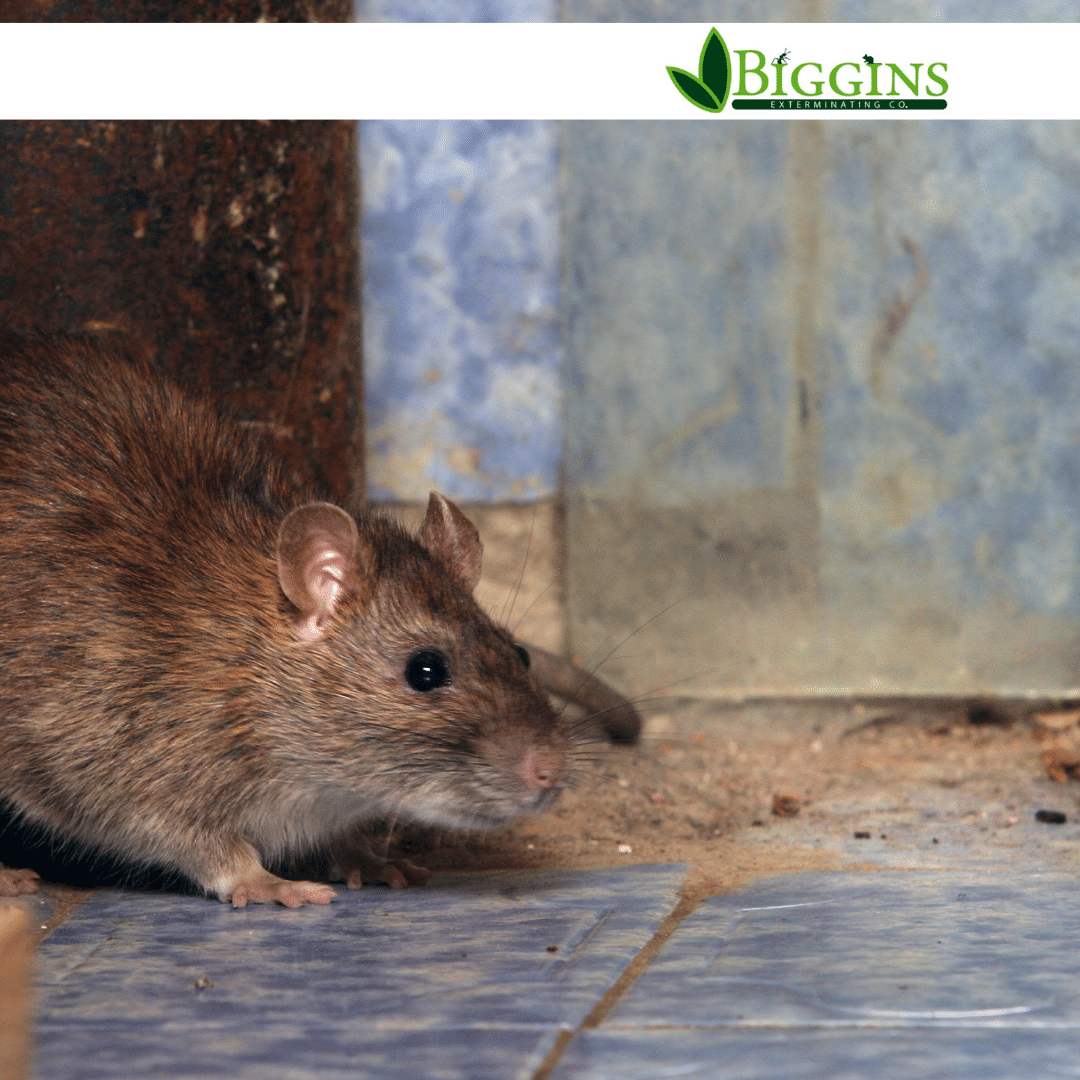
Why Rodent Control Is Essential for Reading and North Reading Homeowners
Rodent control Reading MA is a critical concern for homeowners seeking to protect their families and properties from the health risks and structural damage that mice and rats bring. Whether you’re hearing scratching sounds in your walls, finding droppings near your baseboards, or noticing gnaw marks on food packaging, addressing a rodent problem quickly is essential.
If you need rodent control in Reading, MA, here’s what you should know:
- Common rodents: House mice and Norway rats are the most frequent invaders in Reading and North Reading homes
- Entry points: Mice can squeeze through holes the size of a dime; rats through quarter-sized openings
- Health risks: Rodents spread salmonella and carry disease-causing parasites like ticks, fleas, and mites
- Damage potential: Rodents chew through wires (fire hazard), damage insulation, and contaminate food
- Professional help: Contact a local pest control service for thorough inspection, exclusion, and treatment
- Prevention: Seal entry points, secure trash, store food properly, and maintain your yard
As the weather cools in fall and winter, rodents actively seek warmth, food, and shelter inside homes. Reading’s mix of historic properties and newer construction—combined with wooded areas and proximity to natural landscapes—creates ideal conditions for year-round rodent activity.
I’m Stephen Biggins, and I’ve been helping Reading and North Reading homeowners solve their rodent control Reading MA challenges for decades through our family-owned business, Biggins Exterminating Co. Since 1982, we’ve built our reputation on honest, effective pest control solutions that keep rodents out for good—without locking customers into unnecessary contracts.
Simple guide to Rodent control Reading MA terms:
Common Rodents in Reading and the Dangers They Pose
Living in a beautiful Massachusetts town like Reading or North Reading means enjoying picturesque natural scenery, but it also means sharing our environment with local wildlife, including rodents. The two most common rodent pests we encounter in the Northeast region are the Norway rat and the house mouse. These tiny invaders can pose significant threats to your home and health.
The Unwanted Guests: Identifying Mice and Rats
Understanding which type of rodent you’re dealing with can be helpful, though the general principles of rodent control Reading MA remain similar.
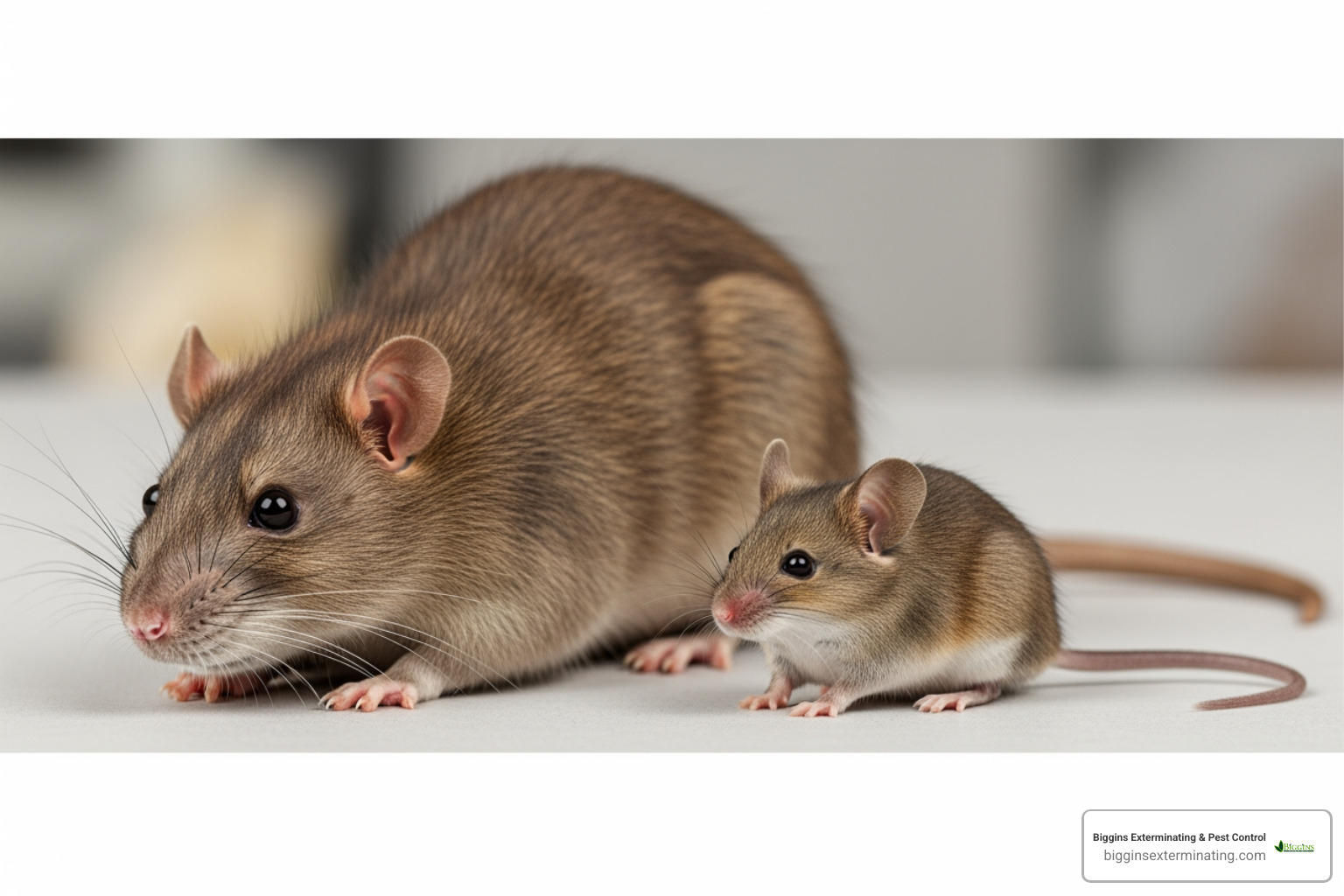
The Norway Rat is a common sight in our area. These are heavy-set rodents, typically light brown to black in color. Their droppings are capsule-shaped, which can be a key identifier. Norway rats are often found in basements, crawl spaces, and around foundations, preferring to burrow. They are known for their strength and ability to gnaw through various materials.
The House Mouse is smaller and more agile than the Norway rat. They are typically gray or light brown with a lighter belly. Mouse droppings are much smaller, resembling tiny black grains of rice. Mice are incredibly adept at finding their way into homes, often seeking shelter in walls, attics, and cluttered areas.
One of the most astonishing facts about these pests is their ability to squeeze through incredibly small openings. Mice can slip through a hole the size of a dime, while rats can make their way through an opening as small as a quarter. This means even the tiniest crack or gap in your home’s foundation or exterior can be an open invitation for an infestation. This remarkable ability underscores why thorough sealing is a cornerstone of effective rodent control.
Health Hazards and Structural Damage
Rodents are more than just a nuisance; they are a serious health risk and can cause extensive damage to your property.
Health Risks: Rats and mice are notorious carriers of numerous diseases that can lead to serious illnesses in humans and pets. They can spread pathogens like salmonella through their urine and feces, contaminating food preparation surfaces and stored food items. Beyond direct disease transmission, rodents also carry disease-causing parasites such as ticks, fleas, mites, and lice. These parasites can then jump to your pets and family, introducing their own set of health problems, including Lyme disease from ticks. The Centers for Disease Control and Prevention (CDC) provides extensive guidance on rodent-borne diseases, and we always follow their recommended best practices for safe and effective control. For additional guidance and information, you can visit the CDC guidance on rodent-borne diseases homepage.
Structural Damage: The constant gnawing behavior of rodents is not just annoying; it’s destructive. They chew through electrical wires, which can create significant fire hazards within your home. Imagine the danger of live wires exposed in your walls or attic! Beyond wiring, they can damage insulation, reducing your home’s energy efficiency and creating costly repair bills. They’ll also gnaw on plastic pipes, wooden structures, and even furniture. Rodents prefer to feed in and around homes, restaurants, and anywhere they can get access to food and water, which means they’ll often target pantries, food storage areas, and pet food supplies, contaminating anything they touch.
How to Spot a Rodent Infestation in Your Home
Early detection is key to preventing a small rodent problem from becoming a full-blown infestation. Rodents are nocturnal and naturally cautious, so you might not see them directly. However, they leave behind plenty of telltale signs if you know what to look for. Regular inspections of your home’s interior and exterior, especially in less-frequented areas like basements, attics, and garages, can help you identify a problem quickly.

Evidence You Can See and Smell
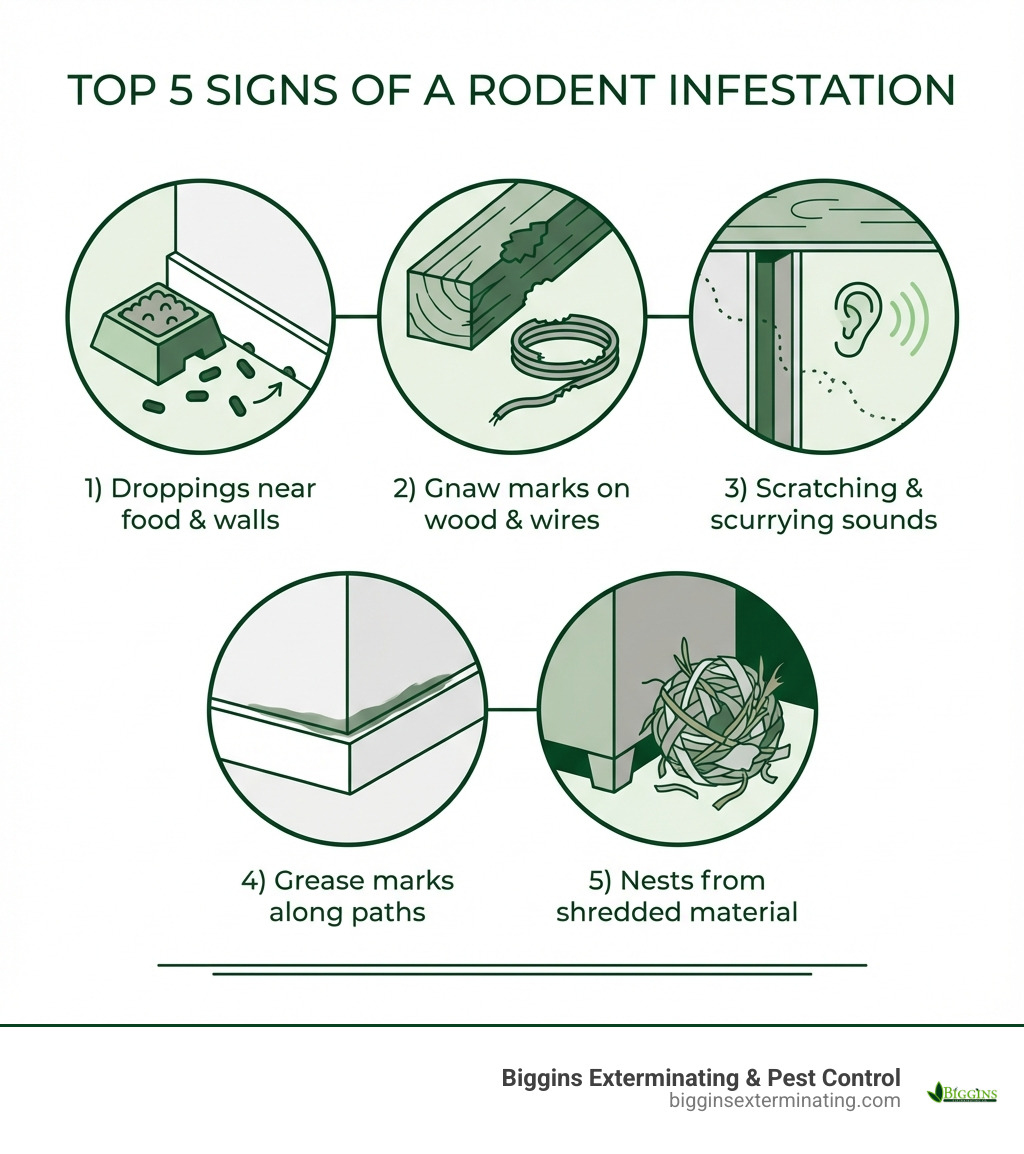
The most common and undeniable signs of a rodent infestation include:
- Droppings: This is often the first sign people notice. Mouse droppings are small, dark, and pellet-like, about the size of a rice grain. Rat droppings are larger, capsule-shaped, and blunt-ended. You’ll typically find them along walls, near food sources, in cabinets, or under sinks.
- Gnaw Marks: Rodents constantly gnaw to keep their teeth sharp and to access food or shelter. Look for chew marks on food packaging, wooden baseboards, furniture, pipes, or electrical wires. Fresh gnaw marks will appear lighter in color.
- Nests: Rodents build nests in secluded, warm places using shredded materials like paper, fabric, insulation, or dried plant matter. Check hidden areas in attics, basements, wall voids, and cluttered storage spaces.
- Musky Odors: A persistent, stale, or musky odor, especially in enclosed areas like pantries or cabinets, can indicate the presence of rodents and their urine.
- Pet Behavior Changes: If your cat or dog suddenly becomes agitated, scratches at walls, or persistently stares at certain areas, they might be sensing rodent activity that you haven’t yet detected.
Following the Trail: Runways and Grease Marks
Rodents are creatures of habit and often use the same pathways repeatedly. These pathways can leave behind noticeable clues:
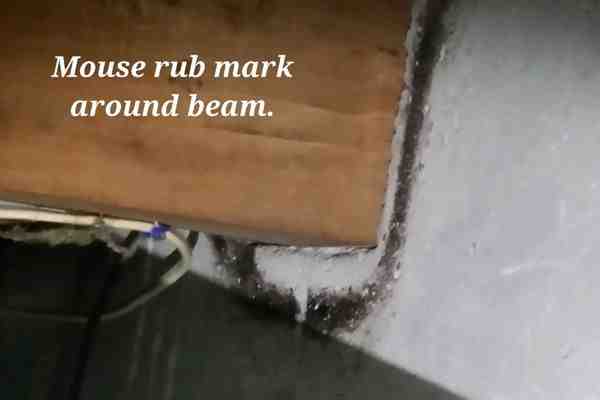
- Grease Marks: As rodents travel along walls and baseboards, the oil and dirt from their fur can leave dark, greasy smudges. These “rub marks” indicate active routes.
- Rodent Pathways/Runways: In dusty or less-trafficked areas, you might see faint tracks or pathways where rodents have consistently traveled.
- Burrows: Norway rats, in particular, are known for burrowing. Look for holes in the ground along foundations, under sheds, or in dense vegetation.
- Hidden Food Stashes: Rodents hoard food. Check for piles of nuts, seeds, or pet food in hidden corners of your pantry, behind appliances, or in other secluded spots.
If you’ve noticed any of these signs, it’s crucial to act promptly. For more detailed information on identifying specific rodent issues, you can refer to our guides on More on identifying mice and More on identifying rats.
Your Guide to Effective Rodent Control in Reading, MA
Effective rodent control Reading MA requires a multi-faceted approach, combining proactive prevention with targeted control methods. At Biggins Exterminating, we champion an Integrated Pest Management (IPM) strategy, which focuses on long-term prevention and uses the most effective and environmentally responsible methods available.
Proactive Prevention: Keeping Rodents Out for Good
The best defense against rodents is a strong offense. By eliminating access, food, and shelter, you significantly reduce the chances of an infestation. Here are key preventative measures Reading and North Reading residents can take:
- Seal Entry Points: This is perhaps the most critical step. Mice need only a dime-sized hole, and rats a quarter-sized one. Thoroughly inspect your home’s exterior, including the foundation, walls, windows, and doors. Use materials like steel wool, caulk, lath screen, hydraulic cement, hardware cloth, or metal sheeting to seal all cracks, gaps, and holes. Pay close attention to utility entry points where pipes and wires enter the house. Don’t forget to check around chimneys, roofs, soffits, and vents, sealing them with metal or mesh.
- Proper Waste Management: Rodents are constantly searching for food. Contain all trash and garbage in durable trash cans with tight-locking lids. Regularly clean your receptacles to remove food residues.
- Secure Food Storage: Store all human food, pet food, and animal feed in thick plastic or metal containers with tight-fitting lids. Never leave pet food or water bowls out overnight, especially outdoors.
- Reduce Clutter: Eliminate potential nesting sites by removing clutter from inside your home, garage, and yard. Old furniture, woodpiles, mattresses, and tires provide perfect shelter. Lift outdoor storage items like woodpiles and compost bins at least one foot off the ground and position them at least 100 feet away from your home.
- Yard Maintenance: Keep your grass cut short and shrubbery trimmed, especially within 100 feet of your home. Dense vegetation can provide cover for rodents.
The Town of Reading also provides valuable resources and tips for residents. You can find official advice on Official rodent control tips from the Town of Reading.
Methods for Rodent Control in Reading, MA
Once rodents have established themselves in your home, prevention alone won’t solve the problem. Control methods become necessary.
- Trapping: For smaller infestations, trapping can be effective. We often recommend snap traps as they are one of the most effective and economically friendly ways to get rid of rodents. Live traps can also be an option, particularly if you prefer a poison-free approach. Place traps strategically along walls where rodents travel, with the bait end against the wall. It’s crucial to check traps at least once a day and replace dead rodents with fresh bait.
- Baiting: Baiting involves using rodenticides placed in tamper-proof bait stations. These stations are designed to allow rodents access to the bait while keeping children, pets, and non-target wildlife safe. Baiting is effective for larger infestations, but it requires careful placement and adherence to manufacturer instructions.
DIY Limitations & When to Call a Professional: While prevention and basic trapping can help with minor issues, many online or store-bought remedies only offer temporary solutions. Rodents are resilient and reproduce quickly. If you’re facing an overwhelming infestation, recurring problems, or if you’re uncomfortable handling rodents or pesticides, it’s time to call in the experts. Professional exterminators, like us at Biggins Exterminating, have the knowledge, tools, and experience to:
- Conduct a Thorough Inspection: We identify entry points, nesting sites, and the extent of the infestation.
- Develop a Customized Treatment Plan: Custom to your specific situation, ensuring effective and safe removal.
- Implement Exclusion Services: We seal entry points with durable materials to prevent future access.
- Apply Safe and Strategic Trapping and Baiting: Using industry best practices and professional-grade products.
- Provide Follow-Up and Prevention Advice: To ensure long-term rodent freedom.
For comprehensive solutions that go beyond DIY, explore our Comprehensive residential pest solutions.
Frequently Asked Questions about Rodent Control
We often hear similar questions from homeowners in Reading and North Reading. Here are some of the most common ones, along with our expert answers.
What time of year are rodents most active in Massachusetts?
While rodents can be a year-round problem, their activity patterns shift with the seasons. In Massachusetts, you’ll typically see an increase in indoor rodent activity during the fall and winter months. As the weather cools, natural food sources outdoors become scarcer, and rodents actively seek warmth and shelter inside our homes. This is when they are most likely to infiltrate your property, making fall a critical time for preventative measures. However, a mild winter can also lead to increased outdoor activity. Year-round vigilance and a proactive approach are always your best bet. Different pests are more prevalent in different seasons in New England; for mice and rats, winter often brings them indoors.
Can rodents really damage my home’s wiring?
Absolutely, and this is one of the most dangerous aspects of a rodent infestation. Rodents, especially rats, constantly gnaw on things to keep their incisors from growing too long. Electrical wires are unfortunately a common target. When they chew through the protective insulation of wires, it exposes the live electrical conductors. This can lead to:
- Fire Hazards: Exposed wires can spark, potentially igniting insulation, wood, or other flammable materials within your walls or attic, leading to devastating house fires.
- Appliance Damage: Rodents can chew through the wiring of household appliances, causing them to malfunction or become inoperable.
- Structural Damage: Beyond wiring, they can damage wooden beams, drywall, and even plastic pipes, leading to costly repairs and compromising the structural integrity of your home.
- Insulation Damage: Rodents often tunnel through and nest in insulation, compressing it and reducing its effectiveness, which can increase your heating and cooling costs.
The potential for fire alone makes addressing a rodent problem immediately a top priority for any homeowner.
What should I expect from professional rodent control in Reading, MA?
When you choose a professional pest control service like Biggins Exterminating for rodent control Reading MA, you can expect a comprehensive and systematic approach designed for lasting results. Here’s what our process typically involves:
- Thorough Inspection: Our experienced technicians will conduct a detailed inspection of your property, both inside and out. We’ll identify the type of rodent, locate entry points, pinpoint nesting areas, and assess the extent of the infestation. We look for all the signs discussed earlier, from droppings to gnaw marks and runways.
- Customized Treatment Plan: Based on our findings, we’ll develop a custom treatment plan specifically for your Reading or North Reading home. This plan will outline the methods we’ll use (e.g., trapping, baiting, exclusion), the products involved, and a timeline for resolution. We believe in precision and strategy rather than blanket applications, focusing on effective and safe solutions.
- Exclusion Services: A critical component of long-term control is preventing future entry. We’ll seal identified entry points using durable, rodent-proof materials to keep new invaders out.
- Trapping and Baiting Strategies: We’ll deploy traps and/or tamper-proof bait stations strategically in areas of high rodent activity, ensuring they are placed safely away from children and pets. We monitor these regularly to manage the population effectively.
- Follow-Up Visits: Rodent control is rarely a one-time event. We schedule follow-up visits to monitor progress, remove captured rodents, re-bait traps if necessary, and ensure the infestation is completely eradicated.
- Prevention Advice: We’ll provide you with expert advice on ongoing preventative measures you can take to make your home less attractive to rodents in the future, from sanitation tips to maintaining your property.
Our goal is not just to eliminate the current problem but to provide you with peace of mind knowing your home is protected long-term. We offer reliable pest and rodent control services without requiring contracts, providing warranties and ensuring customer satisfaction. For more information on our services in your area, visit our page on Pest control services in North Reading, MA.
Secure Your Reading Home with Professional Rodent Control
Rodents are a persistent threat to homes in Reading and North Reading, MA, capable of causing significant damage and posing serious health risks. From the common house mouse to the robust Norway rat, these pests are adept at finding their way indoors, especially as the seasons change and they seek warmth and food. The key to effective rodent control Reading MA lies in a combination of diligent prevention and, when necessary, professional intervention.
While homeowners can take many proactive steps to deter rodents—such as sealing entry points, managing waste properly, and maintaining their yards—established infestations often require the expertise and specialized tools that only a professional pest control service can provide. Attempting to handle a significant rodent problem on your own can be frustrating, ineffective, and potentially unsafe.
At Biggins Exterminating Co., we understand the unique pest challenges faced by residents in Reading, North Reading, and surrounding communities like Andover, Bedford, Burlington, Lexington, Tewksbury, Wilmington, and Woburn. As a local, family-owned and operated Massachusetts pest control company with over 40 years of trusted, high-quality service, we bring unparalleled expertise and a deep commitment to our community. Our professional, state-certified technicians use the latest and safest extermination methods, focusing on comprehensive solutions that identify, exterminate, and prevent pests from returning. We pride ourselves on transparent pricing, honest assessments, and responsive customer service, all backed by our satisfaction guarantee and without the need for contracts.
Don’t let rodents compromise the safety and comfort of your home. Take the first step towards a rodent-free environment.
Get a free estimate for rodent control in Reading, MA today and let our family protect yours.