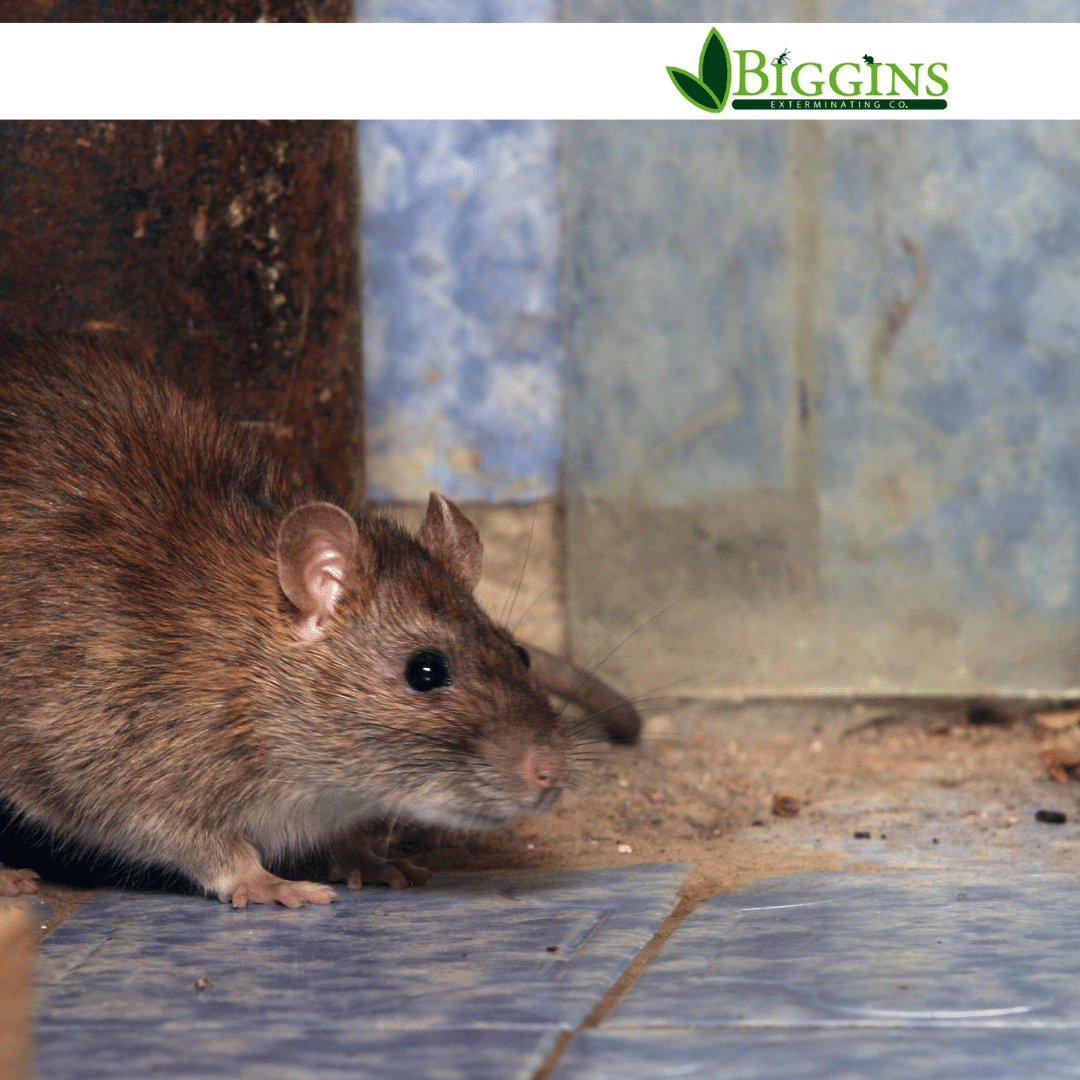
What You Need to Know About Rat and Mice Infestations
A rat and mice infestation can turn your comfortable home into a stressful environment. These unwelcome guests cause damage, spread diseases, and contaminate your food. You may never even see a mouse or rat unless the infestation is severe.
If you suspect you have a rodent problem, here’s a quick overview of what to look for and what to do:
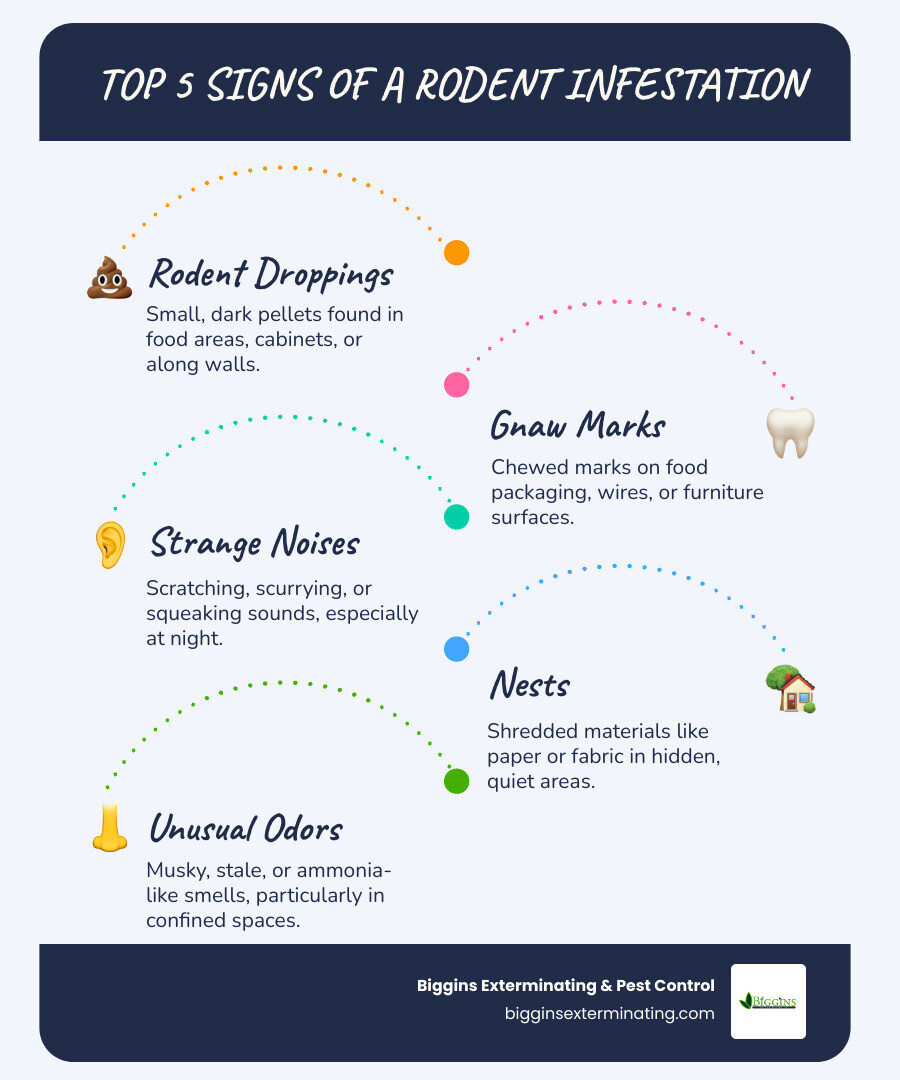
- Common Signs of Infestation:
- Rodent droppings (small, dark pellets)
- Gnaw marks on food packaging, wires, or furniture
- Scratching, scurrying, or squeaking noises, especially at night
- Nests made from shredded materials in hidden areas
- Musky, stale, or ammonia-like odors
- Unusual pet behavior (e.g., agitation, pawing at walls)
- Greasy rub marks along baseboards or walls
- Immediate Prevention Steps:
- Seal Entry Points: Block holes and cracks as small as half an inch with steel wool, caulk, or patching material.
- Remove Food Sources: Store all food, including pet food, in sealed, airtight containers. Clean up spills and crumbs promptly.
- Manage Waste: Use garbage cans with tight-fitting lids and dispose of trash regularly.
- Eliminate Nesting Sites: Clear away clutter, leaf piles, and deep mulch around your property.
I’m Stephen Biggins, owner of Biggins Exterminating Co. With over four decades of experience, my family-owned business is dedicated to helping homeowners like you tackle the challenges of rat and mice infestation and maintain safe, pest-free environments. This guide will walk you through everything you need to know.
Relevant articles related to rat and mice infestation:
Spotting the Unwanted Guests: Key Signs of a Rodent Problem
Recognizing the early signs of a rat and mice infestation is crucial for prompt action. Rodents are nocturnal creatures, meaning they are most active at night, and their small size allows them to hide effectively. This is why you might not see them directly, especially if the infestation is not severe. Instead, we need to look for the telltale signs they leave behind.
Telltale Signs of a Rat and Mice Infestation
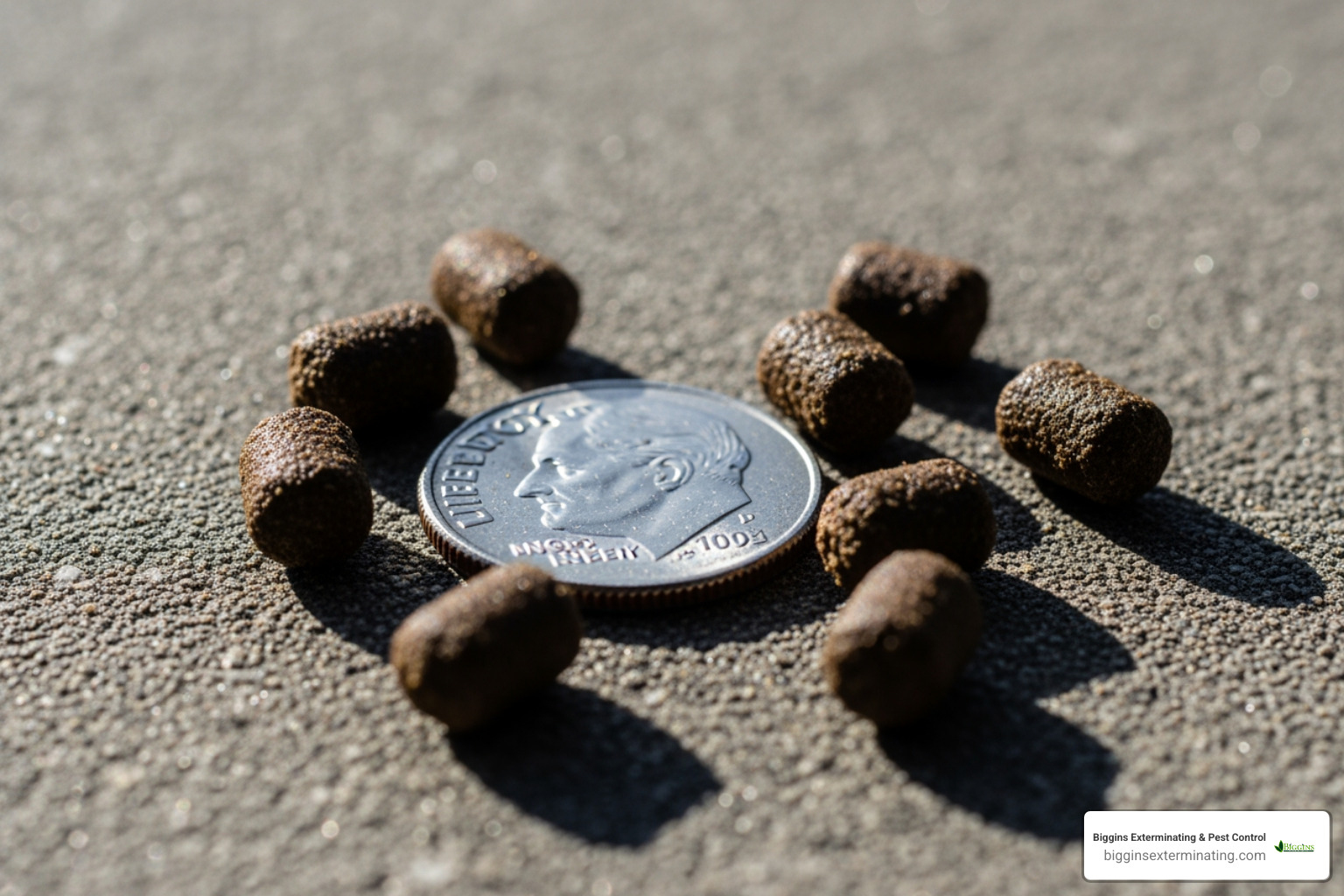
- Rodent Droppings: This is often the most obvious sign. Rodent droppings are small, dark pellets that resemble grains of rice (for mice) or raisins (for rats). Mice can create between 50 and 60 droppings per day, while rats can produce 40 to 50. We typically find them around food packages, in drawers or cupboards, under the sink, or along walls where rodents travel.
- Fresh vs. Old Droppings: Fresh droppings are usually dark and moist. As they age, they become dry, gray, and crumbly. Finding fresh droppings indicates an active infestation.
- Gnaw Marks on Wood or Wires: Rodents’ incisor teeth never stop growing, so they constantly gnaw on objects to keep them trimmed. We often find gnaw marks on food packaging, wooden furniture, baseboards, plastic pipes, and electrical wires. These marks can vary in size; rat teeth marks are typically about 1/8-inch long, while mouse gnaw marks are smaller and appear scratchier. Chewed electrical wires pose a significant fire hazard.
- Scratching Sounds in Walls or Squeaking Noises at Night: As nocturnal creatures, rodents are most active when your home is quiet. You might hear scratching, scurrying, or gnawing sounds coming from within walls, ceilings, attics, or basements, especially after dark. Squeaking noises can also indicate their presence.
- Shredded Paper or Fabric (Nests): Rodents build nests in secluded, hidden areas using soft, shredded materials. We might find nesting material made from shredded paper, fabric, insulation, dried plant matter, or other soft debris in places like attics, basements, wall voids, or behind appliances.
- Musky or Ammonia-Like Smells: A persistent, stale, musky odor can be a strong indicator of a rodent infestation. A heavy ammonia smell suggests a large and active infestation, often due to accumulated urine. The odor of a dead rodent is sharp and pungent, which is distinct from the musky smell of an active colony.
- Greasy Rub Marks Along Baseboards: Rodents tend to travel along walls, using them as a guide. Over time, the oils and dirt from their fur can leave greasy, dark smears or rub marks along baseboards and other surfaces they frequent. These runways can help us identify their preferred paths.
- Odd Pet Behavior: Your pets, especially dogs and cats, have heightened senses and may detect rodents before you do. We’ve seen pets become unusually agitated, bark or paw at walls, or stare intently at specific areas where rodents might be hiding.
- Tracks and Runways: In dusty areas of your home, like basements, attics, or undisturbed corners, you might find small footprints or tail drag marks. We can confirm activity by sprinkling a thin layer of flour or baby powder in suspected areas and checking for tracks the next day.
By carefully inspecting your home for these signs, you can determine if you have a rat and mice infestation and take the necessary steps to address it.
Rat vs. Mouse: Identifying Your Specific Intruder
Once you’ve identified signs of rodent activity, the next step is to figure out whether you’re dealing with rats or mice. While both are rodents, they differ in size, behavior, and habits, which can influence the most effective control methods. Knowing your enemy helps us tailor our approach.
Distinguishing Between Rats and Mice
| Feature | Mouse (e.g., House Mouse) | Rat (e.g., Norway Rat, Roof Rat) |
|---|---|---|
| Size & Weight | Small, slender body (3-4 inches long, excluding tail); weighs 0.5-1 ounce. | Larger, robust body (7-10 inches long, excluding tail); weighs up to 1 pound (0.5 kg). |
| Head & Ears | Small head, large ears relative to body, pointed snout. | Larger head, smaller ears relative to body, blunt snout. |
| Tail | Thin, hairy tail, typically as long as body and head combined. | Thick, scaly tail, often shorter than body and head combined. |
| Droppings | Small, smooth, pointed ends, about 1/8 – 1/4 inch long. | Larger, shiny black, 1/2 – 3/4 inch long (like raisins); Norway rat droppings are blunt, roof rat droppings are pointed. |
| Gnaw Marks | Small, fine, scratchy marks. | Larger, more distinct marks, about 1/8 inch wide. |
| Behavior | Curious, explore new objects readily. | Neophobic (fearful of new objects), cautious. |
| Nesting Habits | Build nests in hidden, warm places near food, often in walls, under appliances. | Norway rats burrow at ground level; Roof rats nest high in attics, rafters, trees. |
| Reproduction Rate | 5-7 offspring every three weeks. | 6-8 offspring every three weeks. |
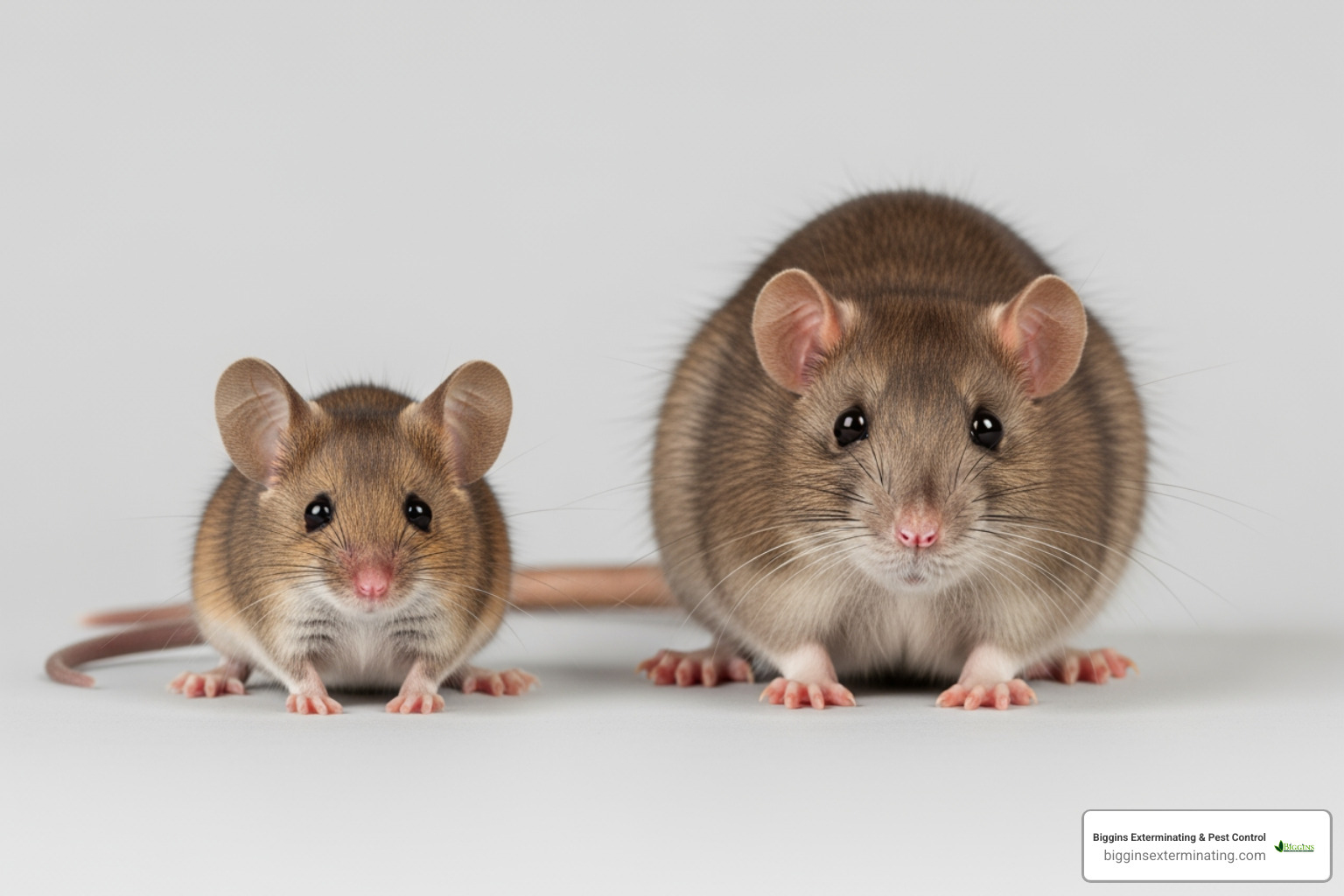
- House Mouse: These are the most common mice we encounter in homes in Wilmington, MA, and surrounding areas like Andover, Bedford, and Lexington. They have large ears and are typically light brown to dark grey with a lighter belly. They’re often found in urban areas and are known for their curious nature.
- Deer Mouse: Brown or grey with a white belly and feet, the deer mouse is easily identified by the white underside of its tail. While they prefer fields and woodlands, they may invade buildings near these areas in the fall, seeking warmth.
- Norway Rat: Also known as brown rats or sewer rats, Norway rats are stocky and can weigh up to 1 pound. They build elaborate tunnel systems and burrows at ground level, preferring damp areas like crawl spaces, basements, and building perimeters.
- Roof Rat: Slender and agile climbers, roof rats (also called black rats) prefer to live in liftd areas like trees, vines, and other dense vegetation. Inside, they infest attics, rafters, roofs, and upper stories of buildings. They are common in our service areas.
Understanding these distinctions helps us determine the best approach for control. For example, a rat trap is often too large to effectively catch a mouse. If you are dealing with mice, we have more information about our mice services. For rats, you can learn more about our specialized rat services.
Understanding the Dangers of a Rat and Mice Infestation
A rat and mice infestation is more than just an annoyance; it poses significant risks to your property, health, and safety. Here at Biggins Exterminating Co., we understand these dangers and are committed to protecting our community in Wilmington, MA, and towns like Billerica, Burlington, and Tewksbury.
Property Damage
Rodents are notorious for their destructive gnawing habits. Their continuously growing teeth compel them to chew on almost anything, causing extensive damage to your home’s structure and belongings.
- Structural Risks: They can chew through wood, drywall, insulation, and even plastic pipes, creating new entry points or damaging existing structures. This can compromise the integrity of your home.
- Fire Hazards from Gnawing: One of the most dangerous consequences of rodent gnawing is damage to electrical wiring. When insulation is chewed off wires, it exposes live conductors, creating a serious fire hazard. We’ve seen homes suffer significant damage, and even be lost, due to fires started by rodents.
- Contamination: Rodents contaminate food preparation surfaces, stored food, and insulation with their urine, droppings, and hair. This not only makes food unsafe but can also lead to unpleasant odors and unsanitary conditions throughout your home.
Health Risks and Diseases Spread by Rodents
Rodents are known carriers of numerous diseases that can be transmitted to humans and pets, either directly or indirectly. Many of these diseases do not cause apparent illness in rodents, making visual identification of an infected animal unreliable. Infestations in and around homes are the primary drivers of disease spread from rodents to humans.
- Direct Transmission:
- Hantavirus Pulmonary Syndrome: Transmitted when people breathe in airborne virus particles from rodent urine, droppings, or saliva, especially in enclosed spaces. Symptoms can be severe and life-threatening.
- Salmonellosis: A bacterial disease often spread by consuming food or water contaminated with rodent feces.
- Leptospirosis: Caused by bacteria found in rodent urine. It can enter the body through cuts or mucous membranes when people come into contact with contaminated water or soil.
- Rat-Bite Fever: A bacterial disease transmitted through bites or scratches from infected rodents, or by consuming contaminated food or water.
- Indirect Transmission: Rodents often carry other pests like ticks, mites, and fleas. These parasites can then transmit diseases to humans and pets.
- Flea-borne Typhus: Spread by fleas that have fed on infected rodents.
- Lyme Disease and other Tick-borne illnesses: While not directly from rodents, rodents can host ticks that carry these diseases, bringing them closer to your living spaces.
- Allergies and Asthma: Rodent fur, dander, and droppings can trigger allergic reactions and exacerbate asthma symptoms, particularly in sensitive individuals.
For a comprehensive list of diseases spread by rodents, we recommend consulting the CDC’s resources on diseases spread by rodents. Protecting your family from these health risks is a top priority for us at Biggins Exterminating Co.
Securing Your Home: Cleanup and Prevention Strategies
Addressing a rat and mice infestation requires a two-pronged approach: thorough cleanup after rodents have been removed, followed by robust prevention strategies to keep them from returning. We believe in an Integrated Pest Management (IPM) approach, which combines various methods to achieve long-term, sustainable rodent control. IPM focuses on understanding the pest, modifying its environment, and using targeted treatments only when necessary.
How to Safely Clean Up After Rodents
Cleaning up after a rodent infestation is critical to remove contaminants and prevent disease transmission. It’s not just about aesthetics; it’s about public health.
- Wear Protective Gear: Always wear rubber, latex, or vinyl gloves, a respirator (N-95 or higher) to prevent inhaling airborne particles, and protective eyewear.
- Ventilate the Area: Before cleaning, open windows and doors for at least 30 minutes to air out the space. This helps reduce airborne contaminants.
- Moisten Droppings and Nests: Never sweep or vacuum dry droppings or nesting materials, as this can aerosolize harmful pathogens. Instead, spray droppings, urine, and nesting materials with a disinfectant solution. A common recommendation is a bleach solution (1 part bleach to 10 parts water) or a commercial disinfectant registered for use against viruses and bacteria. Let it soak for at least 5 minutes.
- Carefully Remove Waste: Use paper towels to pick up the moistened droppings and nesting materials. Place them in a plastic bag, seal it, and dispose of it in an outdoor trash receptacle with a tight-fitting lid.
- Disinfect Surfaces: After removing solid waste, thoroughly wipe down all contaminated surfaces (countertops, floors, inside cabinets) with the disinfectant solution.
- Clean Contaminated Items: For bedding, clothing, or other washable items, wash them in hot water with detergent. Steam clean carpets and upholstery.
- Hand Hygiene: After cleaning, remove your gloves and dispose of them. Wash your hands thoroughly with soap and water.
For more detailed guidance on safe cleanup procedures, we recommend reviewing EPA guidance on cleanup.
Long-Term Prevention of a Rat and Mice Infestation
Prevention is key to maintaining a rodent-free home. Our goal at Biggins Exterminating Co. is not just to eliminate current pests but to help you implement strategies that deter future infestations.
- Seal All Entry Points: Rodents can squeeze through incredibly small openings. Mice can enter through gaps as small as a quarter-inch, and rats can get through holes as small as a half-inch.
- Materials: We recommend using durable materials for sealing. Steel wool is excellent for plugging small holes around pipes, under sinks, or in foundations because rodents cannot chew through it. For cracks and small holes in foundations or walls, use construction-grade caulk or roofing cement. For larger gaps, especially around pipes or vents, use hardware cloth (heavy-duty, 16-gauge galvanized steel with a one-half-inch mesh size) and secure it with cement or mortar.
- Inspection: Regularly inspect your home’s exterior, including the foundation, walls, windows, doors, and utility entry points (pipes, wires), for any cracks or openings. Don’t forget gaps under garage doors or around attic vents.
- Eliminate Food and Water Sources: Rodents are primarily attracted to homes by the promise of easy meals and hydration.
- Food Storage: Store all food, including pet food, in tightly sealed, rodent-proof containers made of glass, metal, or thick plastic. Never leave food out on counters.
- Kitchen Cleanliness: Keep your kitchen clean and free of crumbs and spills. Wipe down counters, sweep floors, and wash dishes promptly.
- Garbage Management: Use sturdy garbage cans with tight-fitting lids, both indoors and outdoors. Dispose of trash regularly, and keep outdoor bins away from your home.
- Water Sources: Fix leaky faucets and pipes, and ensure proper drainage around your home to eliminate standing water.
- Remove Potential Nesting Sites and Clutter: Rodents seek shelter in undisturbed, cluttered areas.
- Indoor Clutter: Reduce clutter in basements, attics, garages, and storage areas. Store items in sealed plastic bins rather than cardboard boxes.
- Yard Maintenance: Keep your yard tidy. Remove leaf piles, deep mulch, woodpiles, and overgrown vegetation away from your home’s foundation. Trim shrubs and bushes so they don’t touch the house, creating pathways for rodents.
By diligently applying these prevention strategies, you can significantly reduce the likelihood of a future rat and mice infestation. For a comprehensive approach to protecting your home, explore our residential pest control services.
When to Call the Professionals for Rodent Control
While initial DIY prevention and cleanup efforts can be helpful, a persistent or severe rat and mice infestation often requires the expertise of professional pest control services. Knowing when to call us at Biggins Exterminating Co. can save you time, money, and stress in the long run.
Why Professional Help is Crucial
- Persistent Activity Despite DIY Efforts: If you continue to see signs of rodents—droppings, gnaw marks, or hear noises—even after implementing prevention strategies and setting traps, it’s a clear indicator that the problem is beyond a simple DIY fix. Rodents are highly adaptable, and a professional approach is often needed to outsmart them.
- Daytime Sightings: Rodents are naturally nocturnal. Seeing rats or mice during the day, especially in common living areas, suggests a large and established population that is competing for resources. This is a strong sign that professional intervention is urgently needed.
- Large Infestations: If you find numerous fresh droppings, extensive gnaw marks, or multiple nests, you likely have a significant infestation. Rodents reproduce rapidly (mice produce 5-7 offspring every three weeks, rats 6-8), so a small problem can quickly escalate. We consider more than six mice or rats in a house a sign of an infestation, and tackling this requires expert strategies.
- Safety Concerns with Baits and Traps: Using rodenticides and traps can be hazardous if not handled correctly, especially in homes with children or pets. Professionals are trained to use these products safely and effectively, minimizing risks to your family and non-target animals. We use tamper-resistant bait stations and strategic placement to ensure safety.
- Need for a Comprehensive Plan: A professional pest control service like Biggins Exterminating Co. doesn’t just treat the symptoms; we address the root cause of the infestation. We conduct thorough inspections to identify entry points, nesting sites, and attractants, then develop a customized plan for elimination, exclusion, and long-term prevention.
- Expert Identification: As we discussed, distinguishing between rats and mice is important for effective treatment. Our technicians are experts at identifying the specific species and understanding their unique behaviors to implement the most appropriate control methods.
- Access to Professional-Grade Products: We have access to advanced tools and treatments that are not available to the general public, allowing for more effective and efficient elimination of rodents.
- Long-Term Warranties and Follow-Up: We stand by our work. Our services often come with warranties and follow-up visits to ensure the infestation is completely resolved and to monitor for any new activity, providing you with peace of mind.
For residents in Woburn, MA, and our other service areas like North Reading and Andover, our team is ready to provide targeted and effective rodent control. You can learn more about our services in your area, such as pest control in Woburn, MA. Don’t hesitate to reach out when the problem feels overwhelming or simply too much to handle on your own.
Your Local Solution for Rodent-Free Living
We’ve covered the critical aspects of identifying and preventing a rat and mice infestation, from the subtle signs they leave behind to the significant health and property risks they pose. We’ve also explored the distinct differences between rats and mice and outlined safe cleanup and robust prevention strategies. The key takeaway is that prompt and effective action is essential to protect your home and family.
At Biggins Exterminating Co., we understand the unique challenges that homeowners in Wilmington, MA, and surrounding communities like Bedford, Billerica, and Lexington face when dealing with rodents. As a family-owned and operated pest control company with over 40 years of experience, we pride ourselves on delivering reliable, high-quality service without requiring binding contracts. Our long-standing commitment to the community means we provide warranties and work tirelessly to ensure your complete satisfaction.
Don’t let a rat and mice infestation disrupt your peace of mind or endanger your home. When DIY methods fall short, or if you suspect a large and entrenched problem, professional expertise is just a call away. Our team of experienced technicians is ready to assess your situation, implement a custom solution, and help you reclaim your home from unwanted guests.
For peace of mind and a lasting solution to your rodent problems, please contact us for professional rodent control services. We’re here to help.