Are Ant Exterminators Worth It? Here’s What Massachusetts Homeowners Need to Know
Are ant exterminators worth it? For most homeowners dealing with a persistent or growing ant problem, the answer is yes — and the reasons go deeper than just killing the ants you can see.
Quick answer:
| Situation | Worth Calling a Pro? |
|---|---|
| Ants keep returning after DIY treatment | Yes |
| Carpenter ants or fire ants present | Yes — immediately |
| Large trails or multiple locations in the home | Yes |
| Single ant spotted occasionally | Try DIY first |
| Minor kitchen trail, first occurrence | Try DIY first |
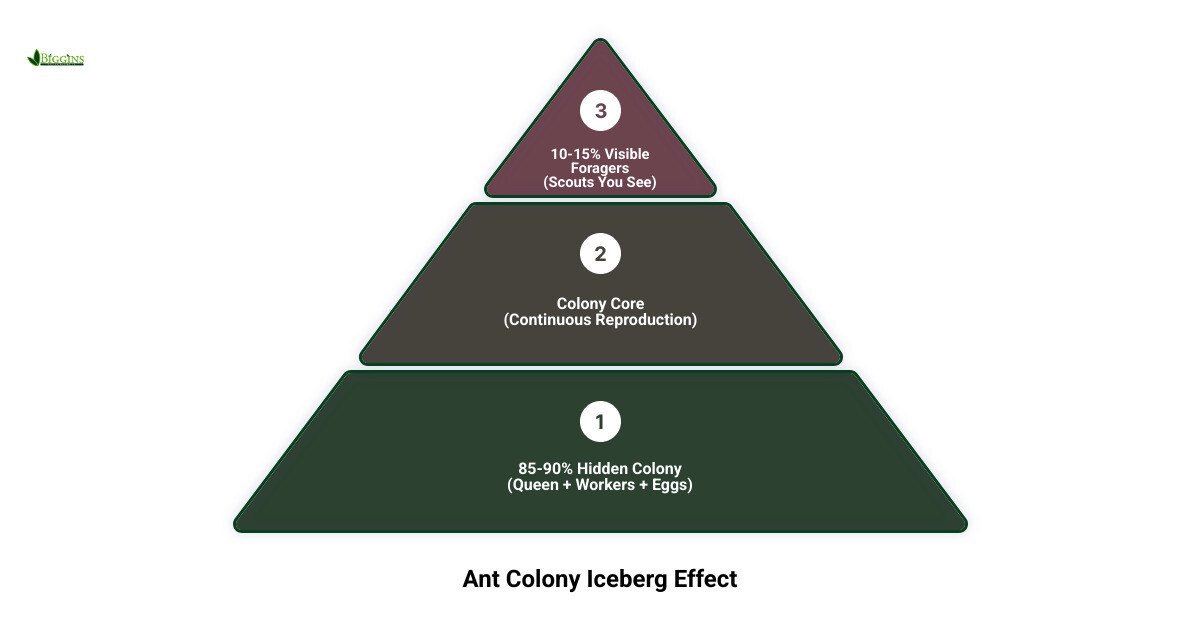
Here’s the core issue: store-bought sprays and traps only kill the ants you see. Those foragers represent just 10–15% of the total colony. The queen and the rest of the colony stay hidden — and keep producing more workers. A professional targets the whole colony, not just the tip of the iceberg.
I’m Stephen Biggins, owner of Biggins Exterminating Co. in Wilmington, MA — a family-owned business my father founded in 1982 that has been helping Massachusetts homeowners answer the question of are ant exterminators worth it for over 40 years. In that time, I’ve seen how a small ant problem left untreated — or treated incorrectly — can spiral into a serious structural or health issue fast.
Are ant exterminators worth it word list:
The Hidden Reality of Ant Infestations
It is April 2026, and if you live in places like Woburn or Burlington, you’re likely seeing the first “scouts” of the season. When you see a line of ants marching toward a dropped crumb, it’s easy to think a quick spray of a store-bought repellent will solve the problem. Unfortunately, the biology of an ant colony is designed to survive exactly that kind of attack.
Ants are highly social creatures with a complex hierarchy. At the center of it all is the queen. Her only job is to reproduce, and she can pump out thousands of new eggs. As long as the queen is alive, the colony will regenerate. Most DIY sprays act as repellents; they kill the few ants they touch but signal the rest of the colony to stay away or even “bud.” Budding is a survival tactic where the colony splits into multiple smaller colonies because they feel threatened, effectively turning one problem into three.
This is where Professional Ant Control Services become essential. Experts understand that the goal isn’t just to stop the trail—it’s to collapse the entire network. According to the Is an Ant Exterminator Worth It? Cost vs. DIY Reality – Danny Dries Home and Gardens guide, professional products are often “non-repellent.” This means ants don’t even know they’ve walked through the treatment. They carry it back to the nest on their bodies and share it through a process called trophallaxis (sharing food), eventually reaching the queen. Without that “Trojan Horse” approach, you’re just playing a game of whack-a-mole.
Are ant exterminators worth it for specific species?
In Massachusetts, not all ants are created equal. While a few pavement ants in the garage are a nuisance, other species are a direct threat to your property or health.
Carpenter Ants: The Silent Destroyers
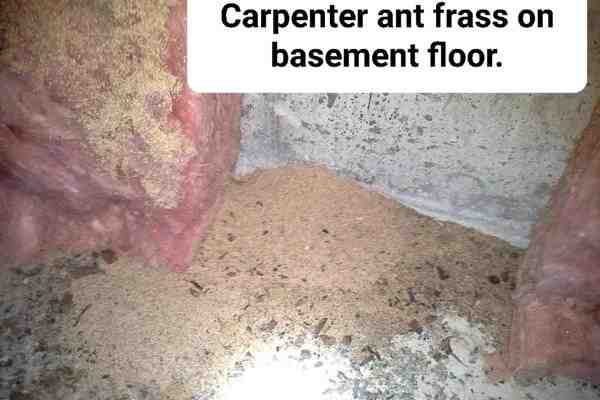
If you live in a wooded area like Andover or North Reading, carpenter ants are your biggest concern. Unlike termites, they don’t eat wood—they excavate it to build galleries for their nests. If you see “frass” (which looks like sawdust mixed with insect parts) or hear a faint rustling sound inside your walls at night, you have a serious problem.
Leaving these guys alone is never a good idea. A moderate colony can hollow out a structural wall stud in just two to three years. When you ask, Can Pest Control Get Rid of Carpenter Ants?, the answer is a resounding yes, but it requires specialized knowledge. We have to locate the “parent” nest (usually outdoors in a stump or woodpile) and the “satellite” nests (inside your damp wall voids).
Fire Ants and Odorous House Ants
While fire ants are less common in the Northeast than in the South, they can still appear and pose a risk with their painful stings. More common in our area are Odorous House Ant populations. These pests are famous for the rotten coconut smell they release when crushed. They are notorious for contaminating food and can be incredibly difficult to eliminate with DIY methods because their colonies are so vast and mobile.
Cost Analysis: DIY Expenses vs. Professional Value
Many homeowners hesitate to call us because they worry about the price. However, when you look at the long-term math, the “cheap” DIY route often ends up being the most expensive.
Based on publicly available internet data, here is a breakdown of what you might expect to pay for ant control in 2026. Please note these are average market costs and do not reflect Biggins Exterminating’s actual pricing.
| Service Type | Average Internet Price Range | What’s Included |
|---|---|---|
| DIY Starter Kit | $30 – $100 | Baits, sprays, and personal time |
| One-Time Professional Treatment | $150 – $500 | Inspection, professional-grade baiting, and 30-day warranty |
| Severe Infestation / Carpenter Ants | $500 – $1,400+ | Multiple visits, wall void injections, and structural assessment |
| Annual/Quarterly Maintenance | $400 – $1,200 (per year) | Year-round protection and free callbacks |
As noted by How Much Does an Ant Exterminator Cost? [2026 Data] | Angi, severe infestations can easily push quotes into the $1,400 range if structural repairs are needed. When you consider that a Carpenter Ants Pest Control visit might cost a few hundred dollars today versus several thousand dollars in wood repairs next year, the value becomes clear.
We often see customers who have spent $200 on various hardware store “solutions” over six months, only to have the ants return every time it rains. By the time they call us, they’ve wasted money and allowed the colony to grow larger. A detailed Ant Exterminator Prices Complete Guide shows that the expertise of a licensed technician—who knows exactly where to look—is what you’re really paying for.
Signs It’s Time to Hire a Professional
How do you know when you’ve crossed the line from “I can handle this” to “I need a pro”? Look for these red flags:
- The “Groundhog Day” Effect: You kill a trail of ants in the kitchen, and three days later, they are back in the exact same spot. This means you haven’t touched the nest.
- Ants in “Clean” Areas: Seeing ants in bedrooms, bathrooms, or second-story laundry rooms is a sign that the colony is large enough to be nesting deep within the home’s structure.
- Sawdust Piles (Frass): If you find small piles of wood shavings near baseboards or in the basement, you likely have carpenter ants. This is an emergency for your home’s structural integrity.
- Winged Ants Indoors: Seeing “swarmers” (ants with wings) inside between January and April is a major sign of an established indoor colony.
- Food Contamination: If you’re throwing away hundreds of dollars in groceries because ants have breached your “sealed” pantry items, the cost of an exterminator is already paid for in saved food.
There are also The Dangers of DIY Pest Control in Massachusetts to consider. Over-applying pesticides in a kitchen can be more hazardous to your family than the ants themselves. Professionals are trained to use the least amount of product for the maximum effect.
Frequently Asked Questions about Professional Ant Control
How long does it take for an ant exterminator to be worth it?
You’ll typically see a massive reduction in activity within 48 hours, but “worth it” truly happens around the 7-to-21-day mark. This is the time it takes for the “transfer effect” to work. You might actually see more ants for the first day or two as they are attracted to our professional baits. Don’t spray them! Let them take that “Trojan Horse” back to the queen. Once the queen is gone, the colony collapses completely. For more on this, check out our guide on Effective Ant Control.
Are ant exterminators worth it for pets and children?
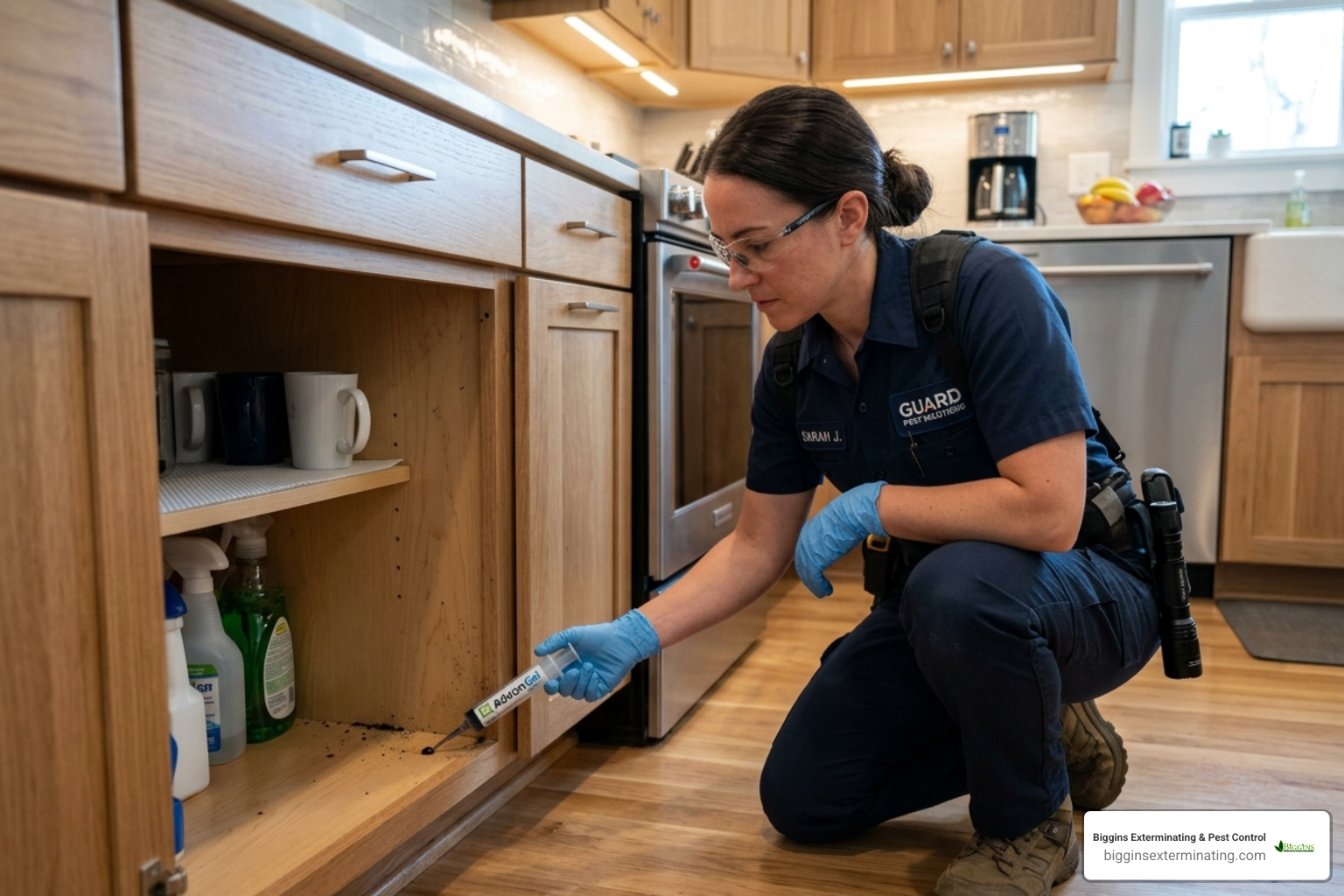
Absolutely. In fact, professional treatment is often safer than DIY. Why? Because we don’t just spray everything in sight. We use targeted gel baits tucked into cracks, crevices, and wall voids where your kids and pets can’t reach them. We also use non-repellent sprays on the exterior perimeter of your home in Lexington or Billerica to stop ants before they ever step foot inside.
Is an ant exterminator worth it for seasonal prevention?
Spring is the “peak” for ant activity in Massachusetts. As the ground thaws in April 2026, colonies are hungry and looking for moisture. By setting up a perimeter barrier now, you prevent the summer “invasion” before it starts. Ant Control Exterminators can provide a shield around your foundation that keeps your home ant-free all year long.
Conclusion
At the end of the day, are ant exterminators worth it? If you value your time, your property, and your peace of mind, the answer is a firm yes.
At Biggins Exterminating & Pest Control, we’ve spent over 40 years serving our neighbors in Wilmington, Tewksbury, and beyond. We are a family-owned and operated company that believes in high-quality service without the headache of long-term contracts. Whether you are dealing with a massive carpenter ant nest or a persistent trail of sugar ants, we provide the expertise needed to get the job done right the first time.
If you’re tired of sharing your home with six-legged roommates, we’re here to help. From Andover to Woburn, our team is ready to provide reliable Ant Extermination that actually lasts. Give us a call today and let’s get your home back to being yours again.