Why Finding the Right Insecticide for Carpenter Bees at Lowe’s Matters
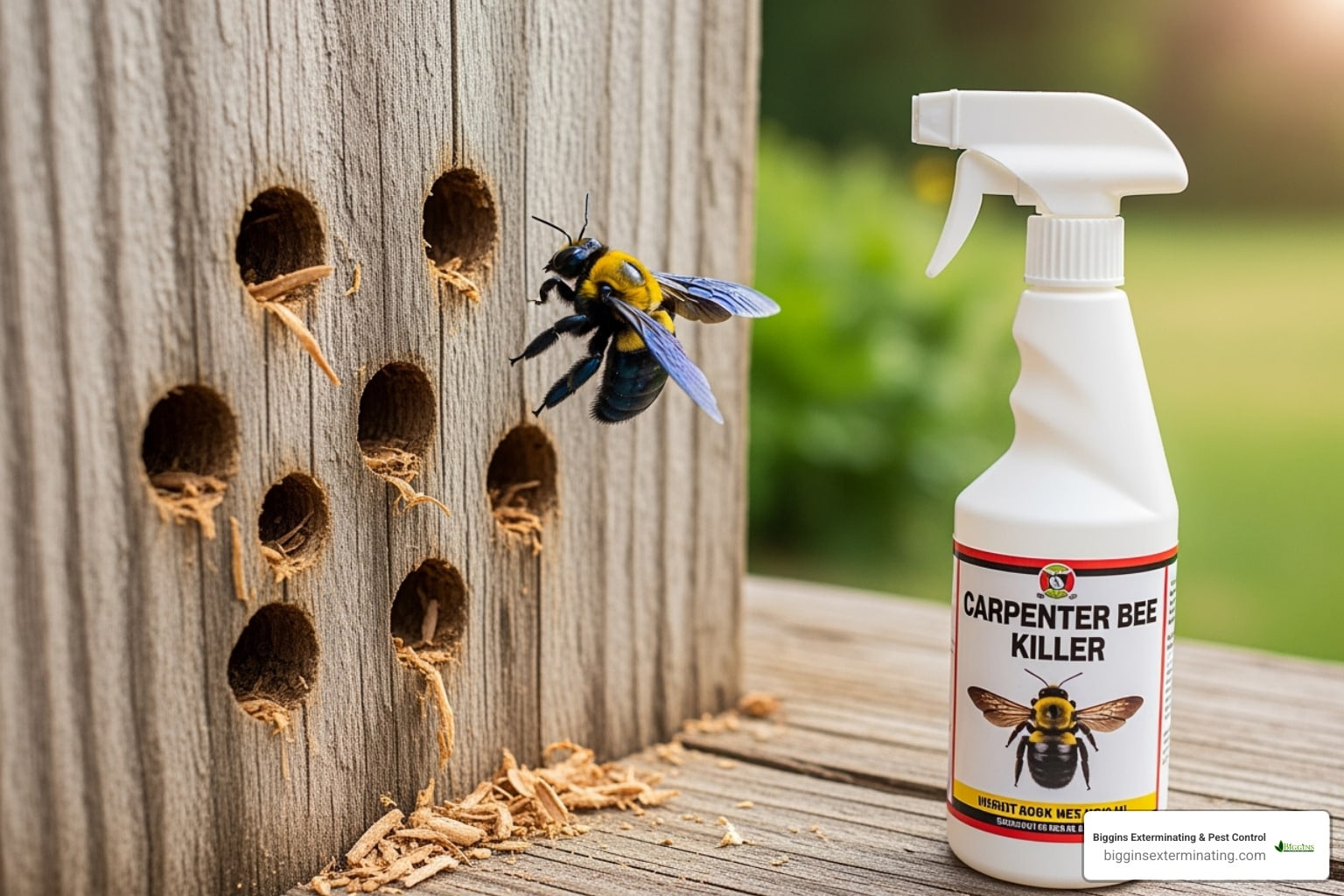
When you spot those perfectly round, half-inch holes appearing in your deck railings, eaves, or outdoor furniture, it’s more than just a cosmetic issue—it’s a race against time. For homeowners in the Wilmington area, finding the right insecticide for carpenter bees lowes offers is the first line of defense against costly structural damage. The damage from these bees is progressive; what starts as a single tunnel can become an intricate network of galleries over several seasons, as new generations of bees often return to expand upon existing nests. This can severely weaken wood, turning a sturdy deck or a solid fascia board into a compromised structure.
Shoppers looking for quick solutions will find several effective options on the shelves. Here are some of the top-rated carpenter bee insecticides you might encounter:
Most Effective Options:
- Amdro Quick Kill Carpenter Bee, Ant & Termite Killer: This is a powerful contact killer that also provides a residual barrier, continuing to work for up to three months after application. It’s an excellent choice for both immediate knockdown and preventative surface treatment.
- BioAdvanced Termite & Carpenter Bee Killer Plus Foam: This product is specifically designed for direct application into the galleries. The foam expands upon injection, filling the entire tunnel system and ensuring it reaches the bees and their larvae hidden deep inside the wood.
- Spectracide Carpenter Bee and Ground-Nesting Yellow Jacket Killer Foam: Similar to the BioAdvanced product, this foaming insecticide offers deep penetration into nests, making it ideal for treating active, visible holes.
- Sevin Insect Killer: Available in a ready-to-spray formula, Sevin is a broad-spectrum insecticide that’s useful for treating large wood surfaces to prevent bees from starting new nests.
The key to success lies in understanding the science behind these products. Most effective carpenter bee insecticides contain active ingredients from the pyrethroid family, such as lambda-cyhalothrin or cypermethrin. These chemicals are synthetic versions of a natural insecticide found in chrysanthemum flowers. They work by disrupting the bee’s nervous system, leading to paralysis and death, often within minutes of contact. This is why choosing the right product type is critical: foaming insecticides deliver the active ingredient directly into the nest for maximum impact, while ready-to-use sprays create a protective chemical barrier on the wood’s surface.
I’m Stephen Biggins, and with over four decades of hands-on experience in pest control right here in Massachusetts, I’ve helped countless homeowners steer the aisles and select the right insecticide for carpenter bees lowes has to offer. My family-owned business, Biggins Exterminating, has seen how a small bee problem can escalate. Experience has taught me that the right product, combined with proper application timing and technique, is the difference between a temporary fix and achieving long-term, reliable control.
Simple guide to insecticide for carpenter bees lowes:
First, Confirm You Have a Carpenter Bee Problem
Before you head to Lowe’s searching for insecticide for carpenter bees lowes, it’s crucial to confirm you’re targeting the right pest. As a pest control professional with four decades of experience, I can tell you that misidentification is a common and costly mistake. Let’s walk through the definitive signs of a carpenter bee infestation.
Carpenter Bee vs. Bumblebee
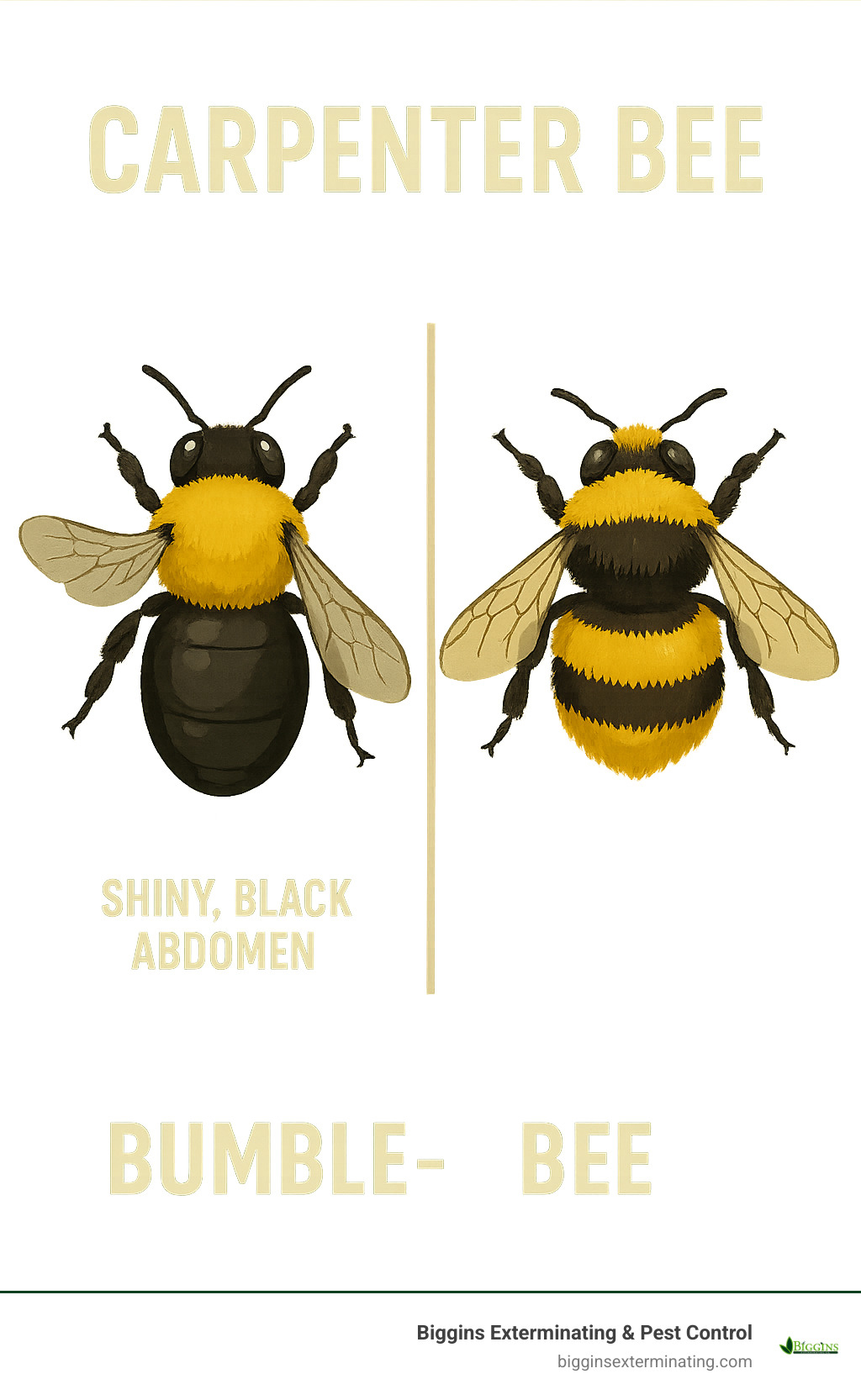
First, don’t confuse carpenter bees with their beneficial, fuzzy cousins, the bumblebees. The easiest way to tell them apart is by looking at their abdomen (the rear section). Carpenter bees have shiny, black, hairless abdomens that look smooth and polished. Bumblebees, in contrast, have fuzzy yellow and black abdomens. Once you spot that shiny backside, you can be confident you’re dealing with a carpenter bee.
Telltale Signs of an Infestation
Carpenter bees leave behind a very specific set of clues. Here’s what to look for:
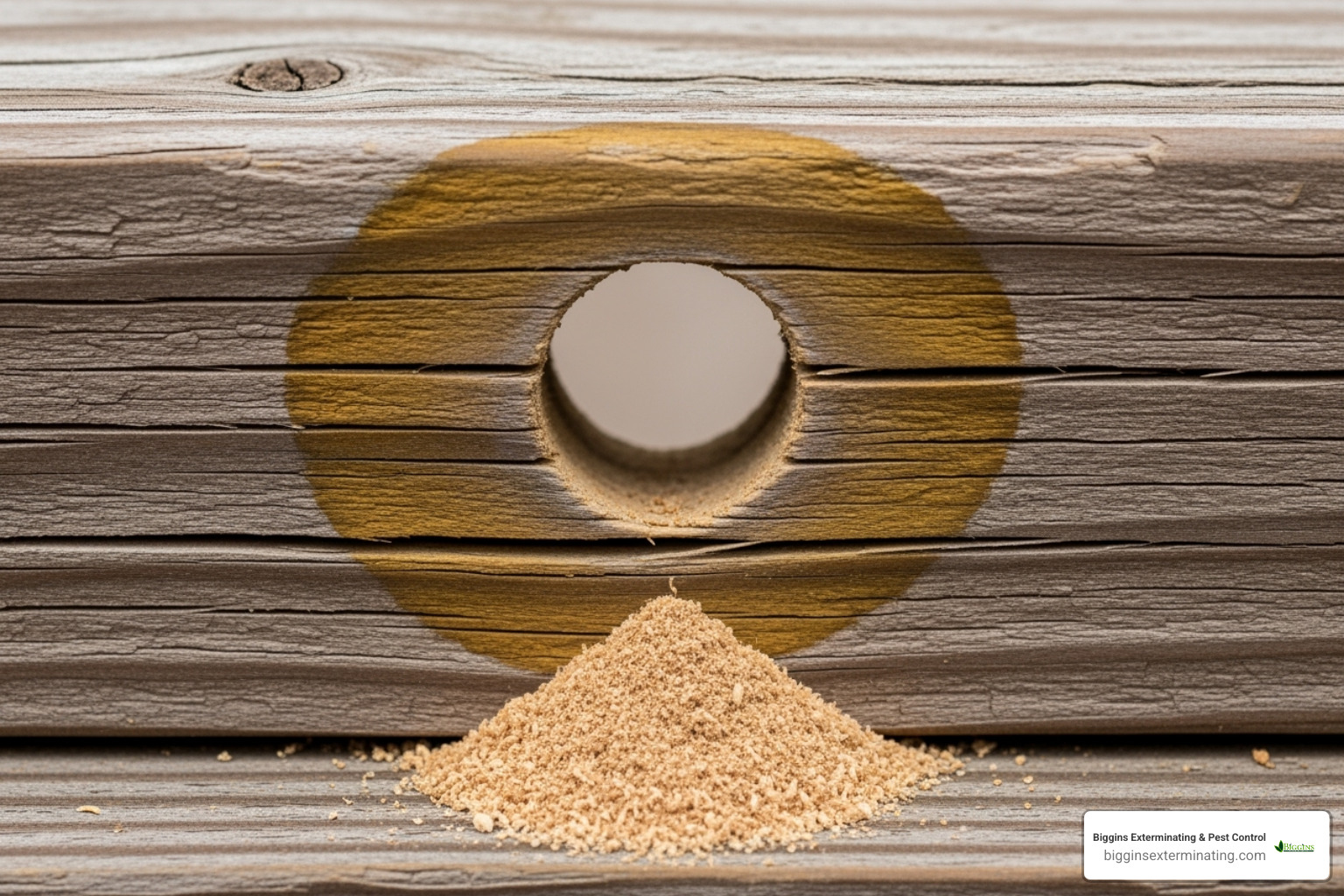
- Perfectly Round Holes: This is the most obvious sign. Female carpenter bees excavate perfectly circular tunnels into wood that are about a half-inch in diameter—so precise they look like they were made with a power drill. They strongly prefer bare, unpainted, or weathered softwoods like pine, cedar, and redwood. Check common targets like fascia boards, soffits, eaves, deck railings, pergolas, and even wooden outdoor furniture.
- Sawdust Piles (Frass): As the female bee drills her tunnel, she has to push the wood shavings out. This creates small piles of coarse sawdust, known as frass, on the ground or surfaces directly below the entry hole. If you see these little mounds, it’s a sure sign of an active excavation.
- Yellow Stains: Look for yellowish-brown streaks or staining on the wood below the entrance hole. This is carpenter bee excrement and waste, and it’s a clear indicator of an established, active nest.
- Aggressive Hovering Bees: You may notice large bees hovering aggressively near the nesting sites, often buzzing right up to people. These are the male carpenter bees. They are territorial and act as lookouts, but it’s all for show—they have no stinger and cannot harm you. The female can sting, but she is rarely seen and is generally docile, only stinging if directly handled or threatened at her nest.
- Secondary Woodpecker Damage: If an infestation goes untreated, it can attract other pests. Woodpeckers love to feast on bee larvae developing inside the tunnels. They will peck and drill at the wood to get to them, causing significant, splintered damage that is far more destructive and unsightly than the bees’ original holes. This secondary damage can also create larger openings for water to enter, leading to wood rot.
Understanding the Carpenter Bee Life Cycle
Knowing their life cycle helps you understand why spring is a critical time for control. Adult carpenter bees overwinter in old tunnels. In the spring, they emerge to mate. The female then either expands an old gallery or drills a new one. She drills about an inch straight in, then makes a 90-degree turn to excavate a gallery parallel to the grain of the wood, which can extend 6-12 inches. Along this gallery, she creates several small chambers, laying an egg in each one and provisioning it with a ball of pollen and nectar. She then seals off each chamber.
The larvae hatch, feed, and develop into adults over several weeks, emerging in late summer. These new adults may cause some additional damage before seeking shelter for the winter, often in the same tunnels they were born in.
If you’re noticing these signs, especially those distinctive round holes and sawdust piles, you’ve confirmed you need carpenter bee treatment. Understanding how they damage different wood surfaces, particularly siding, helps you choose the right approach. For more detailed information about this specific type of damage, check out our guide on Carpenter Bees Wood Siding.
Your Guide to Insecticide for Carpenter Bees Lowes
Alright, now that we’re sure those buzzing culprits are indeed carpenter bees, it’s time to talk about how to deal with them. When you’re looking for an insecticide for carpenter bees lowes, you’ll find a few main types on the shelves. Each one has its own method of action, and knowing the difference will help you pick the best tool for your specific bee problem. Think of it like choosing the right tool from a toolbox—you wouldn’t use a hammer to turn a screw. The same principle applies to effective pest control.
The primary types of DIY insecticides for carpenter bees are liquid sprays, foaming aerosols, and insecticidal dusts. Each has distinct advantages and is suited for different stages of treatment, from prevention to active nest elimination. You can browse a complete list of carpenter bee pesticides at Lowes.com to see the specific brands and formulations available.
Here’s a simple comparison of the main options you’ll find:
| Type | Pros | Cons | Best Use Case |
|---|---|---|---|
| Liquid Sprays | – Great for covering large surface areas. – Provides a residual barrier to prevent new nests. – Kills on contact. |
– Can be difficult to get deep into existing tunnels. – May require repeated applications. – Potential for drift, affecting non-target insects. |
– Preventative treatment on wood surfaces like decks, siding, and eaves. – Treating bees hovering around nesting areas. |
| Foaming Aerosols | – Expands to fill entire galleries and tunnels. – Direct application minimizes overspray. – Kills bees and larvae inside the nest. |
– Only treats existing holes, not for prevention. – Can be used up quickly on multiple nests. – Requires precise application with a straw. |
– Directly treating active carpenter bee holes you have located. – Reaching deep into tunnels where sprays can’t go. |
| Insecticidal Dusts | – Very long-lasting residual effect (months). – Bees track the dust deep into the nest. – Effective in voids and hard-to-reach areas. |
– Can be messy to apply. – Requires a special tool (duster) for effective application. – Slower acting than sprays or foams. |
– Treating existing nests for long-term control. – Applying into wall voids or other enclosed spaces where bees are active. |
Understanding the Product Types
Liquid Sprays: These are your go-to for preventative care. Products like Sevin or Ortho Home Defense, often sold in ready-to-use spray bottles or concentrates that attach to a garden hose, are designed to be applied broadly over wood surfaces. The goal is to create a protective barrier that either repels bees or kills them when they land to inspect a potential nesting site. This is most effective when applied in early spring before nesting begins and reapplied after heavy rain.
Foaming Aerosols: When you have an active, existing nest, a foaming insecticide is your best friend. These products, like the BioAdvanced and Spectracide options mentioned earlier, come with a thin applicator straw that you insert directly into the bee’s entry hole. When sprayed, the foam expands dramatically to fill the entire gallery, ensuring the insecticide makes contact with the adult female, her eggs, and any developing larvae. This targeted approach is highly effective for nest elimination and minimizes chemical use in the surrounding environment.
Insecticidal Dusts: For the most persistent and long-lasting control within a nest, insecticidal dusts are unparalleled. A product containing an active ingredient like Deltamethrin or even Boric Acid can be “puffed” into the nest opening using a small handheld duster. The fine powder coats the inside of the tunnel. As bees enter and exit, they pick up the dust on their bodies and carry it deep into the nest, spreading it to other bees and larvae. The dust remains effective for months as long as it stays dry, making it a powerful tool for ensuring the entire colony is eliminated.