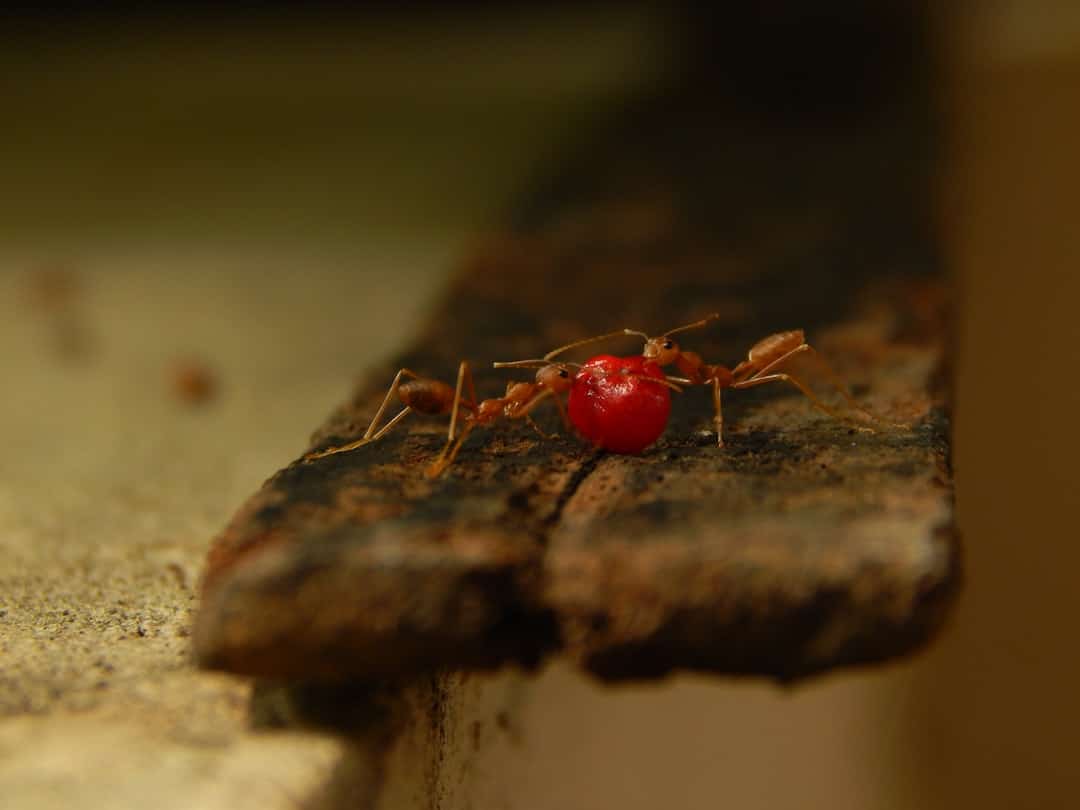
Carpenter Ants: The Silent Destroyers of Your Home
Carpenter ants don’t chew your house for food the way termites do—they hollow it out so their colony can live inside the wood. Those smooth tunnels weaken framing just as surely as decay. Knowing how to kill carpenter ants means spotting them early and using the right tools.
Quick plan of attack
- Locate the nest – follow night-time trails or bait a small dab of honey and see where the ants return.
- Set slow-acting baits – gels or granules with boric acid or similar actives allow workers to poison the entire colony.
- Dust hidden voids – a light puff of food-grade diatomaceous earth or boric-acid powder in cracks and wall cavities wipes out stragglers.
- Dry the area – fix leaks, improve ventilation, and replace wet wood so ants lose their reason to stay.
- Call a pro if you can’t find the parent colony or activity spans several rooms.
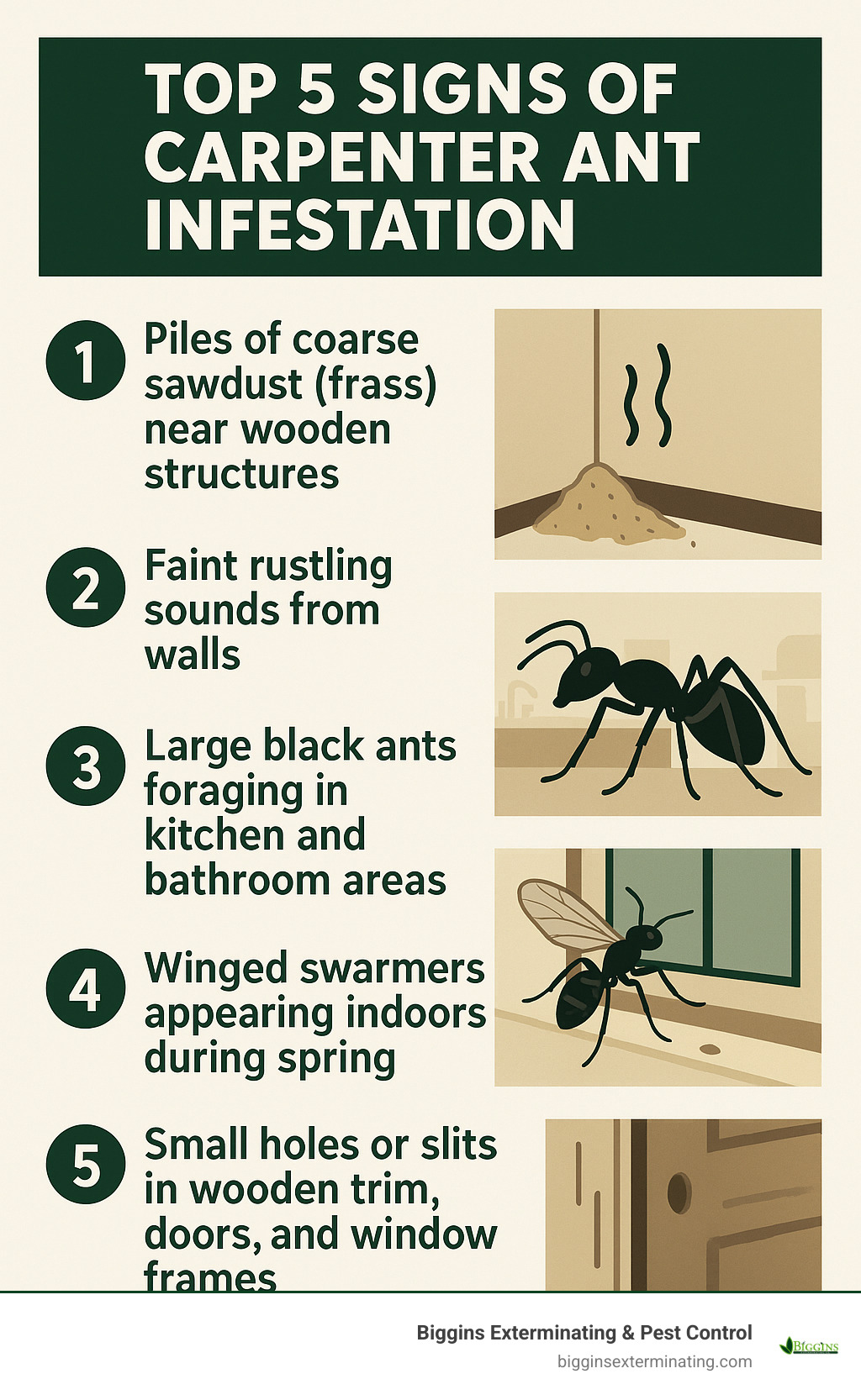
Watch for coarse sawdust (frass), rustling in walls, large black ants in kitchens or bathrooms, and springtime winged swarmers. A mature colony can house thousands of workers in several satellite nests, so store-bought sprays alone won’t solve the problem.
I’m Stephen Biggins, and for 40-plus years my family-owned company has helped Massachusetts homeowners keep carpenter ants from turning minor damage into major repair bills. The guide below shows what really works.
Helpful terms:
First, Identify Your Enemy: Carpenter Ants vs. Other Pests
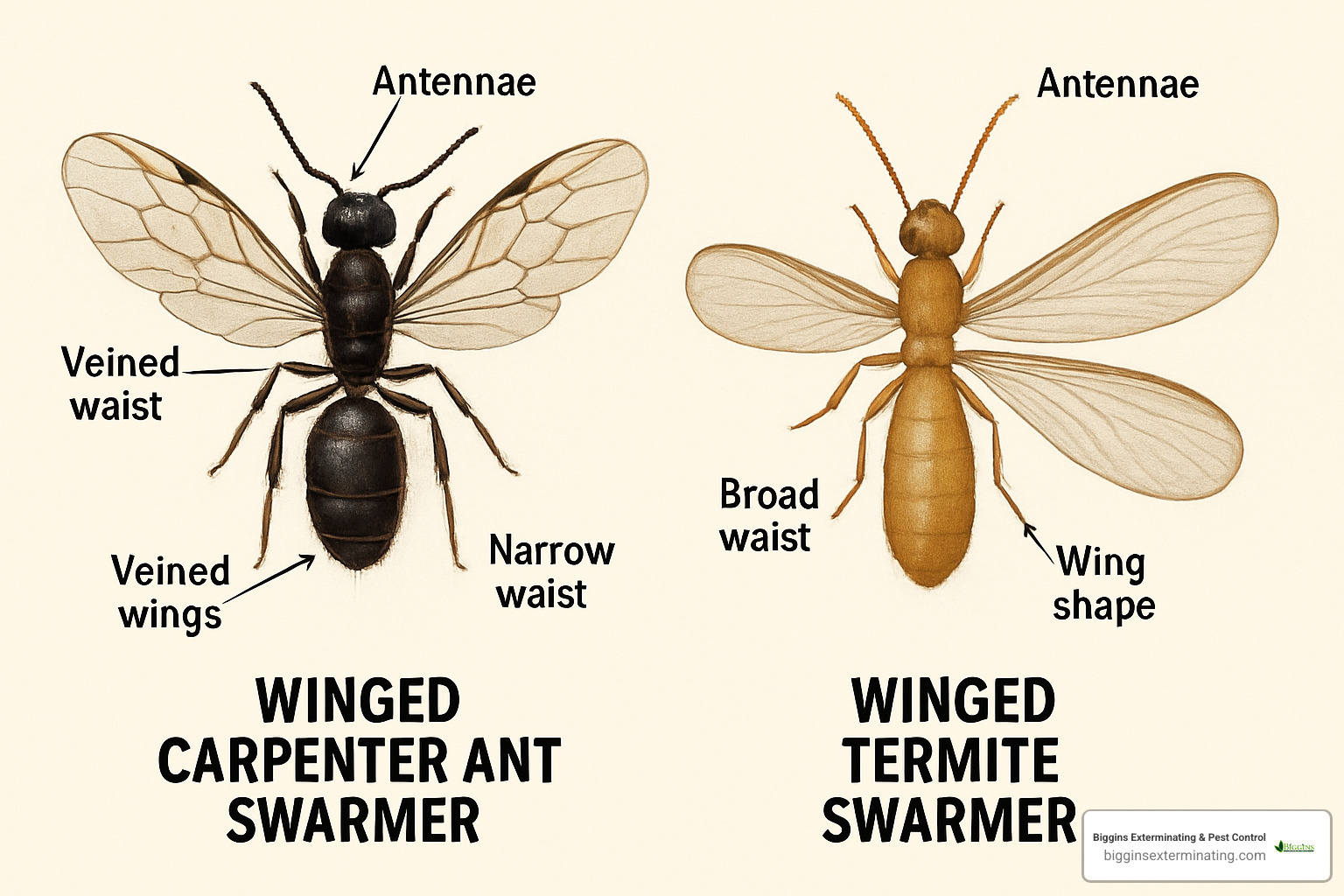
Treating the wrong pest wastes time and money. Carpenter ants and termites both damage wood, but their biology—and the control methods—are completely different.
Carpenter ants excavate wood and eject the shavings, leaving polished galleries. Termites eat the wood and line their tunnels with mud.
What Do Carpenter Ants Look Like?
- Size: 6–13 mm (large for an ant)
- Color: mostly jet-black in Massachusetts, occasionally reddish-brown
- Shape: pinched waist; three body segments
- Antennae: distinctly elbowed
- Swarmers: winged ants in spring; front wings longer than the back pair
Carpenter Ants vs. Termites
| Feature | Carpenter Ants | Termites |
|---|---|---|
| Waist | Narrow, pinched | Broad, uniform |
| Antennae | Bent/elbowed | Straight |
| Wings | Front pair longer | Four equal wings |
| Wood Damage | Smooth, clean tunnels | Rough, mud-lined tunnels |
| Diet | Do not eat wood | Feed on wood |
Need more detail? See our identification guide or the UC ANR extension note.
Spotting the Invasion: Signs You Have a Carpenter Ant Problem
Carpenter ants flourish where moisture, food particles, and undisturbed wood meet—often behind walls or under floors. Early detection can save thousands in repairs.
Red Flags
- More than a handful of large black ants indoors after dark
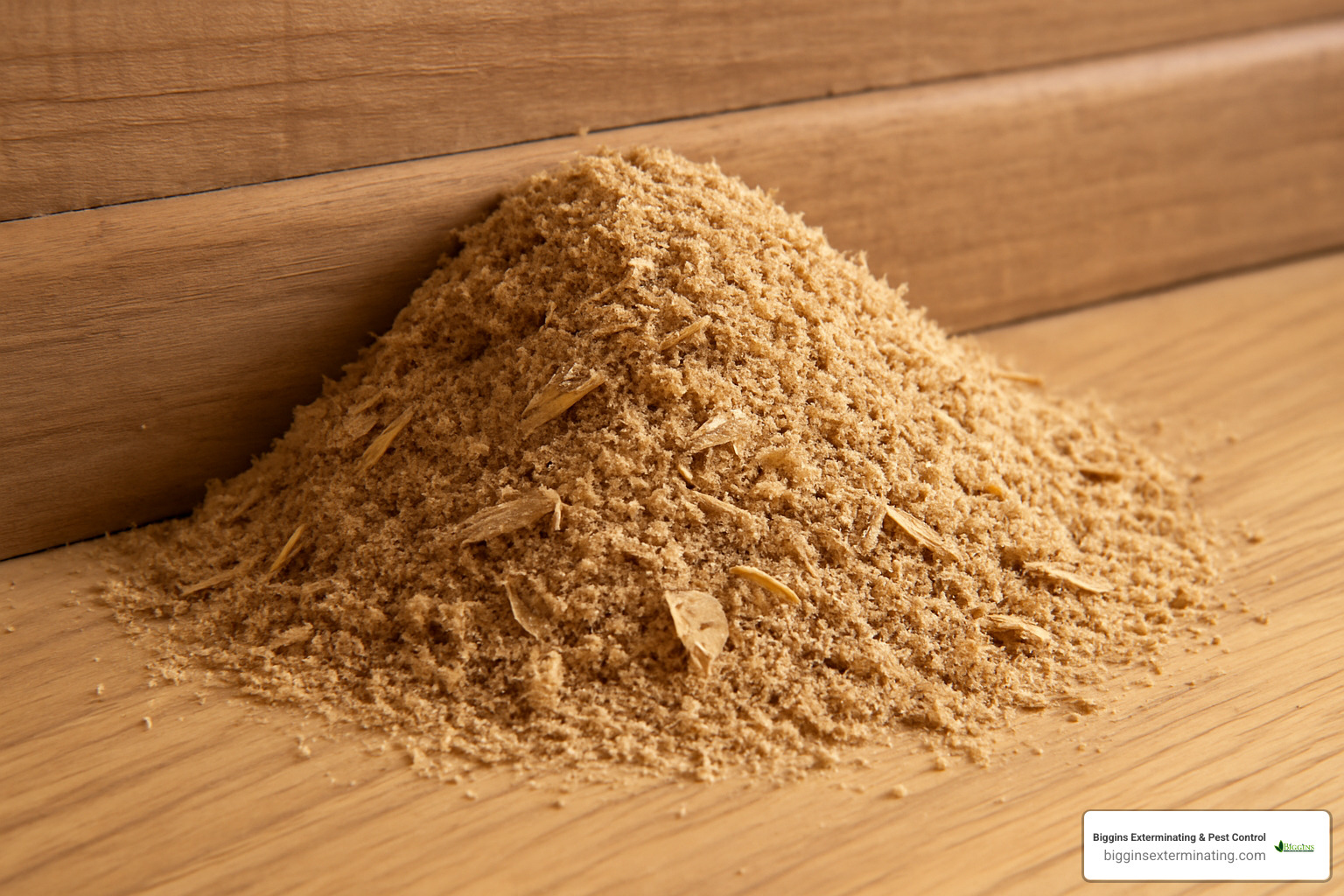
- Piles of coarse sawdust (frass) near baseboards or window sills
- Faint rustling or clicking inside walls at night
- Winged swarmers appearing indoors in spring
- Small, clean exit holes in trim or hollow-sounding wood
Favorite Nesting Sites
Parent colonies usually begin outdoors (logs, stumps) and later send satellite nests into:
- Water-damaged window and door frames
- Wall voids behind sinks, tubs, or dishwashers
- Hollow core doors, attics, crawl spaces, and even foam insulation
Finding the parent colony—not just a satellite—is essential for permanent control.
The Ultimate Guide on How to Kill Carpenter Ants: From DIY to Pro
Step 1 – Find the Nest
Spraying foragers won’t help until you know where they live. After dark, follow ants with a flashlight or bait a dab of jelly and watch where they carry it. Listen for soft rustling in moist wood. Remember: the parent colony may be outdoors, while satellite nests hide inside.
Step 2 – Choose Your Weapon

- Slow-acting baits – gels or granules with boric acid, abamectin, or indoxacarb. Workers share the bait, eliminating the queen in 1–3 weeks.
- Insecticidal dusts – light puffs of diatomaceous earth or 1–2 % boric acid into wall voids, cracks, and behind outlet covers provide residual control. Always wear an N95 mask when dusting.
Step 3 – Know the Limits of DIY
- Hidden nests may be impossible to reach without pro equipment.
- Consumer products are milder than professional formulations.
- Killing a satellite nest lets the colony rebound.
- Misapplied repellents can scatter ants and create new nests.
If activity hasn’t dropped sharply within three weeks—or if ants are active in several rooms—bring in expert help.
Carpenter ant pest control products • Dangers of DIY pesticides
When to Call in the Cavalry: Hiring a Professional Exterminator

Call a professional when:
- Ants appear in multiple rooms or on more than one floor
- DIY efforts haven’t reduced activity after several weeks
- You notice sagging wood, hollow beams, or other structural damage
Why Pros Succeed
- Locate nests with moisture meters, borescopes, and decades of experience
- Use stronger, longer-lasting materials not sold in stores
- Drill and inject precisely, leaving minimal cosmetic damage
- Provide warranties—if ants come back, so do we
What Does Professional Carpenter Ant Control Cost?
Pricing depends on infestation size, access, and treatment type. Internet data suggest single-visit carpenter ant jobs run about $300–$900, while severe, multi-colony problems can exceed $1,500. These figures are averages only and do not represent Biggins Exterminating pricing.
Learn more about professional service benefits or whether pest control can eliminate carpenter ants.
Fortify Your Home: Long-Term Carpenter Ant Prevention
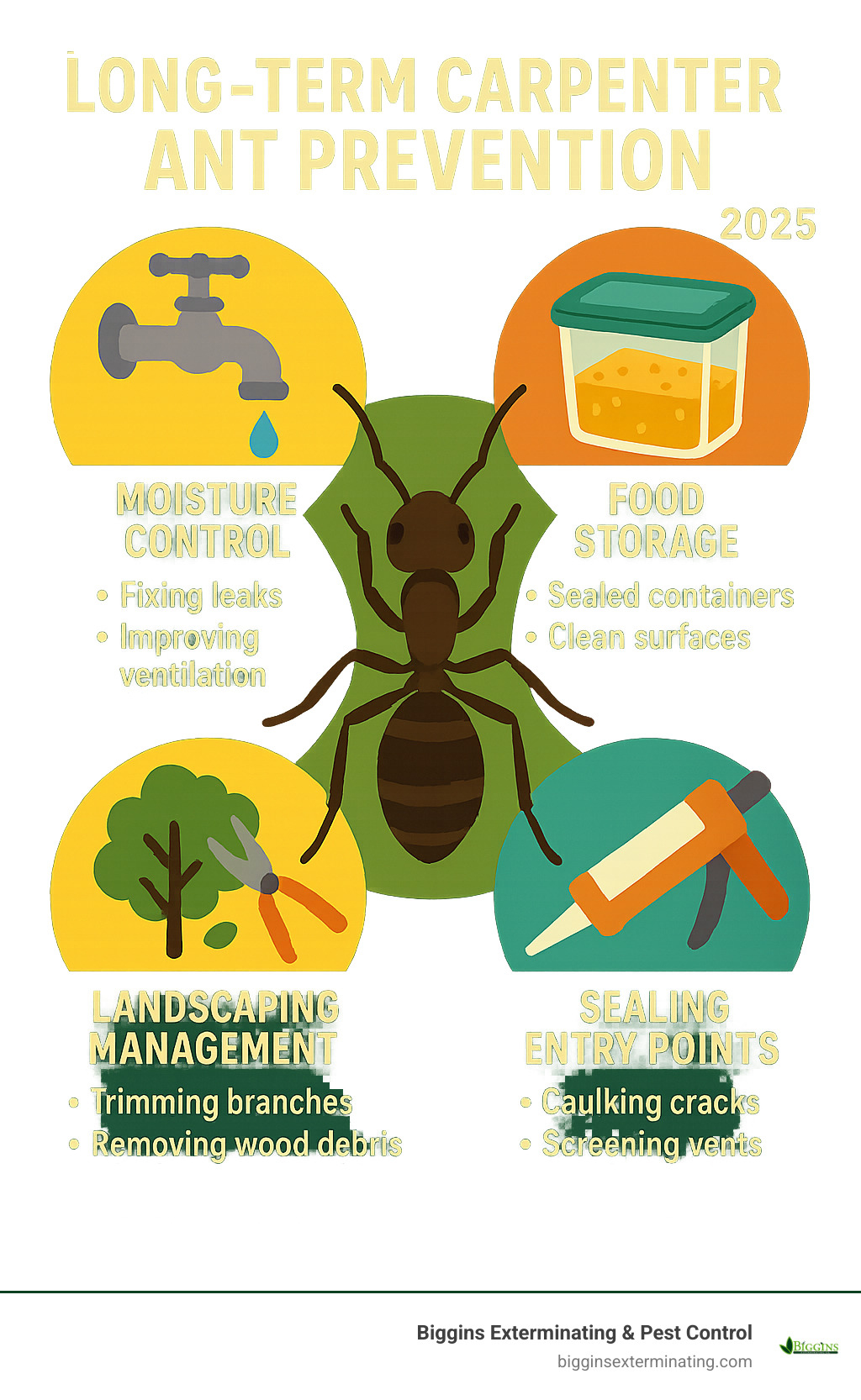
Eradicating a colony is only half the battle; preventing the next one protects your investment.
Moisture & Wood
- Fix leaks immediately and ventilate damp rooms.
- Keep indoor humidity below 55 %; use dehumidifiers if needed.
- Clean gutters so water doesn’t soak siding.
- Replace any wood that has stayed wet long enough to soften.
- Store firewood on a rack 20 ft from the house and remove old stumps.
Block Entry & Starve Foragers
- Trim branches and vines at least 3 ft from the structure.
- Seal foundation cracks and gaps around utilities.
- Keep pet food and pantry items in airtight containers.
- Sweep up crumbs and wipe counters nightly.
Consistent attention to these basics makes your Wilmington-area home far less attractive to carpenter ants—and many other pests.
Conclusion
Successfully learning how to kill carpenter ants is like solving a puzzle – you need to identify the right pest, find where they’re actually living, choose the best treatment approach, and then make sure they don’t come back. It’s definitely more involved than just grabbing a can of spray and hoping for the best.
For smaller infestations where you can easily access the nest, DIY methods using slow-acting baits and insecticidal dusts can work well. The key is patience – these methods take time to work their way through the entire colony. However, when you’re dealing with established infestations that have multiple colonies or you’re seeing actual structural damage, it’s time to call in the professionals. The complexity of carpenter ant behavior, their sneaky habit of creating multiple nesting sites, and the real potential for serious structural damage make professional treatment often the smartest investment you can make.
Here’s something important to remember: carpenter ants are essentially telling you that your home has moisture problems. Even after you’ve successfully eliminated the infestation, you’ll need to address those underlying moisture issues – the leaky pipes, poor ventilation, or water damage that attracted them in the first place. Think of it as treating both the symptom and the cause.
With over 40 years of experience serving Massachusetts communities, the family-owned team at Biggins Exterminating & Pest Control understands exactly how carpenter ants behave in our New England climate. We’ve seen it all – from simple single-colony infestations to complex multi-site problems that have been developing for years. Our warrantied services mean you can have confidence that the job will be done right, and our experienced technicians know the specific challenges of carpenter ant control in our region.
Don’t let carpenter ants turn your home into their personal construction project. These persistent pests won’t just go away on their own, and the longer you wait, the more damage they can cause to your home’s structural integrity. If you’re dealing with a carpenter ant problem in Massachusetts, contact us today for professional carpenter ant pest control. Our comprehensive approach ensures complete elimination and gives you the long-term protection your home deserves.
Your home is likely your biggest investment – protect it with the expertise that comes from four decades of solving pest problems the right way.