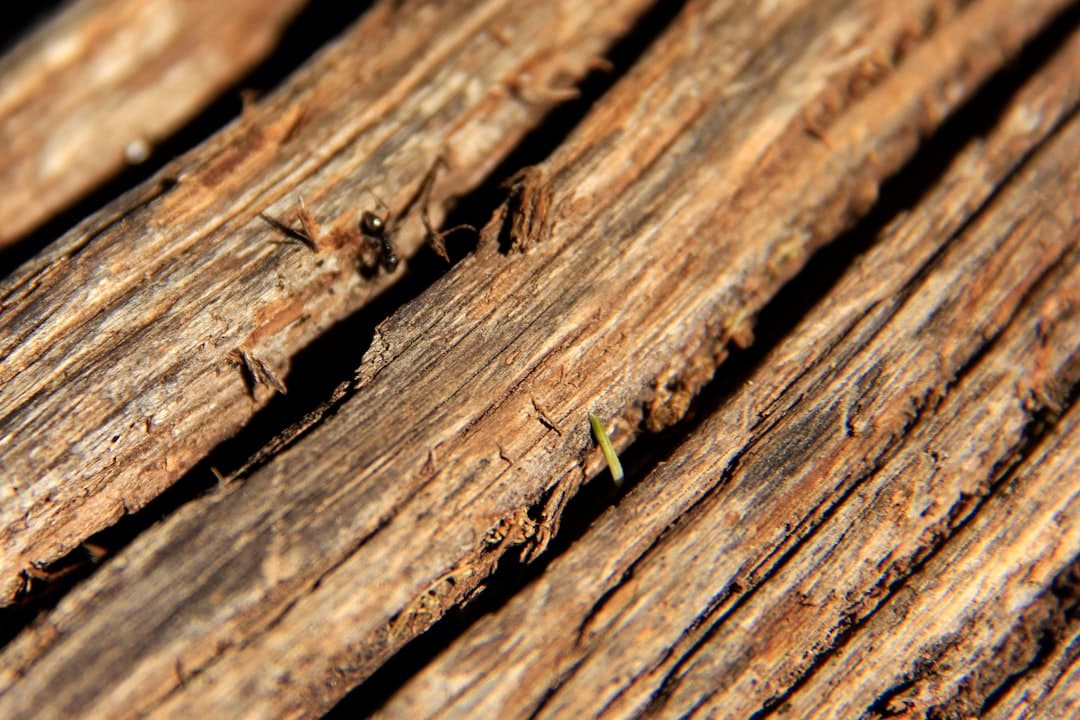
Why Finding the Right Carpenter Ants Exterminator Matters
Finding a reliable carpenter ants exterminator can save your home from thousands in structural damage. Unlike termites, these large, black ants don’t eat wood; they excavate it to create nests, weakening your home’s framework.
What to Look for in a Carpenter Ants Exterminator:
- Licensed and insured with local experience
- Proven track record with positive customer reviews
- Comprehensive inspection to locate all colony sites
- Non-repellent treatments that eliminate entire colonies
- Service guarantee or warranty on their work
- Clear pricing with no hidden fees
Average Treatment Costs: $300-$500 for one-time service, though severe infestations can cost $1,500+ (these are average costs based on internet data and not actual costs for Biggins Exterminating services)
Red Flags to Avoid: Door-to-door sales, unusually low prices, pressure for immediate treatment, or companies that only spray visible ants without locating nests.
The key difference between a good exterminator and a great one is experience with carpenter ant behavior. These pests create complex networks of parent and satellite colonies spanning your property. A full-sized colony can contain 3,000 to over 50,000 ants, with a queen that can live up to 25 years.
As Stephen Biggins, owner of Biggins Exterminating Co., I’ve spent over four decades helping Massachusetts families eliminate carpenter ant infestations. We use proven methods that target entire colonies, not just visible ants. Our carpenter ants exterminator services focus on long-term solutions to prevent costly structural damage and protect your investment.
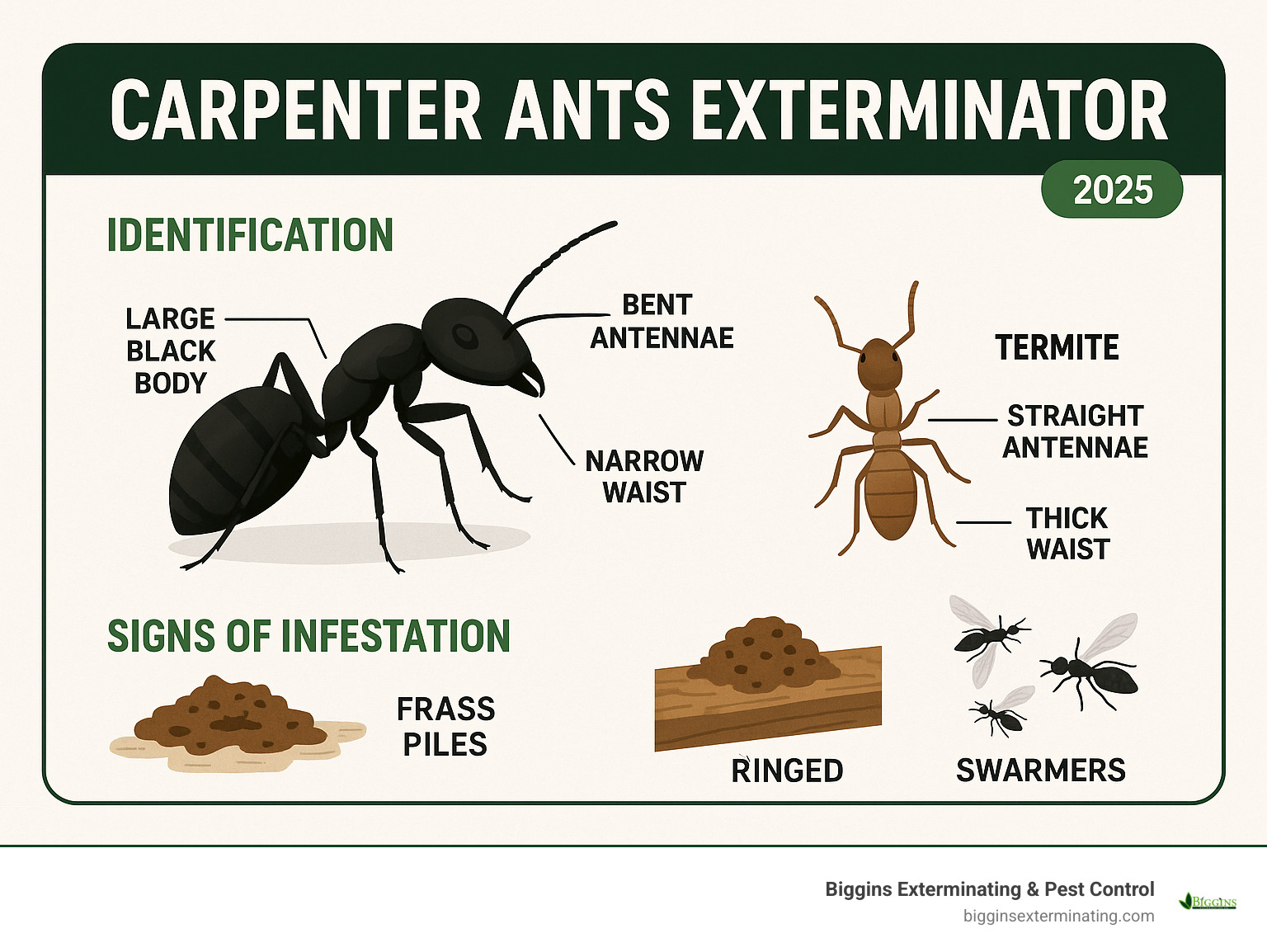
Key terms for carpenter ants exterminator:
Step 1: Identifying the Invader and Spotting the Signs
Before calling a carpenter ants exterminator, you need to confirm you’re dealing with carpenter ants. These pests leave behind plenty of clues if you know what to look for. Let’s review what these wood-destroying insects look like and the signs they leave behind.
What Are Carpenter Ants?
Carpenter ants are the giants of the ant world – these large ants can grow anywhere from 1/4 inch to 5/8 inch long. Most are black or reddish-black in color, though you might see some variation depending on the specific species in your area.
Here’s what makes them unique: carpenter ants have a segmented body with a narrow waist and distinctive bent antennae that look like tiny elbows. This is one of the easiest ways to tell them apart from termites, which have straight antennae and thicker bodies.
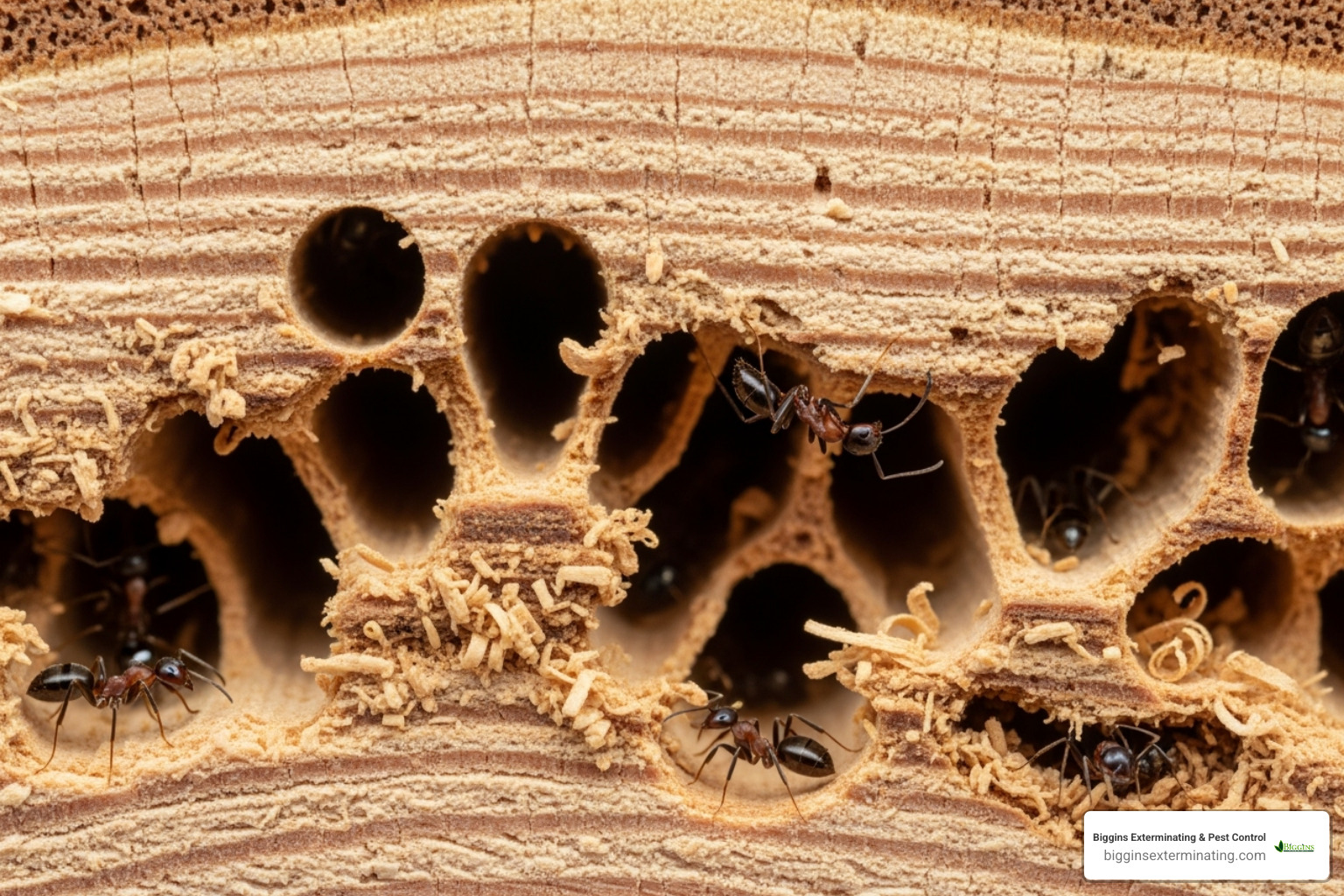
Crucially, carpenter ants don’t eat wood like termites. Instead, they excavate galleries by chewing through wood to create smooth tunnels for their nests, carving out space inside your home’s structure.
These organized insects operate with a parent colony where the queen lives and lays eggs, plus multiple satellite nests scattered around your property. This complex setup is why a professional carpenter ants exterminator is often needed – there’s usually more than one nest to find and treat.
Telltale Signs of a Carpenter Ant Infestation
Catching carpenter ants early can save you thousands in repair costs. Here are the key warning signs that tell you it’s time to call a carpenter ants exterminator:
Foraging workers are often the first sign. These large, dark ants usually search for food at night. Seeing them during the day suggests a large or nearby nest.
Winged swarmers are the reproductive ants that emerge from mature colonies, usually in spring and early summer. Finding these flying ants indoors is a major red flag – it means you have an established colony that’s been growing for at least two years. Do Carpenter Ants Have Wings? explains more about these reproductive ants.
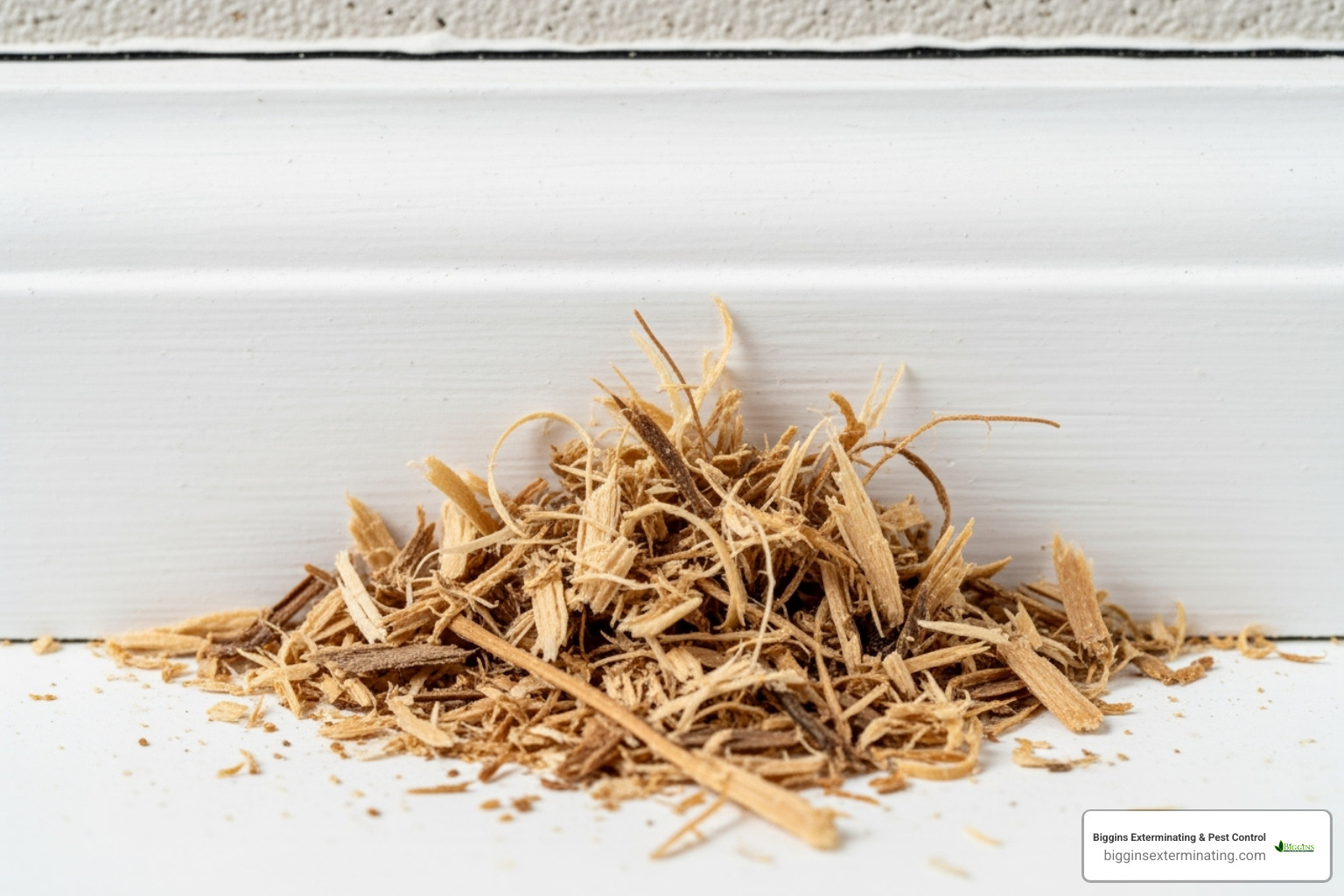
Piles of frass are perhaps the most distinctive sign of carpenter ant activity. This sawdust-like material gets kicked out as the ants excavate their tunnels. Unlike muddy termite droppings, carpenter ant frass looks clean and may include wood shavings, bits of insulation, and even dead ant parts.
Faint rustling noises in walls can often be heard in quiet areas, especially at night. This soft crinkling sound – like cellophane being crumpled – is actually the ants chewing and moving through their galleries.
Hollow-sounding wood is a sign that carpenter ants have been busy for a while. Tap on suspected areas near where you’ve seen other signs. If the wood sounds hollow or you notice small, perfectly round holes, that’s evidence of their tunneling activity.
For more detailed information on identifying these pests, check out our guide on how to distinguish carpenter ants from termites. You can also learn more about telling these two pests apart through their physical characteristics and behavior patterns.
Step 2: Understanding the Damage and the Limits of DIY
Once you’ve confirmed carpenter ants have moved in, it’s time to face a sobering reality: these insects can cause serious damage, and DIY efforts often make things worse. Let me share what I’ve learned after four decades of dealing with these pests.
How Serious is a Carpenter Ant Infestation?
While carpenter ants work more slowly than termites, their long-term damage can be just as devastating to your wallet and your home’s structural integrity. They typically start by targeting moisture-damaged or rotting wood around leaky roofs, pipes, or poorly sealed windows. Once established, a mature colony will expand into sound, dry wood, creating an intricate network of tunnels.
The damage happens gradually, which makes it so dangerous. Support beams, wall studs, window frames, and door frames all become potential real estate for expanding colonies. Over the years, I’ve seen homes where wooden structures were so hollowed out that major repairs were needed—thousands of dollars in damage that could have been prevented.
What makes this particularly concerning is the lifespan of these colonies. A carpenter ant queen can live up to 25 years, and a full-sized colony can house anywhere from 3,000 to over 50,000 ants. That’s a lot of tiny workers with plenty of time to remodel your home.
Why DIY Methods Often Fail
I understand the appeal of grabbing a can of ant spray from the hardware store. It feels empowering and is cheaper upfront. But after decades of being called in to fix DIY attempts gone wrong, I’ve seen why this approach usually backfires.
The biggest problem is that carpenter ant colonies are masters of hide and seek. The ants you see foraging may be only 10% of the actual colony. The main nest could be deep within your walls, attic, crawl space, or even outside in a tree stump. Those satellite nests I mentioned earlier could be scattered throughout your property.
Most over-the-counter sprays are repellent products. Instead of eliminating the ants, these sprays just push them away from the treated area. The ants often respond by establishing new satellite nests in other parts of your home, making the problem even harder to track down.
Here’s the real kicker: even if you kill hundreds of worker ants, you’ve barely made a dent if you haven’t reached the queen and her brood. She’s safe in the main nest, laying hundreds of eggs. Within weeks, those losses are replaced, and you’re back to square one, but now the ants might be more scattered and harder to find.
Professional-grade treatments work differently. A skilled carpenter ants exterminator uses non-repellent insecticides and strategic baits that ants carry back to their nests, spreading the treatment throughout the entire colony. It’s a targeted approach that eliminates the whole problem.
For more insights into why professional intervention makes such a difference, check out our guide on the Importance of Hiring a Professional Pest Control Service and learn about effective Carpenter Ant Pest Control Products.
The Professional Carpenter Ants Exterminator Process: What to Expect
When you call in a professional carpenter ants exterminator, you’re getting much more than someone who just sprays a few visible ants. You’re investing in a comprehensive, science-based approach that’s designed to eliminate the entire colony and protect your home’s structural integrity.
The difference between a professional treatment and a DIY approach is like comparing surgery to putting on a band-aid. We use specialized tools, professional-grade products, and decades of experience to solve the problem at its source.
How Professionals Treat for Carpenter Ants
Our carpenter ants exterminator process follows a proven methodology that addresses every aspect of the infestation:
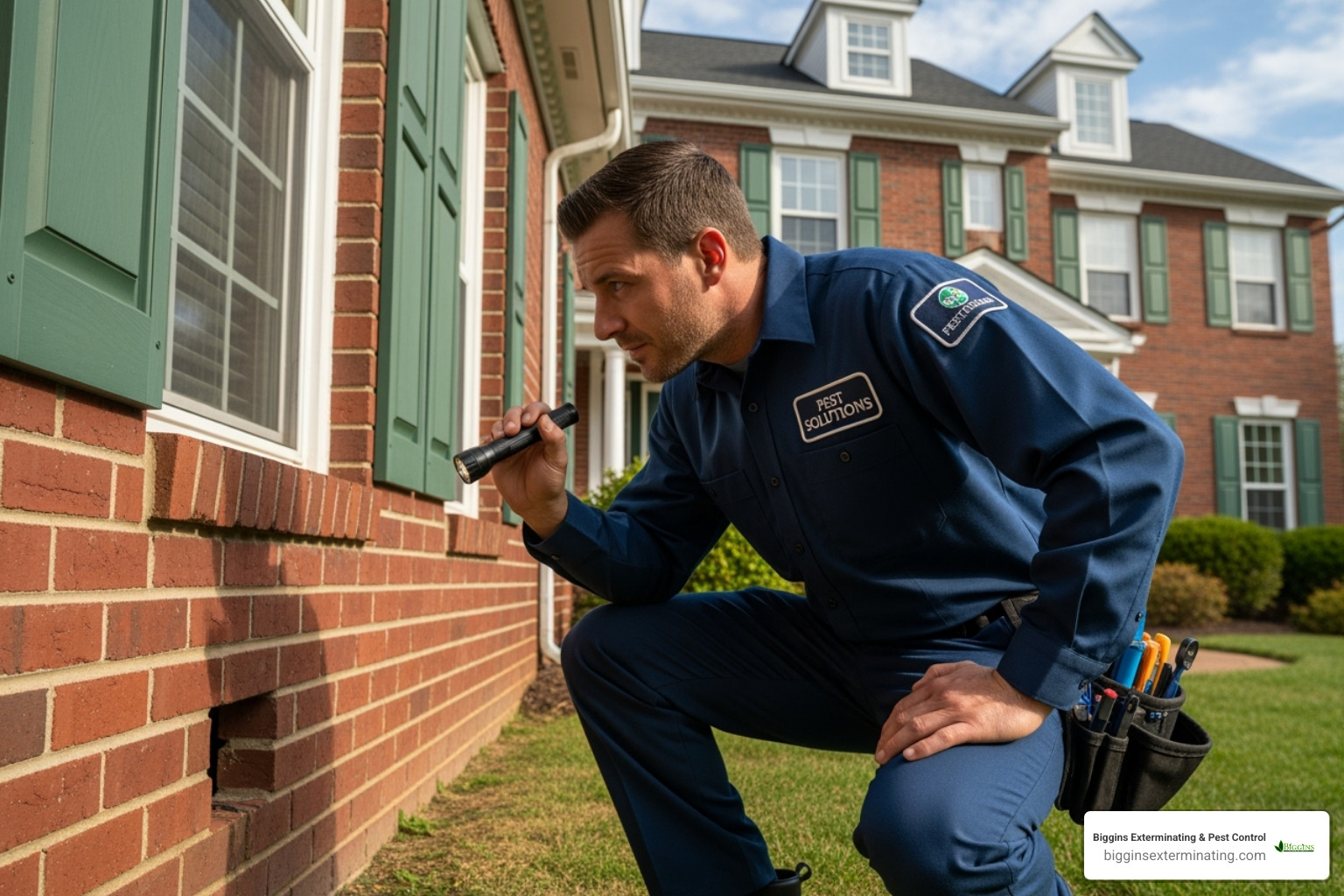
The inspection phase is where everything begins. We conduct a thorough examination of your property, both inside and out, looking for all signs of carpenter ant activity. This isn’t a quick walk-through – we’re checking moisture-prone areas like basements, attics, wall voids, and spaces around windows and pipes. We follow ant trails, listen for those telltale rustling sounds, and use our experience to pinpoint the exact locations of both parent and satellite nests.
Locating all nests is crucial because carpenter ants are masters at hiding. They might have their main colony in a tree stump outside while maintaining satellite nests in your walls, attic, or basement. Missing even one nest means the problem will likely return.
Once we’ve identified all the problem areas, targeted application begins. We use professional-grade, non-repellent insecticides that ants can’t detect. When foraging ants walk through treated areas, they pick up the active ingredient and carry it back to their colony. This “transfer effect” spreads the treatment throughout the entire nest, eventually reaching the queen and eliminating the whole colony.
Insecticidal dusts in voids work particularly well for hidden nests within wall spaces or attics. These dusts penetrate deep into the ant galleries, coating the insects as they move through their tunnels. Non-repellent liquid treatments create invisible barriers around entry points and foraging trails, while strategic bait placement uses the ants’ own behavior against them – they carry the bait back as food, further spreading the active ingredient.
We also address any moisture problems we find during our inspection. Since carpenter ants are attracted to damp wood, fixing leaky pipes, improving ventilation, or addressing roof issues is essential for long-term success.
For more detailed information about our methods, you can learn about Pest Control and Exterminating and How to Kill Carpenter Ants.
Understanding the Cost of a Carpenter Ants Exterminator
We understand that cost is often a primary concern when considering professional pest control. The investment in a carpenter ants exterminator can vary significantly based on several important factors.
Average treatment costs typically range from $300 to $1,500 or more, though these are average costs based on internet data and not actual costs for Biggins Exterminating services. The wide range reflects the complexity that each infestation presents.
Infestation severity plays the biggest role in determining cost. A small, recently established colony in an easily accessible area will naturally require less time and materials than a mature infestation with multiple satellite nests spread throughout your property.
Property size also affects pricing. Larger homes or properties with extensive outdoor areas may require more comprehensive treatment and follow-up monitoring. Treatment complexity becomes a factor when nests are hidden deep within walls, attics, or other hard-to-reach spaces that require specialized equipment or techniques.
The choice between one-time service versus an ongoing treatment plan can impact both immediate costs and long-term value. While some infestations respond well to a single comprehensive treatment, others benefit from follow-up visits and preventative measures, especially if the colony has been established for several years.
It’s worth remembering that carpenter ant queens can live up to 25 years, and a mature colony can contain over 50,000 ants. The cost of professional treatment is often far less than the potential structural damage these persistent pests can cause over time.
We always provide clear, transparent pricing after our thorough inspection, so you’ll know exactly what to expect with no surprise fees or hidden costs.
Step 3: Choosing the Right Pro and Preventing Re-infestation
After dealing with carpenter ants once, the last thing we want is to go through this whole ordeal again. That’s why choosing the right carpenter ants exterminator and taking smart prevention steps are so crucial for long-term success.
What to Look for in a Carpenter Ants Exterminator
Finding the right professional can feel overwhelming, but focusing on a few key qualities will help us make the best choice for our situation.
Local experience makes a huge difference when it comes to pest control. As a family-owned business serving Massachusetts for over 40 years, we’ve learned that carpenter ant behavior can vary significantly based on local climate, housing styles, and environmental factors. A carpenter ants exterminator who understands the specific challenges in towns like Andover, Bedford, Billerica, Burlington, Lexington, North Reading, Tewksbury, Wilmington, and Woburn will be much more effective than someone who’s just following a generic playbook.
Positive customer reviews tell the real story. When we’re researching potential exterminators, we always recommend checking what other homeowners are saying about their experiences. Look for patterns in the feedback – do customers mention thorough inspections, effective treatments, and good follow-up service?
A clear treatment plan is non-negotiable. Any reputable exterminator should be able to explain exactly what they’re going to do, which products they’ll use, and why they’ve chosen that particular approach for our specific situation. If someone can’t clearly explain their strategy, that’s a red flag.
Proper licensing and insurance might seem obvious, but it’s worth double-checking. This protects both us and the technicians working on our property. Don’t be shy about asking to see credentials – any legitimate business will be happy to provide them.
Finally, look for a warranty or service guarantee. At Biggins Exterminating, we stand behind our work because we’re confident in our methods. If the ants come back after treatment, we’ll return to address the problem. This kind of guarantee shows a company’s commitment to actually solving the problem, not just collecting a quick fee.
You can learn more about finding reliable Local Pest Control Experts who understand the unique challenges of Massachusetts homes.
How to Prevent Future Carpenter Ant Problems
Prevention really is the best medicine when it comes to carpenter ants. The good news? Most prevention strategies are pretty straightforward and don’t require any special expertise.
Fixing moisture issues is absolutely critical since carpenter ants are drawn to damp wood like moths to a flame. This means promptly repairing any leaky pipes, faucets, or roof issues. We also want to make sure areas like basements, crawl spaces, and attics have proper ventilation. A dehumidifier can work wonders in naturally humid spaces.
Trimming tree branches might seem unrelated, but those overhanging branches act like highways for carpenter ants to reach our homes. Keeping vegetation trimmed back so it doesn’t touch our house or roof eliminates these convenient access routes.
Sealing entry points around our home’s foundation, windows, doors, and utility lines helps keep ants from finding their way inside in the first place. A little caulk and sealant can go a long way toward ant-proofing our homes.
Storing firewood properly is another often-overlooked prevention step. Those cozy firewood piles right next to our house? They’re like five-star hotels for carpenter ants. We recommend keeping firewood at least 20 feet away from the house and lifted off the ground.
Removing rotting wood from our property eliminates prime nesting sites. This includes old stumps, decaying timber, or any other wood debris that might attract these industrious insects.
Maintaining good ventilation throughout our home helps reduce the moisture that initially attracts carpenter ants. Make sure vents are clear and unobstructed, especially in areas prone to dampness.
While carpenter ants don’t eat wood, they do forage for food. Storing food in sealed containers and cleaning up crumbs and spills promptly removes another attraction factor.
By taking these prevention steps seriously, we can dramatically reduce the chances of dealing with another carpenter ant invasion. For more comprehensive strategies, check out our guide on Effective Ant Control.
Frequently Asked Questions about Carpenter Ant Control
After decades of helping Massachusetts families with carpenter ant problems, we’ve noticed homeowners tend to ask similar questions. Let’s address the most common concerns about carpenter ants exterminator services.
When should I call an exterminator for carpenter ants?
The short answer? As soon as you suspect a problem. Carpenter ant infestations don’t resolve on their own; they only expand.
Key signs it’s time to call include:
- Seeing winged ants (swarmers) indoors: This indicates a mature colony (2+ years old) is nesting inside your structure.
- Finding piles of frass: This sawdust-like material means ants are actively chewing through your wood.
- Hearing rustling noises in your walls: These sounds indicate active colonies in hidden spaces.
- If DIY treatments have failed: Professional intervention can save you time, money, and frustration.
A professional inspection can also provide peace of mind by confirming or ruling out an infestation.
For more guidance on recognizing pest problems early, check out our resource on Signs That You Have a Pest Infestation.
How long does it take for an exterminator to get rid of carpenter ants?
This depends on the infestation, but patience is key. While you’ll see an immediate reduction in visible ants, complete colony elimination typically takes several weeks.
Our non-repellent products are designed to be carried back to the nest by foraging ants. This “transfer effect” spreads the treatment throughout the entire colony, eventually reaching the queen. The process usually takes two to three weeks for full resolution.
Follow-up visits may be needed for large colonies with multiple satellite nests to ensure complete elimination. Non-repellent products work over time, but they are far more effective than quick-kill sprays because they destroy the entire colony.
Are the chemicals used by exterminators safe for my family and pets?
Yes. Your family’s safety is our top priority. As parents and pet owners ourselves, we only use products in your home that we would use in our own.
Professional-grade products are designed for safety and targeted application. We apply them in wall voids, cracks, and crevices where children and pets don’t have access. We follow strict safety protocols and use low-risk application methods.
We are always happy to explain the products we use and provide safety data sheets. The most important step is to allow time for treatments to dry before resuming normal activity in treated areas. We will provide specific instructions, but disruption is usually minimal.
For more information about our approach to safe, effective pest control, visit our Residential Pest Control page.
Protect Your Home with a Trusted Local Exterminator
When we’re facing a carpenter ant problem, it’s easy to underestimate just how serious these little engineers can be. They might look like just another household pest, but their talent for tunneling through our home’s wooden framework makes them a genuine threat to our property’s structural integrity. What starts as a few ants wandering around our kitchen can eventually lead to thousands of dollars in repair bills if we don’t act quickly.
That’s exactly why calling in a professional carpenter ants exterminator makes all the difference. We’re not just talking about someone who shows up with a spray bottle and calls it a day. We’re talking about comprehensive, long-term solutions that get to the heart of the problem – eliminating entire colonies, including those sneaky satellite nests that DIY methods almost always miss.
Here at Biggins Exterminating & Pest Control, we’ve been protecting homes throughout Massachusetts for over four decades. As a family-owned business right here in Wilmington, we understand the unique challenges that New England homeowners face when it comes to carpenter ants. We’ve seen how these persistent pests behave in our local climate, and we know exactly where they like to hide in the types of homes we have throughout Andover, Bedford, Billerica, Burlington, Lexington, North Reading, Tewksbury, Wilmington, and Woburn.
What sets us apart isn’t just our 40+ years of experience – it’s our commitment to doing things right the first time. We believe in no-contract services because we want to earn your trust through results, not lock you into agreements. Every job comes with our warranty, because we stand behind our work completely.
The truth is, carpenter ant damage doesn’t happen overnight, but it also doesn’t get better on its own. These colonies can live for decades, quietly weakening your home’s structure year after year. The sooner we can get in there with our professional-grade treatments and targeted approach, the sooner we can stop that damage in its tracks.
Don’t let carpenter ants turn your home into their personal construction project. If you’re seeing the warning signs – those telltale piles of frass, hearing rustling in your walls, or spotting winged swarmers – it’s time to call in the experts. Contact us for expert ant control today, and let’s work together to protect your most important investment: your home.