
Understanding the True Cost of Professional Ant Control
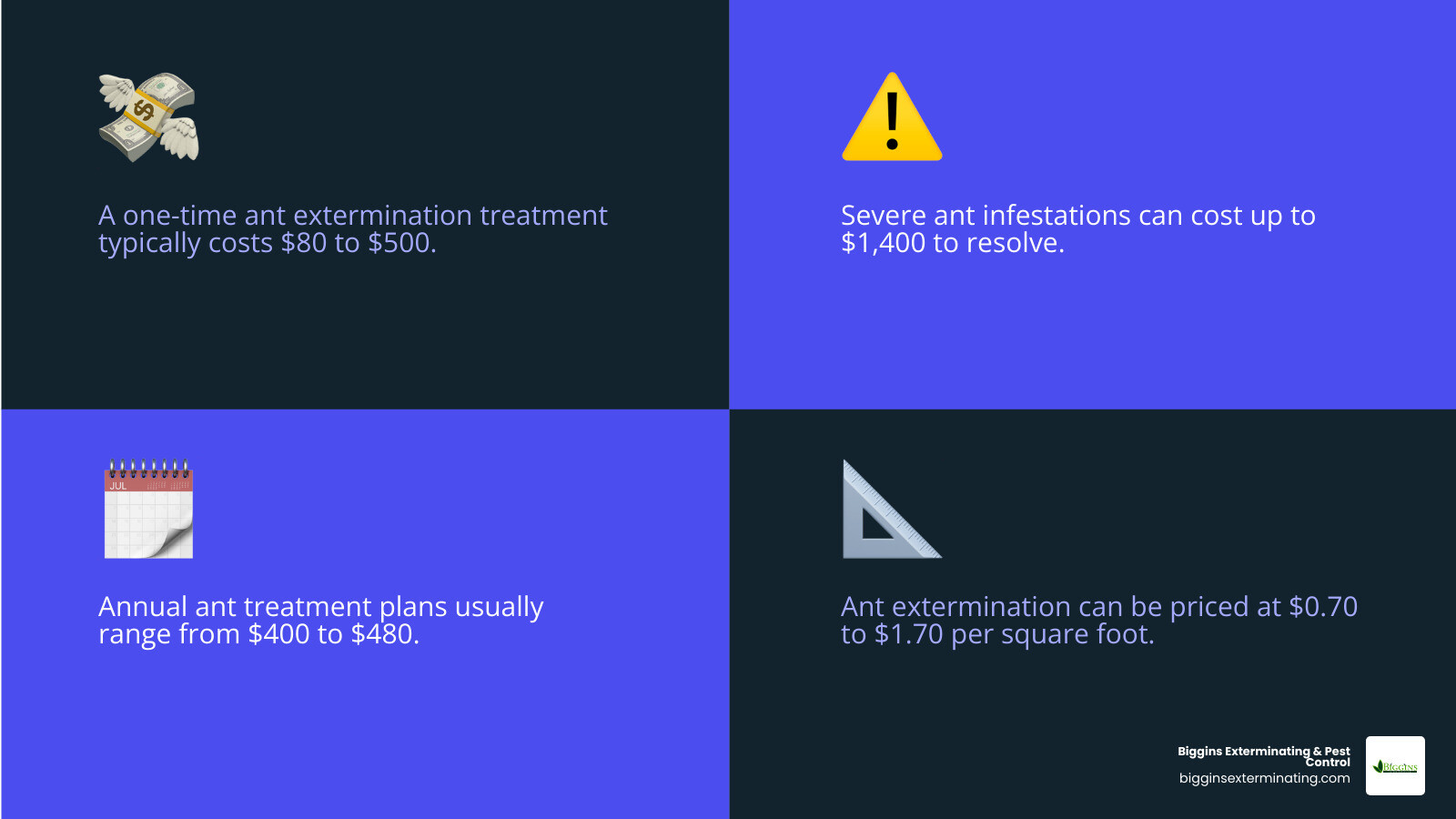
How much does it cost to exterminate ants? It’s a common question for homeowners facing an ant invasion. Based on national data, here’s a quick overview of what you might pay:
Quick Cost Overview:
- One-time treatment: $80 – $500 (average $150)
- Severe infestations: Up to $1,400
- Annual treatment plans: $400 – $480
- Cost per square foot: $0.70 – $1.70
Note: These are average costs based on internet research and not actual pricing from Biggins Exterminating.
Nobody wants ants in their kitchen or carpenter ants damaging their home. When you have an ant problem, the cost uncertainty can be as frustrating as the pests themselves.
The reality is that ant extermination costs vary dramatically. A minor sugar ant issue might be under $100, while a severe carpenter ant infestation could cost thousands, including repairs. Understanding these cost factors helps you budget and decide if a DIY approach is sufficient or if it’s time to call a professional.
I’m Stephen Biggins, owner of Biggins Exterminating Co. With over 40 years in the pest control industry, I’ve helped thousands of Massachusetts homeowners steer the cost of ant extermination with honest, transparent solutions. This guide will break down what influences the price so you can make an informed decision for your home.
Basic how much does it cost to exterminate ants glossary:
Understanding the National Average Cost of Ant Extermination
Please note: All prices mentioned in this guide are national averages based on extensive internet research and are not quotes from Biggins Exterminating. Actual costs can vary significantly depending on your specific situation, location, and the pest control provider you choose.
So, how much does it cost to exterminate ants in real numbers? The national average for a one-time treatment is around $150, but costs can range from $80 for a simple issue to $500 or more for complex cases. A severe, unchecked infestation could cost up to $1,400, especially if structural damage is involved.
Many companies also price services by square footage, typically between $0.70 to $1.70 per square foot. For ongoing protection, annual treatment plans are a smart choice, usually running $400 to $480 per year for multiple visits.
The wide price range reflects that no two ant problems are alike. For more on pest control pricing, see our Pest Control Services Cost page.
How much does it cost to exterminate ants for a single visit?
A one-time professional service typically falls between $150 to $395. This fee covers expertise and a systematic approach, not just a quick spray. A single visit should include a thorough inspection to identify the ant species, locate nests and entry points, and assess the problem’s scope. This is followed by an initial treatment customized to the specific ant and its location.
This approach works well for minor, early-stage infestations. However, the cheapest option isn’t always the best value if ants return. A truly Affordable Exterminator delivers lasting results.
What about ongoing pest control plans?
For persistent ant problems, ongoing pest control plans often make more financial sense. Quarterly service plans typically cost $400 to $480 annually ($100 to $120 per visit), which is a good value compared to individual treatments.
The real value is in the consistent prevention that addresses seasonal ant activity. These plans include follow-up treatments and warranties that guarantee a return visit at no extra charge if ants reappear between scheduled services.
This proactive approach prevents small problems from becoming expensive headaches and gives you peace of mind. It’s why we emphasize The Importance of Regular Pest Inspections: Safeguarding Your Home and Health.
Key Factors That Influence Ant Extermination Prices
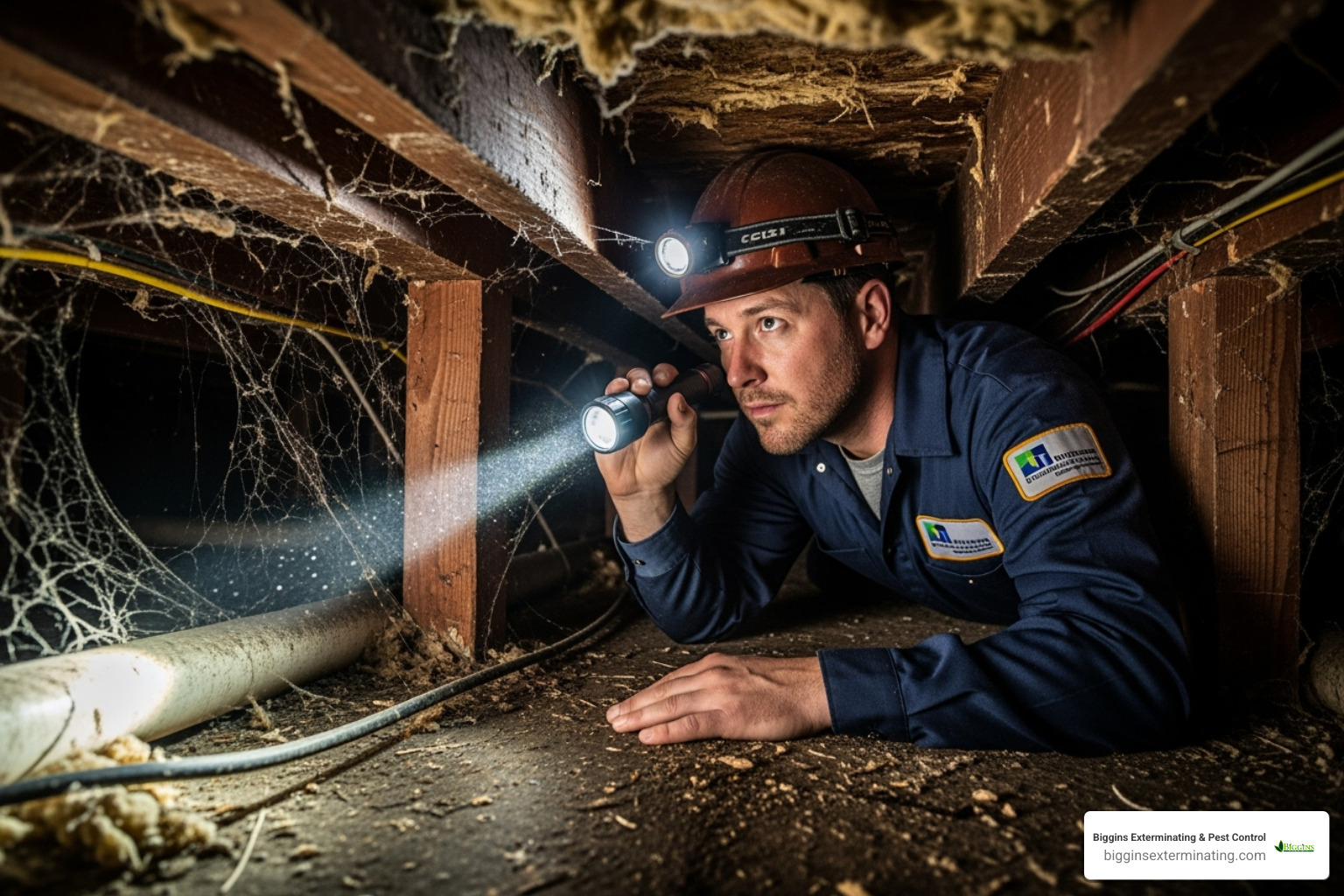
If you’re wondering how much does it cost to exterminate ants, the answer is: it depends. There’s no single price because every ant problem is different. A few sugar ants in the kitchen is a much smaller job than a large carpenter ant colony damaging your home’s structure. Multiple factors influence the cost, which is why a thorough inspection is always the first step. For homeowners looking for Local Pest Control Services, understanding these factors helps set realistic expectations.
Infestation Severity and Location
The severity of the ant problem is the biggest cost driver.
- A minor infestation (a few scout ants) might cost $150 to $300.
- A moderate infestation (established trails in multiple rooms) can range from $300 to $700.
- Severe infestations (multiple nests, thousands of ants) often cost $800 to $1,400 or more.
Nest location also significantly impacts the price. Ants on a kitchen floor are straightforward to treat. However, nests in wall voids, attics, or crawl spaces are much harder to access and require more labor, specialized equipment, and sometimes minor deconstruction to treat effectively. Dealing with Ants in Attic Insulation is particularly tricky.
Property Size and Accessibility
Larger homes cost more to treat due to more ground to cover, which is why some exterminators use a cost per square foot model ($0.70 to $1.70). More area means more inspection time and more product. Accessibility is also key. Cluttered basements, overgrown landscaping, or tight crawl spaces increase labor time and, therefore, the cost. Our Residential Pest Control services are designed for these complexities, but they do affect the final price.
How much does it cost to exterminate ants of different species?
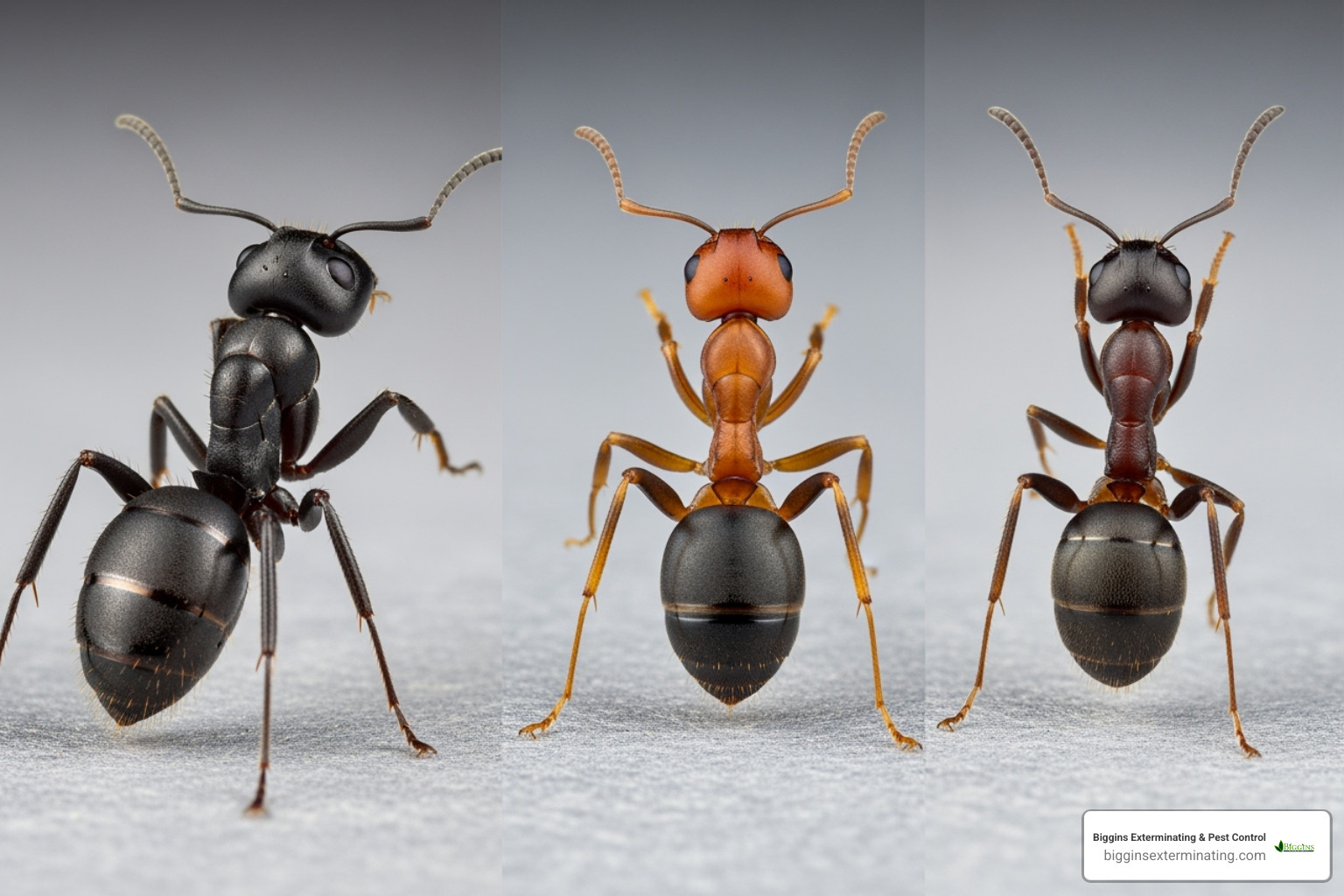
Ant identification is crucial for effective treatment, as different species require different methods. This directly impacts how much does it cost to exterminate ants.
- Carpenter ants: Typically $250 to $500+ (national average, not a quote). These wood-destroying insects can cause serious structural damage, and eliminating their hidden satellite colonies requires expertise. Our Carpenter Ant Pest Control page explains why these treatments are more involved.
- Fire ants: Around $100 to $300. These aggressive outdoor ants require specialized baits and mound treatments.
- Sugar and pavement ants: Usually $150 to $250. These common invaders respond well to standard baiting and perimeter treatments. See our Sugar Ant Pest Control services for details.
- Pharaoh and odorous house ants: About $200 to $250. These species are challenging because they often split into multiple colonies if treated incorrectly, making professional expertise essential.
The University of California’s comprehensive guide offers excellent information on identifying ant species, the first step in any effective treatment.
Professional Ant Control vs. Home Remedies: A Cost and Effectiveness Breakdown
When ants invade, it’s natural to wonder whether to use home remedies or call a professional. The decision involves balancing cost, effectiveness, time, safety, and the desire for a guaranteed solution.
Here’s a quick comparison to help you weigh your options:
| Feature | Home Remedies | Professional Ant Control |
|---|---|---|
| Cost | Low ($5 – $30 for products) | Moderate to High ($80 – $1,400+, depending on severity and type) |
| Effectiveness | Limited, often only addresses visible ants; rarely eradicates the colony | High, targets the colony, queen, and entire lifecycle for long-term eradication |
| Time | Can be ongoing, requires repeated application, results vary | Quick initial results (often within 48 hours), full eradication can take weeks; saves homeowner time |
| Safety | Varies; improper use of DIY products can still pose risks to pets/children | Trained professionals use products safely, often with pet/child-friendly options |
| Guarantee | None | Many reputable companies offer warranties or re-treatment guarantees |
The allure of a quick, cheap fix is strong. However, as we explain in The Dangers of DIY Pest Control in Massachusetts, an inexpensive DIY attempt can become a costly, prolonged battle if not handled correctly.
The Home Remedy Approach: Costs and Limitations
DIY ant control products like traps, sprays, and baits cost between $5 and $30 and can be effective for a few scout ants. However, home remedies have major limitations. They typically only kill the ants you see, failing to reach the hidden colony and queen. Misidentifying the ant species can lead to using the wrong, ineffective product. Worse, improperly spraying certain species can cause the colony to split or “bud,” creating multiple new colonies and worsening the infestation. While there are ideas for Natural Ant Control Outside, they often aren’t a permanent fix for a large problem.
DIY methods offer a low initial cost but often lead to a frustrating cycle of temporary relief and wasted time without solving the root cause.
When to Call a Professional: Signs of a Serious Infestation
Knowing when to call for professional help is crucial. Here are clear signs of a serious infestation that requires an expert:
- Persistent Ant Trails: Long, consistent lines of ants indicate a well-established colony.
- Nests in Walls or Foundation: Ants emerging from cracks, outlets, or the foundation mean they are living inside your home’s structure.
- Wood Shavings (Frass): Fine, sawdust-like material near wood is a strong sign of wood-destroying carpenter ants.
- Multiple Nests: Finding more than one nest on your property points to a widespread problem.
- Home Remedy Failure: If you’ve tried DIY methods and the ants keep returning, the colony is likely too large or hidden for your efforts.
These signs indicate a deep-seated infestation that only professional tools and expertise can eradicate. Our page on Signs That You Have a Pest Infestation offers more details. When these signs appear, it’s time to find skilled help like your trusted Ant Exterminators in My Area.
Smart Ways to Save Money and Prevent Future Infestations
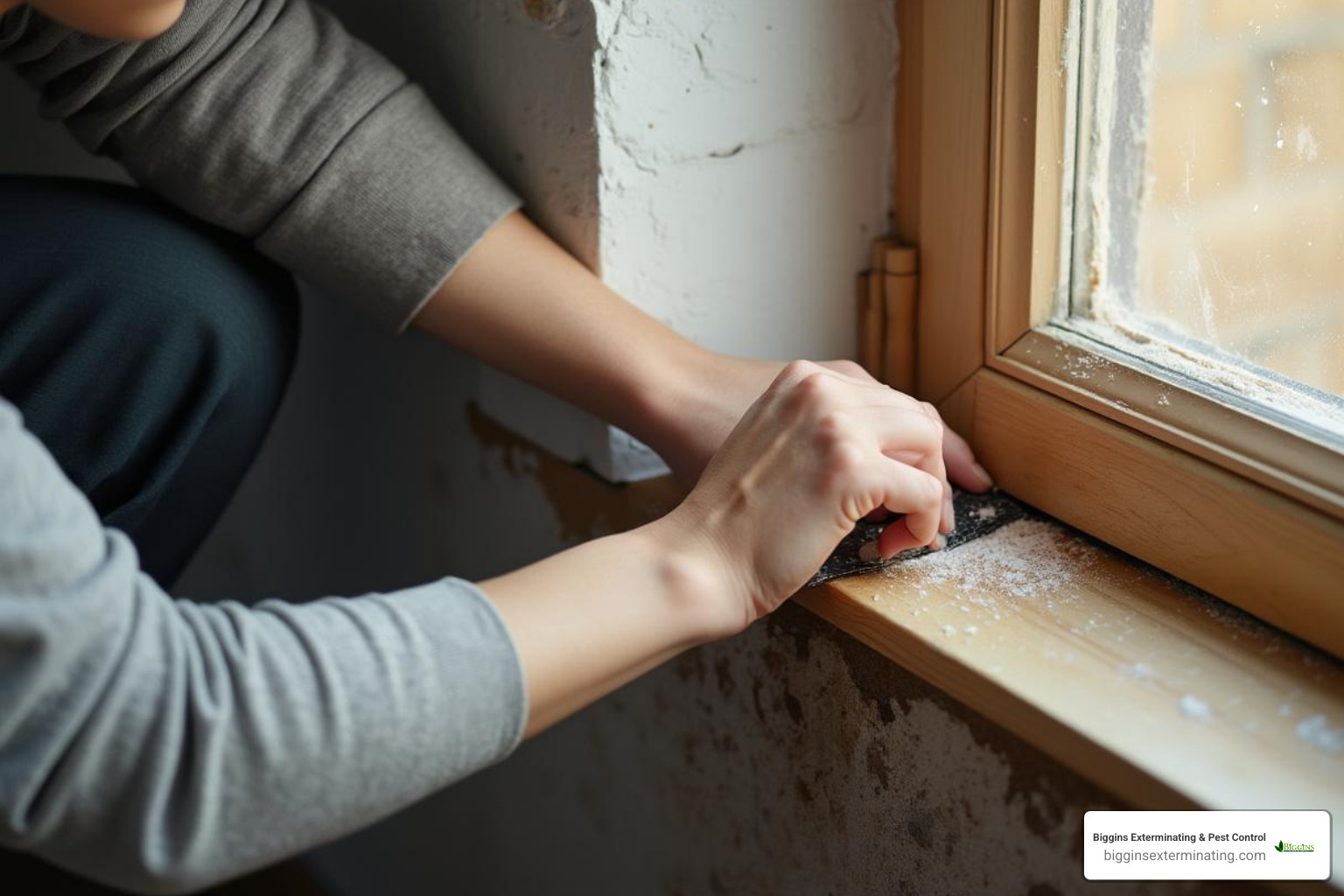
A smart, long-term strategy involves preventing ants from returning, which saves you money and avoids future headaches. This proactive approach is a key part of Integrated Pest Management (IPM), a holistic and environmentally friendly way to control pests. These principles also apply to other pests, as detailed in our guide on How to Prevent Termites.
Prevention is the Best Medicine
An ounce of prevention is worth a pound of cure, especially with ants. Simple changes and habits can drastically reduce the chance of an invasion.
- Seal entry points: Inspect your foundation, windows, and doors for cracks. Use caulk or sealant to close any gaps where ants can enter.
- Eliminate food sources: Clean up spills and crumbs immediately. Store all food, including pet food, in airtight containers.
- Remove moisture: Fix leaky pipes and address any moisture issues promptly, as ants need water to survive.
- Manage landscaping: Trim tree branches and shrubs away from your house to remove easy access points for ants.
These steps are fundamental to effective Indoor Ant Control and are central to our pest management philosophy. Learn more about this comprehensive approach on our page about The Role of Integrated Pest Management in Massachusetts.
Choosing the Right Service
When you need professional help, making an informed choice saves money and ensures peace of mind. It’s not just about the initial cost; it’s about lasting results.
- Bundle services: Ask about discounts for comprehensive plans that cover multiple pests like spiders or rodents.
- Ask about warranties: A reputable exterminator should offer a guarantee for re-treatment if ants return.
- Get multiple quotes: Contact two or three providers to compare pricing, treatment plans, and customer reviews.
- Choose local experts: A local company like Biggins Exterminating understands the specific ant species and environmental factors in Massachusetts towns like Andover, Bedford, and Billerica. This expertise leads to more effective service.
For more help, see our guide on How to Choose the Right Pest Control Service for Your Needs in Massachusetts.
Frequently Asked Questions about Ant Extermination
Are the chemicals used for ant extermination safe for pets and children?
This is an important question. Reputable professional exterminators prioritize safety. Trained technicians use products responsibly, applying them with precision and following strict safety protocols. Many modern products are formulated with low toxicity to mammals, targeting pests while minimizing risk to pets and children. Always talk to your exterminator before treatment. They can provide specific advice, such as keeping pets and children away from treated areas until dry or using enclosed bait stations. For more information, visit our Safe Pest Control for Pets page.
How long does it take to get rid of an ant infestation?
The time required depends on the ant species, infestation severity, and treatment method. You should see a significant drop in ant activity within 48 hours of most treatments. However, complete eradication of the entire colony and queen can take from a few days to several weeks. This is especially true for baiting systems, which require time for ants to transport the bait back to the nest. Difficult species like carpenter ants may require multiple treatments over a longer period to ensure total elimination. Patience is key for a lasting solution. Learn more in our guide to Effective Ant Control.
Do ants carry diseases?
While not major disease vectors like mosquitoes, ants can pose health risks. The primary concern is food contamination. Ants can travel through unsanitary areas like garbage bins and then walk over your food and counters, mechanically transferring bacteria like Salmonella and E. coli. Some species, like fire ants, have painful stings that can cause welts, blisters, and, for about five percent of the population, severe allergic reactions. The Centers for Disease Control and Prevention (CDC) offers valuable insights into pest-related health risks, underscoring why good pest control is so important for public health.
Conclusion
Navigating ant extermination costs is easier when you understand the key factors: ant type, infestation severity, home size, and treatment method. These all determine how much it costs to exterminate ants. While DIY products are tempting, they often only provide a temporary fix. For serious invasions, especially from destructive carpenter ants, professional help is a smart investment in protecting your home.
Prevention is the best way to save money long-term. Simple habits like cleaning spills, sealing cracks, and fixing leaks make a huge difference. If ants do get in, a trusted local expert can provide safe, effective, and lasting results.
For over 40 years, our family at Biggins Exterminating has served Massachusetts residents with reliable, contract-free pest control. We proudly serve Andover, Bedford, Billerica, Burlington, Lexington, North Reading, Tewksbury, Wilmington, and Woburn. We stand by our work with warranties and a commitment to your satisfaction.
Don’t let ants disrupt your peace of mind. If you have an ant problem or want to discuss prevention, we’re here to help. Contact our expert ant control exterminators for a consultation today.
