
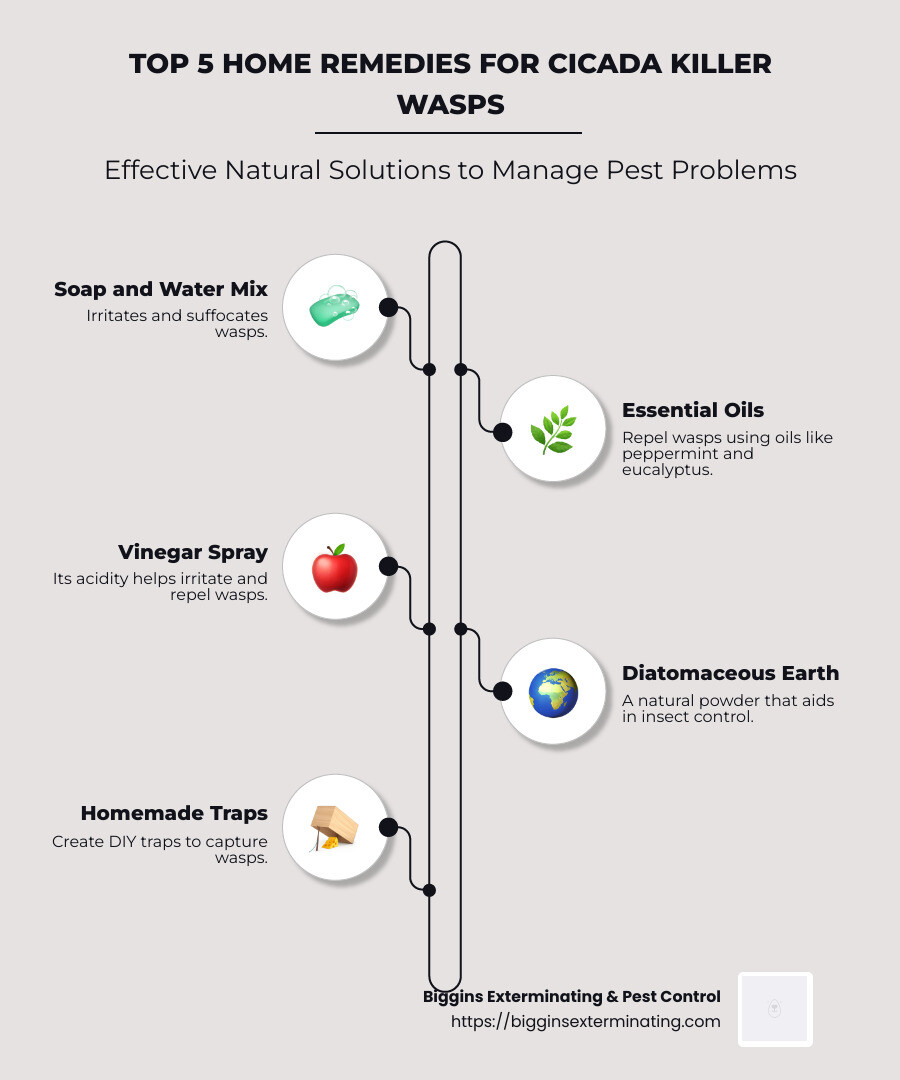
When you’re confronted with cicada killers in your backyard and looking for a quick and simple solution, a home remedy to kill cicada killers might be just what you need. Here are a few quick ideas:
- Soap and Water Mix: A simple combination can irritate and suffocate the wasps.
- Essential Oils: Peppermint or eucalyptus oils can deter these pests.
- Vinegar Spray: Effective at irritating and repelling wasps with its acidity.
Cicada killers, with their intimidating size and presence, can cause havoc in your yard—especially if you’ve found their burrow nests in the garden. While these wasps aren’t aggressive, their stingers can still pose a threat when they feel cornered. Implementing home remedy to kill cicada killers strategies is not only an easy and cost-effective approach but also a natural way to ensure your space remains safe and inviting.
I’m Stephen Biggins, owner of Biggins Exterminating for over 40 years. I’ve developed effective home remedies for cicada killers through years of practical experience in pest control. Let’s explore how you can tackle this issue right at home.
Home remedy to kill cicada killers terms to remember:
Understanding Cicada Killer Wasps
When you’re dealing with cicada killer wasps, understanding their unique traits and habits can make all the difference in managing them effectively.
Identification
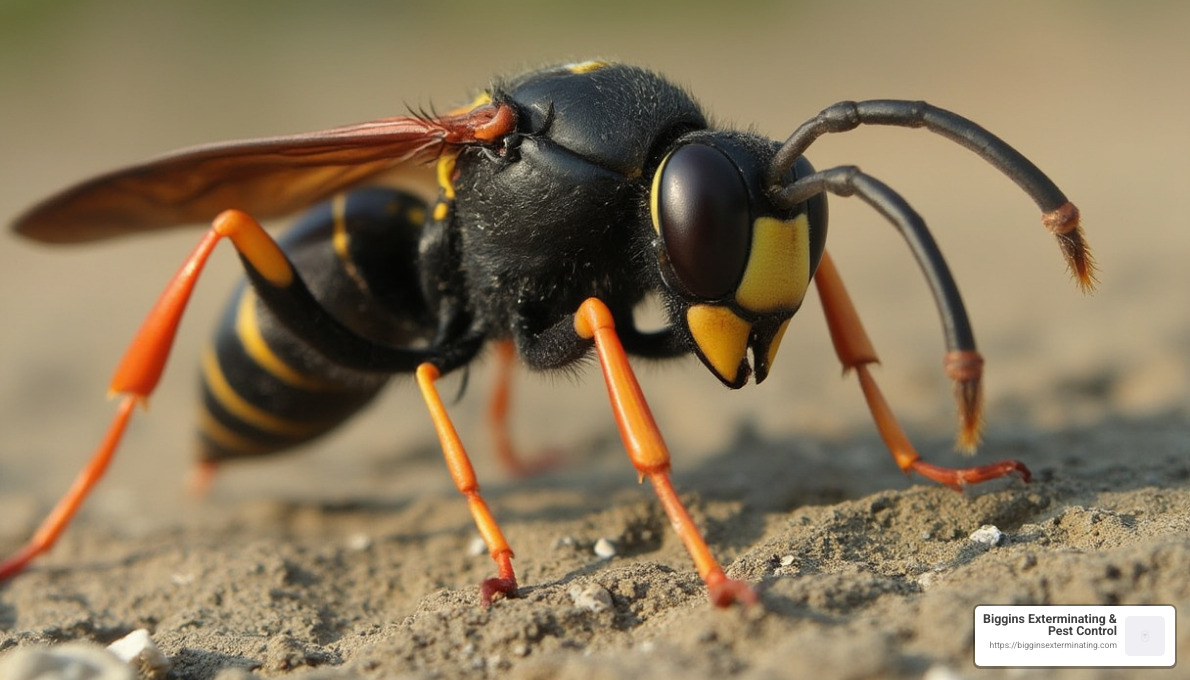
Cicada killer wasps are often mistaken for other large wasps, such as European hornets. They are notably large, with females reaching up to 2 inches in length. Their bodies are black with yellow markings on the abdomen, and they have pale red to orange legs. The wings are shaded brown, making them distinguishable if you look closely.
Behavior
Unlike social wasps that live in colonies, cicada killers are solitary. Females are responsible for building their nests, hunting, and laying eggs. They are not aggressive and rarely sting unless provoked. These wasps primarily focus on hunting cicadas to serve as food for their larvae. After paralyzing a cicada with their sting, they transport it to their burrow, lay an egg on it, and seal it in a cell. This behavior ensures their offspring have a ready food source once they hatch.
Habitat
Cicada killers prefer sandy, well-drained soils where they can easily dig their burrows. You’ll often find their nests in areas like:
- Edges of concrete slabs
- Golf course sand traps
- Lawns
- Sandy playgrounds
A telltale sign of a cicada killer’s presence is the U-shaped mound of excavated soil at the burrow entrance. These nests can be quite deep, extending about a foot underground with multiple cells for eggs.
Understanding these aspects of cicada killers can help you identify and manage them effectively. By knowing what attracts them and how they behave, you can better implement home remedies and preventive measures to keep your yard free from these formidable, yet non-aggressive, insects.
Home Remedy to Kill Cicada Killers
Dealing with cicada killers doesn’t always mean reaching for chemical solutions. There are natural solutions and DIY methods that can help you manage these solitary wasps without harming the environment.
Natural Solutions
- Soap and Water Solution: A simple, yet effective home remedy to kill cicada killers involves using a soap and water mixture. Mix a few tablespoons of dish soap in a spray bottle filled with water. Spray this directly into the burrow entrance. The soap suffocates the wasps and disrupts their cell membranes.
- Essential Oils: Certain essential oils like peppermint and eucalyptus can act as natural deterrents. Mix a few drops of these oils with water and spray around the areas where you notice wasp activity. The strong scent can help keep them at bay.
- Vinegar Spray: Vinegar’s acidic properties make it a natural deterrent for many pests, including cicada killers. Mix equal parts of vinegar and water in a spray bottle. Spray this solution directly on the wasps or around their burrows to deter them from nesting in your yard.
- Diatomaceous Earth: This natural powder is made from fossilized remains of tiny aquatic organisms. When spread around the burrow entrances, it can dehydrate and kill the wasps. Be sure to use food-grade diatomaceous earth for safety.
- Homemade Traps: DIY traps can capture cicada killers without using harsh chemicals. Create a simple trap using a plastic bottle with a small amount of sugar water at the bottom. The wasps are attracted to the sweet liquid and get trapped inside.
Safety Precautions
When using any home remedy to kill cicada killers, it’s important to take safety precautions:
- Always wear gloves and long sleeves to protect yourself from potential stings.
- Use caution when applying solutions near burrows to avoid provoking the wasps.
- Ensure pets and children are kept away from treated areas until it’s safe.
These natural and DIY methods can help you manage cicada killers while being mindful of the environment. By using these techniques, you can reduce the wasp population in your yard without resorting to chemical treatments.
Top 5 Home Remedies for Cicada Killer Wasps
Soap and Water Solution
A soap and water solution is a straightforward and effective DIY natural insecticide. To make it, mix a few tablespoons of dish soap in a spray bottle filled with water. Spray this mixture directly into the burrow entrances of cicada killers. The soap works by suffocating the wasps and disrupting their cell membranes, making it a practical home remedy to kill cicada killers.
Essential Oils
Essential oils like peppermint oil and eucalyptus oil are excellent natural deterrents. Their strong scents can repel cicada killers and discourage them from nesting. To use, mix a few drops of these oils with water in a spray bottle. Spray the mixture around areas where wasp activity is noticed. This method is a simple way to keep your yard free from these pests without resorting to harsh chemicals.
Vinegar Spray
Vinegar is known for its acidic properties, which make it a natural deterrent for many pests, including cicada killers. Create a vinegar spray by combining equal parts vinegar and water in a spray bottle. Apply this solution directly to the wasps or around their burrows. The acidity helps to deter the wasps from nesting in your yard, making it an effective home remedy to kill cicada killers.
Diatomaceous Earth
Diatomaceous earth is a natural powder made from the fossilized remains of tiny aquatic organisms. It is effective for insect control as it dehydrates and kills pests like cicada killers. Sprinkle food-grade diatomaceous earth around the entrance of their burrows. This method is safe for the environment and can help manage wasp populations without chemicals.
Homemade Traps
Creating DIY traps is another way to capture cicada killers. A simple trap can be made using a plastic bottle with a small amount of sugar water at the bottom. The sweet liquid attracts the wasps, and once inside, they cannot escape. This capture method is a chemical-free way to reduce wasp numbers in your yard.
Safety Precautions
When employing any home remedy to kill cicada killers, always take safety precautions:
- Wear gloves and long sleeves to protect against potential stings.
- Be cautious when applying solutions near burrows to avoid provoking the wasps.
- Keep pets and children away from treated areas until it is safe.
These natural and DIY methods offer a way to manage cicada killers while respecting the environment. By implementing these techniques, you can effectively reduce the wasp population in your yard without the need for chemical treatments.
Prevention Tips to Avoid Cicada Killer Infestation
Keeping cicada killer wasps at bay starts with proactive measures. Here are some effective prevention tips to help you maintain a wasp-free yard.
Lawn Maintenance
A well-maintained lawn is your first line of defense. Cicada killers prefer sparse, sandy areas to dig their nests, so maintaining thick, healthy turf can deter them. Here’s how you can achieve this:
- Regular Mowing: Keep your grass at a height of 3 to 4 inches. This taller vegetation is less appealing for burrowing.
- Deep Watering: Water your lawn deeply with 1 to 1.5 inches of water. Well-hydrated turf is denser and harder for wasps to dig through.
- Fertilization: Promote strong root growth with regular fertilization. A robust lawn makes it difficult for wasps to establish nests.
Habitat Modification
Modify your yard to make it less inviting for cicada killers. Habitat modification involves small changes that can have a big impact:
- Mulch Application: Apply at least 3 inches of mulch under shrubs and in flowerbeds. This not only retains soil moisture but also makes the ground less suitable for nesting.
- Remove Bare Patches: Cover any bare soil areas with grass seed or mulch. Cicada killers are drawn to exposed sandy soil.
- Edge Control: Pay attention to the edges of concrete slabs and other structures, as these are common nesting sites. Keep these areas covered or well-maintained.
Deterrents
Incorporate deterrents to keep wasps away from your yard naturally:
- Plant Repellents: Consider planting wasp-repelling plants like mint or eucalyptus around your yard. These plants release scents that cicada killers find unappealing.
- Essential Oil Sprays: Use sprays made from essential oils such as peppermint or eucalyptus. These can be applied to potential nesting sites to deter wasps.
- Physical Barriers: Install barriers like garden netting over areas where wasps are likely to burrow. This simple measure can prevent them from accessing the soil.
By integrating these lawn maintenance strategies, habitat modifications, and natural deterrents, you can create an environment that discourages cicada killer wasps from settling in your yard. These proactive steps will help you enjoy a wasp-free summer without relying on chemical solutions.
Frequently Asked Questions about Cicada Killer Wasps
Are cicada killer wasps dangerous?
Cicada killer wasps might look intimidating due to their large size, but they are not inherently dangerous. Unlike other wasps, cicada killers are non-aggressive and prefer to avoid confrontation. They are solitary creatures and don’t defend their nests like social wasps, which means they’re less likely to sting. Stings are rare and usually occur only if the wasp feels directly threatened or is handled.
How can I identify a cicada killer wasp nest?
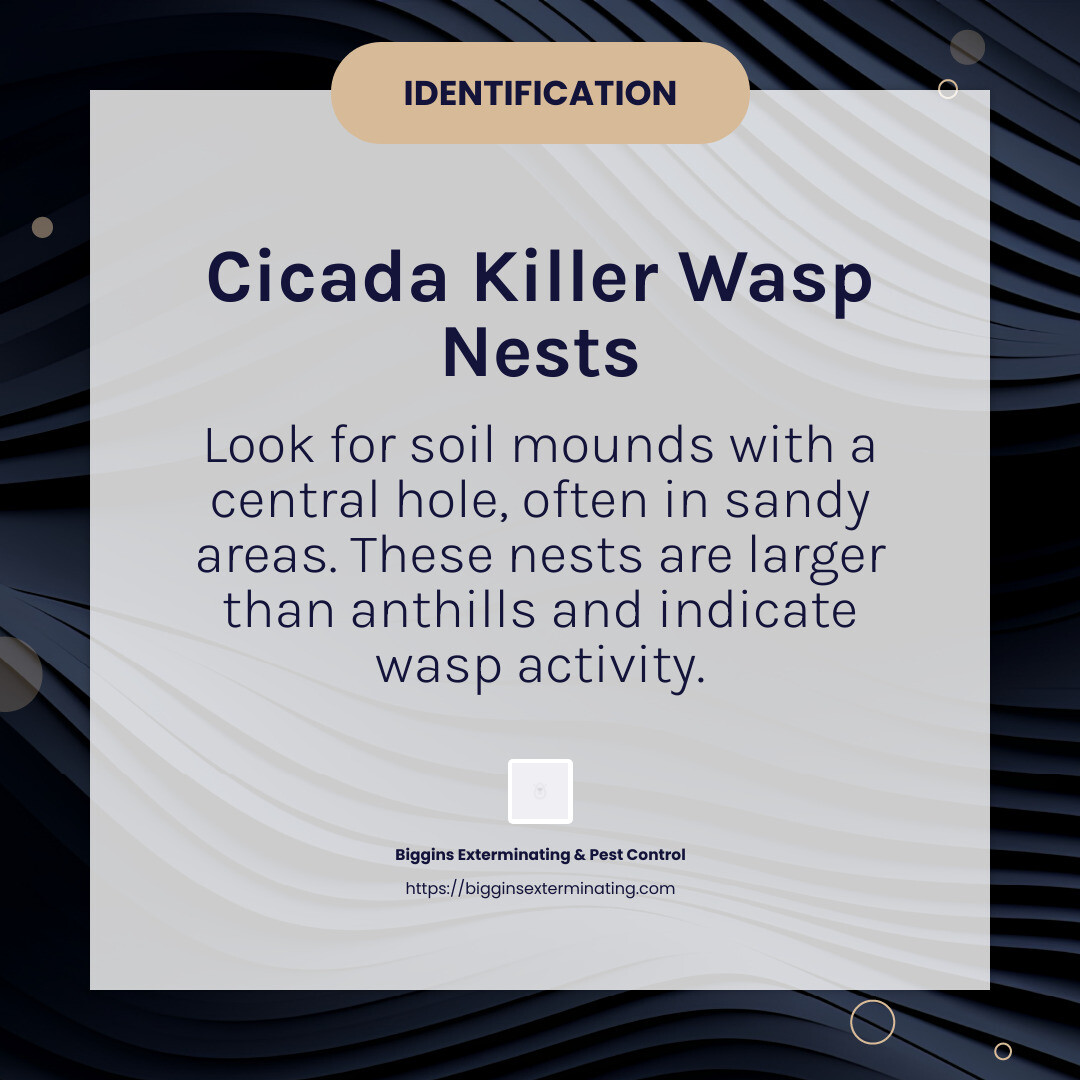
Identifying a cicada killer wasp nest is key to managing their presence. These wasps dig burrows in the ground to create their nests. Look for soil mounds with a hole in the center, similar to an anthill but larger. The entrance is about 1 to 1.5 inches in diameter. These nests are often found in areas with sandy soil or along the edges of concrete slabs, golf course sand traps, and playgrounds. The presence of these soil mounds is a clear indicator of cicada killer activity.
What attracts cicada killer wasps to my yard?
Cicada killer wasps are attracted to specific conditions that favor their nesting and feeding habits. Sandy soil is a primary attractant as it is easier for them to dig. Additionally, the presence of cicadas is a big draw since cicada killers rely on them as a food source for their larvae. If your yard has a lot of cicadas, it’s more likely to attract these wasps. Keeping your lawn well-maintained and reducing bare, sandy areas can help deter them from nesting.
By understanding these aspects of cicada killer wasps, you can better manage their presence and take steps to keep your yard free from these large, yet mostly harmless, insects.
Conclusion
At Biggins Exterminating & Pest Control, we understand that dealing with cicada killer wasps can be a daunting task. While these wasps are mostly harmless, their presence can be unsettling, especially when they start digging unsightly nests in your yard. Our goal is to provide effective pest management solutions that bring peace of mind to homeowners across Massachusetts.
Customer satisfaction is at the heart of everything we do. With over 40 years of experience, our family-owned business has built a reputation for delivering reliable pest control services without the need for long-term contracts. We offer warranties on our services, ensuring that you get the results you expect and deserve.
Whether you prefer to tackle the problem with home remedies or seek professional assistance, we’re here to help. Our expert team is always ready to provide guidance on identifying and managing cicada killer wasps, ensuring your home remains a comfortable and safe environment.
If you’re facing a cicada killer wasp infestation or any other pest problem, don’t hesitate to reach out to us. Let us help you take the first step toward a pest-free home. For more information on our services, visit our Cicada Killers Pest Control page.
Together, we can trap and tackle any pest problem you face, ensuring your satisfaction and a pest-free environment.
