
What is General Pest Control and Why It Matters for Your Home

General pest control treatment is a comprehensive approach to managing and preventing common household pests. It uses a combination of inspection, targeted treatments, and ongoing monitoring. Here’s what it typically includes:
Key Components of General Pest Control:
- Thorough inspection of your property’s interior and exterior
- Treatment of entry points around foundations, doors, windows, and utility openings
- Application methods including sprays, baits, dusts, and traps
- Focus on common pests like ants, spiders, cockroaches, rodents, and stinging insects
- Preventative measures to stop pests before they become a problem
- Follow-up visits to monitor effectiveness and adjust treatment as needed
Many Massachusetts homeowners have dealt with ants in the kitchen or mice in the walls. These pests are more than just annoyances; they can disrupt your peace of mind and pose health risks.
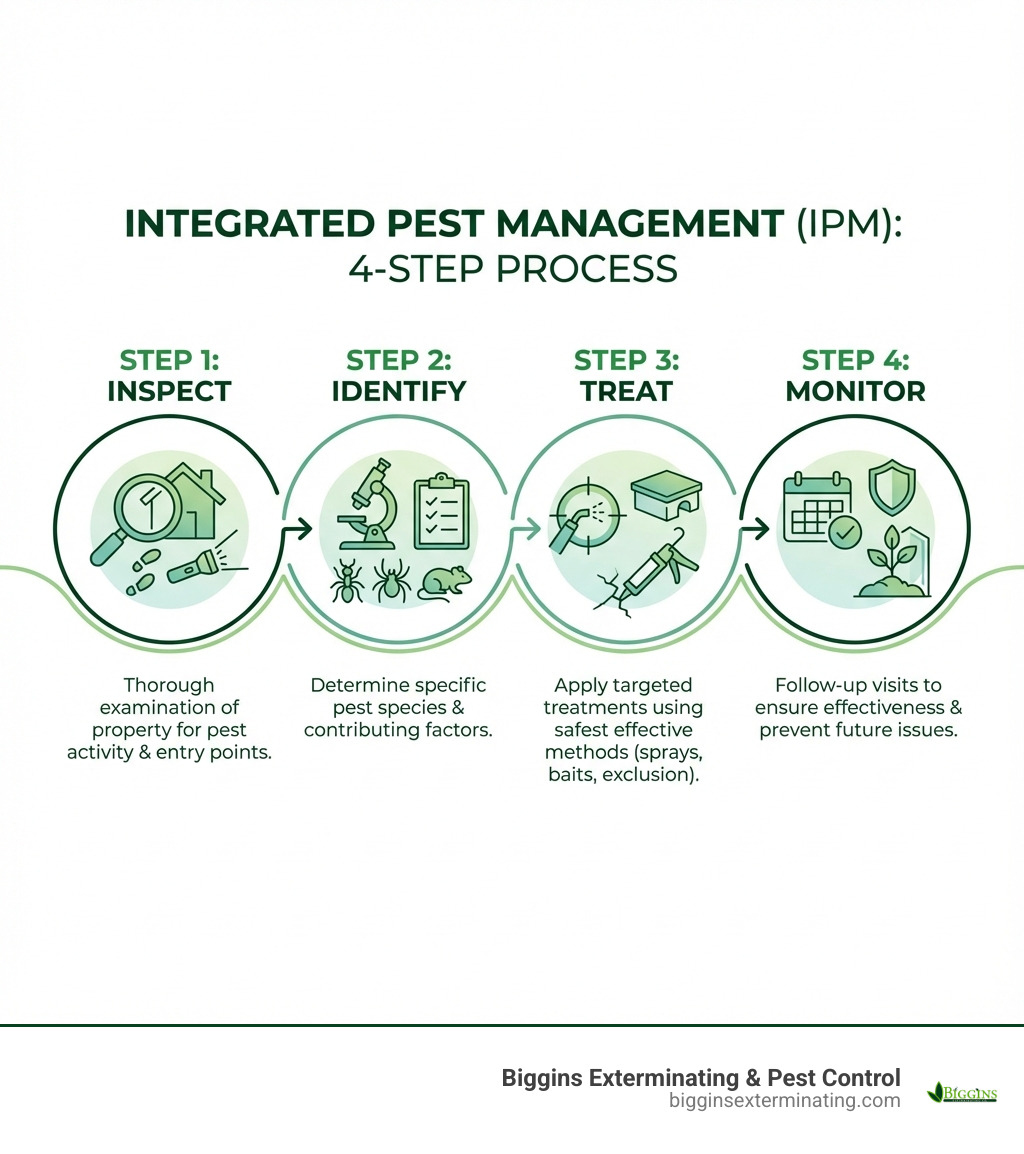
The good news is that general pest control treatment offers a proactive solution. Professionals use Integrated Pest Management (IPM), a systematic method combining inspection, identification, targeted treatment, and prevention, rather than just spraying chemicals.
This approach addresses the root causes of why pests enter your home. It creates a protective barrier and eliminates conditions that attract pests, offering a long-term solution beyond just killing visible intruders.
I’m Stephen Biggins, owner of Biggins Exterminating Co., and for over 40 years, our family has been providing trusted general pest control treatment to homeowners throughout Massachusetts. We’ve seen how the right approach makes all the difference in keeping homes pest-free without unnecessary chemicals or long-term contracts.
Handy general pest control treatment terms:
Common Pests Covered by General Treatments in Massachusetts
Living in Massachusetts means dealing with a variety of seasonal pests. General pest control treatment is designed to address the most common invaders that seek shelter and food in homes throughout areas like Andover, Bedford, and Wilmington.
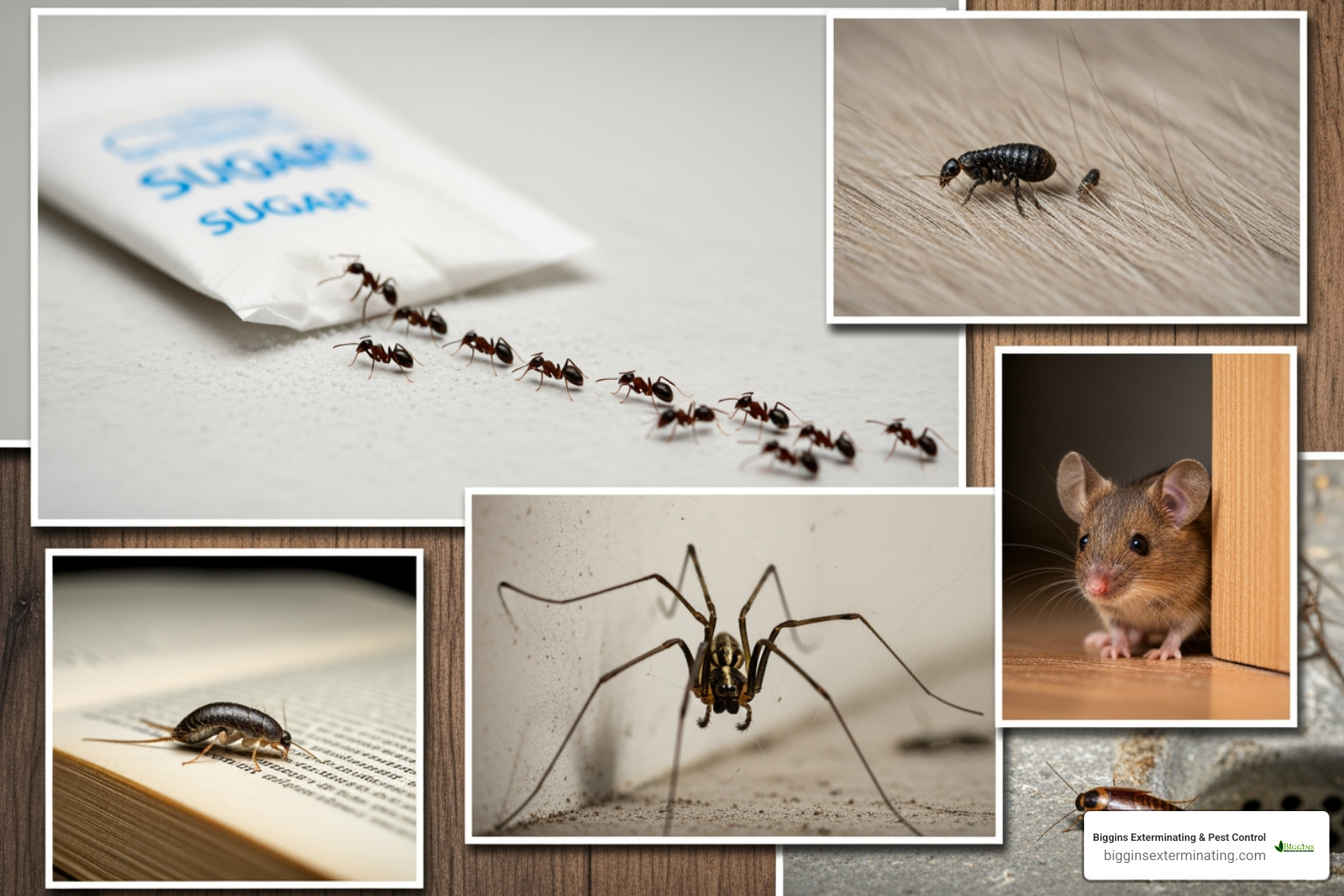
Here are some of the usual suspects we help homeowners manage:
- Ants: Pavement ants and wood-damaging carpenter ants are common nuisances in Massachusetts, entering homes for food and moisture. We provide effective strategies for exterminating ants and preventing their return.
- Spiders: Though mostly harmless, common house spiders, sac spiders, and wolf spiders are unwelcome guests. They often seek shelter in quiet corners, basements, and attics.
- Cockroaches: These resilient pests can carry diseases and trigger allergies. Thriving in warm, moist areas like kitchens and bathrooms, our pest control for cockroaches eliminates and prevents infestations.
- Rodents (Mice and Rats): Mice and rats seek warmth and food indoors during colder months. They can cause damage and contaminate food, making professional mice pest control services essential.
- Stinging Insects (Wasps and Hornets): In spring and summer, wasps and hornets build nests that pose a threat to families. We offer safe hornet and wasp removal services to protect your home.
- Occasional Invaders: Pests like centipedes, silverfish, and earwigs may wander inside during weather changes. While not a major threat, their presence can be unsettling.
Understanding the specific pests common to our region allows us to tailor the most effective general pest control treatment plans. For more detailed information, check out our guide on The Most Common Pests Found in Massachusetts and How to Prevent Them.
The Professional General Pest Control Treatment Process
When you call us for a general pest control treatment, you’re investing in a systematic, professional approach designed for long-term effectiveness. Our process is rooted in Integrated Pest Management (IPM) principles, ensuring we address your pest concerns thoroughly and safely.
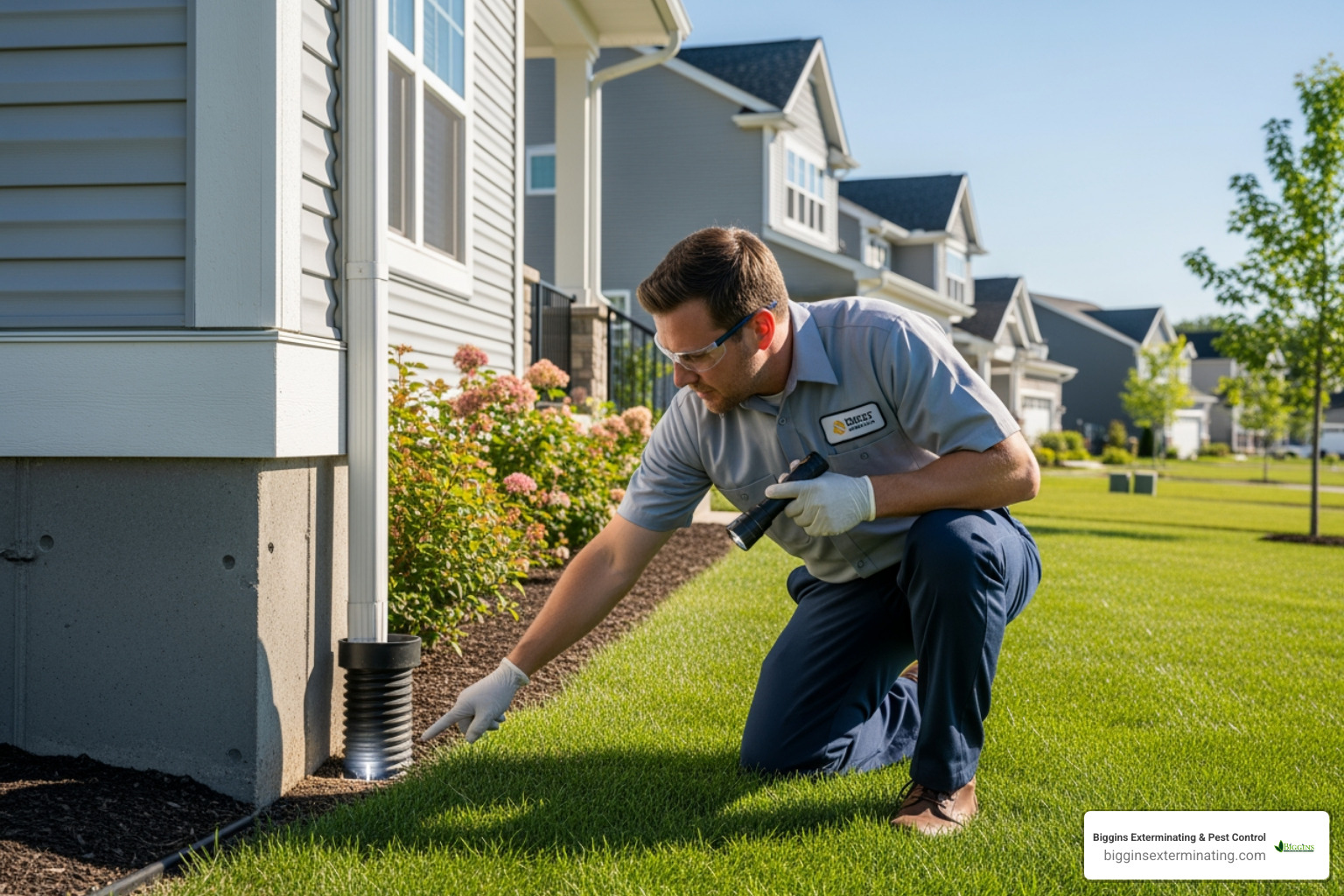
Here’s what you can expect from a professional general pest control treatment:
- Comprehensive Inspection: The first step is a detailed interior and exterior inspection. Our technicians look for pest activity, entry points, and conducive conditions in areas like foundations, attics, and basements. This helps us understand the problem’s scope. Learn more in our Pest Control Inspection Complete Guide.
- Pest Identification: Correctly identifying the pest is key, as different species require unique strategies. For example, carpenter ant treatment differs from that for pavement ants.
- Customized Treatment Plan: We create a custom plan for your home based on the pest type, infestation severity, and property size.
- Interior and Exterior Application: We use a multi-pronged approach.
- Exterior Treatment: We create a protective barrier around your home’s perimeter, treating entry points and removing accessible spiderwebs and wasp nests.
- Interior Treatment: For active infestations, we apply targeted, safe treatments to cracks, crevices, and pest harborage areas.
- Crack and Crevice Treatment: We apply specialized treatments into hidden cracks and crevices in walls and floors to reach pests where they live and breed.
- Follow-Up Visits and Monitoring: Pest control is often an ongoing process. We schedule follow-up visits to monitor effectiveness, address new activity, and reinforce preventative measures for long-term peace of mind.
Understanding Different Treatment Methods
Effective general pest control treatment employs a variety of methods. We select the most appropriate and safest Best Pest Solutions for your home.
- Liquid Sprays: Used for exterior perimeter treatments to create a barrier against crawling insects. We also use interior spot treatments where needed, always applying EPA-approved products safely.
- Baits and Traps: Baits are effective for social insects and rodents, eliminating the problem at its source. We use tamper-proof stations for safety. Traps are used for monitoring and capturing individual pests.
- Dusts: Applied to voids, cracks, and other hard-to-reach areas where pests hide. Dusts provide long-lasting control in undisturbed spaces.
- Exclusion Techniques: A key part of IPM, this involves physically blocking pests by sealing cracks, repairing screens, and installing door sweeps to eliminate entry points.
General vs. Specialized Treatments
While general pest control treatment is versatile, some infestations require a specialized approach. Understanding the difference is key to addressing your problem correctly.
| Feature | General Pest Control Treatment | Specialized Treatments |
|---|---|---|
| Scope | Broad-spectrum, addresses common household pests. | Highly targeted, focuses on a single, specific pest type. |
| Primary Goal | Prevention, routine maintenance, control of minor infestations. | Eradication of severe, persistent, or unique infestations. |
| Common Pests Covered | Ants, spiders, cockroaches, mice, wasps, occasional invaders. | Termites, bed bugs, powderpost beetles, extensive rodent infestations. |
| Typical Methods | Sprays, baits, traps, dusts, exclusion, perimeter treatments. | Fumigation, heat treatments, specialized baiting systems, extensive structural modifications. |
| Infestation Severity | Limited to moderate, or for preventative measures. | Severe, widespread, deeply entrenched, or in inaccessible areas. |
| Frequency | Often recurring (quarterly, tri-annual) for ongoing prevention. | Usually one-time intensive treatments, followed by monitoring. |
| Cost | Generally lower per service, but can involve ongoing plans. | Typically higher due to complexity, specialized equipment, and labor. |
| Example Scenario | Ants in the kitchen, spiders in the basement. | Widespread termite damage, a multi-room bed bug infestation, or wood-boring beetles. |
For example, a severe termite infestation requires specialized methods like those in our Termites pest control services. Similarly, bed bugs or widespread infestations may need specialized treatments.
Key Factors Influencing Pest Control Costs
Disclaimer: The following costs are national averages based on publicly available data and do not reflect the pricing of any single company. Actual costs can vary significantly.
Understanding the cost of general pest control treatment is a common concern for homeowners. Several factors influence the final price, and we believe in transparency so you can make an informed decision for your home in Wilmington, Tewksbury, or Woburn.
Average Cost for a general pest control treatment
The national average cost for professional pest control is $100-$260 per appointment, or about $170 for a 1,500 sq. ft. home. However, costs can range from $75 to $8,000 depending on the pest and severity.
Here are the primary factors that influence the cost:
- Type of Pest: Some pests are harder and more expensive to treat than others. A simple ant problem costs less to resolve than a bed bug infestation.
- Ants: $100-$500
- Cockroaches: $100-$600
- Fleas: $100-$400
- Mice and other rodents: $450-$600
- Wasps: $150-$300
- Termites: $200-$2,000
- Bed bugs: $350-$1,200
- Infestation Severity: The extent of the infestation is a major cost driver. A limited issue is less expensive than a severe, widespread problem.
- Limited Infestation: $100-$500
- Moderate Infestation: $300-$700
- Severe Infestation: $1,000-$8,000
- Property Size: Larger properties require more time and materials, increasing the cost, especially for exterior treatments.
- Treatment Method: Costs vary by method. Standard spraying is less expensive than intensive methods like heat treatment or fumigation, which are reserved for severe issues like bed bugs or termites.
- Treatment Frequency (One-Time vs. Recurring):
- One-Time Service: For an isolated problem, a single treatment may suffice, typically costing $100 to $600.
- Annual Plan/Recurring Service: For ongoing prevention, recurring plans are a cost-effective way to prevent major infestations. Annual costs typically range from $400 to $900+.
We strive to provide Affordable Pest Control Services custom to your specific needs, offering transparent pricing and no-contract options. Rest assured, we’ll always discuss the costs and options with you upfront.
Pro vs. DIY: When to Call for Professional Help
Many homeowners try DIY methods for pests, but for effective and safe results, it’s crucial to know when to call professionals for general pest control treatment.
DIY Limitations and Risks
DIY methods may offer a temporary fix for minor issues but often fail with active infestations due to:
- Lack of Expertise: Misidentifying pests can lead to using ineffective or incorrect treatments.
- Ineffective Treatments: Store-bought products may not be strong enough or can be misapplied, leading to recurring problems. Foggers can even spread pests to other areas.
- Health and Safety Risks: Improper pesticide use is dangerous to your family, pets, and yourself.
Signs You Need Professional Help
Call for professional general pest control treatment if you notice:
- Signs of a Severe Infestation: You see pests frequently, in large numbers, or in multiple areas of your home.
- Persistent Pests: Despite your best efforts, the pests keep coming back.
- Dangerous Pests: You’re dealing with stinging insects like hornets or wasps, or venomous spiders.
- Structural Damage: Pests like carpenter ants or rodents are causing damage to your home’s structure.
- Health Concerns: Pests like cockroaches and rodents can spread diseases and trigger allergies.
For a comprehensive list of warning signs, check our guide on Signs That You Have a Pest Infestation.
Benefits of Professional Service
Professional general pest control treatment offers key advantages:
- Expertise and Equipment: Professionals have the experience, training, and access to commercial-grade products for effective, targeted treatments.
- Safety: Trained technicians handle products safely, minimizing risks to your family and pets by following strict protocols.
- Long-Term Effectiveness: An IPM approach eliminates current pests and prevents future ones, providing lasting peace of mind.
- Time and Convenience: Professionals save you the time and frustration of dealing with pests yourself.
- Guaranteed Results: Reputable companies often guarantee their work, offering free re-treatments if pests return.
In Massachusetts, where pests adapt to seasonal changes, a professional general pest control treatment is often the most efficient and effective way to protect your home. For more reasons why, read about The Importance of Hiring a Professional Pest Control Service in Massachusetts.
Prevention and Choosing Your Provider
Prevention is key to pest control. Combining preventative measures with the right professional for general pest control treatment is the best way to maintain a pest-free home.
How to Prevent Common Pest Infestations
Pests seek food, water, and shelter. Limiting their access to these resources makes your home less appealing to them.
Here are actionable steps homeowners in areas like Bedford, Billerica, and North Reading can take:
- Home Maintenance and Exclusion:
- Seal Entry Points: Seal cracks in the foundation and around pipes and windows. Repair damaged screens.
- Repair Leaks: Fix all leaks promptly, as moisture attracts pests like ants and cockroaches.
- Mind the Gaps: Install door sweeps and weather stripping to block entry points for insects and rodents.
- Proper Food Storage:
- Seal Food: Store food, including pet food, in airtight containers.
- Clean Up: Clean up spills and crumbs immediately and wash dishes promptly.
- Trash Management: Use tightly sealed trash cans and empty them regularly. Keep outdoor bins away from the house.
- Reduce Clutter: Declutter basements, attics, and garages to remove hiding spots for pests.
- Yard Upkeep:
- Trim Vegetation: Trim vegetation away from your house to remove ‘bridges’ for pests.
- Manage Water: Eliminate standing water in gutters, bird baths, and planters to deter pests.
- Firewood Storage: Store firewood at least 20 feet from your home and off the ground.
These preventative measures are a crucial first line of defense. For more tips, refer to the Tips for preventing pests at home from HUD.
How to Choose the Right general pest control treatment Provider
Choosing the right provider for general pest control treatment is critical. Look for a knowledgeable, reliable company committed to safety.
Here’s what to look for and questions to ask:
- Licensing and Insurance:
- Question: “Are your technicians certified, licensed pesticide applicators or licensed technicians in Massachusetts?”
- Why it matters: This ensures they are legally qualified and trained. Licenses can be verified with the state.
- Question: “Do you carry adequate liability insurance?”
- Why it matters: Protects your property from accidental damage.
- Experience and Reviews:
- Question: “How many years have you been in business at your present address?”
- Why it matters: A company with local experience, like Biggins Exterminating, understands regional pest challenges and signals reliability.
- Action: Ask for references and check online reviews.
- Ask About Their IPM Approach:
- Question: “Do you use Integrated Pest Management (IPM) principles in your general pest control treatment plans?”
- Why it matters: IPM is a modern, effective, and environmentally sensitive approach that minimizes pesticide use.
- Guarantees and Warranties:
- Question: “What does your guarantee cover, and for how long?”
- Why it matters: A good company stands by its work, often offering free re-treatments if pests return.
- Transparency and Communication:
- Question: “Can you provide me with copies of the labels for all pesticides used?”
- Why it matters: A professional will provide pesticide labels and explain application rates and safety precautions.
- Red Flags to Avoid: Avoid companies that use high-pressure sales tactics, claim secret formulas, or lack transparent pricing.
We are proud members of the National Pest Management Association (NPMA). Check for certifications from organizations like the National Pest Management Association to ensure you’re working with a company that adheres to industry best practices. For more guidance, see our article on How to Choose the Right Pest Control Service for Your Needs in Massachusetts.
Frequently Asked Questions about General Pest Control
Here are answers to common questions about general pest control treatment.
Is a recurring pest control plan worth it?
For many Massachusetts homeowners, yes. A recurring plan is often more valuable than a one-time service because it offers:
- Proactive Prevention: It creates a year-round barrier against seasonal pests like spring ants, summer wasps, and winter rodents.
- Cost-Effectiveness: Prevents major infestations, which are more expensive to treat than routine service.
- Peace of Mind: Enjoy your home knowing it’s continuously protected.
- Targeted Treatment: Allows technicians to monitor and adjust treatments for seasonal pest activity.
Whether a monthly, quarterly, or tri-annual plan is best depends on your specific home, its location, and past pest issues.
How long does a general pest treatment take and is it safe for my family and pets?
An initial treatment typically takes 1-2 hours, while follow-up visits are shorter. Safety is our top priority. We use EPA-approved products and apply them strategically. We will provide clear instructions, but generally, you should keep children and pets away from treated areas until they are completely dry. Our trained technicians will communicate all safety precautions with you.
What are the hardest pests to get rid of?
While general treatments are effective for most pests, some are particularly challenging:
- Termites: These pests cause hidden structural damage and require specialized, intensive treatments to eradicate completely.
- Bed Bugs: Notoriously difficult to eliminate, they hide in tiny crevices and can survive for months without feeding. Professional intervention is essential for complete removal.
- Cockroaches (Severe Infestations): A widespread infestation is challenging due to their rapid breeding and resilience. A comprehensive IPM approach is necessary for control.
For these difficult pests, professional expertise is not just recommended; it’s often the only way to achieve complete and lasting relief.
Conclusion: Your Partner for a Pest-Free Home
Understanding general pest control treatment helps you make the best decisions for your home. It’s about creating a healthier, safer living environment, not just eliminating pests.
A proactive IPM approach prevents minor issues from becoming major problems. Professional treatment offers a comprehensive solution for pests like ants and rodents that DIY methods can’t match for effectiveness or safety.
At Biggins Exterminating, we are your trusted, local partner in pest management. As a family-owned Massachusetts company with over 40 years of experience, we understand the unique pest challenges in Andover, Bedford, Billerica, and surrounding towns. We offer reliable, no-contract pest and rodent control services with a satisfaction warranty.
Don’t let pests compromise your peace of mind. Let us put our experience to work for you, ensuring your home remains a sanctuary, free from unwanted invaders.
Contact us for reliable pest control and exterminating services in your area and take the first step towards a pest-free home today!
