
The Silent Destroyers in Your Home
Finding the right exterminator for termites can save your home from thousands of dollars in damage. These “silent destroyers” cause over $5 billion in property damage annually—more than fires and storms combined. They can slip through cracks as tiny as 1/32 of an inch and eat away at your home’s structure for years before you notice any signs.
With colonies housing over a million members and queens living for decades, a small problem can quickly become a major structural issue. Since most homeowners insurance doesn’t cover termite damage, professional treatment is essential for protecting your investment.
I’m Stephen Biggins, and for over four decades, our family-owned business has helped Massachusetts homeowners protect their properties. Finding an effective exterminator for termites means understanding the threat, the treatment options, and the costs involved.
Top Termite Exterminator Services:
- Liquid barrier treatments to create protective zones
- Baiting systems to target entire colonies
- Professional inspections to identify species and severity
- Warranty protection for peace of mind
Average costs range from $900 to over $3,000 based on home size and treatment type (these are internet averages, not Biggins Exterminating pricing).
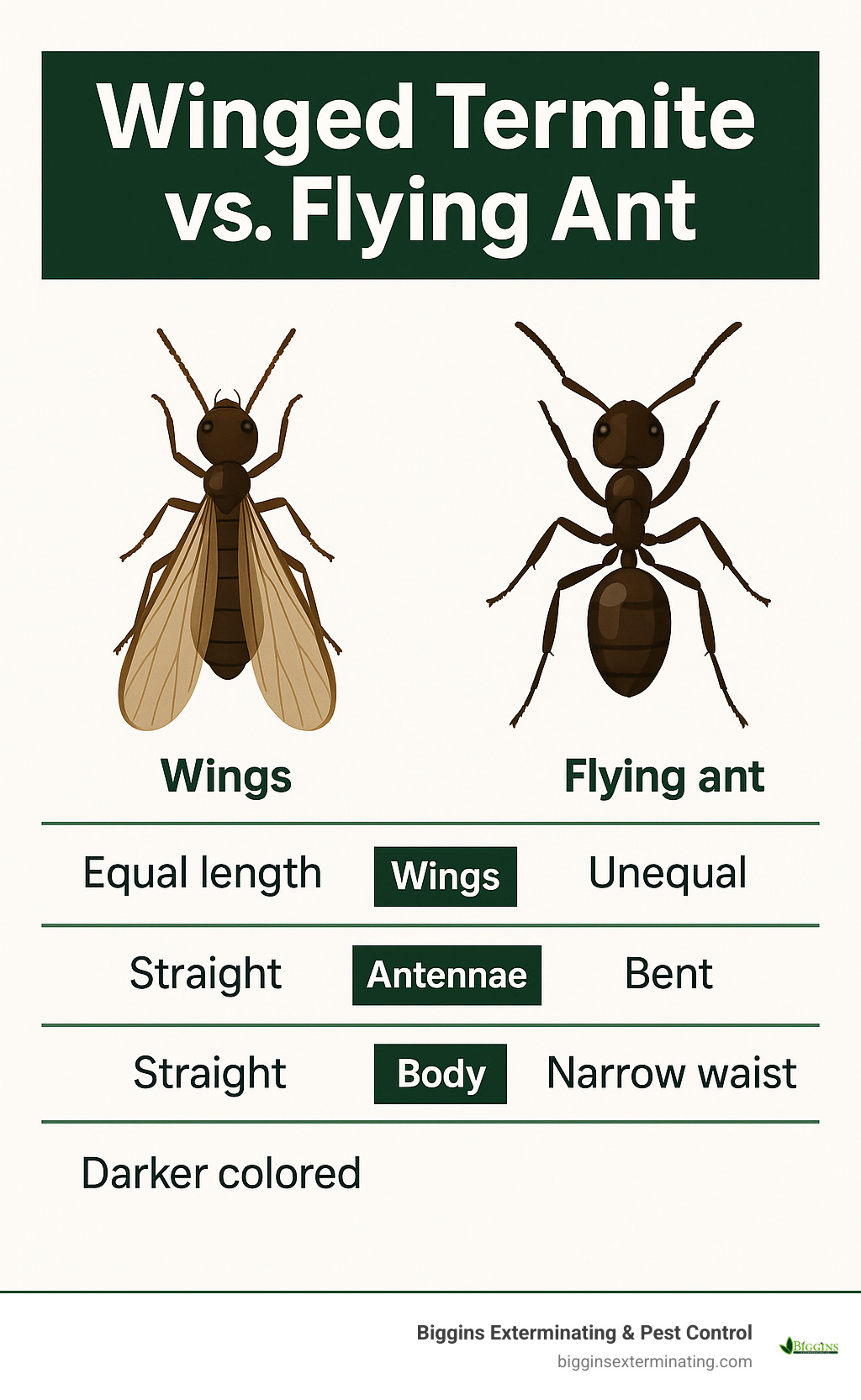
Simple guide to exterminator for termites terms:
- how do you know if you have termites
- how to get rid of termites permanently
- termite barrier treatment
What Are Termites and Why Are They a Threat?
Termites are small insects that live in large colonies and feed on cellulose, the primary component of wood, paper, and other materials in your home. Their constant chewing can compromise your home’s structural integrity, weakening foundations, floors, and walls. This damage is not only costly—averaging $3,000 in repairs per homeowner—but it’s also rarely covered by insurance.
Given that termites are active in every state except Alaska, it’s a matter of ‘when,’ not ‘if,’ your home might face a threat. Swift action from a professional exterminator for termites is critical to protect your property. For more details, see our guide on The Dangers of Termites and How to Prevent Them in Massachusetts.
Common Termite Types and Their Challenges
Understanding the different termite types helps in creating an effective treatment plan. The main culprits include:
- Subterranean Termites: The most common and destructive type in the U.S. They live underground, require moisture, and build mud tubes to access your home’s wood. Learn more about them in our resource on Subterranean Termites.
- Drywood Termites: These termites infest dry wood directly, without needing soil contact. They are often found in attics and furniture and can be hard to detect.
- Dampwood Termites: Attracted to wood with high moisture content, they are less common in homes but can cause damage if leaks or ventilation issues exist.
- Formosan Termites: A highly aggressive subterranean species, known as “super termites.” Their massive colonies can cause rapid and extensive damage, requiring a strategic treatment approach.
A professional inspection is the first step to identify the species and determine the best course of action.
Identifying a Termite Invasion
Termites are sneaky, often working for months or years before being finded. However, they do leave clues. Knowing what to look for can help you spot an infestation early and call an exterminator for termites before significant damage occurs.
Telltale Signs of Termite Activity
Be a detective in your own home by looking for these common warning signs:
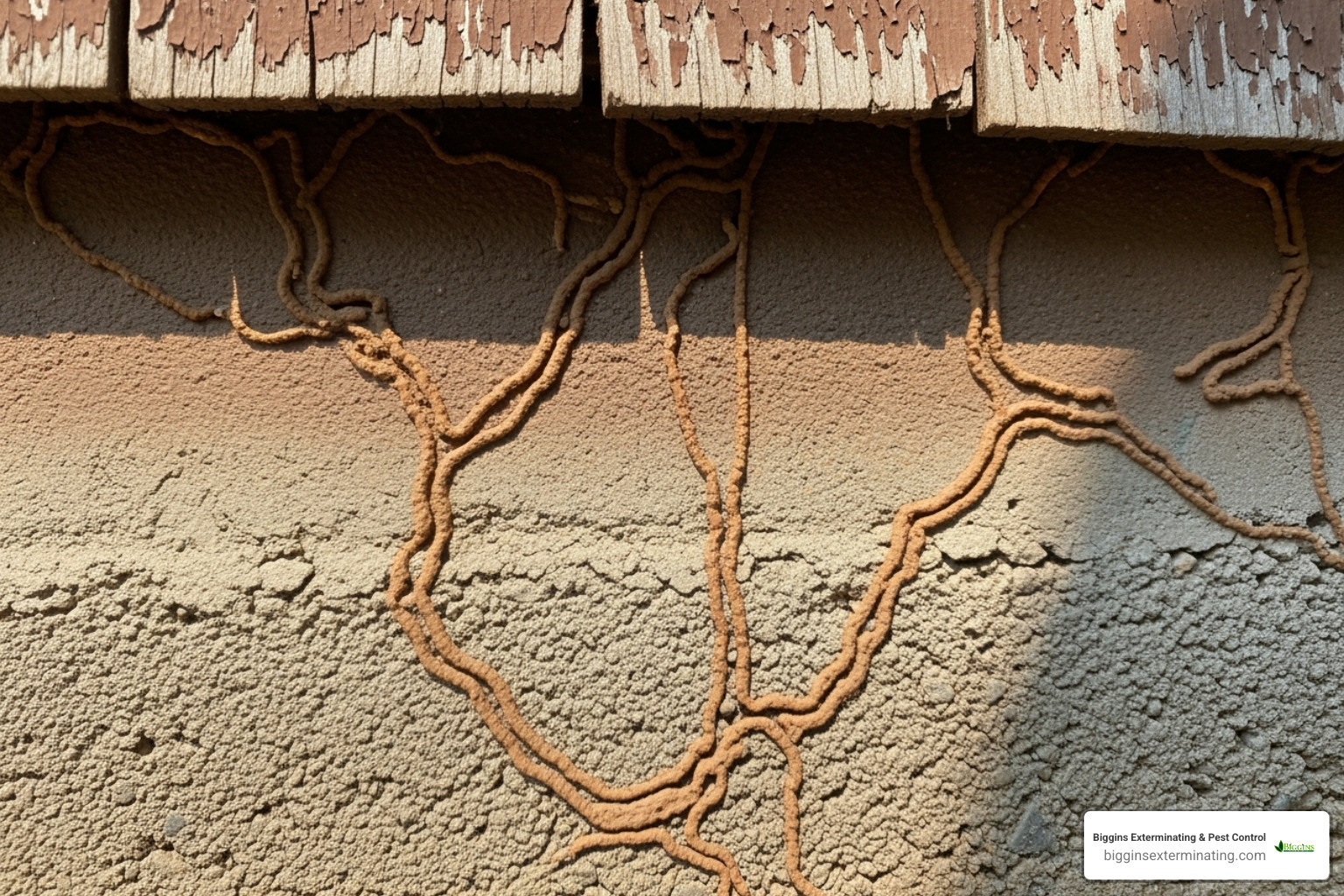
- Mud Tubes: These pencil-sized tunnels on your foundation, walls, or beams are highways for subterranean termites to travel from their underground nest to the wood in your home.
- Discarded Wings: Piles of small, translucent wings near windows or light fixtures are a sign that a termite swarm has occurred to start a new colony.
- Frass: This is termite droppings, which often look like small piles of sawdust or coffee grounds. It’s a key indicator of drywood termites.
- Hollow-Sounding Wood: If you tap on baseboards or door frames and they sound hollow or papery, it’s because termites have eaten the wood from the inside out.
- Warped Wood or Bubbling Paint: Termite activity can introduce moisture, causing wood to warp and paint to bubble or peel.
- Sticking Doors and Windows: Damage to wooden frames can cause them to distort, making doors and windows difficult to open and close.
If you notice any of these signs, don’t wait. Our guide on How to Tell if You Have Termites offers more details.
Simple Steps for Termite Prevention
While no home is completely termite-proof, you can make yours much less attractive to them with these simple steps:
- Control Moisture: Fix leaky pipes and ensure proper ventilation in crawl spaces and basements. Termites thrive in damp conditions.
- Eliminate Wood-to-Soil Contact: Keep a clearance of at least a few inches between any wood on your home (siding, deck posts) and the ground.
- Store Firewood Properly: Keep firewood at least 20 feet from your house and liftd off the ground.
- Conduct Regular Inspections: Periodically walk around your foundation and check crawl spaces for mud tubes or moisture issues.
- Seal Entry Points: Seal cracks in the foundation and gaps around pipes where termites could enter.
- Maintain Gutters: Ensure gutters direct water away from your foundation to prevent moisture buildup.
These preventative measures can significantly reduce your risk. For a deeper dive, explore our complete guide on How to Prevent Termites.
The Professional Exterminator for Termites: Process and Preparation
Knowing what to expect when you call a professional exterminator for termites can ease your stress. A reputable service follows a methodical process to ensure the treatment is both smooth and effective.
What to Expect from a Professional Service
Professional termite control is a multi-step process designed for long-term success.
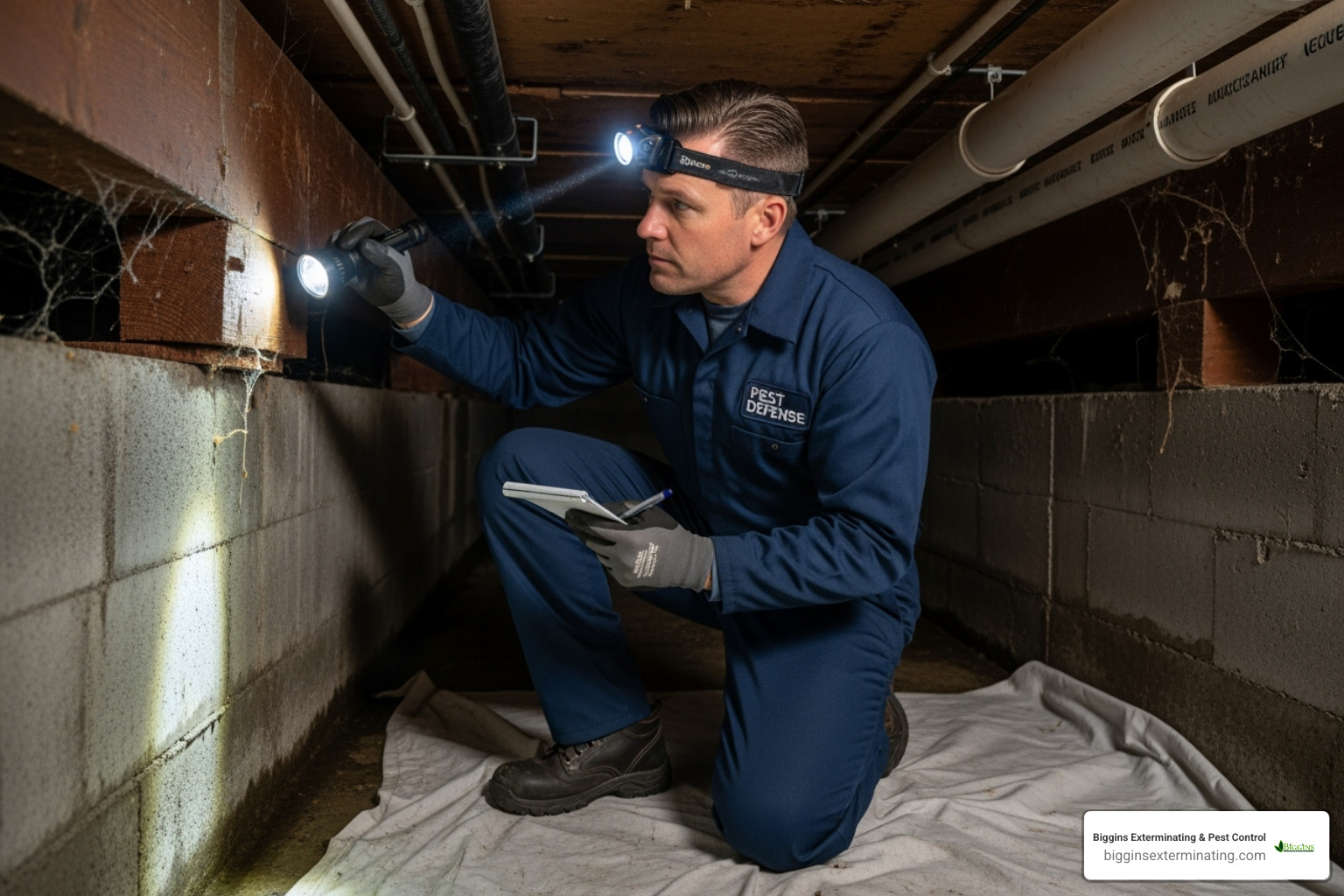
- Initial Inspection: A technician conducts a thorough examination of your foundation, crawl spaces, and other key areas to find active termites, identify damage, and spot conditions that attract pests.
- Species Identification: Different termite species require different treatments. A trained technician will identify the specific type of termite to determine the most effective approach.
- Customized Treatment Plan: Based on the inspection, a unique plan is developed for your home. This includes the recommended methods, a clear explanation of the process, and a timeline.
- Professional Treatment Application: Licensed technicians use professional-grade equipment and products to apply the treatment safely and effectively.
- Follow-Up & Monitoring: Termite control often requires follow-up visits to monitor bait stations or check on protective barriers, ensuring the colony is eliminated and your home remains protected.
For more details on our process, visit our Termite Inspection Services page.
How to Prepare Your Home for Treatment
A little preparation helps ensure the treatment is as efficient as possible. Here’s what you can do:
- Provide Clear Access: Move stored items, furniture, and other obstacles away from the foundation perimeter and any interior treatment areas.
- Trim Landscaping: Cut back shrubs or plants growing close to the foundation to give technicians room to work.
- Ensure Pet Safety: Keep pets away from treated areas during and immediately after application. Your technician will provide specific safety instructions.
- Follow Technician Instructions: We will provide specific guidance based on your home’s layout and the treatment method. Following these steps ensures safety and maximum effectiveness.
Proper preparation leads to a smoother process and faster results. For more tips, see our guide on How to Prepare Your Home for Pest Control Treatment in Massachusetts.
Treatment Showdown: Professional Methods vs. DIY Attempts
When facing a termite invasion, the temptation to try a DIY fix is understandable. However, termites are not a typical pest. Their hidden, organized colonies require a level of treatment that store-bought products can’t provide. This is why professional help from an exterminator for termites is your best bet for effective, long-term protection.
Professional Termite Treatment Options
Professionals use sophisticated methods customized to your specific infestation.
- Liquid Soil Treatments: A liquid termiticide is applied to the soil around your foundation, creating a continuous protective barrier. This is highly effective against subterranean termites, killing or repelling them on contact.
- Termite Baiting Systems: Bait stations with a slow-acting agent are placed around your property. Foraging termites carry the bait back to the nest, eliminating the entire colony from the inside out, including the queen.
- Termite Fumigation (Tenting): For severe drywood termite infestations, the entire home is sealed under a tent and treated with a gas fumigant that penetrates all wood structures.
Here’s how the two most common methods compare:
| Feature | Liquid Barrier Treatments | Baiting Systems |
|---|---|---|
| Primary Target | Subterranean Termites (immediate protective zone) | Subterranean Termites (targets entire colony) |
| Application Method | Applied to soil around foundation | Bait stations installed in the ground |
| Speed of Action | Faster initial results | Slower acting, but eliminates the colony |
| Ongoing Monitoring | Periodic re-inspection | Built-in monitoring via bait stations |
| Effectiveness | Creates a continuous protective barrier | Excellent for total colony elimination |
We specialize in comprehensive Termite Barrier Treatment designed to protect your home effectively.
Why You Need a Professional Exterminator for Termites Over DIY
DIY methods often fail and can even make the problem worse. Here’s why professional service is critical:
- Ineffective Products: Store-bought sprays and baits only kill the few termites you see, leaving the hidden colony and queen untouched.
- Inability to Reach the Colony: Professionals use specialized equipment to reach nests deep underground or within walls, something impossible with DIY tools.
- Safety Risks: Termiticides are powerful chemicals that require professional training and equipment to be applied safely without risk to your family or the environment.
- Lack of a Guarantee: Professional treatments come with warranties. If termites return, we do too—at no extra cost. DIY provides no such assurance.
Given the high cost of termite damage, investing in professional treatment is the smart financial choice. Learn more about The Importance of Hiring a Professional Pest Control Service in Massachusetts.
Decoding the Cost and Guarantees of Termite Control
Understanding the financial side of termite control helps you make the best decision for your home. While professional treatment is an investment, it’s a fraction of the cost of repairing extensive termite damage.
How Much Does a Termite Exterminator Cost?
Based on internet data, professional termite treatment can range from $900 to over $3,000. Please note these are average estimates, not Biggins Exterminating pricing, as every situation is unique.

Several factors influence the final cost:
- Home Size: Larger homes require more product and labor.
- Infestation Severity: A small, new infestation is less costly to treat than a large, established one.
- Treatment Type: Liquid barriers, baiting systems, and fumigation have different costs.
- Geographic Location: Regional labor costs and termite pressure affect pricing.
Considering the average homeowner spends around $3,000 on termite damage repairs alone, professional treatment from an exterminator for termites is a wise financial decision. Learn more about our approach on our Affordable Pest Control Services page.
Understanding Termite Warranties and Guarantees
A key benefit of hiring a professional exterminator for termites is the peace of mind that comes with a guarantee. This is something DIY methods can’t offer.
- Re-treatment Guarantees: This is an industry standard. If termites return within the warranty period (often 1-5 years), the company will re-treat at no additional cost.
- Damage Repair Bonds: Some companies offer to cover the cost of new termite damage that occurs during the warranty period, up to a certain limit.
- Annual Inspection Contracts: These plans provide ongoing protection through regular check-ups and often include re-treatment guarantees.
Always read the contract terms carefully to understand the warranty’s length, coverage, and any exclusions. At Biggins Exterminating, we stand behind our work with solid warranties that provide real peace of mind without locking you into long-term contracts.
For more general information on termite control, you can visit termite.com for additional resources.
How to Choose the Right Termite Control Company
Choosing the right exterminator for termites is crucial for protecting your home. It’s a decision that impacts your property’s safety and your peace of mind. Here’s what to look for in a termite control partner.
Finding a Reputable Exterminator for Termites
Don’t make a hasty decision. A quality company should meet these criteria:
- Licensing and Insurance: Verify they are licensed by the state and carry full liability and workers’ compensation insurance to protect you.
- Years of Experience: An experienced company has invaluable hands-on knowledge of termite behavior and effective treatment methods. Our 40+ years in Massachusetts is a testament to our expertise.
- Customer Reviews: Check online reviews and ask for references. Consistent positive feedback is a strong indicator of reliable service.
- Detailed Treatment Proposal: A trustworthy exterminator will provide a comprehensive proposal after a thorough inspection, outlining their findings, recommended treatment, costs, and warranty.
- Integrated Pest Management (IPM): Ask if they use an IPM approach, which focuses on long-term prevention and minimal chemical use.
For more tips, see our guide on How to Choose the Right Pest Control Service for Your Needs in Massachusetts.
The Value of Local Expertise
Working with a local exterminator for termites offers significant advantages over national chains.
- Knowledge of Local Pests and Climate: We understand the specific termite species in Massachusetts and how our regional climate affects their behavior, allowing for more effective and timely treatments.
- Community Reputation: As a local, family-owned business serving areas like Wilmington, Andover, and Billerica, our reputation is our most valuable asset. We are accountable to the communities we live and work in.
- Faster Service: Being local means we can respond quickly to your needs, from the initial inspection to follow-up visits.
Local expertise ensures you get solutions custom to your area’s unique challenges. Learn more about the benefits on our Local Pest Control Services page.
Protect Your Investment with Professional Termite Control
Your home is one of your biggest investments, and it’s vulnerable to tiny insects that cause billions in damage annually. The average cost for termite damage repair is $3,000—a cost most insurance policies won’t cover. This makes professional termite control a critical part of protecting your property.
Termites work 24/7, silently weakening your home’s structure. Proactive protection provides invaluable peace of mind, knowing your foundation and support beams are safe from these relentless pests.
At Biggins Exterminating, we’ve been safeguarding homes in Massachusetts for over 40 years. As a family-owned business, we understand your home is more than just a building; it’s your family’s sanctuary. We serve Wilmington, MA, and surrounding communities like Andover, Bedford, Billerica, and Woburn with a straightforward approach: effective results and trustworthy warranties, without locking you into long-term contracts.
Don’t wait for tiny invaders to cause a costly nightmare. Act now to protect your investment. Your home deserves the shield that comes from decades of experience and a commitment to your satisfaction.
Get professional termite pest control today!
