Why Effective Pest Control Management Matters for Your Home
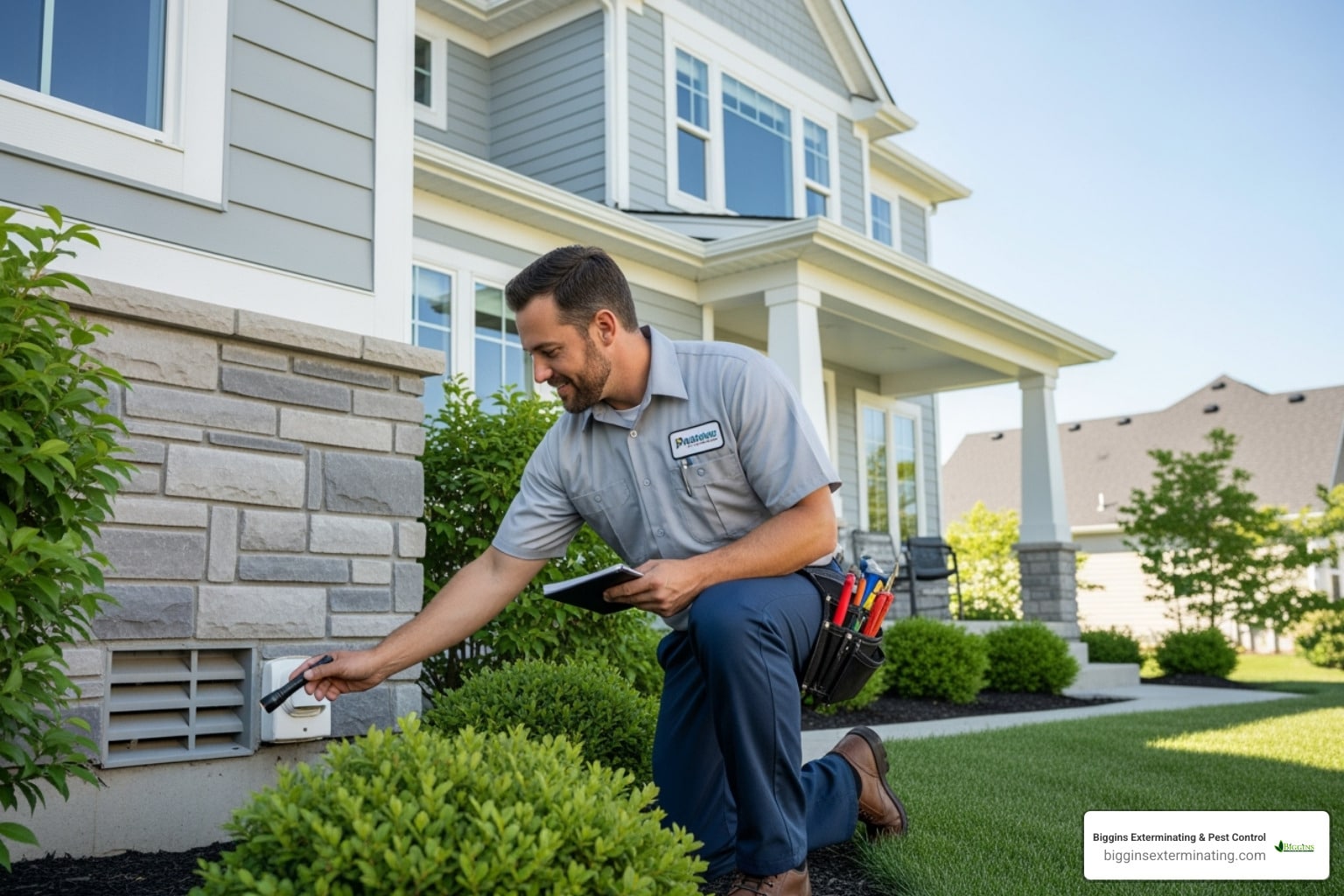
Effective pest control management is crucial for a safe and comfortable home. This smart, eco-friendly approach focuses on long-term prevention to keep unwanted guests away for good. The goal is to understand pests, prevent infestations, use targeted solutions, and protect your family and property from damage and health risks.
Pests are more than a nuisance; they can spread diseases, trigger allergies, and damage your home. A comprehensive management plan helps you stay ahead of these problems instead of just reacting to them.
As Stephen Biggins, I’ve spent decades helping families like yours maintain pest-free homes. My experience in pest control management ensures your home stays safe and secure.
Essential pest control management terms:
What is Integrated Pest Management (IPM)?
Integrated Pest Management (IPM) is a smart, thoughtful approach to keeping your home pest-free. Instead of just reacting to pests, IPM asks why they are there and how to prevent them from returning safely and effectively.
At its core, IPM is an environmentally sensitive approach combining common-sense practices with scientific knowledge. It aims to manage pest damage economically while minimizing hazards to people, property, and the environment. IPM builds on a long history of pest management, from ancient practices to modern science, as detailed in The History of Integrated Pest Management. It’s a proactive strategy focused on prevention, using targeted interventions only when necessary.
IPM vs. Traditional Pest Control
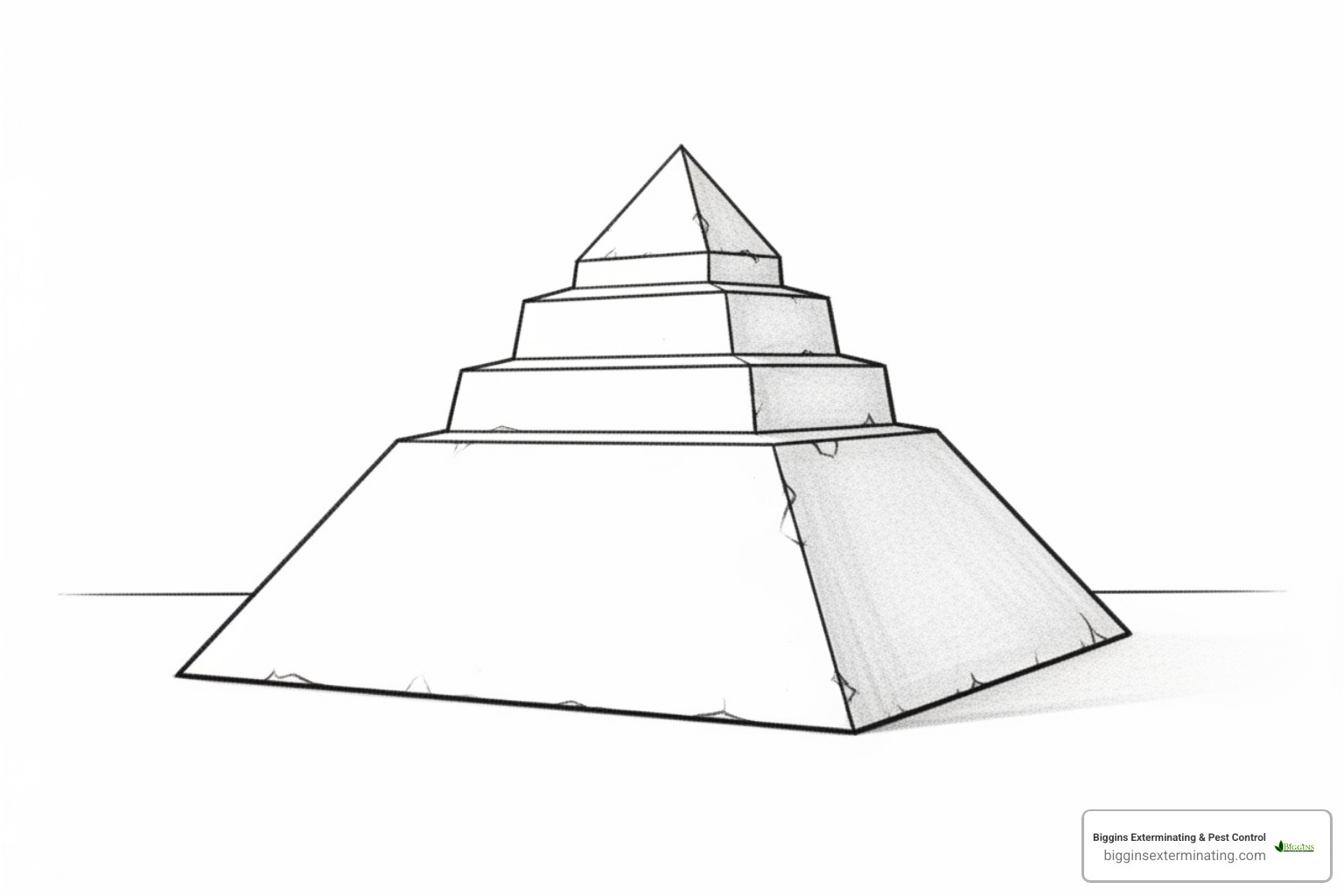
Traditional pest control is often reactive, relying on blanket spraying of chemicals to eliminate visible pests. This “spray first” mentality can provide a quick fix but often fails to address the root cause, leading to recurring infestations.
IPM is proactive, focusing on why pests are present and preventing them from returning. It minimizes pesticide reliance, using chemicals only as a last resort. This approach is more sustainable and effective long-term.
| Feature | Traditional Pest Control | Integrated Pest Management (IPM) |
|---|---|---|
| Pesticide Reliance | Heavy, often broadcast spraying of chemicals. | Minimal, targeted use of pesticides as a last resort. |
| Long-Term Effect | Often temporary, requiring repeated applications. | Focuses on long-term prevention and sustainable solutions. |
| Environmental Impact | Higher risk of harm to non-target species and environment. | Lower risk, prioritizing eco-friendly and least-toxic methods. |
| Cost-Effectiveness | Can be higher due to repeat treatments and potential damage. | Often more economical in the long run due to prevention and reduced chemical use. |
By focusing on the ecosystem, IPM breaks the cycle of dependency on chemical treatments and provides a more sustainable solution.
Benefits of an IPM Approach
For over 40 years, I’ve seen the transformative benefits of IPM for Massachusetts families.
- Human Health: IPM significantly reduces pesticide use, minimizing your family’s exposure to potentially harmful chemicals. This is crucial for homes with children, pets, or individuals with health sensitivities.
- Environmental Protection: By using fewer broad-spectrum chemicals, IPM protects beneficial insects and pollinators, preserving the natural balance of your yard.
- Long-Term Effectiveness: IPM addresses the root causes of pest problems—like entry points and food sources—for lasting results, unlike the temporary fixes of traditional methods.
- Cost Savings: While not always immediate, IPM saves money over time through fewer emergency treatments, reduced chemical use, and prevention of property damage. It also helps you avoid The Dangers of DIY Pest Control, which can be costly.
At Biggins Exterminating, our reputation is built on this thoughtful approach. We focus on creating a healthier, more sustainable environment for your family.
The 6 Steps of an Effective Pest Control Management Program
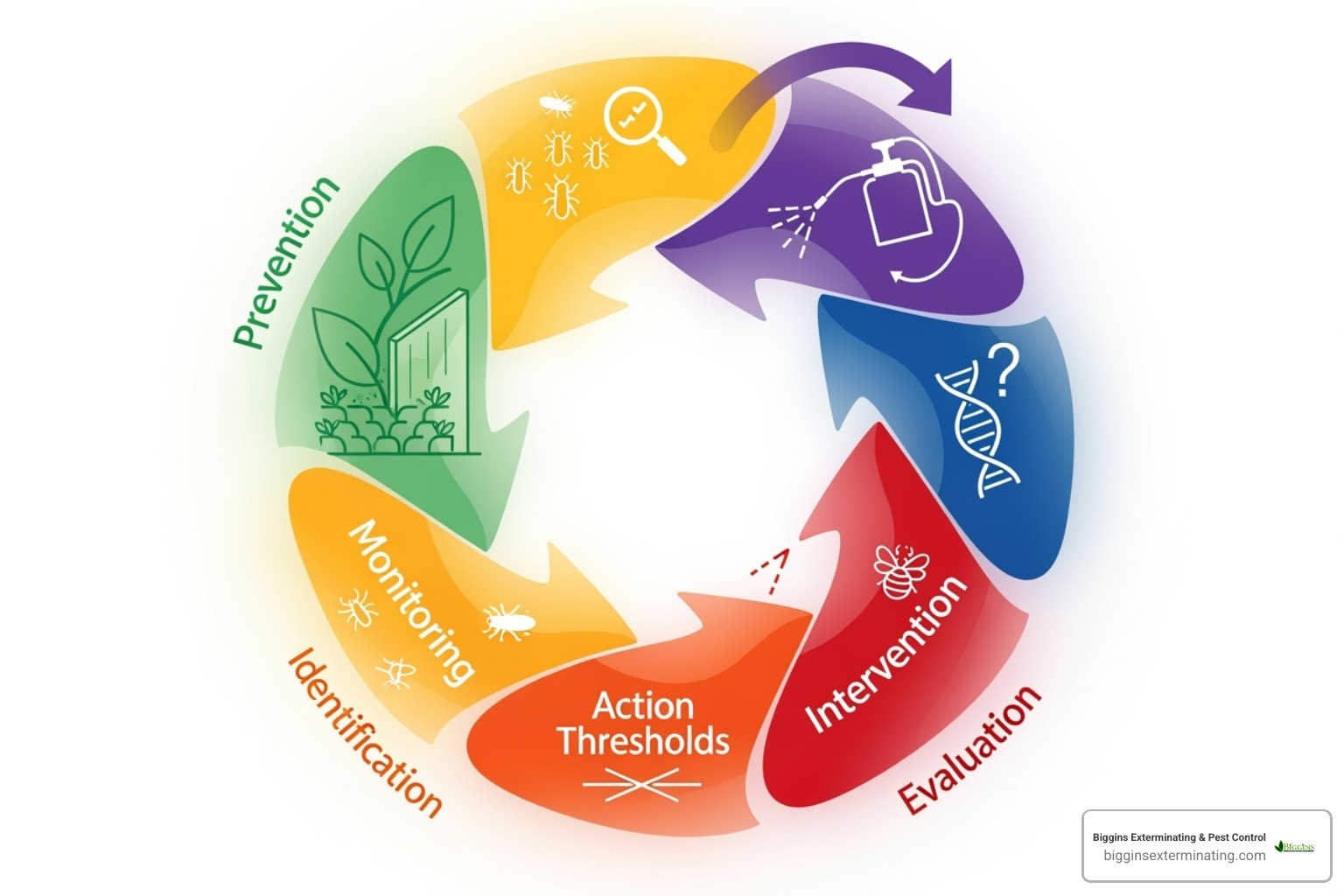
At Biggins Exterminating, our pest control management is built on a six-step IPM approach. This proactive, continuous cycle uses data-driven decisions to keep your home protected.
Step 1: Prevention
Prevention is the foundation of any great pest control management plan. The goal is to make your home as uninviting as possible to pests.
This starts with exclusion techniques, like sealing cracks in the foundation, gaps around pipes, and openings near doors and windows. A mouse can squeeze through a dime-sized hole, so every seal counts. Next is sanitation: fixing leaky pipes, keeping food in sealed containers, and taking out the trash regularly eliminates food and water sources. Finally, yard maintenance is key. Trimming bushes away from the house, eliminating standing water, and storing firewood away from the foundation deters pests like termites and mosquitoes. For more tips, see our guide on How to Prepare Your Home for Pest Control Treatment.
Step 2: Accurate Pest Identification
You can’t solve a pest problem without knowing what you’re dealing with. Accurate pest identification is critical for effective pest control management.
Understanding a pest’s biology and behavior helps us choose the right treatment. For example, treating subterranean termites is very different from treating drywood termites. We dig into Understanding Lifecycle and Behavior of Pests to ensure our plan is spot-on. It’s also vital to distinguish pests from beneficial insects to avoid harming the ‘good guys’ in your yard. Misidentification can lead to ineffective treatments and wasted money, which is why knowing How to Distinguish Carpenter Ants from Termites is so important.
Step 3: Monitoring
Once we identify the pest, we monitor its activity to catch problems early. This involves regular inspections for signs like droppings, nests, or damage. The Importance of Regular Pest Inspections can’t be overstated.
We may use traps to track pest presence, numbers, and movement. By documenting our findings, we can make informed decisions. Monitoring helps determine if a single pest is just a visitor or part of a growing infestation. Homeowners can help by learning the Signs That You Have a Pest Infestation and alerting us right away.
Step 4: Setting Action Thresholds
A key part of IPM is setting action thresholds—deciding when it’s time to act. We don’t react to every single pest. Instead, we work with you to determine your tolerance levels. A single ant may not require action, but a trail of them into your pantry does.
We consider the economic threshold (preventing costly property damage from termites or rodents), aesthetic damage, and health risks. Pests like cockroaches or rodents carry diseases, so their presence often requires immediate action, regardless of population size. By deciding when to act, we avoid unnecessary pesticide use.
Step 5: Choosing Control Methods
When action is needed, we choose the right control methods, always starting with the least-risky options. This multi-pronged approach is a hallmark of effective pest control management.
Our methods include:
- Biological Controls: Using natural enemies of pests.
- Cultural Controls: Modifying the environment to make it less attractive to pests.
- Mechanical/Physical Controls: Using barriers, traps, or direct removal.
- Chemical Controls: Using pesticides in a targeted way as a last resort.
Understanding this balanced approach is key. For more tips, see How to Choose the Right Pest Control Service.
Step 6: Evaluation
The final step is evaluation. We constantly check how well our strategies are working and make adjustments as needed to ensure our pest control management remains effective.
This includes follow-up monitoring to see if pest populations have declined. If a strategy isn’t working, we adjust our approach. We keep detailed records of what worked and what didn’t, which helps us fine-tune our plan for the long term. This commitment to continuous improvement is why we recommend The Benefits of Regular Pest Control Maintenance.
A Closer Look at Pest Control Methods
Effective pest control management employs a diverse toolkit, combining various strategies to achieve long-term suppression of pest populations. We don’t just rely on one method; we use a multi-faceted approach custom to your specific situation.
Biological & Cultural Controls
These methods work with nature to create a healthy environment that discourages pests.
- Biological Controls: This uses natural enemies (predators, parasites) to control pests. For example, ladybugs eat aphids. Using beneficial insects is a cornerstone of eco-friendly pest control. You can learn more from resources like the Natural Enemies Handbook.
- Cultural Controls: These practices make the environment less favorable for pests. For homeowners, this includes proper lawn care, good drainage, and choosing plants that naturally deter pests. In agriculture, crop rotation can reduce some pest populations by up to 95%.
Mechanical & Physical Controls
These methods physically remove pests or create barriers to block them.
- Traps: Sticky traps, snap traps, and other types are effective for monitoring and reducing pest populations.
- Barriers and Exclusion: Sealing cracks, installing screens, and using door sweeps are simple, effective ways to keep pests out.
- Other Methods: Strategic use of mulches, innovative sterilization techniques (which have reduced rat populations by 43% in some urban tests), and direct physical removal (like vacuuming) are also part of this category.
Our Rodent Control Services effectively use many of these mechanical and physical controls.
The Role of Chemical Control in Pest Control Management
While IPM prioritizes non-chemical methods, chemical controls (pesticides, insecticides, etc.) are used judiciously as a last resort.
- Responsible Use: We emphasize minimal, targeted application, selecting products with the lowest possible impact on non-target organisms, people, and pets. We always follow label directions.
- Targeted Application: We avoid broad-spectrum spraying, instead treating only affected areas or using baits in specific locations.
- Last Resort: Chemicals are used only when other methods fail to control pests below the action threshold or when there’s an immediate health or property risk. We also offer Green Pest Control options.
For more on safety, the EPA offers a guide on Pest Control and Pesticide Safety for Consumers.
Applying Pest Management and Understanding Regulations
Pest control management isn’t a one-size-fits-all approach. The principles of IPM adapt to different environments, from homes and businesses to agricultural and urban settings. Each context has unique challenges.
Understanding the regulatory landscape is equally important. The rules governing pest control management exist to protect people, communities, and the environment, ensuring all treatments meet strict safety and effectiveness standards.
Key Considerations for Residential Pest Control Management
Your home is your sanctuary. Residential pest control management requires a special touch to safeguard your family.
Common household pests in Massachusetts like ants, mice, and termites pose unique challenges. Ants contaminate food, mice spread disease and create fire hazards by chewing wires, and termites cause silent, costly structural damage. We offer specialized services for each, including Ant Extermination, Mice Pest Control, and Termite Pest Control.
Pet and family safety is our top priority. We select methods and products that minimize risk and provide clear safety instructions. Our Pest Control Tips for Pet Owners offers specific guidance.
Health risks from pests are serious. Cockroaches can trigger asthma, rodents carry diseases like salmonella, and some insects can sting or bite. Our IPM approach focuses on eliminating these hazards to create a safer living environment.
The Role of Regulatory Bodies like the EPA
The Environmental Protection Agency (EPA) regulates pest control practices in the U.S. to protect human health and the environment.
Pesticide regulation is a crucial process. The EPA rigorously tests pesticides before they can be sold, establishing detailed label requirements for safe and effective use. These safety standards are backed by science and consider risks to people, pets, and the environment.
Compliance and enforcement, in partnership with state agencies, ensure all pest control services operate responsibly. The EPA also performs regular re-evaluation of registered pesticides to ensure they meet current scientific standards. This dynamic process ensures pest control management continually improves.
At Biggins Exterminating, we follow all regulations to provide the highest standard of service. For more information, see the EPA’s Citizen’s Guide to Pest Control and Pesticide Safety or our guide on Understanding Regulations and Laws Related to Pest Control.
Frequently Asked Questions about Pest Management
Here are some of the most common questions we encounter, answered with our best advice.
What is the difference between pest control and pest management?
While the terms are often used interchangeably, there’s a key distinction. Pest control is typically reactive, focusing on eradicating a current pest problem. It’s a one-time fix.
Pest management, particularly Integrated Pest Management (IPM), is a proactive, long-term strategy. It uses multiple tactics—like prevention, monitoring, and understanding pest biology—to keep pest populations below a damaging level. Pest control management is the comprehensive approach that provides lasting protection for your home.
Is it possible to completely eliminate all pests from my property?
For certain indoor pests that pose significant health risks, like cockroaches or bed bugs, our goal is complete elimination from your living space. However, for outdoor environments and some common household pests, total elimination is rarely possible or desirable. The goal of pest control management is to reduce pest populations to an acceptable level where they no longer threaten your health, property, or peace of mind. This approach is more sustainable, cost-effective, and environmentally friendly than attempting total eradication.
When should I call a professional for pest control?
While DIY methods can work for minor issues, you should call a professional when:
- You have recurring pest problems.
- You’re dealing with pests that pose significant health or property risks (e.g., termites, rodents, stinging insects).
- Your DIY methods have failed.
- You’re uncomfortable handling pesticides or the pests themselves.
- You’re unsure of the pest type or the extent of the infestation.
Professional services like ours ensure safe, effective, and long-term treatment. We have the expertise and tools to handle tough infestations. Learn more about Hiring a professional.
Regarding cost, a one-time general treatment can range from $150 to $500 on average, with more extensive services for pests like termites costing more. Please remember, these are average costs based on internet data and not actual costs for Biggins Exterminating services. We provide transparent, custom pricing after an assessment.
Conclusion
Effective pest control management is a balanced, thoughtful approach that protects your home and the environment. As we’ve shown, Integrated Pest Management (IPM) uses prevention, identification, monitoring, and targeted treatments to create lasting, effective solutions.
Instead of just reacting to symptoms, IPM addresses the root causes of pest problems. This long-term thinking keeps your family safe and your home comfortable.
For over 40 years, our family-owned team at Biggins Exterminating has built our reputation on this thoughtful approach. We understand that your home is your sanctuary and treat it with the care it deserves. Our reliable pest and rodent control services are designed around your needs, with no contracts required and satisfaction guaranteed.
Whether you have a current pest issue or want to prevent future ones, we’re here to help.
Ready to experience the difference professional pest control management can make? For comprehensive and reliable pest control and exterminating services, contact our experts today!