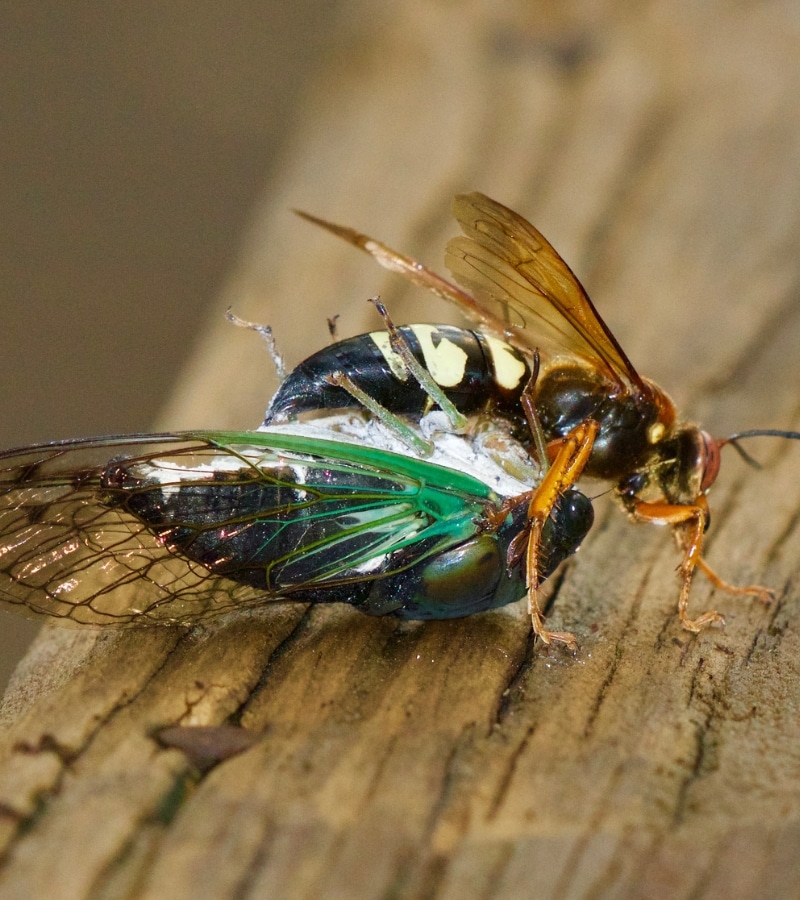
Cicada killers, also known as ground digger wasps, can be a surprising visitor to your yard during the summer months. Most homeowners, like Helen in Massachusetts, want effective solutions to keep these large, buzzing insects at bay. If you’re looking for cicada killer repellent, here are some simple tips:
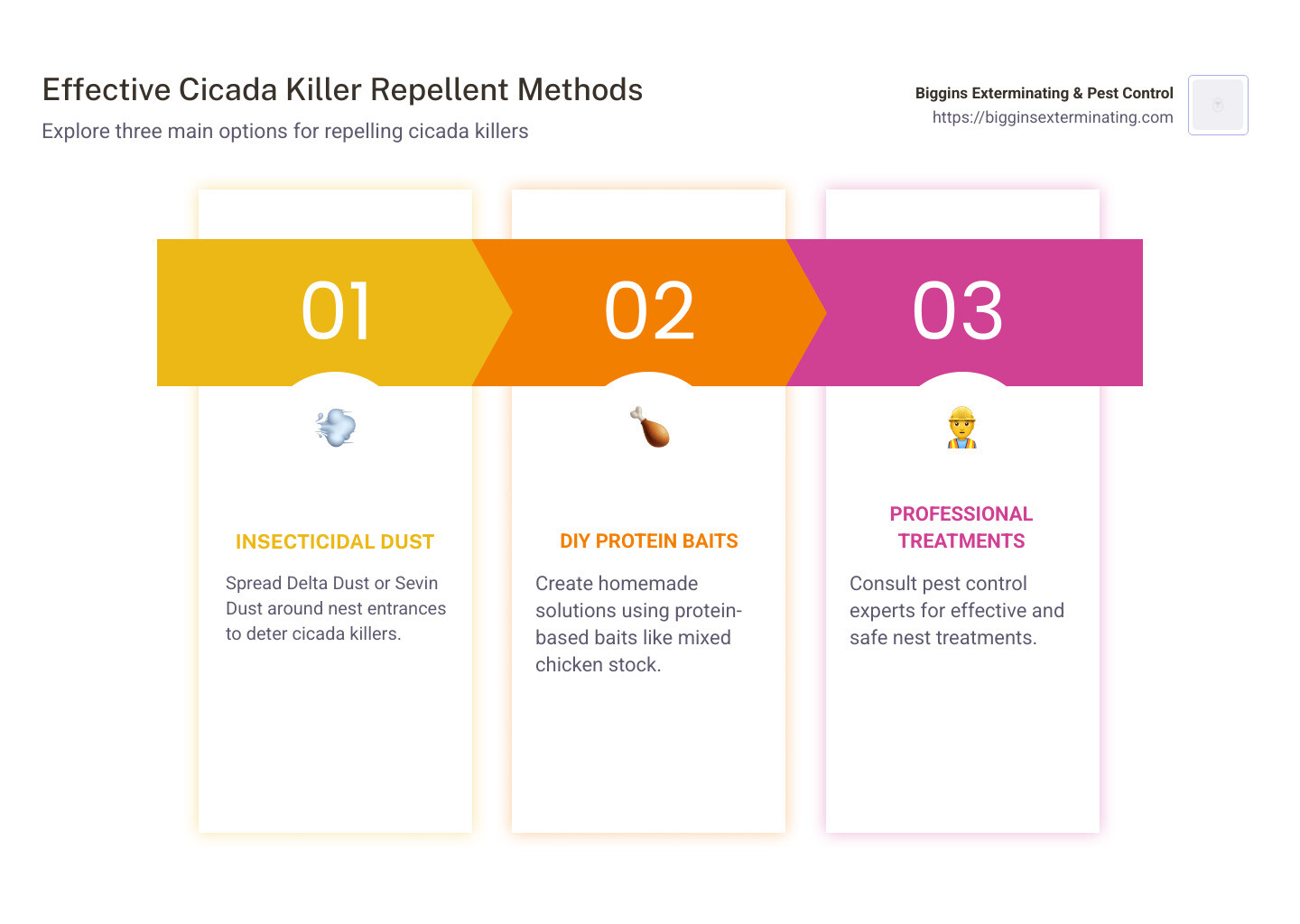
- Use insecticidal dust products like Delta Dust or Sevin Dust around the entrance of their nests.
- Try DIY methods using protein-based baits like mixed chicken stock.
- Seek professional treatments that guarantee effectiveness and safety.
These methods aim to manage and repel cicada killers, helping you enjoy a peaceful, wasp-free environment.
As the owner of Biggins Exterminating & Pest Control, my journey with pest management began over four decades ago, when my father founded our family company. With experience in cicada killer repellent, I am committed to providing reliable and transparent services to Massachusetts homeowners, ensuring their properties remain safe and serene.
Understanding Cicada Killers
Cicada killers, often mistaken for hornets or large bees, are fascinating yet intimidating creatures. Let’s break down their key traits and habits to help you understand them better.
Identification
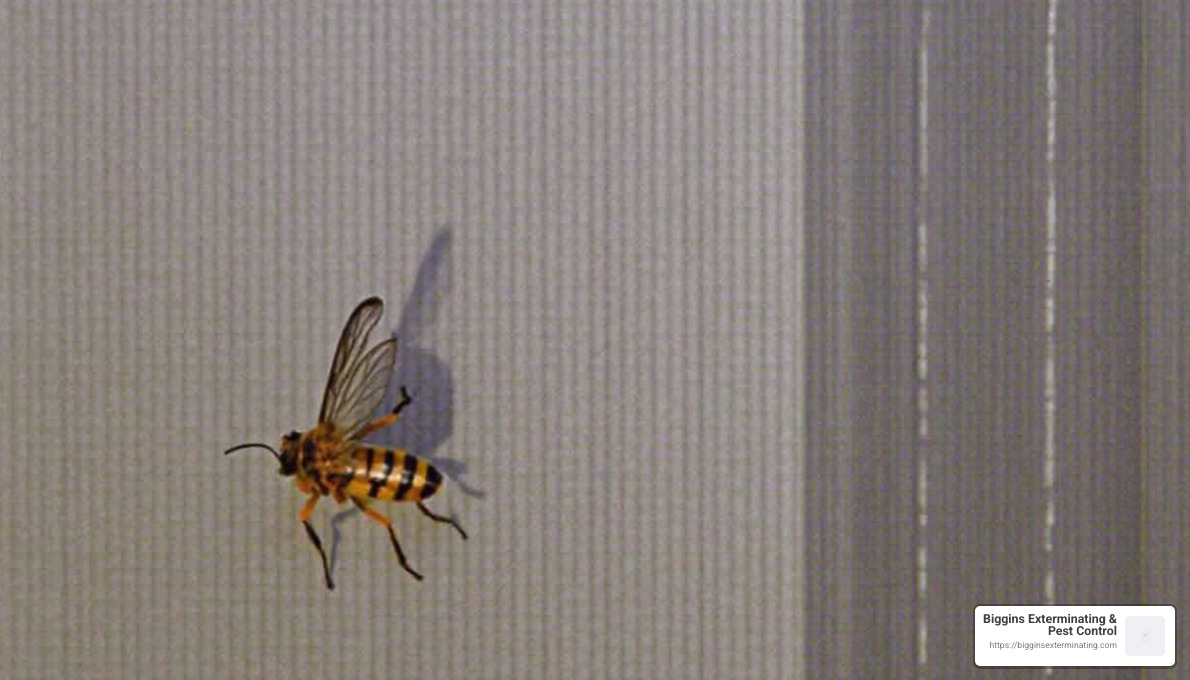
Cicada killers are some of the largest wasps found in North America, measuring between 1.5 to 2 inches in length. They have a distinctive appearance with a black body and bright yellow stripes on their abdomen. Their large, brownish-orange wings and prominent red eyes make them easy to spot.

Behavior
Despite their daunting size, cicada killers are solitary wasps. This means they don’t live in colonies like other wasps and bees. Most of the wasps you see flying around are males, which cannot sting. They might buzz around your face or dive-bomb you, but it’s all for show. Female cicada killers, on the other hand, are capable of stinging, but they usually only do so if they feel threatened.
These wasps are named for their unique hunting practice. Female cicada killers hunt cicadas, using a precise sting to paralyze them. They then drag their prey back to their nest to provide food for their larvae.
Nesting Habits
Cicada killers prefer sandy or loose soil to dig their nests. Each female creates her own burrow, which can be 12-18 inches long and reach a depth of 6-10 inches. The entrance to these tunnels is usually marked by a small mound of dirt. Inside, the female creates several cells where she deposits paralyzed cicadas and lays her eggs.
These nests can sometimes appear in large groups, with multiple burrows in a single area, but they are not social insects. Each wasp works independently.
Understanding these traits can help you identify and manage cicada killers more effectively. With this knowledge, you can take steps to minimize their presence in your yard.
Cicada Killer Repellent Options
When it comes to dealing with cicada killers, using the right cicada killer repellent can make all the difference. Here are some of the most effective options you can consider:
Delta Dust
Delta Dust is a popular choice for controlling cicada killers. This insecticidal dust contains deltamethrin, a powerful ingredient known for its effectiveness against a wide range of pests. Delta Dust works by clinging to the wasps as they enter and exit their nests. Once in contact, it disrupts their nervous system, leading to their eventual demise.
- Application: Apply directly into the burrow entrance.
- Benefits: Long-lasting and water-resistant, making it ideal for outdoor use.
Sevin Dust
Sevin Dust is another widely recommended option. It contains carbaryl, which is effective in eliminating cicada killers. This dust works by interfering with the insect’s nervous system, similar to Delta Dust.
- Application: Sprinkle directly into the nest entrance. It’s crucial to follow all label instructions for safe use.
- Benefits: Known for its quick action and effectiveness in killing wasps on contact.
Insecticidal Dust
Insecticidal dusts, like Delta Dust and Sevin Dust, are generally favored for their ease of use and effectiveness. They are especially useful for targeting cicada killer burrows directly. By applying dust into the nests, you ensure that the wasps come into contact with the repellent as they move in and out.
- Advantages:
- Targeted Application: Focus on specific burrows without affecting surrounding areas.
- Residual Effects: Continue to work long after application, ensuring ongoing protection.
When using any insecticidal dust, always wear protective clothing and follow safety guidelines. These products are designed for outdoor use and should be applied with caution to avoid harm to beneficial insects and pets.
By choosing the right cicada killer repellent, you can effectively manage these wasps and prevent them from becoming a nuisance in your yard.
DIY Cicada Killer Repellents
If you prefer a hands-on approach to dealing with cicada killers, there are several homemade solutions you can try. These methods use common household items and are easy to prepare.
Homemade Solutions
Creating a homemade cicada killer repellent can be as simple as mixing a few ingredients you likely already have at home. One effective method involves using a mixture of water and dish soap.
- Ingredients:
- 1 quart of water
-
2 tablespoons of dish soap
-
Application:
- Mix the water and dish soap in a spray bottle.
- Spray directly into the burrow entrance during the evening when the wasps are less active.
This mixture works by suffocating the wasps and is a gentle alternative to chemical insecticides.
Protein Bait
Cicada killers are attracted to protein sources. You can use this to your advantage by setting up protein baits to lure them away from your yard.
- Ingredients:
-
Raw meat scraps or canned cat food
-
Application:
- Place small amounts of protein bait in areas away from where people frequent.
- Monitor and replace the bait as needed.
While this method won’t kill the wasps, it can help reduce their presence by drawing them away from your home.
Chicken Stock
Another creative option is using chicken stock as a deterrent. The strong smell can confuse and repel wasps.
- Ingredients:
-
Chicken stock (homemade or store-bought)
-
Application:
- Pour chicken stock into a shallow dish and place it near the burrows.
- Replenish the stock every few days to maintain its effectiveness.
Chicken stock is an eco-friendly way to discourage wasps from nesting in your yard without harming them.
These DIY solutions offer a more natural and budget-friendly approach to managing cicada killers. However, for severe infestations, combining these methods with professional treatments may be necessary.
Professional Treatment Methods
When dealing with a serious cicada killer infestation, professional treatments can be highly effective. These methods target the wasps directly and help control their population in your yard.
Sylo Insecticide
Sylo Insecticide is a powerful tool in the fight against cicada killers. It contains cyclomethrin, a synthetic pyrethroid, which is effective in killing these wasps on contact.
- Application Tips:
- Mix a 0.25% emulsion using 1.3 fl. oz. per gallon of water.
- Use a sprayer set to a low-pressure pinstream to apply directly into the burrow.
- Apply in the evening when wasps are likely to be inside the nest, maximizing effectiveness.
The direct nest treatment ensures that both adult wasps and larvae are targeted, helping to break the life cycle of cicada killers.
Bifen LP Granules
For a more preventative approach, Bifen LP Granules can be spread over the affected area. These granules work by targeting the larvae, preventing the next generation of wasps from emerging.
- Application Tips:
- Spread the granules evenly over the area where nests are found.
- Water the area thoroughly to activate the insecticide.
While Bifen LP Granules won’t provide immediate results, they help ensure that cicada killers don’t return the following year. This method is ideal for those looking to protect their lawn long-term.
Direct Nest Treatment
Direct nest treatment is crucial for controlling cicada killer wasps. By applying insecticides directly into the burrows, you can effectively reduce their population.
- Steps:
- Locate the burrow entrances, which are often surrounded by small mounds of dirt.
- Use a sprayer to apply insecticide directly into the burrow.
- Seal the entrance with soil after treatment to trap the insecticide inside.
This method focuses on eliminating the wasps at their source, providing a more effective solution than surface treatments alone.
Professional treatments, when combined with cultural practices like maintaining healthy turf, can significantly reduce the presence of cicada killers in your yard. For severe infestations, consulting with pest control experts like Biggins Exterminating & Pest Control can provide custom solutions to meet your needs.
Preventing Cicada Killer Infestations
Preventing cicada killer infestations starts with maintaining a healthy lawn. These wasps prefer to dig their nests in bare or sparse areas, so keeping your grass thick and lush is key.
Lawn Maintenance
Regular lawn care can make your yard less appealing to cicada killers. Here’s how you can keep them at bay:
-
Mow Smart: Set your mower to a higher setting, around 3 to 4 inches. Taller grass is less attractive for nesting.
-
Fertilize Regularly: Use adequate lime and fertilizer to promote dense growth. This helps create a strong root system, making it harder for wasps to burrow.
-
Mulch Wisely: Apply at least 3 inches of mulch in garden beds and under shrubs. This discourages wasps from digging in these areas.
Thick Turf
A thick, healthy turf acts as a natural cicada killer repellent. Focus on these practices to achieve it:
-
Aerate Annually: Aerating your lawn improves root growth and nutrient absorption, leading to a denser turf.
-
Overseed: Overseeding can fill in thin areas, making it difficult for wasps to find bare soil to dig into.
-
Regular Maintenance: Keep up with regular mowing, fertilizing, and watering to maintain turf health.
Watering Practices
Proper watering is essential for a robust lawn that can resist cicada killers:
-
Deep Watering: Water deeply with 1 to 1.5 inches of water per session. This encourages deep root growth.
-
Consistent Schedule: Water your lawn consistently, especially during dry spells. A well-hydrated lawn is less likely to develop weak spots that attract wasps.
By focusing on these lawn care practices, you can create an environment that’s less inviting to cicada killers. If you continue to experience issues, consider reaching out to Biggins Exterminating & Pest Control for professional advice and solutions custom to your specific situation.
Frequently Asked Questions about Cicada Killer Repellents
Are cicada killer wasps dangerous?
Cicada killer wasps might look scary because of their size, but they are not dangerous to humans. Females can sting, but they only do so if they feel threatened or are mishandled. Males, on the other hand, can’t sting at all. Instead, they spend their time patrolling nesting areas and might appear aggressive, but they pose no real threat.
Should I kill cicada killers?
It’s generally not necessary to kill cicada killers. These wasps are solitary and do not pose a significant threat. They rarely sting and play a helpful role in the ecosystem by controlling cicada populations. Instead of killing them, focus on preventative measures to make your yard less attractive for nesting. If the wasps become a nuisance, professional pest control services like Biggins Exterminating & Pest Control can offer safe and effective solutions.
What is the best cicada killer repellent?
The best cicada killer repellent isn’t a one-size-fits-all solution, but several options can help manage these wasps effectively:
-
Insecticidal Dusts: Products like Delta Dust or Sevin Dust can be applied directly to the burrow entrances. These dusts target the wasps and their larvae, providing a chemical barrier.
-
DIY Solutions: For those looking for a natural approach, pouring boiling water into the burrows at night and covering them with a glass bowl can trap and suffocate the wasps.
-
Professional Treatments: For larger infestations, consider professional treatments like Sylo Insecticide or Bifen LP Granules. These products are applied to the nesting areas to prevent future infestations.
These are average solutions based on widely available data, and it’s always best to consult with a professional, like Biggins Exterminating & Pest Control, for custom advice and treatment plans.
Conclusion
At Biggins Exterminating & Pest Control, we pride ourselves on providing top-notch pest control services that ensure customer satisfaction. With over 40 years of experience in the pest control industry, our family-owned business is dedicated to keeping your home and yard free from pests like cicada killer wasps.
Our expertise in pest control means we know how to handle these intimidating wasps safely and effectively. We understand that while cicada killers are generally not dangerous, their presence can be unsettling and disruptive to your outdoor spaces. That’s why we offer custom solutions that not only address the immediate problem but also help prevent future infestations.
Our team of skilled technicians is committed to delivering reliable and efficient services without the need for long-term contracts. We provide warranties on our work, giving you peace of mind that your pest problems are being handled by professionals who care about the results.
If you’re dealing with a cicada killer infestation or want to ensure your yard remains wasp-free, don’t hesitate to reach out to us. We offer a variety of treatments, from insecticidal dusts to professional-grade insecticides, ensuring we have the right solution for your needs.
For more information on our services and to schedule a consultation, visit our Cicada Killers Pest Control page. Let us help you reclaim your outdoor spaces with our expert pest control services.