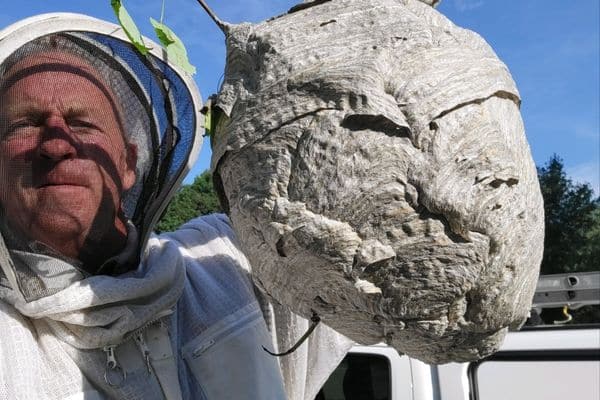
Bee and wasp removal is an essential service for many homeowners seeking to maintain a safe and peaceful environment. Stinging insects such as bees, wasps, and hornets can create significant discomfort and pose potential health risks if not managed properly. Whether you’re dealing with a full-blown infestation or a sudden appearance of pests, understanding the best removal options is crucial. Here’s a quick list to get your started on bee and wasp removal:
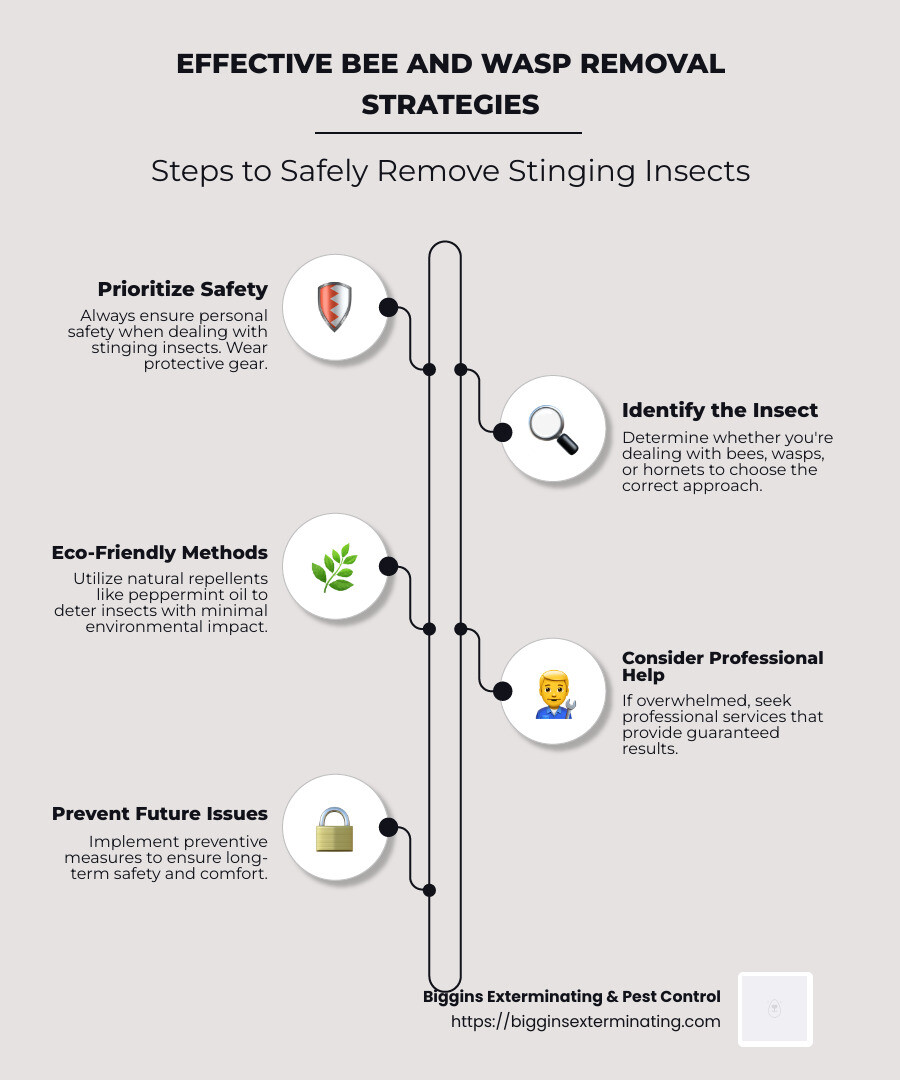
- Always prioritize your safety.
- Identify the type of insect to tailor your approach (bee, wasp, or hornet).
- Consider professional help if the situation feels overwhelming.
- Explore eco-friendly methods to reduce environmental impact.
Managing these stinging insects involves choosing the right strategies—for both immediate removal and future prevention. From natural deterrents like peppermint oil to professional services offering guaranteed results, there are various paths to explore.
As the owner of Biggins Exterminating, I, Stephen Biggins, bring over four decades of expertise to the table. Having grown up in a family business that specializes in bee and wasp removal, my team and I are committed to providing effective solutions custom to individual needs.
Understanding Bees and Wasps
Bees and wasps are often grouped together, but they have distinct differences. Understanding these differences can help in choosing the right approach for bee and wasp removal.
Species Differences
- Bees are generally more docile and less likely to sting unless provoked. They are known for their fuzzy bodies and their role in pollination.
- Wasps, including hornets and yellowjackets, tend to be more aggressive. They have smooth bodies and are capable of stinging multiple times.

Solitary vs. Social
Bees and wasps can be either solitary or social:
- Social bees and wasps: These form colonies. Honeybees and yellowjackets are examples of social insects that live in large groups with a queen.
- Solitary bees and wasps: These live alone and do not form colonies. They often nest in the ground or in cavities.
Social species are more likely to pose a nuisance because of their numbers and potential for aggressive defense of their nests.
Pollination Benefits
Despite their sometimes troublesome presence, bees and some wasps play a crucial role in pollination.
-
Bees are among the most important pollinators, supporting the growth of flowers, fruits, and vegetables. They transfer pollen from one flower to another, facilitating plant reproduction.
-
Wasps, while less effective than bees, also contribute to pollination. Some species feed on nectar and inadvertently transfer pollen.
Pollination is vital for ecosystems and agriculture, making it important to handle bee and wasp removal carefully to avoid harming beneficial species.
By understanding these differences and the roles bees and wasps play, you can make informed decisions about managing them in your environment. This knowledge is key to choosing the right methods for removal and prevention, ensuring safety while preserving ecological balance.
Bee and Wasp Removal Techniques
When it comes to bee and wasp removal, there are several methods you can consider. Each technique has its own advantages and is suitable for different situations. Here’s a breakdown of some popular methods:
Traps
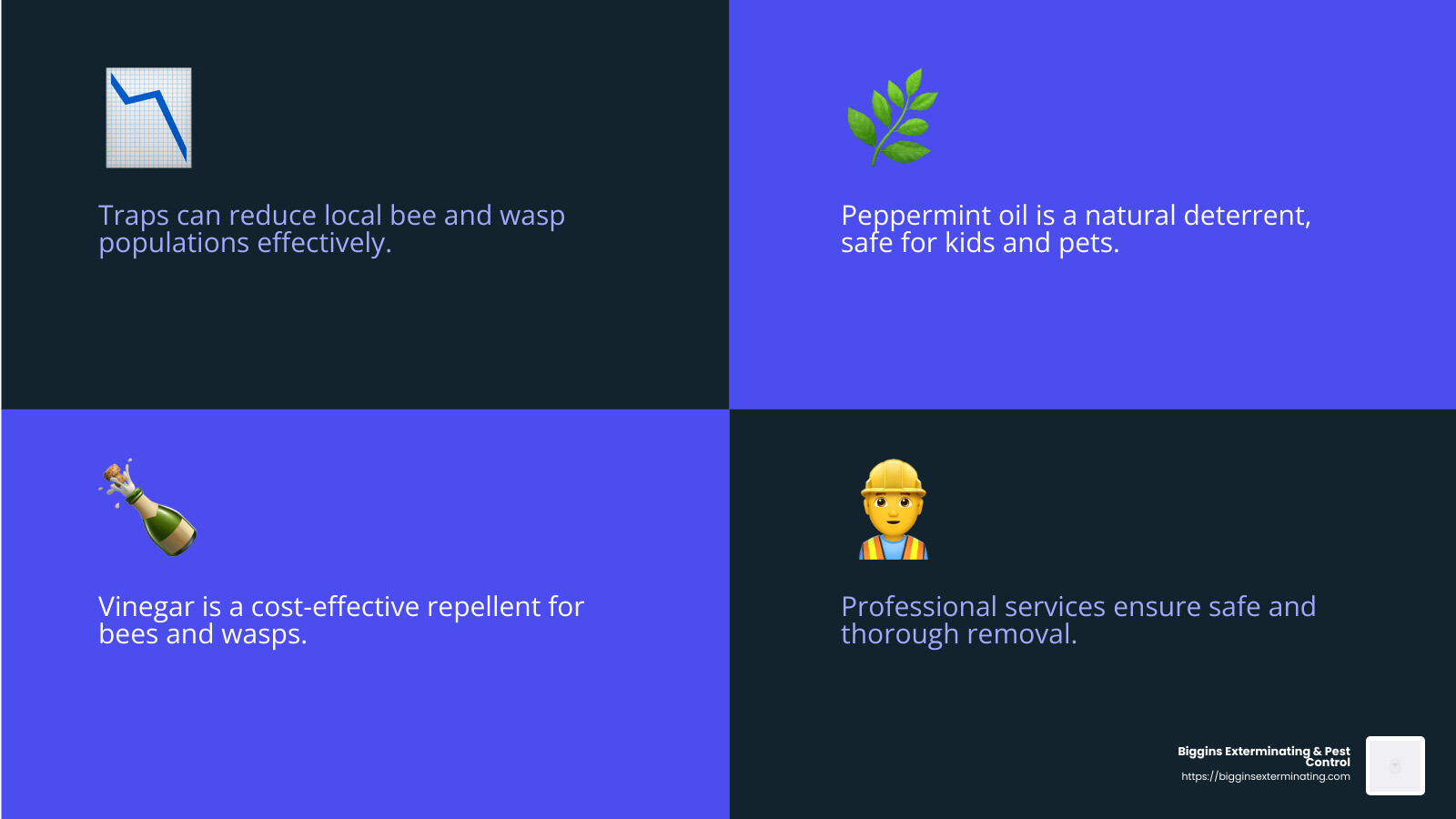
Traps can be an effective way to manage bee and wasp populations. These devices attract the insects and capture them, reducing their numbers around your home.
- How They Work: Traps are typically baited with sweet substances that attract bees and wasps. Once inside, they can’t escape.
- Placement: Place traps away from high-traffic areas to avoid attracting bees and wasps close to where people gather.
- Effectiveness: While traps can help control populations, they are not usually a complete solution for large infestations.
Peppermint Oil
Peppermint oil is a natural deterrent for bees and wasps. Its strong scent is unpleasant to these insects, which can keep them away from certain areas.
- How to Use: Mix peppermint oil with water and spray it around entry points and areas where bees and wasps are active.
- Safety: This method is non-toxic and safe for humans and pets, making it a great option for households with children or animals.
- Limitations: While peppermint oil can deter bees and wasps, it may not be effective for large nests or colonies.
Vinegar
Vinegar is another common household item that can help in bee and wasp removal. Its strong smell can repel these insects.
- Application: Mix vinegar with water in a spray bottle and apply it to areas where bees and wasps are present.
- Advantages: Vinegar is inexpensive and readily available, making it a convenient option.
- Considerations: Like peppermint oil, vinegar is more of a deterrent than a complete removal solution.
Professional Services
For larger infestations or when safety is a concern, hiring professional pest control services is often the best choice.
- Expertise and Equipment: Professionals have the expertise and equipment to safely remove bees and wasps, even from difficult-to-reach places.
- Safety: They use protective gear and methods that minimize risk to humans and pets.
- Guarantees: Many professionals, like those at Biggins Exterminating & Pest Control, offer warranties for their work, ensuring your problem is resolved effectively.
Choosing the right bee and wasp removal method depends on the severity of the infestation and your personal preferences. While DIY methods like traps, peppermint oil, and vinegar can be effective for minor issues, professional services offer a comprehensive solution for more significant problems.
Costs of Bee and Wasp Removal
When dealing with bee and wasp removal, understanding the costs involved is crucial. Prices can vary significantly based on several factors, and in some cases, you might even find free options.
Average Costs
The cost of removing bees and wasps can range widely. On average, you might expect to pay between $100 to $1,300 for professional removal services. The lower end typically covers small, easily accessible nests, while the higher end can involve large or hard-to-reach infestations.
- Small Nests: Around $100 to $300
- Medium Nests: Approximately $300 to $700
- Large or Difficult Locations: $700 to $1,300 or more
These figures are based on general internet data and do not reflect specific pricing for Biggins Exterminating services.
Factors Affecting Price
Several factors can influence the cost of bee and wasp removal:
- Location of the Nest: Nests that are difficult to access, such as those in walls or high up in trees, often require more time and special equipment, increasing costs.
- Type of Insect: Different species may require different removal techniques. For example, hornets might be more challenging to remove than wasps, affecting the price.
- Size of the Infestation: Larger nests or swarms will generally cost more to remove due to the increased labor and resources required.
- Urgency: If you need immediate removal, some companies may charge a premium for emergency services.
Free Removal Options
In some cases, you might be able to have bees removed for free. Here are a few options to consider:
- Local Beekeepers: Many beekeepers are willing to remove honeybee swarms at no charge. They often keep the bees for their hives, benefiting both parties.
- Community Programs: Some communities offer free removal services or can connect you with beekeepers interested in collecting swarms.
- Donations: Occasionally, pest control companies might offer free removal services as part of a community service initiative or in exchange for a donation to a local cause.
Understanding these cost factors and exploring potential free options can help you make an informed decision when dealing with bee and wasp infestations.
In the next section, we will explore the differences between DIY and professional removal methods, helping you decide which approach is best for your situation.
DIY vs Professional Bee and Wasp Removal
When it comes to bee and wasp removal, choosing between a DIY approach and hiring a professional is a crucial decision. Each option has its own set of safety concerns, required equipment, and effectiveness.
Safety Concerns
Bee and wasp removal can be dangerous. These insects can become aggressive when their nests are disturbed, leading to painful stings. For those with allergies, a sting can be life-threatening. Professionals are trained to handle these situations safely, minimizing risks to you and your family.
In contrast, DIY methods may not account for these dangers. Inexperienced individuals might provoke a swarm, increasing the risk of multiple stings. Always assess your comfort level and the potential hazards before attempting any DIY removal.
Equipment Needed
Professional pest control technicians come equipped with specialized gear:
- Protective Clothing: Full-body suits, gloves, and veils to prevent stings.
- Tools: Long-reaching tools and ladders for accessing high or hidden nests.
- Chemicals: Insecticides designed for specific species, ensuring effective removal.
DIY methods often involve household items like peppermint oil or vinegar. While these can deter some insects, they lack the efficiency and safety of professional-grade equipment. Attempting to use store-bought insecticides without proper knowledge can also pose environmental risks.
Effectiveness
Professionals offer a more effective solution for bee and wasp removal. They assess the situation, identify the species, and choose the best removal method. This ensures that the problem is resolved quickly and thoroughly. For instance, professionals might use a combination of chemical treatments and physical removal to ensure all insects are eliminated.
DIY methods, while cost-effective, may only provide temporary relief. Without fully understanding the infestation, home remedies might not address the root of the problem, leading to recurring issues.
In summary, while DIY approaches to bee and wasp removal can be tempting due to lower costs, they come with significant risks and may not be as effective as professional services. For safety, proper equipment, and long-lasting results, hiring a professional is often the best choice.
In the next section, we’ll answer some frequently asked questions about bee and wasp removal to further guide you in making an informed decision.
Frequently Asked Questions about Bee and Wasp Removal
How to get rid of bees and wasps fast?
If you’re looking to quickly remove bees and wasps, there are a few natural methods that you can try at home. Traps are a popular choice. These can be purchased or homemade using simple materials like a plastic bottle, sugar water, and a bit of dish soap. The sweet liquid attracts the insects, and the soap makes it difficult for them to escape.
Another natural remedy is peppermint oil. Wasps and bees dislike strong scents, and peppermint oil is particularly effective. Mix a few drops with water and spray around areas where these insects are active. Similarly, vinegar can be used as a deterrent. A mixture of vinegar and water can be sprayed in the same manner.
While these methods can be effective for small infestations, remember they may not address larger problems. For severe cases, consider professional services.
Can I get bees removed for free?
If you’re dealing with bees, you might be able to have them removed for free. Beekeepers are often willing to relocate bee colonies to protect these important pollinators. Many beekeepers will do this service at no charge, especially if they can keep the bees for their own hives.
You can also check for local organizations or community groups that might offer donations or volunteer services for bee removal. However, be aware that even when removal is free, you might need to provide some equipment or access to the area where the bees are located.
How much should it cost to remove a wasp nest?
The cost of removing a wasp nest can vary widely based on several factors:
- Location of the nest: Nests that are hard to reach or located in sensitive areas may cost more to remove.
- Size of the infestation: Larger nests with more wasps will typically cost more to eliminate.
- Type of service: DIY methods are cheaper but often less effective. Professional removal offers a more comprehensive solution.
On average, wasp nest removal can range from $100 to $700, with some cases going even higher. These are average costs based on internet data and not actual costs for Biggins Exterminating services. Always get a quote from a professional to understand the specific costs for your situation.
Conclusion
At Biggins Exterminating & Pest Control, our goal is to provide effective and reliable bee and wasp removal services that ensure your home remains a safe and comfortable place. With over 40 years of experience, we pride ourselves on delivering top-notch pest control solutions custom to meet the unique needs of each customer.
Customer satisfaction is at the core of our service. We understand that dealing with pests can be stressful, and our team is committed to making the process as smooth and worry-free as possible. We listen to your concerns, provide clear explanations of our methods, and work diligently to resolve your pest issues. Our team undergoes continuous training to stay updated with the latest pest control techniques, ensuring that you receive the best possible service.
We also stand by our work with warranties that give you peace of mind. If the pests return, so do we. Our warranties are a testament to our confidence in the effectiveness of our services and our commitment to your satisfaction.
For more information or to schedule a consultation, visit our wasp pest control service page. Let us help you achieve a pest-free home with our expert bee and wasp removal services.