Why Attic Rodent Removal in Woburn Can’t Wait
Attic rodent removal Woburn homeowners need is best handled fast — before chewed wires, contaminated insulation, or a growing colony turns a small problem into a costly one.
Here’s how to remove rodents from your Woburn attic:
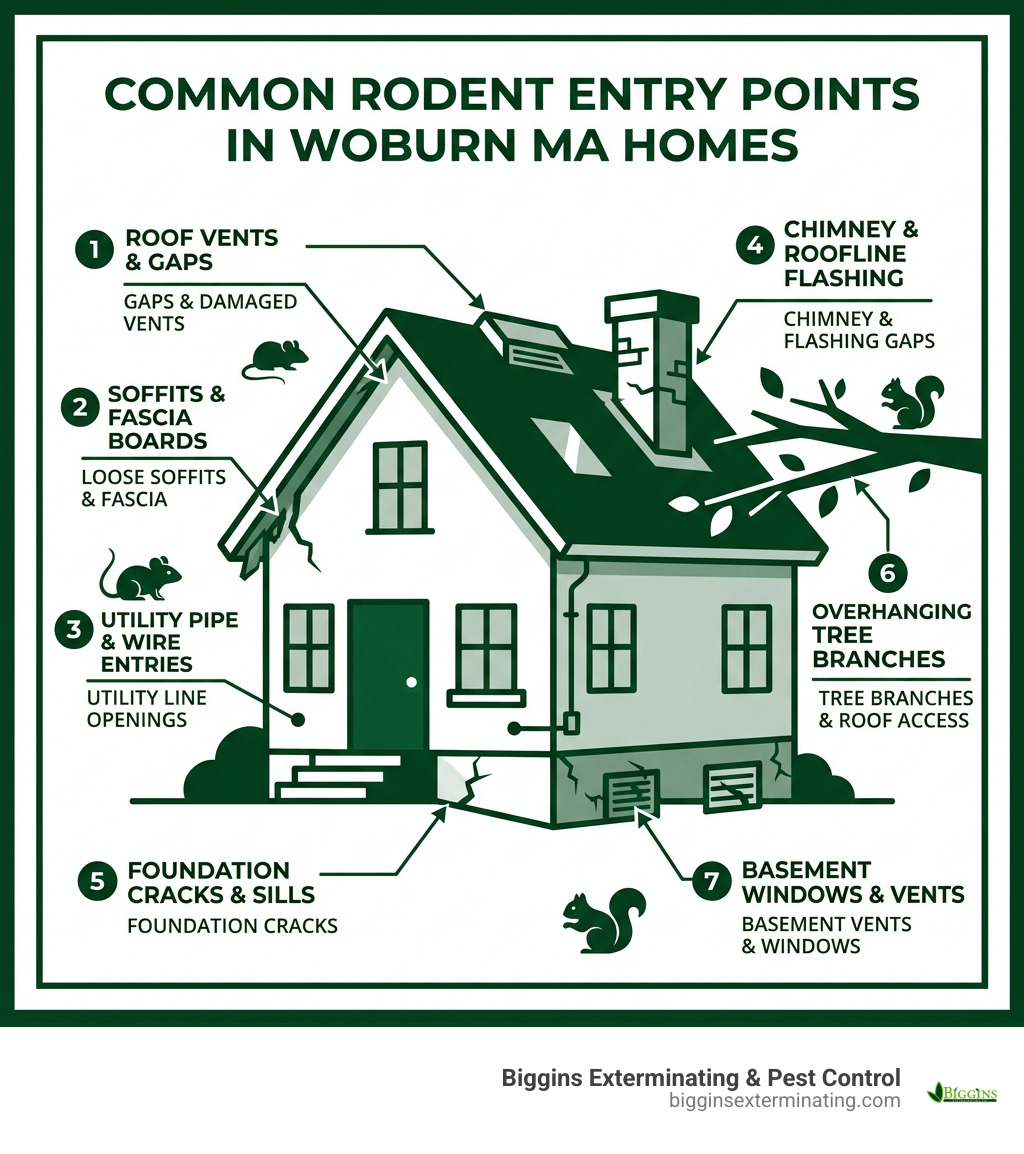
- Inspect the attic and full roofline for entry points (gaps, cracks, damaged soffits, vents)
- Identify the rodent species (grey squirrel, flying squirrel, Norway rat, or house mouse)
- Remove rodents using humane trapping or one-way exclusion doors
- Seal all entry points with durable materials like hardware cloth or metal flashing
- Clean up droppings, contaminated insulation, and nesting material safely
- Monitor with a seasonal prevention plan to stop re-infestation
Woburn sits in Middlesex County, where cold Massachusetts winters push squirrels, rats, and mice indoors every fall. Your attic offers exactly what they want: warmth, shelter, and a safe place to nest and breed. By the time most homeowners notice the scratching sounds overhead, a small group of rodents has often already settled in.
I’m Stephen Biggins, owner of Biggins Exterminating Co., and after more than 40 years helping Massachusetts families with pest problems — including countless attic rodent removal Woburn calls — I’ve seen how quickly these infestations spiral without professional intervention. Read on for everything you need to know to protect your home.
Easy attic rodent removal woburn word list:
- Mice removal Woburn
- Pest Control Woburn MA
- Residential pest control Woburn MA
Common Rodents Found in Woburn Attics
Woburn’s mix of historic homes, suburban neighborhoods, and proximity to wooded areas makes it a prime target for various wildlife. When we talk about attic rodent removal Woburn, we aren’t just talking about one type of critter. Several species have mastered the art of breaking into Massachusetts homes.
Grey Squirrels
These are the “day shift” workers of the rodent world. Grey squirrels are incredibly athletic, capable of jumping more than 10 feet horizontally from a tree branch to your roofline. They weigh up to two pounds and are notorious for chewing large holes in soffits, fascia boards, and plastic ridge vents to gain access. Because their teeth grow about six inches per year, they must chew constantly to keep them filed down, often targeting your wooden rafters or electrical wires.
Flying Squirrels
Don’t let the name fool you; they don’t actually fly, but they glide beautifully from tall trees onto your roof. Unlike their grey cousins, flying squirrels are nocturnal. If you hear scurrying or “pitter-patter” sounds late at night, it’s likely these guys. They are much smaller than grey squirrels and often live in colonies. It isn’t unusual for us to find a dozen or more sharing a single attic space.
Norway Rats and House Mice
These are the most common culprits for year-round infestations. Norway rats are secretive and excellent climbers, often following utility lines or climbing downspouts to reach the roof. House mice only need a gap the size of a dime to enter. Once inside, they reproduce at an alarming rate; a small group can turn into a massive infestation in just a few months.
| Rodent Type | Peak Activity Time | Signs of Presence |
|---|---|---|
| Grey Squirrel | Daytime (Sunrise/Sunset) | Loud scratching, large entry holes |
| Flying Squirrel | Nighttime | Soft scurrying, multiple occupants |
| Norway Rat | Nighttime | Gnaw marks, greasy rub marks on walls |
| House Mouse | Nighttime | Tiny droppings, shredded insulation |
As Woburn continues to develop, natural habitats are shrinking. This habitat loss forces local wildlife to view your attic as the ultimate “luxury condo”—it’s warmer, drier, and safer than any hollowed-out tree in the woods. For more specific details on dealing with smaller intruders, check out our more info about mice control services.
Identifying Signs for Attic Rodent Removal Woburn
Most homeowners don’t spend much time in their attics, so infestations often go unnoticed until the population is well-established. If you suspect you have unwanted guests, look for these tell-tale signs:
- Noises in the Attic: This is usually the first sign. Pay attention to the timing. Daytime scratching usually points to squirrels, while nighttime activity suggests rats, mice, or flying squirrels.
- Droppings and Urine: Rodent droppings are a major red flag. Mouse droppings look like small grains of black rice, while rat droppings are larger with blunt ends. Squirrel droppings are similar to rats but often found in clusters. Over time, urine can saturate insulation, leading to foul odors and even staining your ceilings.
- Gnaw Marks: Check your wooden beams, PVC piping, and electrical wires. Fresh gnaw marks will look light-colored and sharp.
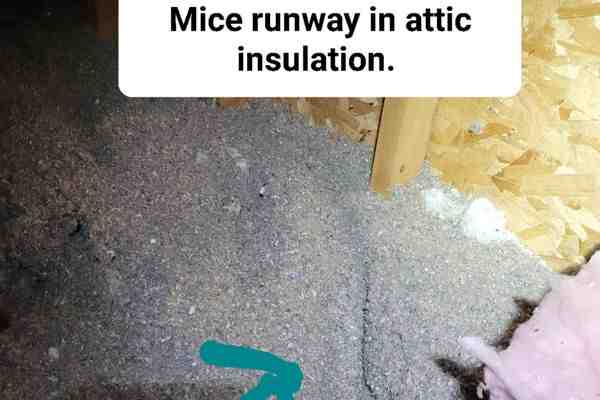
- Shredded Materials: Rodents love to make nests out of whatever is available. If you see shredded paper, cardboard, or “tunnels” through your fiberglass insulation, you have a nesting site.
- Rub Marks: Rats and mice have oily fur. As they travel the same paths along walls or rafters, they leave dark, greasy “rub marks” behind.
If you are seeing these signs, especially the greasy marks or large droppings, you may need to look into our more info about rat control services.
The Dangers of Unchecked Attic Infestations
Allowing rodents to remain in your attic is a gamble with your property and your health. In our 40 years of experience serving the Woburn area, we’ve seen the damage get ugly very quickly.
Fire Hazards
This is the most significant risk. Squirrels, rats, and mice all have a biological drive to chew. They frequently strip the insulation off electrical wiring in the attic. Exposed wires can spark against wooden beams or dry insulation, leading to house fires that start in areas where smoke detectors might not immediately catch them.
Health Risks
Rodents are mobile biohazards. Their droppings and urine carry a variety of dangerous pathogens:
- Salmonella: Spread through contact with rodent waste.
- Leptospirosis: A bacterial disease spread through urine.
- Histoplasmosis: Often associated with bat or bird droppings, but can also be found in severely contaminated attic environments where mold grows on animal waste.
- Parasites: Rodents bring in fleas, ticks, and mites, which can eventually migrate into the living areas of your home.
For general public health background on rodent-related risks, the Centers for Disease Control and Prevention rodent page provides helpful information.
Structural and Insulation Damage
Rodents don’t just live in your insulation; they destroy it. By trampling it down and contaminating it with waste, they significantly reduce its R-value, leading to higher heating and cooling bills for your Woburn home. Furthermore, they can chew through drywall, vents, and soffits, leading to water leaks and further structural decay.
Professional Attic Rodent Removal Woburn Methods
When we perform attic rodent removal Woburn, we focus on long-term solutions, not just “quick fixes” like putting out a few traps. A professional approach involves a multi-step process designed to clear the animals humanely and keep them out for good.
Step 1: The Inspection
We start by inspecting your entire property from the foundation to the peak of the roof. We look for every possible entry point—some as small as a quarter-inch.
Step 2: Exclusion (The One-Way Door)
For squirrels and larger rodents, we often use one-way exclusion doors. These clever devices allow the animal to leave the attic to find food or water but prevent them from getting back in. It is the most humane and efficient way to clear an attic without using poisons.
Step 3: Trapping and Removal
In cases where exclusion isn’t possible—or for mice and rats that are already deeply entrenched—we use strategic trapping. We never recommend using poisons (rodenticides) inside an attic. Why? Because a poisoned rat or squirrel will often crawl into a deep, unreachable wall cavity to die. The resulting odor can last for weeks and attract secondary pests like flies.
Step 4: Sealing and Repairs
Once we are certain the rodents are gone, we seal the entry points. We use heavy-duty materials that rodents can’t chew through, such as stainless steel mesh, hardware cloth, and professional-grade sealants.
Step 5: Attic Sanitation
After the animals are out, the mess remains. Professional removal includes cleaning up droppings and nesting material. In severe cases, we may recommend a full insulation replacement to ensure your home is free of biohazards and odors. Our focus is always on a complete, family-safe restoration that addresses the root of the problem.
Long-Term Prevention and Maintenance
Once your attic is clear, you want to keep it that way. Prevention is a year-round job in Massachusetts.
- Trim the Trees: Keep tree branches at least 6 to 10 feet away from your roofline. This removes the “highway” squirrels and rats use to reach your gutters.
- Gutter Maintenance: Install gutter guards to prevent rodents from nesting in debris and to block access to the roof edge.
- Secure the Foundation: Seal any cracks in your foundation with mortar or expandable foam reinforced with steel wool.
- Manage Attractants: Remove bird feeders that drop seeds near the house, and ensure your trash cans have tight-fitting lids.
- Seasonal Inspections: Every fall, before the “big freeze,” do a walk-around of your home to check for new gaps or chew marks.
For more tips on keeping your entire property secure, see our more info about residential pest control.
Frequently Asked Questions
Why do rodents target Woburn homes during the winter?
It’s all about survival. As temperatures drop in Middlesex County, rodents’ natural food sources disappear and their outdoor burrows become dangerously cold. Your attic acts as a giant radiator, venting heat from your living spaces. To a mouse or squirrel, that warmth is an irresistible signal that a safer environment is just one chewed hole away.
Average Costs for Attic Rodent Removal Woburn
Pricing for attic rodent removal Woburn can vary significantly based on the size of your home and the severity of the infestation. Based on national internet data, homeowners might see the following average cost ranges:
- Minor Infestation (Basic trapping and sealing): $150 – $1,200 (Average cost: $350)
- Standard Service (Full inspection, exclusion, and repairs): $500 – $3,000 (Average cost: $900)
- Severe Infestation (Extensive repairs and sanitation): $1,500 – $10,000+ (Average cost: $3,000)
Note: These are average costs based on publicly available internet data and do not reflect the specific pricing of Biggins Exterminating Co. We provide custom quotes based on your unique situation.
Why should homeowners avoid DIY rodent removal?
DIY removal often leads to “revolving door” pest problems. Homeowners might catch a few mice but fail to find the entry point, allowing new ones to move in immediately. There are also safety hazards: climbing ladders to reach high rooflines is dangerous, and handling rodent waste without proper PPE (Personal Protective Equipment) exposes you to respiratory diseases. Furthermore, many retail “repellents” like mothballs or ultrasonic sound devices have been proven ineffective—rodents simply habituate to the noise or smell and stay right where they are.
Conclusion
At Biggins Exterminating Co., we believe your home should be your sanctuary, not a playground for pests. As a family-owned and operated company with over 40 years of experience, we’ve built our reputation on providing reliable, high-quality service to our neighbors in Woburn and the surrounding communities.
Whether you’re in the heart of Woburn, or in nearby Andover, Billerica, or Lexington, we are here to help. We don’t believe in locking our customers into long-term contracts; we prefer to earn your trust through effective results and honest communication. If you’re hearing noises in the attic or have spotted the signs of an infestation, don’t wait for the damage to get worse.
Contact us today for Professional Pest Control Woburn MA and let our family take care of yours.
Biggins Exterminating & Pest Control Proudly serving: Andover, Bedford, Billerica, Burlington, Lexington, North Reading, Tewksbury, Wilmington, and Woburn.