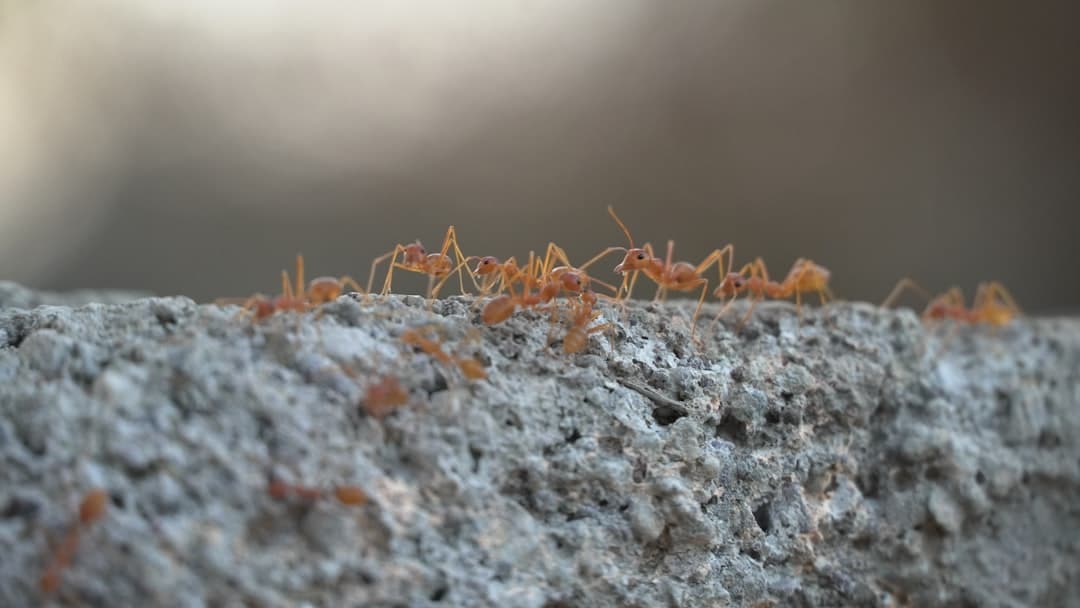
Why Professional Ant Control Makes the Difference
Exterminators ants services provide the most effective solution for homeowners dealing with persistent ant invasions. Here’s what you need to know:
Top Ant Extermination Services Include:
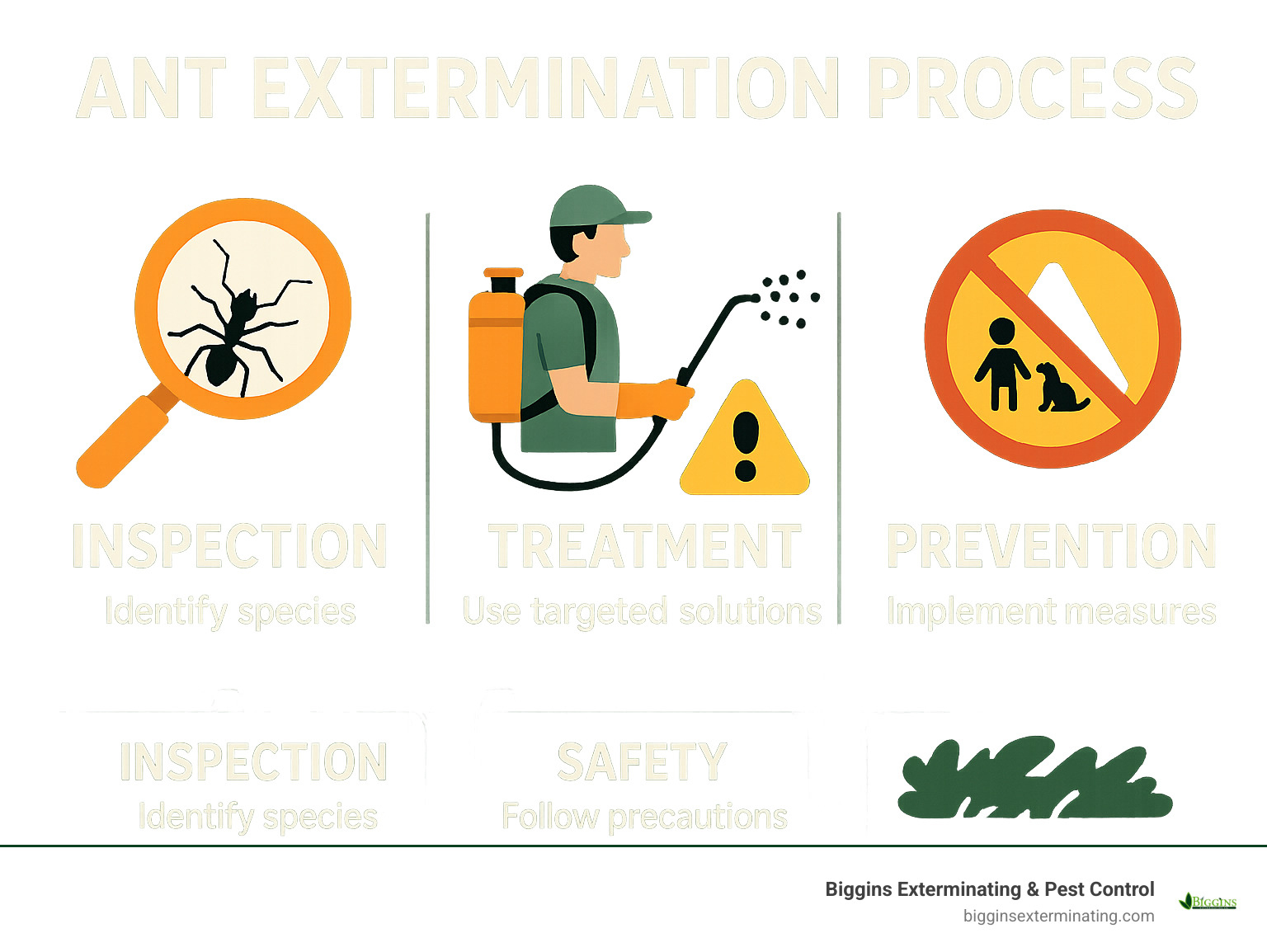
– Species identification – Carpenter ants, fire ants, odorous house ants require different treatments
– Colony elimination – Professional baits and non-repellent sprays that reach entire colonies
– Perimeter protection – Barrier treatments to prevent re-entry
– Follow-up monitoring – Ongoing visits to ensure complete eradication
– Safety protocols – Child and pet-safe application methods
Ant colonies can contain 300,000 to 500,000 workers, making surface-level DIY treatments ineffective. While homeowners spend an average of $175 for professional pest control (with costs ranging from $100 to $500+ based on internet data), the investment pays off through complete colony elimination rather than temporary relief.
Most do-it-yourself approaches only kill the ants you see, leaving hidden nests untouched. Professional exterminators use targeted baits that workers carry back to the colony, eliminating queens and larvae that perpetuate the infestation.
As Stephen Biggins, owner of Biggins Exterminating Co., I’ve spent over four decades helping Massachusetts families eliminate ant problems using proven exterminators ants techniques. Our family-owned approach focuses on complete colony eradication with warranties that bring us back if pests return.
Key terms for exterminators ants:
– indoor ant control
– natural ant control outside
– Local pest control services
Understanding Ant Invaders in Homes & Businesses
After four decades of helping Massachusetts families deal with ant problems, I’ve learned that understanding your enemy is half the battle. Ants aren’t just random invaders – they’re highly organized social insects with a clear mission: find food, water, and shelter for their colony.
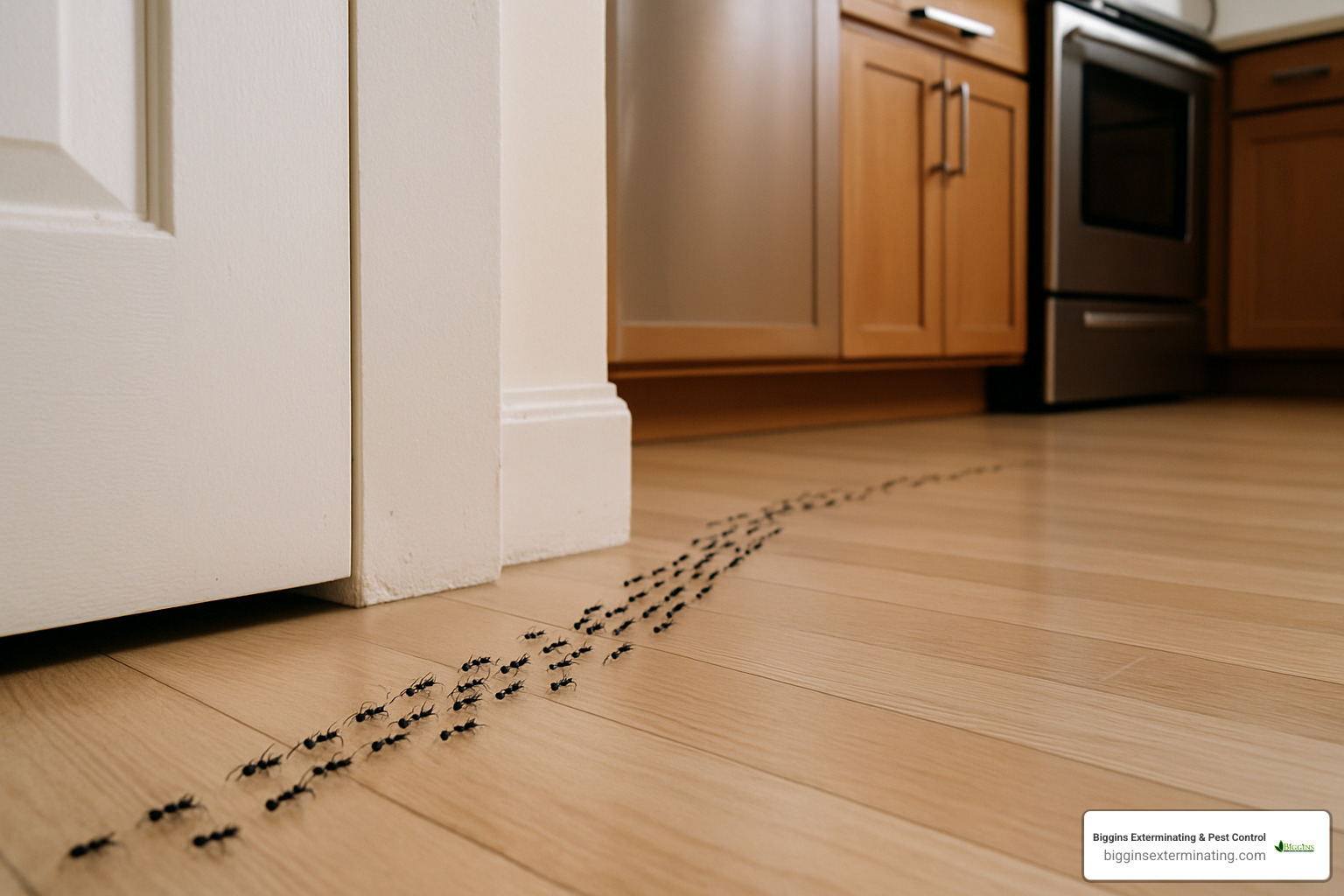
What makes ants so challenging is their teamwork. When a scout ant finds your kitchen counter, it leaves a chemical trail called pheromones that acts like a highway map for thousands of its colony mates.
The most common troublemakers we encounter are carpenter ants, those large black or reddish-brown ants that can grow up to half an inch long. They excavate wood to create galleries for their expanding families, often signaling moisture issues in your home and causing serious structural damage over time.
Odorous house ants are tiny brown invaders that smell like rotten coconut when you squish them. These masters of deception create multiple satellite colonies throughout your home.
Fire ants bring painful stings that can trigger allergic reactions. Their distinctive dome-shaped mounds in yards are genuine health hazards, especially for kids and pets.
Little black ants, barely visible at just 1.5mm long, typically nest outdoors near your foundation but send regular scouting parties into your kitchen and pantry.
What draws these exterminators ants targets into your space? Food, moisture, and entry points. Poor sanitation creates an open invitation, but even clean homes can face invasions if there are structural gaps or water leaks. Scientific research on ant behavior confirms that ants are opportunistic – they’ll exploit any weakness in your home’s defenses.
Spotting the Red Flags
Catching an ant problem early can save you hundreds of dollars and weeks of frustration.
Ant trails are the most obvious clue – those organized lines of workers moving between their nest and your kitchen. Follow these trails backward to find entry points like cracks in baseboards or gaps around pipes.
Frass and wood shavings are carpenter ant calling cards. This sawdust-like debris appears near their nesting sites as they excavate new galleries.
Soil mounds in your yard mark nest entrances. Fire ant mounds are particularly distinctive with their dome shape.
Winged swarmers are reproductive members seeking to establish new colonies. Many homeowners mistake them for termites, but ants have curved antennae and longer front wings.
Ants in electrical outlets indicate wall cavity nesting and pose genuine fire hazards requiring immediate professional attention.
Why Fast Action Matters
Time is not on your side when dealing with ant infestations. A single ant queen can lay up to 800 eggs daily, and colonies can explode from a few scouts to thousands within a month.
Colony growth happens exponentially. Queen lifespan means these aren’t temporary visitors – once established, colonies can persist for decades without professional intervention.
Health risks escalate with time as food contamination increases. Disturbed colonies often fragment and relocate, turning one problem into multiple satellite colonies scattered throughout your property.
How “exterminators ants” Professionals Eradicate Colonies
When you’re dealing with a serious ant problem, exterminators ants professionals bring something DIY methods simply can’t match: a systematic approach that actually works. After four decades in this business, successful ant elimination focuses on the A.I.M. cycle: Assess, Implement, and Monitor.
Targeted baits form the backbone of our approach. Unlike hardware store ant traps, we use species-specific baits containing active ingredients like boric acid, deltamethrin, or cyfluthrin. Worker ants carry these baits back home and share them with their nestmates through trophallaxis, delivering treatment directly to the queen and larvae.
Non-repellent sprays represent another major advantage. Most store-bought sprays scatter colonies and cause avoidance. Our professional-grade materials are undetectable to ants – they walk through treated zones and unknowingly spread the active ingredient throughout the entire colony.
We establish perimeter barriers around your property using residual materials that provide months of protection against new invasions.
For severe infestations, we perform actual nest removal from wall voids, crawl spaces, or other hidden locations using specialized equipment.
You can learn more about our comprehensive methodology at More info about Ant Control Exterminators.
Determining the Culprit Species—The First Step for exterminators ants
Treating carpenter ants the same way you’d treat odorous house ants is like trying to cure a headache with cough medicine. Different species require completely different approaches.
Size and color tell us a lot. Carpenter ants are giants at 6-12mm long, usually black or reddish-brown. Odorous house ants are tiny brown speedsters at just 2-3mm.
Nesting preferences vary dramatically. Carpenter ants prefer damp, damaged wood. Moisture ants seek water damage areas. Pavement ants prefer spaces under concrete slabs.
Feeding behavior is crucial. Some species prefer sugary spills, others prefer protein like pet food or grease. Pharaoh ants switch between protein and sugar preferences depending on their colony’s lifecycle stage.
When identification isn’t immediate, we collect samples for detailed analysis.
From Plan to Elimination: The Pro Workflow
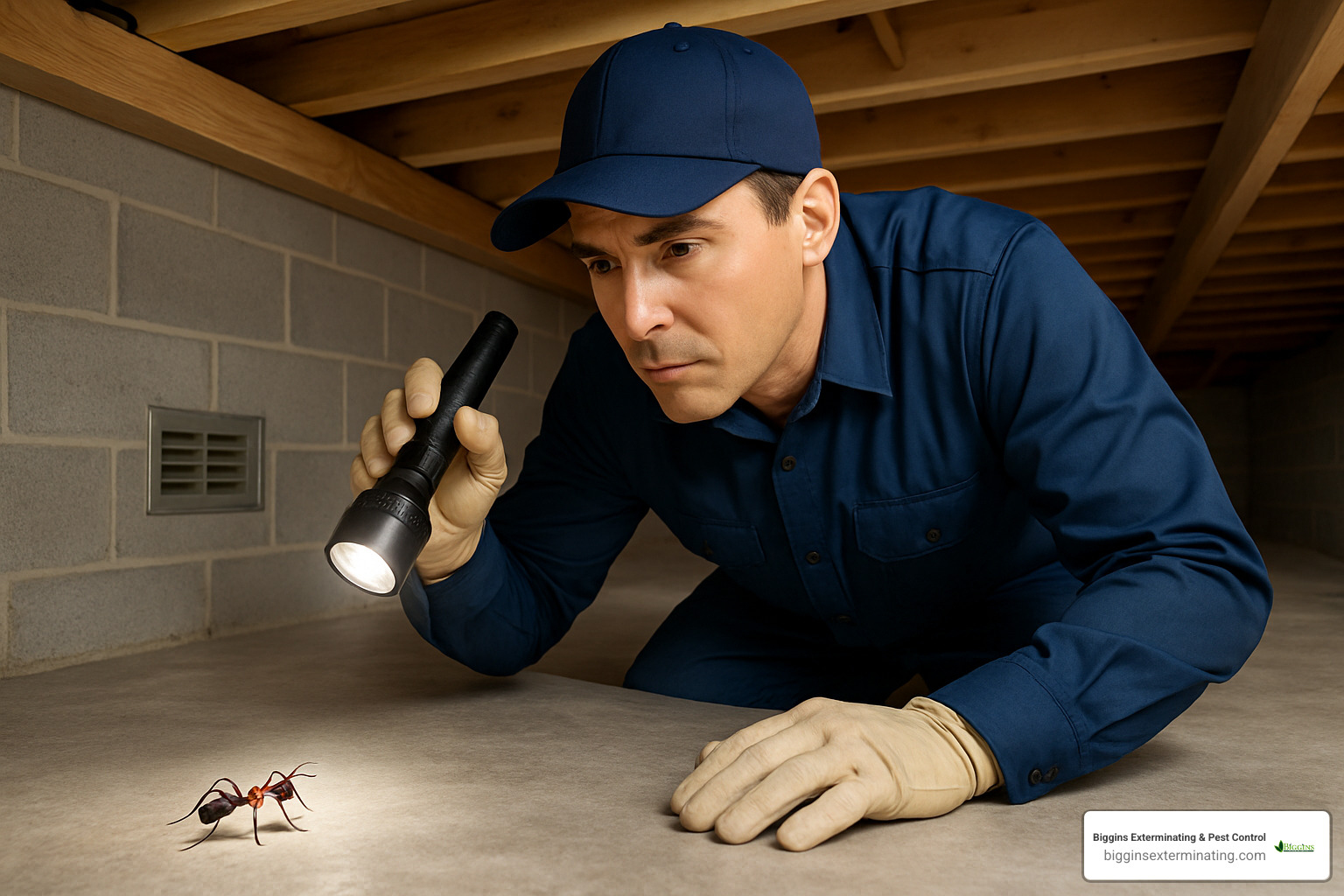
During the Assess phase, we conduct comprehensive property inspections identifying all activity areas, entry points, moisture sources, and nesting locations.
The Implement phase involves strategic bait placement and targeted insecticide application during peak foraging periods when maximum worker ants will encounter treatments.
Perimeter barriers create long-lasting protection against future invasions.
The Monitor phase continues for several months with regular follow-up visits, evaluating treatment effectiveness and adjusting strategies based on observations.
Our warranties back up this systematic approach – if ants return within the warranty period, we return at no additional charge.
Comparing DIY vs Professional Ant Removal
When ants invade your home, you face a choice: grab store-bought sprays or call professionals. After four decades in pest control, I’ve seen countless homeowners try DIY first, only to call us when problems worsen.
DIY methods typically cost $20-50 upfront but succeed only 20-30% of the time. Professional exterminators ants services range from $100-500+ based on internet data, but deliver 95%+ success rates with guaranteed results.
The difference isn’t just money – it’s time and frustration. DIY treatments can take weeks or months (if they work), while professional services typically achieve control within 7-14 days.
Common DIY remedies have serious limitations. Boric acid works in laboratories, but most homeowners don’t understand ant feeding behavior well enough for effective placement.
Vinegar kills ants on contact but provides zero protection against thousands still in nests. The strong smell can repel ants away from baited areas.
Diatomaceous earth works slowly and only affects ants walking directly through it. It’s useless against hidden colonies and becomes ineffective when wet.
Store-bought ant sprays are perhaps worst. These repellent formulations scatter colonies rather than killing them, often turning single problems into whole-house infestations.
Professional services bring certified technicians with specialized training, professional-grade products unavailable to consumers, scientific species identification, follow-up visits, and 6-12 month warranties.
When DIY Works—And When It Fails
DIY methods work in specific situations – think first aid rather than surgery. Spotting a few scout ants investigating recent spills might prevent colony establishment with quick household cleaner action.
Sealing obvious entry points and cleaning isolated spills immediately helps with prevention.
But DIY consistently fails against established colonies with multiple nesting sites. Hidden nests in wall voids require professional equipment and expertise. Secondary colonies are particularly challenging – missing even one means entire infestations can rebuild within weeks.
The Added Value of Licensed exterminators ants
Professional exterminators ants services provide value beyond killing visible ants. Licensed technicians understand safety protocols protecting your family while eliminating pests effectively.
We use low-toxicity products like permethrin dust that are less toxic to humans than table salt, yet highly effective against target pests. Child and pet precautions are built into our application methods.
Satisfaction guarantees back up our work with warranties. IPM practices focus on long-term prevention, not just quick fixes, identifying and addressing conditions that attracted ants initially.
For additional information about pesticide safety in professional applications, see Scientific research on pesticide safety.
Cost, Safety & Timing: What to Expect
Based on internet data we’ve researched, ant extermination typically costs between $100-$300 for straightforward treatments, while complex situations can run $300-$900 or more. These are average market prices, not our specific rates.
Infestation severity plays the biggest cost role – scout ants require far less work than established carpenter ant colonies. Property size and ant species also matter significantly.
We often provide same-day service for urgent situations. Treatment results typically begin within 24-48 hours, though you might see increased activity initially as workers take baits to hidden colonies. Complete elimination usually takes 7-14 days.
Protecting Kids, Pets & Environment
Your family’s safety isn’t negotiable – it’s why we’ve perfected application methods that eliminate ants while protecting people and pets.
Permethrin dust has extremely low toxicity to mammals – less toxic than table salt – yet provides excellent ant control in wall voids where children and pets can’t access it.
IGR ant baits (Insect Growth Regulators) disrupt ant development without posing family risks. These sealed bait stations prevent accidental contact while delivering colony-eliminating results.
Our IPM practices combine multiple strategies to reduce chemical reliance, emphasizing sanitation improvements, sealing entry points, and ongoing monitoring.
Keeping Ants Gone for Good
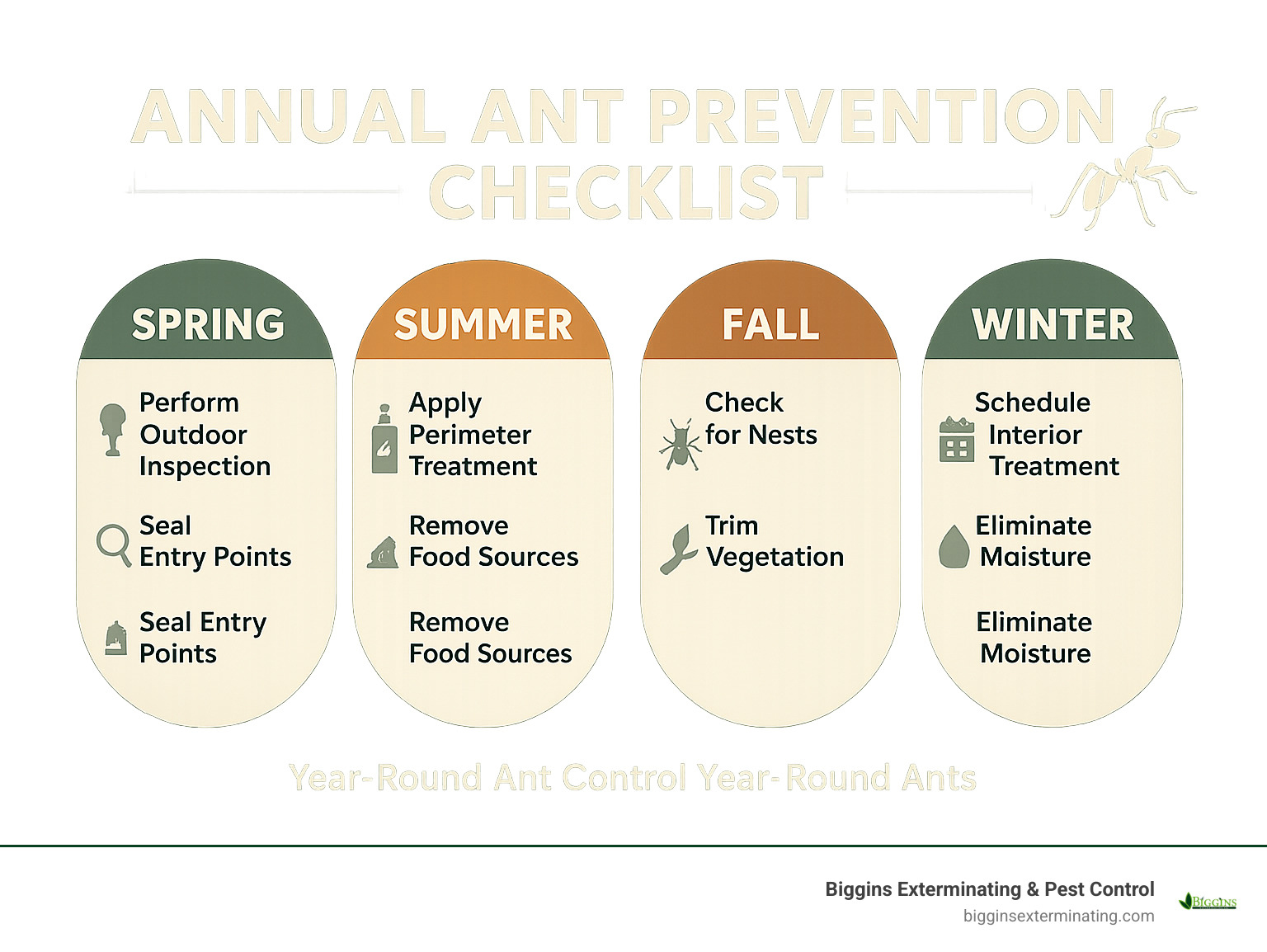
The best treatment won’t help if your home keeps attracting new colonies. We focus on long-term prevention alongside immediate elimination.

Sealing entry points makes the biggest difference. We help identify cracks around windows, doors, pipes, and utilities needing caulking.
Fixing moisture problems eliminates what attracts many species. Food storage improvements cut off ant food sources. Yard maintenance like trimming vegetation and clearing debris removes ant highways and nesting sites.
For comprehensive prevention strategies, check out More info about Indoor Ant Control.
Choosing the Right Ant Exterminator Near You
Finding the right exterminators ants professional shouldn’t feel like solving a puzzle. After helping Massachusetts families for over four decades, I’ve seen too many homeowners burned by fly-by-night operators.
The best ant control companies share certain traits. State licensing is non-negotiable – every technician should carry current credentials. Insurance coverage protects your property. Years in business matter more than flashy marketing. Local knowledge makes a huge difference – Massachusetts ant species behave differently than those elsewhere.
We believe in no-contract options, warranty coverage, transparent pricing, and emergency availability.
For homeowners in our service area, visit More info about Ant Exterminator Wilmington MA or More info about Ant Exterminators in My Area.
Questions to Ask Before You Hire
Smart questions separate professional services from expensive mistakes. Ask about inspection fees, species identification methods, product safety, treatment timelines, follow-up visits, warranty coverage, and preparation requirements.
Regional Hotspots We Serve
Lexington homes often feature historic architecture with aging foundations providing ant entry points. Carpenter ant infestations are common in older wooden structures.
Andover’s mature landscaping provides ideal ant habitats near foundations. Moisture ants are particularly common during humid summers.
Bedford presents challenges because new construction disturbs existing colonies seeking new nesting sites.
Billerica’s proximity to water sources increases moisture ant activity during spring and summer.
North Reading’s rural setting means abundant outdoor populations viewing kitchens as foraging territory extensions.
Tewksbury combines older homes with newer developments, creating diverse challenges requiring customized approaches.
Woburn’s urban environment provides multiple food sources attracting various species, particularly around commercial areas.
Frequently Asked Questions About Professional Ant Removal
How long does it take to eliminate an infestation?
Most ant colonies are completely eliminated within 7-14 days, though stubborn infestations need more patience. We’re eliminating entire underground cities housing hundreds of thousands of residents.
Carpenter ants typically take 3-4 weeks due to multiple satellite colonies. Odorous house ants usually respond within 10 days.
Colony size makes a huge difference. Newly established nests respond much faster than mature colonies housing 100,000+ ants. The baiting method works slowly but thoroughly, taking 2-3 weeks to reach every ant including queens and larvae.
Are professional treatments safe for children and pets?
Absolutely – when applied by licensed professionals following strict safety protocols. Permethrin, one of our most effective products, is actually less toxic to mammals than table salt.
We use targeted application methods minimizing family contact. Most treatments go into wall voids, exterior perimeters, and sealed bait stations where hands and paws can’t reach them.
We can schedule treatments when pets are away and provide detailed safety instructions for each service.
What guarantees come with ant extermination services?
Standard warranty coverage typically includes 30-90 days of protection with free re-treatment if ants return. Extended protection plans offer 12-month coverage with quarterly monitoring.
At Biggins Exterminating, our family-owned approach means your satisfaction is personal to us. We’ve served Massachusetts families for over 40 years – our reputation depends on solving problems completely.
Conclusion
When you’re facing an ant invasion, the choice between DIY attempts and professional exterminators ants services often comes down to one simple question: Do you want temporary relief or permanent results?
After four decades of helping Massachusetts families eliminate ant problems, we’ve seen countless homeowners struggle with store-bought sprays and home remedies that simply scatter colonies rather than eliminate them. The truth is, those hidden nests containing hundreds of thousands of workers require professional-grade solutions and expertise that only licensed technicians can provide.
Professional ant control delivers three critical advantages that DIY methods simply can’t match: accurate species identification that drives effective treatment selection, colony-eliminating products that reach queens and larvae, and comprehensive follow-up that ensures complete eradication.
Whether carpenter ants are silently damaging your home’s structure, fire ants are creating safety hazards in your yard, or persistent odorous house ants keep returning to your kitchen, professional treatment provides the fastest, safest, and most effective solution.
At Biggins Exterminating & Pest Control, our family-owned approach means we treat your home with the same care we’d give our own. Our no-contract services, comprehensive warranties, and 40+ years of local experience reflect our commitment to protecting what matters most to you and your family.
Don’t let a small scout ant problem explode into a major infestation with multiple satellite colonies. The investment in professional ant control pays for itself through complete elimination rather than months of frustrating DIY attempts that often make problems worse.
Contact our experienced team today for comprehensive ant control that protects your family, your property, and your peace of mind. Because when it comes to your home, you deserve solutions that actually work.
For more information about our comprehensive ant control services, visit More info about ant-control-exterminators.