Why Mosquitoes Are More Than Just a Nuisance in Massachusetts
Yard mosquito control is essential for protecting your family from annoying bites and serious health risks. As temperatures warm and you’re ready to enjoy your backyard, mosquitoes can quickly turn outdoor fun into a frustrating experience.
Quick Answer: Essential Yard Mosquito Control Steps
- Eliminate standing water – Empty birdbaths, flowerpots, gutters, and any containers weekly
- Maintain your yard – Keep grass short and trim overgrown shrubs
- Use multiple methods – Combine physical barriers, repellents, and treatments
- Apply treatments during peak times – Target dawn and dusk when mosquitoes are most active
- Consider professional help – Licensed technicians provide longer-lasting protection
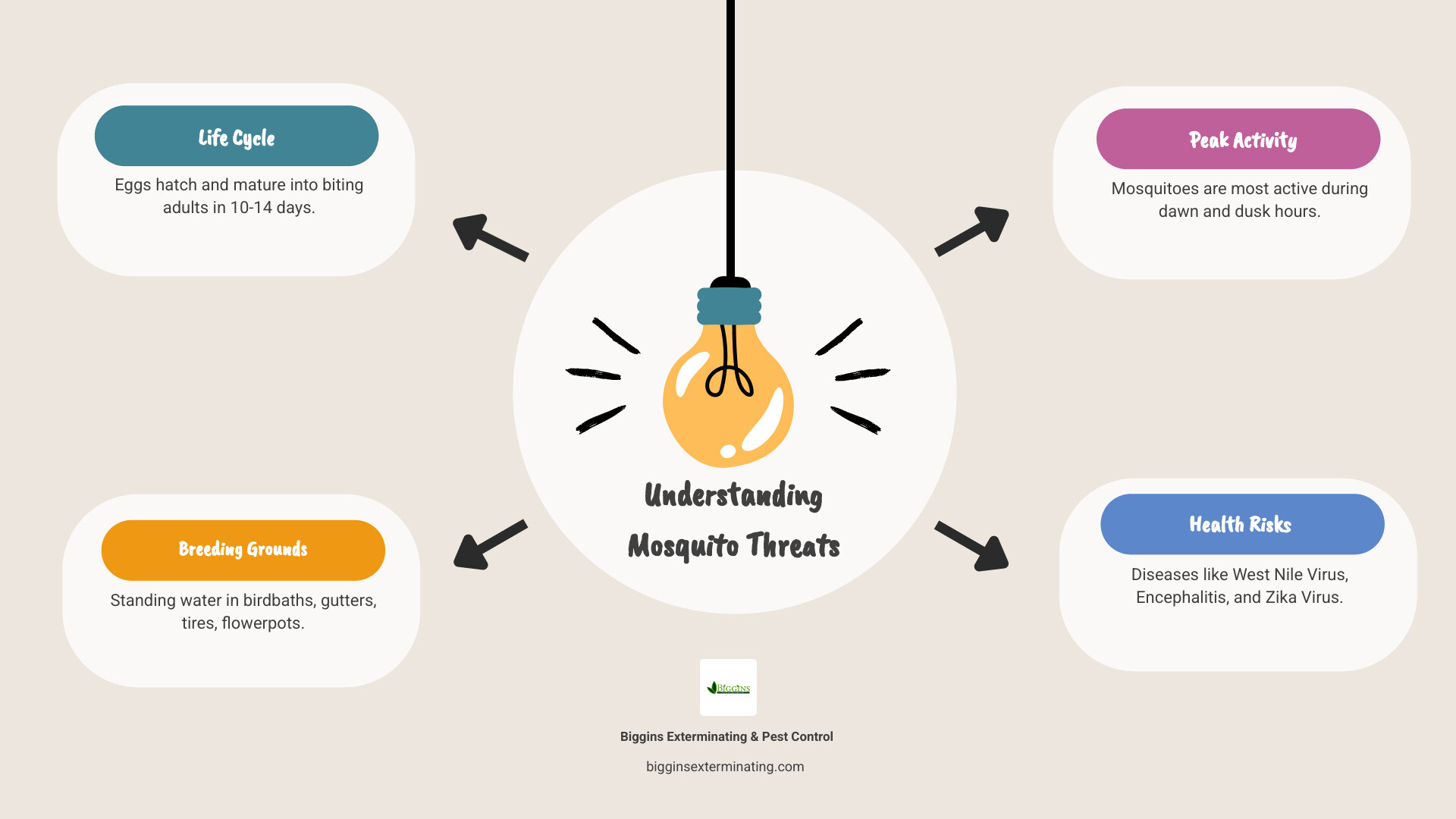
There’s nothing worse than planning a summer barbecue or letting your kids play outside, only to have everyone driven indoors by swarms of biting mosquitoes. But mosquitoes aren’t just annoying—they’re dangerous. These tiny pests can transmit serious diseases like West Nile virus, encephalitis, and Zika virus. While only about 20 percent of people infected with West Nile virus experience symptoms, the potential for severe illness makes mosquito control a health priority, not just a comfort issue.
The death toll from mosquito bites worldwide reaches 7.25 million per year, making them one of the deadliest creatures on the planet. Right here in Massachusetts, mosquito-borne diseases pose real risks to residents, especially during our warm summer months when these pests thrive.
Understanding how mosquitoes breed and behave is the first step to taking back your yard. Female mosquitoes need just a bottle cap’s worth of standing water to lay hundreds of eggs, which can develop into biting adults in as little as 10 to 14 days. Once temperatures reach 50 degrees Fahrenheit, mosquitoes become active—which in Massachusetts means they’re a concern from early spring through fall.
The good news? You don’t have to surrender your outdoor space to these pests. With the right combination of prevention methods, treatments, and professional help, you can create a mosquito-free zone where your family can safely enjoy the summer.
I’m Stephen Biggins, owner of Biggins Exterminating Co., and I’ve spent over 40 years helping Massachusetts families reclaim their yards from mosquitoes and other pests. Through decades of experience with yard mosquito control in Wilmington and surrounding towns, I’ve learned that effective mosquito management requires understanding their habits and applying proven strategies at the right time.
Understanding the Enemy: Mosquito Habits and Lifecycle in Massachusetts
Before we can effectively control mosquitoes, we need to understand them. In the United States, there are over 150 species of mosquitoes, and many of these can be found right here in Massachusetts. While their appearance might seem similar, their habits can differ slightly, influencing how we approach yard mosquito control.
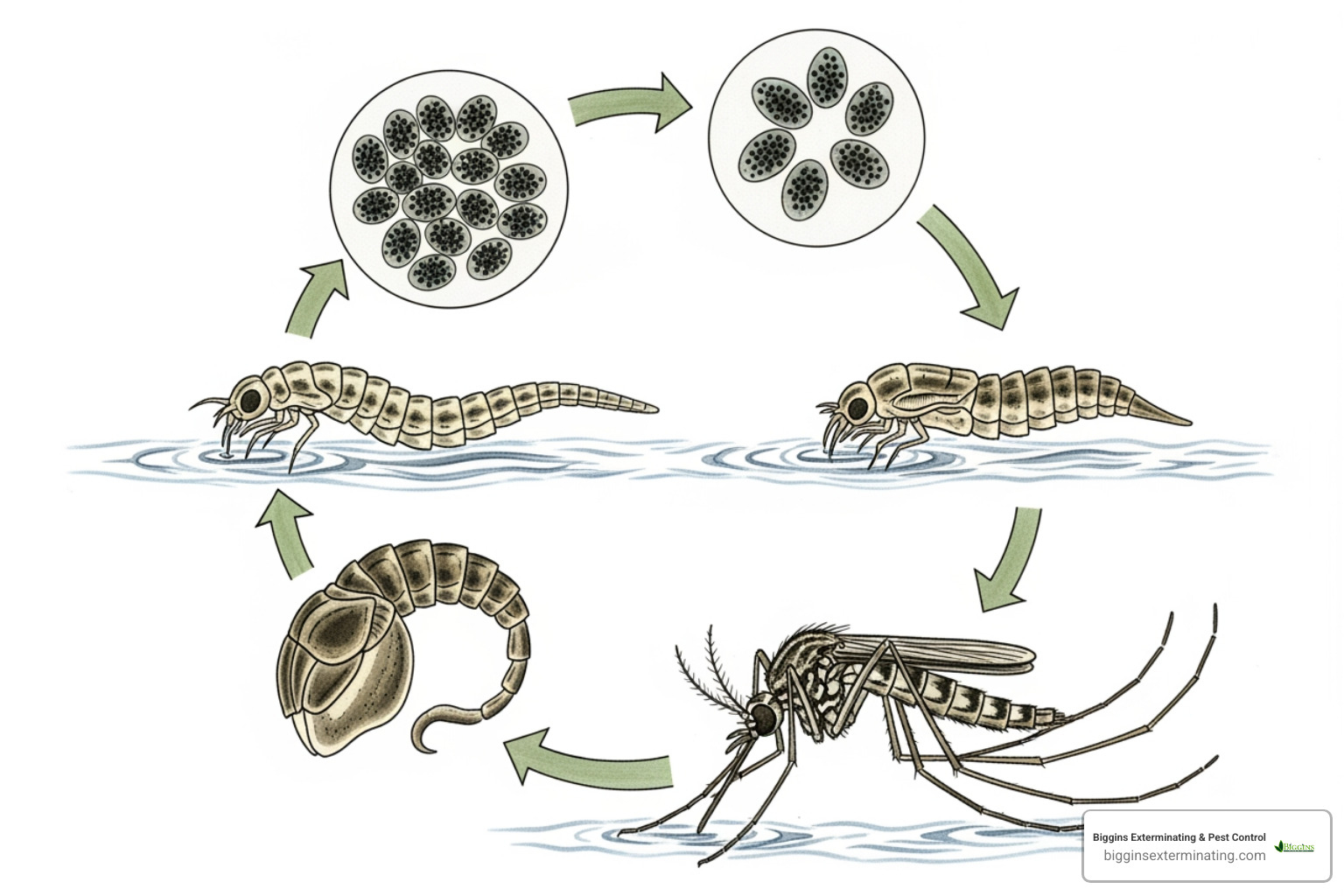
Mosquitoes undergo a complete metamorphosis with four distinct stages: egg, larva, pupa, and adult. The entire development from egg to adult can take as little as 10 to 14 days under ideal warm conditions. This rapid lifecycle means that if conditions are right, mosquito populations can explode in a very short period.
Here in Massachusetts, mosquitoes typically become active once outdoor temperatures reach 50 degrees Fahrenheit. This often means we start seeing activity in early spring, and it continues through the fall until temperatures drop consistently below this threshold. For instance, common species like the Asian Tiger Mosquito (Aedes albopictus) and the Southern House Mosquito (Culex quinquefasciatus) are prevalent in residential areas. The Asian Tiger Mosquito is known for being a daytime biter, often found in shaded, humid areas of our yards, while the Southern House Mosquito is more active at dawn and dusk.
Understanding their activity patterns is key. Mosquitoes are generally most active during dawn and dusk, but some species will bite throughout the day, especially in shaded areas. This knowledge helps us determine the best times to apply treatments or take personal protective measures. For a deeper dive into how these pests interact with our local environment, you can explore our guide on understanding the lifecycle and behavior of pests in Massachusetts.
The Foundation of Yard Mosquito Control: Eliminating Breeding Grounds
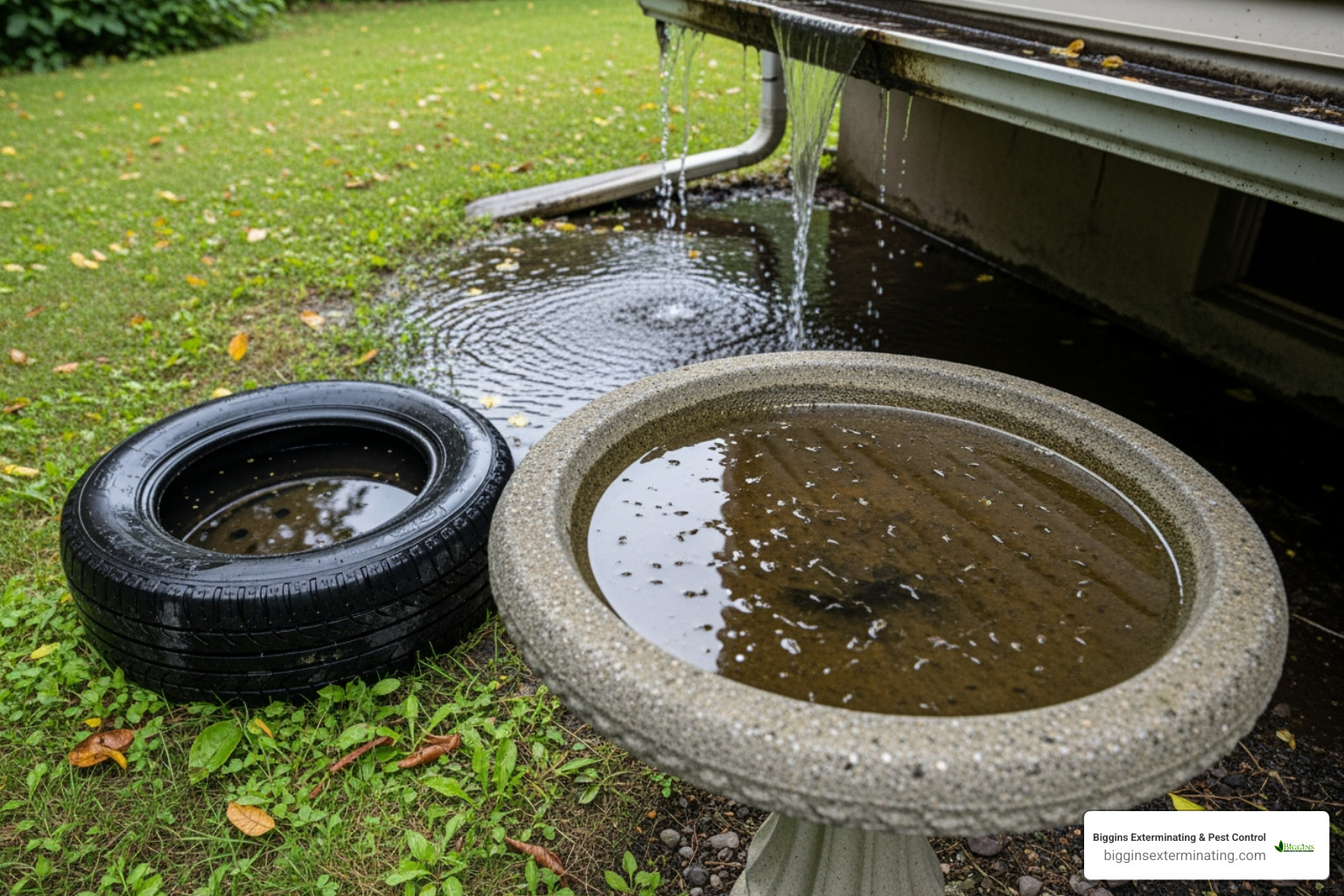
The most fundamental and effective step in yard mosquito control is eliminating standing water. Female mosquitoes need water to lay their eggs, and they’re not picky about where they find it. Even a small amount of water, like that found in a bottle cap, can be enough for hundreds of eggs.
We often call this the “Tip ‘n Toss” method – if it holds water, tip it out! Identifying and routinely emptying these breeding sites is crucial, especially in our Massachusetts neighborhoods.
Common culprits in our yards include:
- Birdbaths: While lovely for birds, these need to be emptied and refilled at least once a week to prevent mosquito larvae from developing.
- Clogged Gutters: Leaves and debris can easily block gutters, creating perfect pools of stagnant water. We recommend checking and cleaning your gutters several times a year.
- Flowerpots and Saucers: The saucers under potted plants can collect water. Empty them regularly.
- Old Tires: Tires are notorious breeding grounds for mosquitoes. If you have any old tires, consider removing them, recycling them, or drilling drainage holes if they’re being repurposed for play.
- Unused Buckets, Tarps, and Toys: Any container left outside that can collect rainwater is a potential mosquito nursery. Turn them over, cover them, or store them away.
- Tree Holes: Water can accumulate in holes in trees. These can be filled with sand or expandable foam to prevent breeding.
- Neglected Pools and Hot Tubs: Ensure swimming pools are properly chlorinated and maintained. Even pool covers can collect water that needs to be removed.
- Low Spots in the Yard: Areas that consistently collect water after rain should be filled in or treated.
Beyond eliminating standing water, your landscaping choices can also play a significant role in deterring mosquitoes. Mosquitoes prefer cool, shady, humid spots to rest during the day. By keeping your lawn mowed short (under 2 inches in length) and trimming overgrown shrubs and bushes, you reduce these ideal resting places. This simple act of yard maintenance can make your property less hospitable to adult mosquitoes.
Finally, consider your outdoor lighting. Changing the lighting is a great way to keep mosquitoes as well as other insects away. Many flying insects, including mosquitoes, are attracted to traditional lights at night. Switching to “insect-repelling lighting,” such as yellow-hued bulbs, can make your outdoor areas less appealing to these nighttime nuisances.
An Integrated Approach: Combining Methods for Maximum Effect
To truly achieve effective yard mosquito control in Massachusetts, we advocate for an approach known as Integrated Pest Management (IPM). IPM is a comprehensive, scientifically-backed strategy that combines various control methods to manage pest populations while minimizing risks to people, pets, and the environment. It’s about working smarter, not just harder. You can learn more about the role of Integrated Pest Management in Massachusetts on our site.
As the EPA highlights, an integrated approach is key to success. For mosquitoes, IPM involves:
- Cultural Controls: These are the preventative measures we just discussed, like eliminating standing water and maintaining your yard. By modifying the environment, we make it less suitable for mosquitoes.
- Biological Controls: This involves using natural enemies or biological agents to reduce mosquito populations. We can encourage natural predators or introduce specific treatments.
- Chemical Controls: When necessary, targeted application of EPA-approved pesticides can effectively reduce mosquito numbers, particularly during outbreaks or high activity.
Natural Methods for Yard Mosquito Control
For those who prefer a more organic approach or want to supplement chemical treatments, several natural methods can contribute to yard mosquito control.
- Repellent Plants: Certain plants naturally deter mosquitoes. Consider incorporating lavender, citronella grass, marigolds, mint, rosemary, basil, sage, lemon balm, lemon thyme, and catnip into your landscaping, especially around patios and seating areas. While they can help, it’s important to remember these plants alone may not eliminate a significant mosquito problem.
- Essential Oils: Essential oils like eucalyptus and citronella can be used in diffusers or diluted for topical application (always follow instructions carefully). However, essential oils are being researched for mosquito repellency, but they are not currently CDC-approved for yard use. Always consult with a vet if you have pets, as some essential oils can be toxic to them. We also offer green pest control options for those seeking environmentally friendly solutions.
- Natural Predators: Encouraging mosquitoes’ natural enemies can be a fun and eco-friendly part of your strategy. Bats and birds, for example, feed on mosquitoes. Building bat houses or placing bird feeders can attract these beneficial creatures to your yard. Did you know one brown bat can devour up to 1,000 mosquitoes each hour? However, don’t expect them to single-handedly solve a severe infestation. Mosquito fish are another biological control, ideal for ornamental ponds, as one large female mosquito fish can eat up to 500 larvae per day.
- Fans for Patios: Mosquitoes are weak fliers. Placing fans around your patio or deck can create wind currents that make it difficult for them to land, providing a simple, short-term solution for outdoor gatherings.
Chemical Treatments and Application
When natural methods aren’t enough, or for more significant infestations, targeted chemical treatments are often necessary for effective yard mosquito control. These come in two main forms:
- Larvicides for Standing Water: These products target mosquito larvae and pupae in standing water before they can develop into biting adults. Larvicides are a type of insecticide used to control mosquitoes by killing them in their immature stages. They come in various forms, including liquids, tablets, pellets, and briquettes.
- Bti (Bacillus thuringiensis israelensis): This is a naturally occurring bacterium that specifically targets mosquito, fungus gnat, and black fly larvae with almost no impact on other species. It’s often sold as “dunks” or granules. The Environmental Protection Agency provides more information on Bti for mosquito control.
- Methoprene: This is an insect growth regulator that disrupts the mosquito’s life cycle, preventing larvae from maturing into adults. The National Pesticide Information Center offers details on methoprene. Larvicides should be applied to standing water that cannot be easily eliminated, such as rain barrels, non-chlorinated pools, or decorative ponds. You can learn more about what you need to know about larvicides from the CDC.
- Adulticides (Barrier Sprays and Fogging): These products are designed to kill adult mosquitoes.
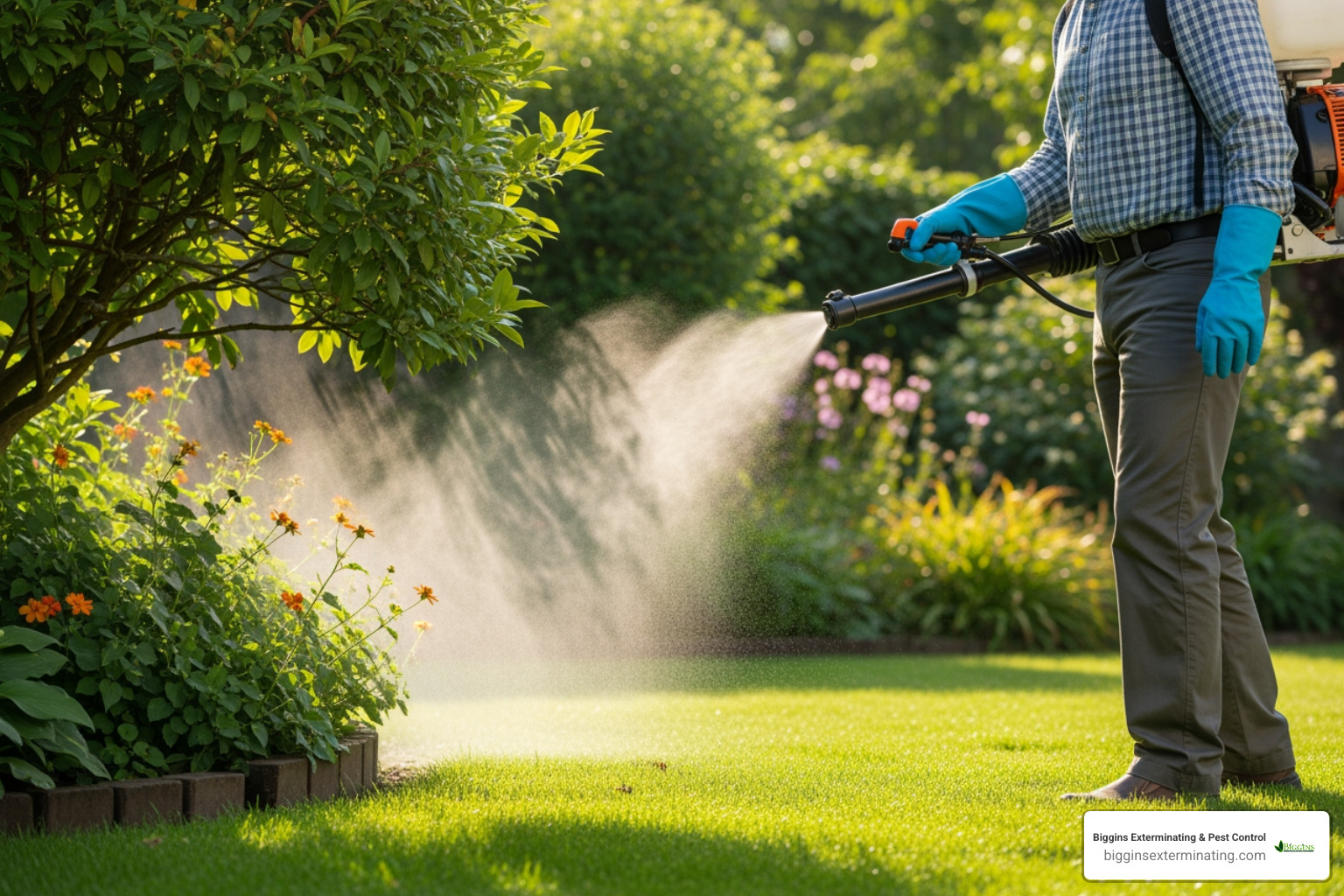
- Barrier Sprays: These are typically applied to vegetation around your yard where adult mosquitoes rest, such as shrubs, bushes, and the undersides of leaves. These treatments create a barrier that kills mosquitoes on contact and can offer residual protection for several weeks. Common active ingredients include synthetic pyrethroids like permethrin, sumithrin (d-phenothrin), and deltamethrin. These are similar to natural pyrethrins extracted from chrysanthemum flowers. Professional applications often use specialized equipment to ensure precise and effective coverage.
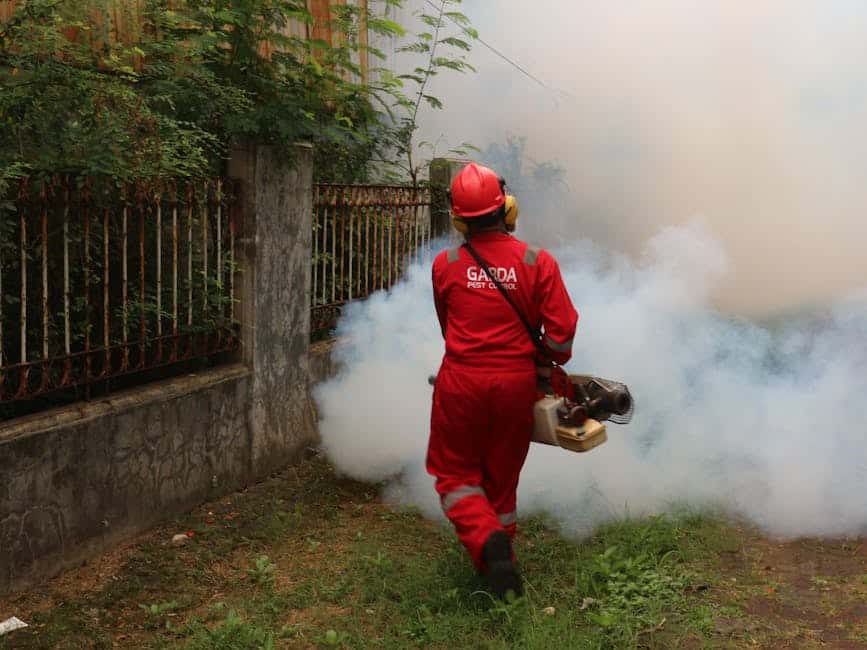
- Mosquito Fogging: Foggers disperse a fine mist of insecticide that quickly knocks down adult mosquitoes in the air. This is often used for immediate relief before an outdoor event. While effective for quick reduction, fogging typically offers less residual protection than barrier sprays. The CDC provides information on what you need to know about outdoor spraying and adulticides.
It’s critical to remember that many adult mosquito control products are risky and can cause harm to beneficial pollinators, fish, and other non-target species. This is why always following product label instructions and considering professional application is paramount. Professional treatments are designed for targeted application, minimizing environmental impact while maximizing effectiveness. For example, some professional treatments can last for about 3-4 weeks, though this can vary based on weather conditions.
Professional vs. DIY: Choosing the Right Mosquito Control Strategy
When it comes to yard mosquito control, Massachusetts homeowners often weigh the options between tackling the problem themselves or hiring a professional. Both approaches have their merits and drawbacks, and understanding the differences can help you make the best choice for your family’s safety and comfort.
| Feature | DIY Methods | Professional Services |
|---|---|---|
| Effectiveness | Can reduce mosquito numbers but often provides incomplete coverage. Success depends heavily on using the right products and consistent application. | Highly effective due to commercial-grade products, specialized equipment, and expert knowledge of mosquito behavior and resting spots. |
| Cost | Lower initial cost for store-bought products. However, costs can add up with repeated applications, and ineffective treatments can be a waste of money. | Higher upfront cost per treatment, but often more cost-effective in the long run due to superior, longer-lasting results. |
| Safety | Poses risks if products are mixed or applied incorrectly. Potential harm to children, pets, beneficial insects like pollinators, and the local ecosystem. | Licensed technicians are trained in safe application procedures, minimizing risks. They use targeted treatments and know how to protect non-target species. |
| Convenience | Requires significant time and effort for research, purchasing supplies, and performing treatments. Ongoing maintenance is necessary. | A “set it and forget it” solution. Professionals handle everything on a recurring schedule, saving you time and hassle. |
| Longevity | Protection is often short-lived, requiring frequent reapplication, sometimes after every rainfall. | Treatments are formulated to last for several weeks (typically 3-4), providing a consistent barrier against mosquitoes. |
While DIY methods can offer some relief, they often fall short of providing comprehensive protection. The risks associated with handling pesticides without proper training are significant, which is why we often warn homeowners about the dangers of DIY pest control in Massachusetts.
Hiring a professional service like Biggins Exterminating ensures that treatments are not only effective but also applied with the utmost care. Our licensed technicians understand how to target mosquitoes precisely while safeguarding your family and pets. We prioritize safe pest control for pets and the environment, giving you peace of mind along with a mosquito-free yard.