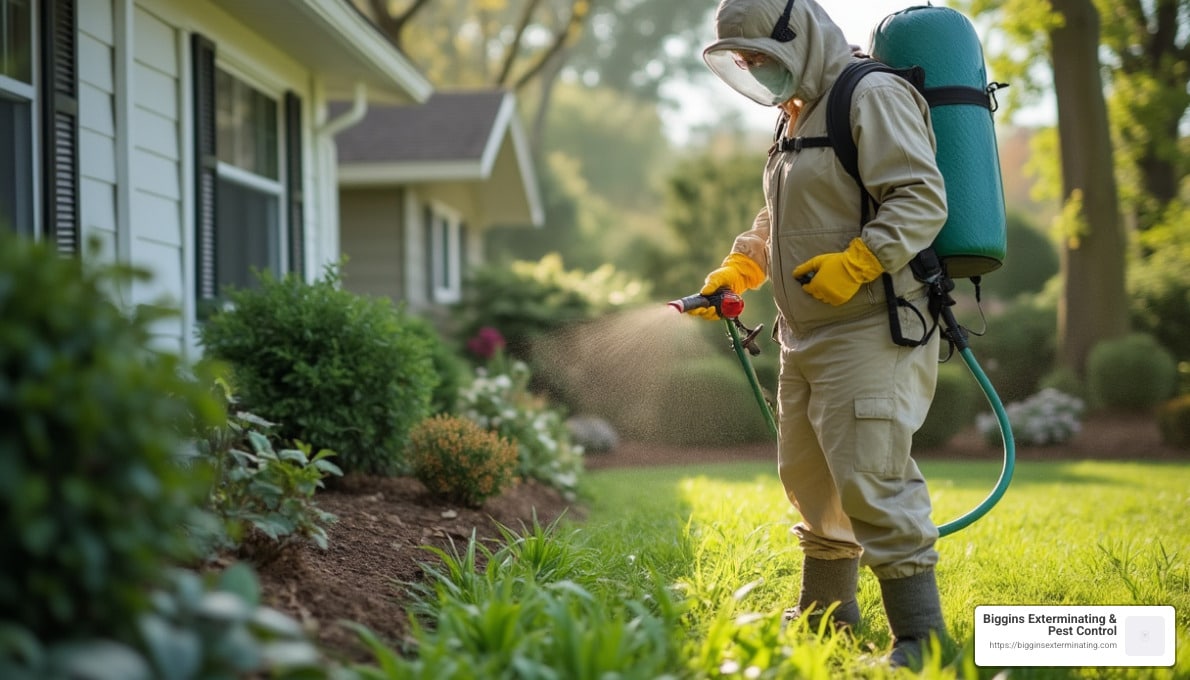
Understanding Eco-Friendly Pest Control
Choosing an environmentally safe exterminator means opting for pest control methods that protect your family, pets, and the natural world. If you’re quickly looking to find an eco-friendly exterminator, here’s what to consider:
- What is it? Pest control that avoids toxic chemicals, using organic products and targeted, low-impact methods.
- Benefits: Safer for family and pets, protects beneficial insects (like bees), reduces chemical pollution, and provides effective, long-term pest management.
- Typical Methods: Plant-based products, beneficial insects, natural repellents, integrated pest management (IPM).
- Average cost range (based on internet sources, not actual Biggins Exterminating prices): $100 to over $500, varying widely by pest type and infestation severity.
I’m Stephen Biggins, owner of Biggins Exterminating, with over 40 years’ experience helping Massachusetts homeowners achieve pest-free environments using proven environmentally safe exterminator methods. In this guide, you’ll learn why making the eco-conscious pest control choice is smart—and how to ensure you’re doing it right.
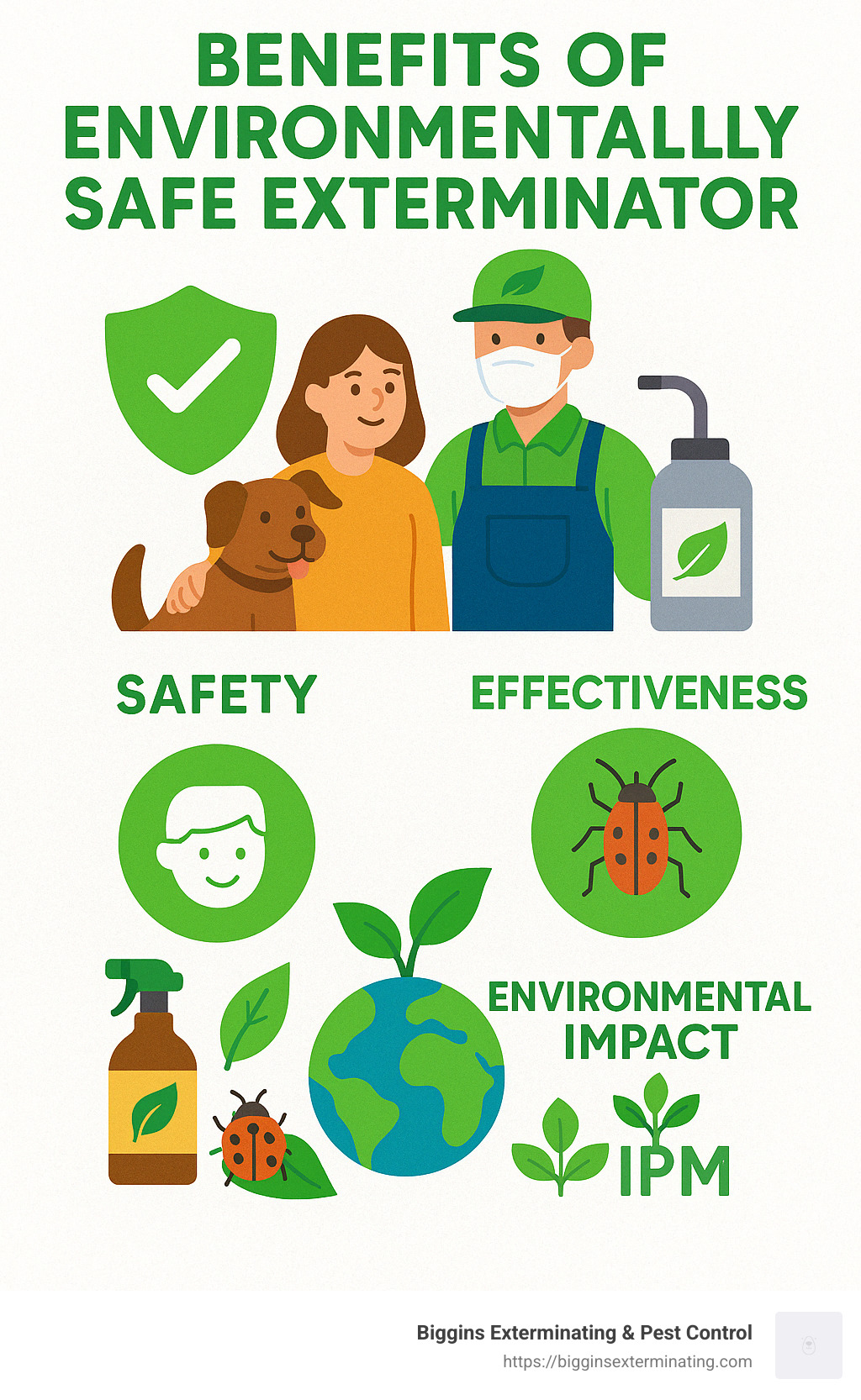
The growing concern for our environment and personal health has led to a significant shift in how we approach pest control. As more homeowners become aware of the potential risks associated with traditional chemical pesticides, the demand for environmentally safe alternatives has surged.
What is Eco-Friendly Pest Control?
Eco-friendly pest control, also known as green pest control or organic pest control, refers to methods that effectively manage pest populations while minimizing harm to the environment, non-target organisms, and human health. At its core, this approach prioritizes prevention, uses natural or low-toxicity products, and implements targeted treatments rather than broad-spectrum chemical applications.
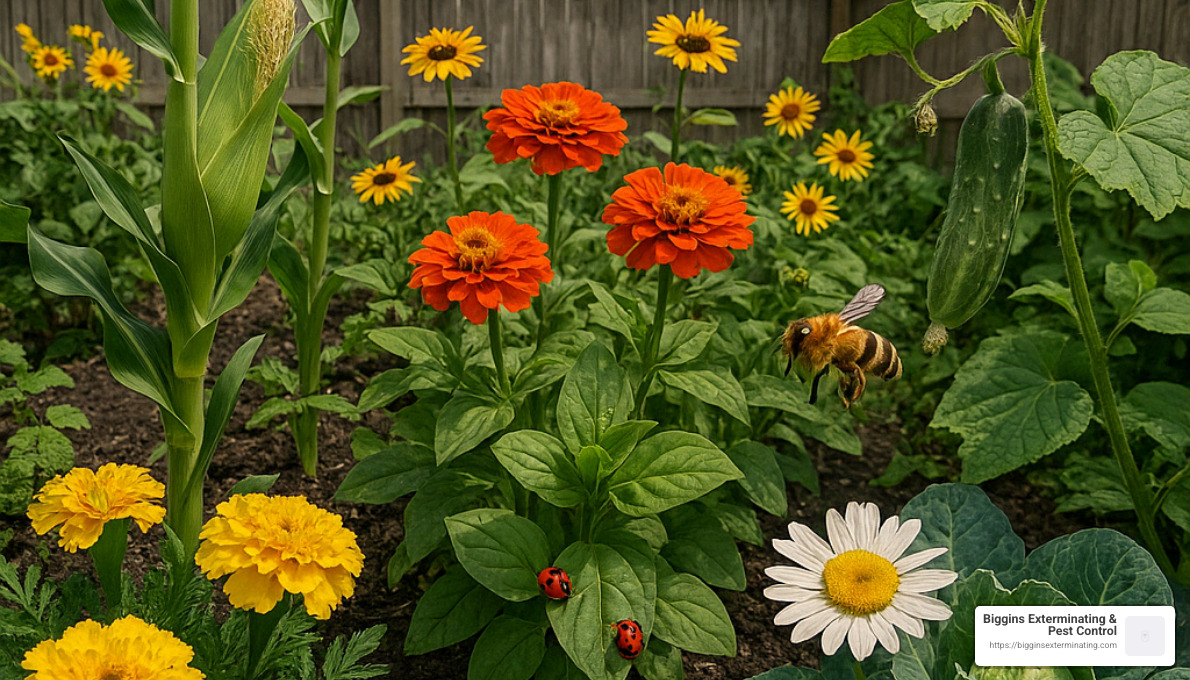
As Joe Lamp’l, a respected gardening expert, wisely notes: “A healthy garden is the single best natural pest control there is.” This philosophy extends beyond gardens to our homes and businesses—creating environments that naturally discourage pests is the foundation of eco-friendly pest management.
The key principles of eco-friendly pest control include:
- Prevention first: Addressing the root causes of pest problems before they become infestations
- Minimal intervention: Using the least toxic methods necessary to achieve control
- Targeted application: Focusing treatments on specific problem areas rather than widespread application
- Natural products: Utilizing botanical extracts, essential oils, and other naturally-derived substances
- Integrated approach: Combining multiple strategies for comprehensive, sustainable pest management
How Does It Differ from Traditional Methods?
Traditional pest control typically relies on synthetic chemical pesticides designed to kill pests quickly. While effective in the short term, these methods often come with significant drawbacks:
| Traditional Pest Control | Environmentally Safe Pest Control |
|---|---|
| Synthetic chemical pesticides | Natural and botanical-based products |
| Broad-spectrum application | Targeted, minimal application |
| Quick knockdown of pests | Gradual, sustainable control |
| Potential for pesticide resistance | Reduced risk of resistance development |
| Environmental persistence | Biodegradable, minimal residue |
| Risk to beneficial insects | Protection of pollinators and natural predators |
| Potential health concerns | Safer for families, pets, and sensitive individuals |
According to the Environmental Protection Agency (EPA), Integrated Pest Management (IPM)—a cornerstone of eco-friendly pest control—can reduce pesticide use by up to 90% in some cases while maintaining effective pest control. This remarkable statistic highlights the potential for dramatically reducing chemical exposure while still achieving the desired results.
An environmentally safe exterminator takes a fundamentally different approach to pest management. Rather than simply spraying chemicals and hoping for the best, they conduct thorough inspections, identify the specific pests involved, determine the underlying causes of the infestation, and develop a customized plan that minimizes environmental impact.
As one industry expert puts it: “The old-school bug exterminator mentality has to be replaced by a school of thought that emphasizes prevention, safety, environmental responsibility, and efficacy.” This philosophy guides our approach at Biggins Exterminating & Pest Control, where we’ve been implementing eco-friendly pest management practices throughout Massachusetts for over four decades.
The Benefits of Choosing an Environmentally Safe Exterminator
When pests invade your home, it’s tempting to reach for the quickest solution without considering the consequences. However, choosing an environmentally safe exterminator offers benefits that go beyond simply eliminating unwanted critters. Let’s explore why so many homeowners are now making the switch to eco-friendly pest control methods.
Health and Safety Advantages
Your family’s health and safety always come first—and that’s one of the strongest reasons to choose an environmentally safe exterminator. Traditional chemical pesticides have been linked to health issues such as respiratory problems, skin irritation, allergic reactions, headaches, dizziness, and even potential long-term effects after repeated exposure.
Children and pets are especially vulnerable. Kids love to play on floors, lawns, and carpets—places where chemical residue can linger. Curious pets also face risks by inhaling, ingesting, or directly contacting harmful chemicals.
Eco-friendly pest control methods, on the other hand, use plant-based products, natural repellents, and low-toxicity treatments that dramatically reduce these health risks. In fact, many green products require no “waiting period” after treatment. This means you won’t have to temporarily leave your home or worry about harmful residues left behind—giving you best peace of mind.
One of our customers recently shared their experience: “Keith was wonderful to work with. He understood our concerns about traditional pesticide use and worked with us to find a solution that solved our carpenter ant issue without jeopardizing the health of our garden and pollinators.” It’s stories like these that make eco-friendly extermination the clear choice for families who prioritize safety first.
Environmental Benefits
Choosing an environmentally safe exterminator isn’t just good for you—it’s good for the planet, too. Traditional pesticides don’t discriminate between pests and beneficial creatures, often harming bees, butterflies, and other pollinators along the way. Pollinator populations have been dropping around the globe, partly due to widespread pesticide use. Green pest control takes a targeted, gentle approach that helps protect these critical beneficial insects.
Our ecosystems are delicate, interconnected networks. Chemical pesticides can easily contaminate groundwater and soil, harming wildlife and aquatic systems. Natural pest control products typically break down faster, making them safer for our water resources and wildlife habitats.
Additionally, many traditional pest control products contain volatile organic compounds (VOCs), contributing to air pollution problems. Eco-friendly alternatives contain fewer or no VOCs, helping maintain healthier indoor and outdoor air quality for everyone.
By preserving natural predator-prey relationships and promoting biodiversity, environmentally safe pest control supports long-term ecosystem health. It encourages a balanced, sustainable environment in and around your property.
An industry expert sums it up well: “Natural pest controls, though slower acting, can be just as effective as synthetic pesticides over time when combined with proper practices.” Choosing an environmentally safe exterminator doesn’t mean sacrificing results—it simply means choosing a safer, smarter, long-term solution that’s better for your family and our shared environment.
Natural and Organic Methods Used in Green Pest Control
When you choose an environmentally safe exterminator, you’re tapping into a rich toolbox of natural, organic methods. These techniques blend wisdom from nature itself with modern innovation—ensuring effective pest control without harsh, toxic chemicals.
At Biggins Exterminating & Pest Control, we know the power of nature-friendly products and methods. Let’s explore the trusted solutions that help keep your home pest-free while protecting your loved ones and the environment.
Common Natural Pest Control Products
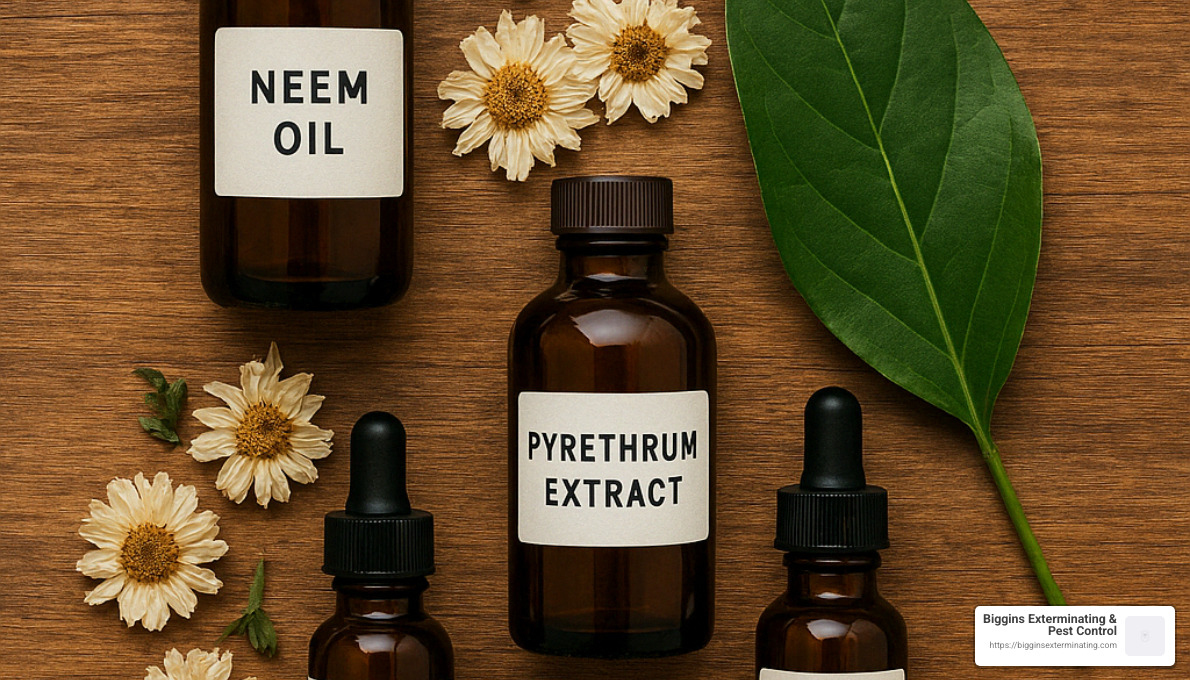
Natural pest control products use ingredients found in nature—a safe yet powerful alternative to conventional chemicals.
Botanical insecticides are one effective category. For example, pyrethrum comes from the dried flower heads of chrysanthemums and can quickly knock down insects, yet breaks down rapidly, reducing environmental impact. Neem oil, derived from neem trees, tackles pests and even fungal issues, making it a garden favorite. Plus, essential oils such as rosemary, peppermint, clove, and thyme don’t just smell nice—they help repel and manage many common insects naturally.
Microbial insecticides rely on beneficial microorganisms to target pests. Take Bacillus thuringiensis (Bt), a naturally occurring soil bacterium. Bt is highly effective against specific insect larvae but is harmless to people, pets, wildlife, and beneficial insects. Similarly, certain fungi like Beauveria bassiana naturally infect and control pests like aphids or whiteflies.
Nature also provides mineral-based products that control pests through physical rather than chemical means. Diatomaceous earth, made from microscopic fossilized marine creatures, physically cuts into insect exoskeletons, causing pests to dry out and die. Another mineral option, boric acid, has been effectively controlling pests (especially roaches) for decades by disrupting their digestive systems when ingested.
In addition, there are gentle yet effective insecticidal soaps made from fatty acids that disrupt insect membranes, and natural horticultural oils that suffocate pests by blocking their oxygen supply.
One of our favorite industry products at Biggins Exterminating is Essentria, a plant-based insecticide formulated to organic standards by the National Organic Program (NOP). It’s classified as a minimum-risk pesticide (25(b)), meaning it has such low environmental impact and toxicity that it requires no waiting period before safely re-entering treated areas.
Integrated Pest Management Techniques
Natural products are just one part of the solution. Effective green pest control is about taking a smart, holistic approach known as Integrated Pest Management (IPM). As the Environmental Protection Agency (EPA) explains, IPM combines multiple methods to prevent and control pests in a way that’s safe and sustainable.
IPM starts with a thorough inspection and monitoring of your property. An experienced environmentally safe exterminator will carefully check for signs of pests, identify potential entry points, and look for conditions that attract pests. Regular follow-up inspections and tools like sticky traps, pheromone monitors, and UV light traps help track pest activity, ensuring we stay ahead of potential issues.
Next comes habitat modification—fixing the root causes that attract pests in the first place. This includes sealing cracks and gaps around your home (remember, pests can squeeze through any opening larger than a pencil circumference!), removing sources of food, water, and shelter, and even landscaping adjustments to discourage pests from settling in.
Another exciting aspect of IPM is biological control. This method uses beneficial insects—nature’s own pest control agents—to tackle unwanted pests naturally. For example, ladybugs, lacewings, and predatory mites can dramatically reduce pest populations. Studies have shown beneficial insects alone can lead to pest reductions of up to 73%!
Sometimes, simple solutions like mechanical or physical controls are best. These include traps (even humane traps for rodents), physical barriers around plants or homes, and treatments using heat, cold, or steam instead of chemical sprays.
When treatments are needed, IPM emphasizes minimal chemical intervention. This means choosing products with the lowest possible toxicity, targeting treatments only where needed rather than blanket spraying, and using products that break down quickly in the environment.
As industry expert Patrick Copps says, “Consider greening up your IPM program this year. Your facility and the environment will see a difference.” At Biggins Exterminating & Pest Control, we’ve been implementing IPM techniques throughout our Massachusetts communities—including Andover, Bedford, Billerica, Burlington, Lexington, North Reading, Tewksbury, Wilmington, and Woburn—for more than 40 years. Time and again, we’ve seen that blending these natural methods into a complete strategy yields the best long-term pest control results.
Want to learn more about Integrated Pest Management and how it helps Massachusetts homeowners? Check out our detailed guide on The Role of Integrated Pest Management in Massachusetts.
How Effective is Eco-Friendly Pest Control?
One of the questions we often hear from homeowners considering eco-friendly pest solutions is, “Does green pest control actually work?” It’s a fair question, and we’re happy to reassure you that yes, it absolutely does. Let’s explore how effective eco-friendly methods can be—and why they might even outperform traditional treatments in the long run.
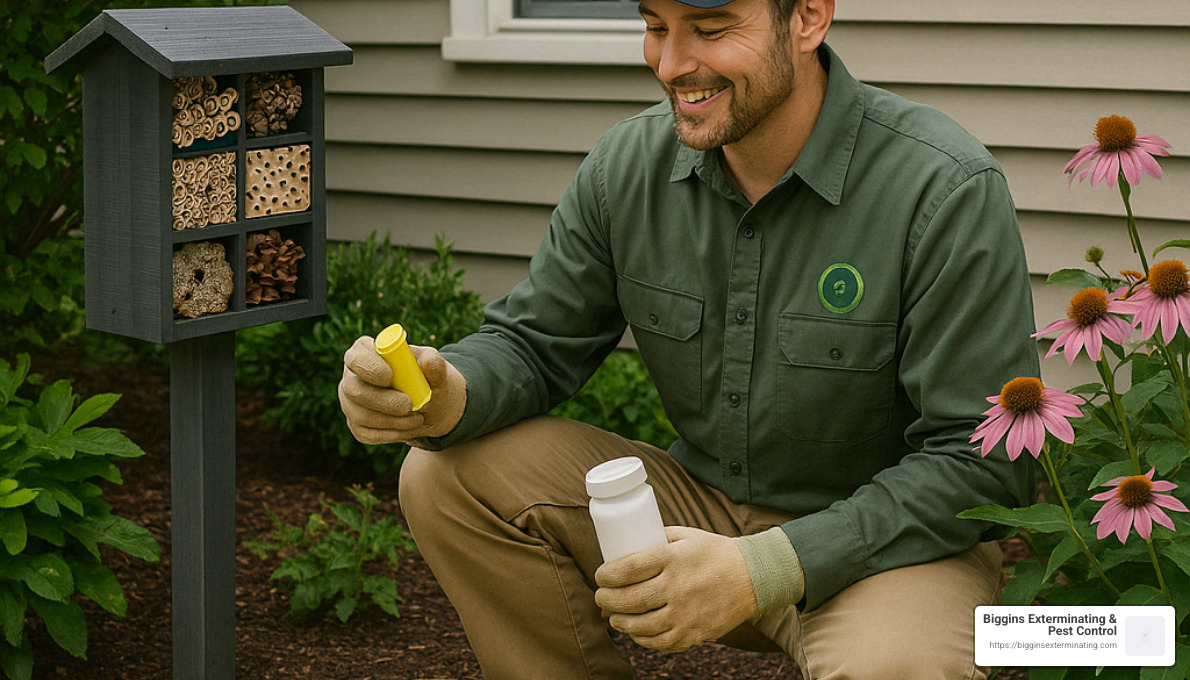
Addressing Common Myths
You’ve probably heard some skepticism about green pest management. It’s understandable! Here at Biggins Exterminating & Pest Control, we’ve encountered several common myths, so let’s clear them up:
Myth #1: “Eco-friendly treatments aren’t as effective as chemical pesticides.”
This is probably the biggest myth around eco-friendly pest control. Traditional pesticides kill pests quickly. But here’s the catch: pests can actually develop resistance to these chemicals over time, making them less effective. On the other hand, eco-friendly methods, including Integrated Pest Management (IPM), use a combination of approaches that prevent resistance. Studies, including those cited by the Environmental Protection Agency (EPA), show IPM can reduce pesticide use by up to 90% while still effectively keeping pests in check. That’s pretty impressive!
Myth #2: “Green pest control takes too long to show results.”
Okay, we get it—if you see a bunch of ants marching across your kitchen, you want them gone yesterday. While certain natural treatments might work more gradually than chemical sprays, they’re designed to address the root causes and not just to provide a quick fix. When used correctly by an environmentally safe exterminator, green methods can deliver effective results within similar timeframes to traditional approaches. Better yet, they usually provide more sustainable, lasting pest control solutions.
Myth #3: “Eco-friendly pest control is only good for minor issues.”
This one’s definitely not true! An experienced professional using Integrated Pest Management knows exactly how to handle serious infestations using a multi-faceted approach. As one industry expert notes: “Products used in green pest control have been validated by research and real-world applications—they’re effective for even challenging pest problems when implemented as part of a thoughtful, integrated strategy.”
Examples of Success
We wouldn’t ask you to take our word for it without evidence, right? Let’s check out some real-world examples that highlight the effectiveness of choosing environmentally friendly pest control:
- Scientific studies have demonstrated impressive results using beneficial insects (like ladybugs and lacewings), achieving up to 73% reduction in pest populations within agricultural settings.
- Customers often share positive experiences, like the homeowner who reached out to an eco-friendly expert to deal with persistent wasps nesting inside their hot tub mechanism. Amazingly, the expert solved the issue effectively the very same day—without harsh chemicals.
- The EPA itself has highlighted the effectiveness of IPM, noting substantial reductions in chemical pesticide use with no decrease in overall pest control effectiveness.
The takeaway? When done correctly, eco-friendly pest solutions not only work—they often outperform traditional pesticides over time by preventing future infestations and avoiding resistance issues.
At Biggins Exterminating & Pest Control, we’ve seen this firsthand. Over our 40+ years serving communities like Wilmington, Lexington, Andover, and other areas around Massachusetts, we’ve successfully handled countless pest problems using eco-friendly methods and Integrated Pest Management.
Of course, the key to success is having an experienced environmentally safe exterminator who understands how to implement these techniques correctly. A professional assessment, targeted treatments, and preventative strategies combine to deliver results you can count on.
Safety of Green Pest Control Methods for Families, Pets, and Beneficial Insects
One of the best reasons to choose an environmentally safe exterminator is peace of mind. When you choose green pest control methods, you’re choosing safer treatments for your family, your beloved pets, and the helpful creatures that share your yard.

Protecting Your Loved Ones
Traditional, chemical-based pest control products certainly do their job, but they can have unintended effects, especially on vulnerable family members. Children, elderly folks, pregnant women, and anyone with asthma or allergies can be sensitive to chemical residue. Kids, in particular, love to play on the floor or in the yard—exactly where chemical residues often end up lingering.
Thankfully, eco-friendly pest control methods are gentler yet still highly effective. Environmentally safe treatments rely on lower-toxicity products, often derived from natural substances like plant oils or minerals. While harmful to pests, these natural ingredients are generally safe for humans and pets.
A major advantage is that many eco-friendly products have no required re-entry period. This means you and your family don’t need to leave your home during or after treatment. You can continue your daily routine without worry, and without having to pack up the whole household for a chemical “timeout.”
Experienced environmentally safe exterminators also practice targeted treatments. They pinpoint exactly where pests live and breed, instead of spraying broadly across your home or yard. This targeted approach significantly reduces any chance of unnecessary pesticide exposure.
In fact, as we like to say here at Biggins Exterminating & Pest Control, “In many cases, we do not even need to come into the home with pesticides, green or otherwise, in order to keep the indoors bug free.” Less pesticide used means fewer worries for you. One of our customers even shared their relief, praising technician Zach for “his level of concern about my pet and property” while handling their pest issue safely.
Preserving Beneficial Insects
It’s not just your family and pets who benefit from choosing a green approach—our local ecosystems win too! Traditional pesticides can harm more than the pests you’re targeting. Unfortunately, helpful insects like butterflies, honeybees, ladybugs, and dragonflies often get caught in the crossfire. These beneficial insects naturally keep pests in check and pollinate our gardens and crops.
Choosing eco-friendly pest control methods protects these essential creatures. Bees and butterflies have faced alarming declines due to chemical pesticides. By selecting gentle, natural pest control treatments, you support pollinator populations, helping flowers bloom and fruits grow.
Likewise, beneficial predators such as ladybugs, praying mantises, and lacewings naturally control pest insects, reducing the need for chemical treatments in the long run. Eco-friendly techniques spare these beneficial insects, preserving nature’s built-in pest control team.
Another important, yet often forgotten, benefit is soil health. Healthy soil is full of helpful microorganisms and creatures that break down leaves, nourish plants, and support a balanced ecosystem. Chemical pesticide residues can disrupt these tiny, hardworking helpers. Environmentally safe methods support these helpful soil communities instead of hurting them.
As one industry expert emphasizes, eco-friendly treatments are “suitable for sensitive settings like zoos, animal clinics, schools, and food processing facilities,” underscoring just how gentle yet effective these methods are.
At Biggins Exterminating & Pest Control, we’ve proudly practiced environmentally safe pest control throughout communities like Wilmington, Andover, Bedford, and the surrounding areas for over 40 years. We believe that pest management should protect your home, your health, and our planet. Choosing an experienced environmentally safe exterminator ensures you’ll get great results without unintended harm to your family, pets, or the valuable insects living alongside you.
Preventative Measures Homeowners Can Take
Prevention is truly the cornerstone of eco-friendly pest management. As a homeowner, you have tremendous power to create an environment that naturally discourages unwanted visitors before they become a problem. Think of it as rolling out an “unwelcome mat” for pests while creating a healthier home for your family.
Simple Steps to Reduce Pests
The most effective pest control strategy starts with making your home less appealing to unwanted guests. It’s like preparing for houseguests you don’t want to stay long—don’t make them too comfortable!
Your kitchen is often pest central command. Keep food in airtight containers and clean up spills immediately to avoid sending dinner invitations to ants and roaches. I always tell my customers that a crumb to us is a feast to an ant! Wiping counters and sweeping floors regularly eliminates those microscopic food particles that attract pests.
Even your pets’ dining habits matter. Feed pets at consistent times rather than leaving food out all day, and store pet food in sealed containers. Your garbage area needs attention too—tight-fitting lids are essential for keeping curious critters out of your trash.
Water is just as attractive to pests as food. Fix leaky pipes and faucets promptly—even a slow drip can sustain a colony of insects. Outside your home, address drainage issues and clear gutters regularly to prevent moisture buildup. In basements or crawl spaces that tend to be damp, using dehumidifiers can make these areas less hospitable to moisture-loving pests.
Pests need hiding places, so eliminating these harborage areas is crucial. Declutter storage areas where boxes and piles provide perfect pest apartments. Outside, keep firewood liftd and away from the house and trim vegetation back from your foundation. Many homeowners don’t realize that branches touching your home create perfect highways for insects to travel indoors!
Perhaps the most important preventative step is blocking entry points. As we like to say at Biggins Exterminating, “If they can’t get in, you don’t need to get them out.” Seal cracks in your foundation, install door sweeps, and repair damaged screens. An opening no larger than a pencil circumference can welcome mice into your home, while cockroaches can squeeze through gaps as narrow as 1/16 of an inch!
Our field experience shows that sealing exterior gaps and holes can reduce pest complaints by as much as 65%. That’s a remarkable return on a simple weekend project with some caulk and weather stripping.
Supporting Eco-Friendly Efforts
Beyond basic prevention, you can actively create an environment that works with nature rather than against it. Your garden can be your first line of defense in pest management.
Creating a healthy garden ecosystem naturally discourages pest problems. Consider planting pest-resistant varieties and using companion planting techniques—marigolds repel many garden pests, while basil and mint deter flies and mosquitoes. Maintaining healthy soil with proper nutrients creates stronger plants that naturally resist pests.
Many homeowners find success with natural deterrents around their property. Simple solutions like vinegar and essential oil cleaning sprays can discourage ants, while cedar blocks in closets help keep moths away from your clothes. Some of our customers swear by sprinkling cinnamon or cayenne around entry points to create natural barriers.
The most effective approach combines your preventative efforts with professional expertise. An environmentally safe exterminator like Biggins can help you identify vulnerable areas you might miss and recommend specific preventative measures for your unique situation. We view our relationship with customers as a partnership—we’ll handle the tough pest problems, while guiding you on prevention strategies that reduce the need for treatments.
As one pest management expert wisely noted, “The best time to address pest problems is before they begin.” By implementing these preventative measures, you’re not just avoiding the inconvenience of pest invasions—you’re creating a healthier living environment for your family while contributing to the ecological balance of your community.
If you’re looking for more specific guidance on eco-friendly approaches to pest management, you might find our guide on Eco-Friendly Pest Control Near Me helpful for understanding local options and solutions custom to Massachusetts homes.
How to Choose an Environmentally Safe Exterminator
Selecting the right environmentally safe exterminator can feel overwhelming at first—after all, many companies claim to be “green” or “eco-friendly.” But a closer look reveals important differences in their methods and commitment to true eco-friendly practices. Here’s what you need to know to choose a pest control provider that’s truly safe for your family and the environment.
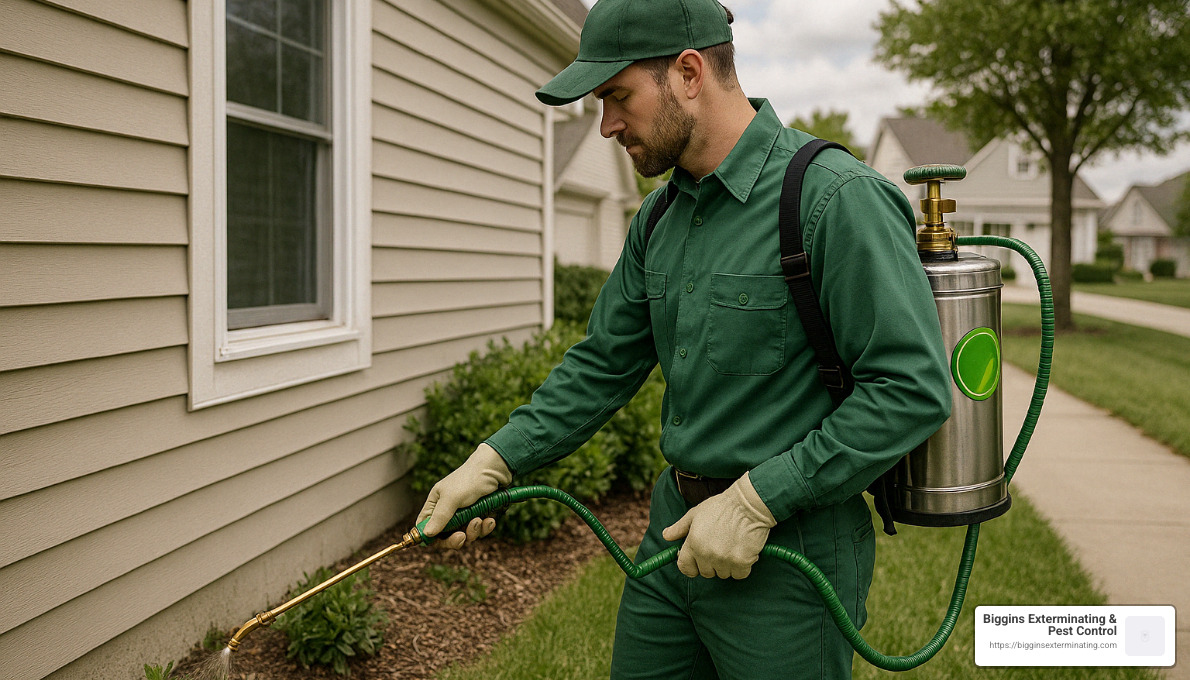
Certifications and Verifications of an Environmentally Safe Exterminator
When evaluating pest control companies, start by checking their certifications. These certifications act as proof that a company actually practices environmentally safe pest management.
Look for GreenPro certification, one of the highest standards set by the National Pest Management Association (NPMA). To show how exclusive this certification is, consider this: as of recent data, only 12 pest control companies in the entire state of Florida were GreenPro certified! Seeing this certification means you’re dealing with a company truly committed to eco-friendly methods.
Other certifications to look for include Organic Land Care Certification (particularly valuable if you have gardens or extensive landscaping) and recognition by the IPM Institute of North America, which highlights companies excelling in Integrated Pest Management (IPM).
Some local areas also offer their own Green Business Certifications that can indicate reliable companies in your region.
Beyond these formal certifications, reputable environmentally safe exterminators often invest in ongoing staff training on eco-friendly practices. Many also take part in professional organizations dedicated to sustainable pest management and partner with environmental organizations.
Evaluating an Environmentally Safe Exterminator’s Methods
Once you’ve checked certifications, it’s time to ask specific questions about the company’s pest control methods. A reliable exterminator will happily answer your questions and clearly explain their practices. Here are some essential questions to ask:
- What products do you use, and what are their active ingredients? Legitimate green companies clearly explain their products. Watch out for vague or unclear answers.
- Do you practice Integrated Pest Management (IPM)? How exactly do you implement IPM? Reliable companies use IPM techniques such as inspections, monitoring, habitat modifications, beneficial insects, and minimal chemical use.
- How do you minimize pesticide use while still being effective? Good companies carefully target treatments and limit chemical use whenever possible.
- What preventative measures do you recommend? A trustworthy provider will suggest ways to reduce pest problems long-term, not just spray chemicals repeatedly.
- How do you protect beneficial insects and wildlife during treatments? A truly eco-friendly exterminator carefully avoids harming helpful insects, like bees and butterflies, or other wildlife.
- What eco-friendly training do your technicians receive? Reliable companies invest in ongoing education so technicians stay up-to-date on the latest eco-friendly methods.
- Can you provide references from customers who have used your green services? Happy customers are a great sign you’re dealing with a trustworthy provider.
Be cautious if you notice red flags like vague answers, one-size-fits-all solutions, reluctance to discuss non-chemical options, or automatic scheduled spraying without inspections. A genuine eco-friendly service always tries to identify and fix the root causes of your pest problems first.
Why Choose Biggins Exterminating & Pest Control
At Biggins Exterminating & Pest Control, we’re proud of our long history providing environmentally safe pest management in Massachusetts. Our family-owned business has served communities like Andover, Bedford, Burlington, Lexington, Wilmington, Tewksbury, Woburn, Billerica, and North Reading for over 40 years.
We put Integrated Pest Management (IPM) at the heart of everything we do. Our technicians receive continuous training on the latest eco-friendly pest control techniques, ensuring they’re always using the safest and most effective methods available.
Instead of relying heavily on pesticides, we prioritize thorough inspections that identify the specific causes of pest problems. From there, we create customized treatment plans utilizing the least toxic products, such as botanical insecticides, essential oils, and microbial solutions.
We also take the time to educate you on preventative steps you can take to minimize future pest issues—reducing the need for treatments altogether. And unlike many providers, we never require long-term contracts. We’re confident you’ll stick with us simply because you’re happy with the results.
In fact, as we often say, “In many cases, we do not even need to come into the home with pesticides, green or otherwise, in order to keep the indoors bug-free.”
If you’re looking for a truly eco-conscious pest control partner in Massachusetts, we’re here to help. For more tips on selecting the right provider, check out our detailed guide on How to Choose the Right Pest Control Service for Your Needs in Massachusetts.
Common Pests Controlled by Environmentally Safe Methods
When homeowners ask if green pest control actually works, I love to share the impressive range of pests we can effectively manage with environmentally safe methods. After four decades in this business, I’ve seen how eco-friendly approaches have evolved to tackle even the toughest pest problems.
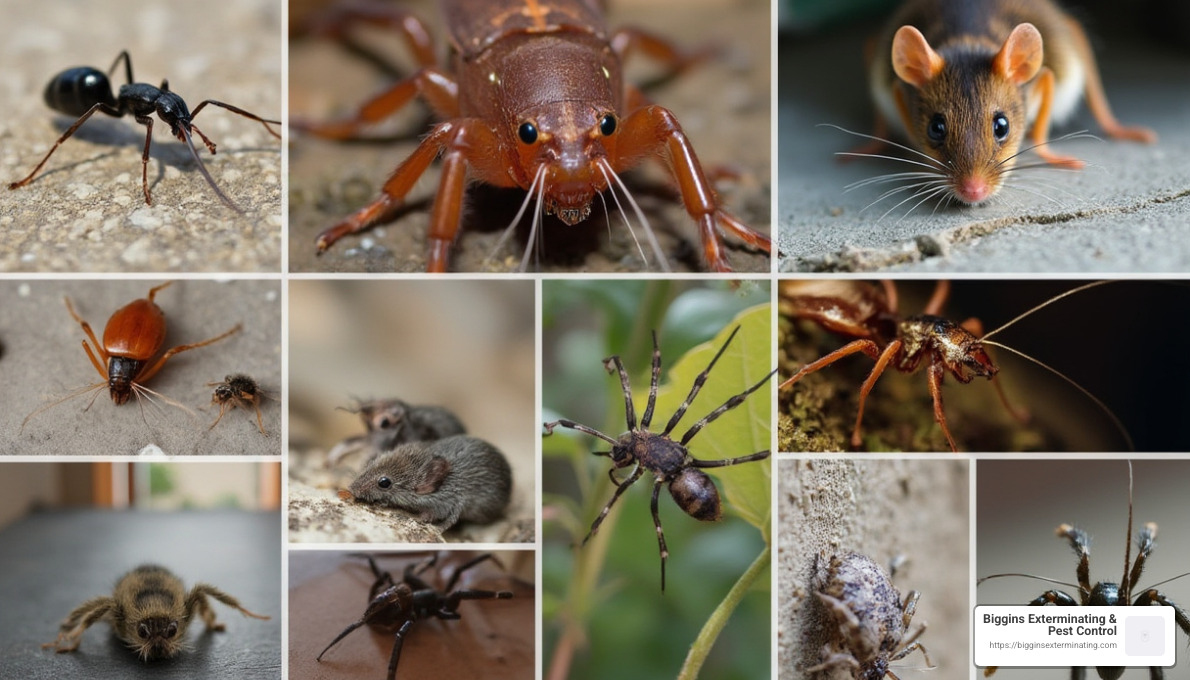
Effective Eco-Friendly Treatments
Ants march into homes through the tiniest openings, and different species require different approaches. An environmentally safe exterminator might use diatomaceous earth along entry points and travel paths—this natural powder damages the ants’ exoskeletons, causing them to dehydrate. Botanical-based sprays containing orange oil or d-limonene provide excellent contact killing power without the harsh chemicals.
For more persistent problems, we often place boric acid bait stations strategically outside ant trails. This natural compound is relatively safe around homes yet deadly effective for ants. I remember one customer in Lexington who was amazed when we eliminated her kitchen ant problem without a single drop of synthetic pesticide—just careful inspection, targeted treatment, and sealing the tiny crack they were using to enter.
Cockroaches might be resilient, but they’re no match for a well-planned eco-friendly approach. These pests require comprehensive management because they’re such survivors. Diatomaceous earth works wonders when applied to cracks, crevices, and those hidden spaces behind appliances where roaches love to hide.
Boric acid has been used as a natural insecticide since the 1940s and remains particularly effective for controlling roaches when properly applied. I’ve seen countless infestations resolved with these methods combined with strategic monitoring using non-toxic sticky traps. The key is persistence and thoroughness—something we pride ourselves on at Biggins Exterminating.
Spiders are actually beneficial in many ways—they control other insects naturally. But when they take up residence in your living room corners, most homeowners want them gone. Essential oil sprays containing peppermint, tea tree, or citrus oils are remarkably effective at deterring spiders without harming your family or pets.
Regular web removal combined with applying diatomaceous earth along baseboards and entry points creates an inhospitable environment for these eight-legged guests. One Burlington customer told me she was thrilled to see her basement spider population disappear after we implemented these simple, safe measures.
Rodents require special consideration in eco-friendly pest management. Rather than relying on toxic rodenticides that can harm wildlife and pets, we focus on exclusion techniques—carefully sealing entry points after thorough inspection. A mouse can squeeze through an opening the size of a dime, so this requires meticulous attention to detail!
We often complement these physical barriers with natural repellents using essential oils that mice find offensive. One North Reading homeowner was amazed when our thorough inspection and targeted gap sealing measures eliminated a persistent mouse problem that had resisted previous conventional treatments. As the industry data shows, this approach can reduce pest complaints by up to 65%.
Mosquitoes aren’t just annoying—they’re potential disease vectors. Eliminating standing water is always the first step, as it removes breeding sites. For ornamental ponds or water features, Bacillus thuringiensis israelensis (BTI) dunks provide targeted control of mosquito larvae without harming fish, frogs, or other wildlife.
Essential oil-based repellents create protective barriers around outdoor living spaces. A Wilmington family I worked with was delighted to enjoy their backyard again after we implemented a comprehensive mosquito management program that didn’t involve a single drop of conventional pesticide.
Termites might seem like they’d require the heaviest chemical arsenal, but even these destructive pests can be managed with environmentally conscious methods. Nematode applications in soil target subterranean termites by introducing their natural predators. For drywood termites, orange oil treatments can be remarkably effective, penetrating the wood and killing termites on contact.
Borate-based wood treatments provide long-lasting protection without the environmental concerns of traditional termiticides. I recently worked with a homeowner in Bedford who was relieved to learn we could address her termite issue without tenting the entire house or using harsh chemicals around her organic garden.
At Biggins Exterminating & Pest Control, we’ve successfully resolved all these common pest issues throughout our Massachusetts service areas using environmentally safe methods. Our four decades of experience have proven that with the right approach, eco-friendly pest control can effectively manage even the most challenging infestations—protecting both your home and the environment you care about.
Comparing Costs: Eco-Friendly vs Traditional Pest Control Services
One question I hear frequently from Massachusetts homeowners is whether eco-friendly pest control will break the bank. It’s a fair concern – after all, “green” products in many industries often come with premium price tags. Let’s take an honest look at how the costs compare and what value you’re really getting when you choose an environmentally safe exterminator.
Cost Considerations
When comparing traditional and eco-friendly pest control services, there’s actually less difference than many people expect. Based on my research of industry averages (which don’t reflect our specific pricing at Biggins Exterminating), here’s what the market typically looks like:
Traditional pest control for a one-time visit generally runs between $100 and $300, while annual service plans might cost anywhere from $300 to $900. By comparison, eco-friendly alternatives typically range from $120 to $350 for one-time treatments and $350 to $1,050 for annual programs.
What drives these costs? Several factors come into play regardless of which approach you choose. The severity of your infestation makes a huge difference – catching a problem early almost always means a simpler, less expensive solution. Your home’s size matters too, as larger properties naturally require more time and materials. And of course, some pests (like termites or bed bugs) simply require more intensive treatment than others, regardless of the methods used.
I should emphasize that these figures represent industry-wide averages based on internet research, not actual pricing at Biggins Exterminating & Pest Control. For our current rates, I’d be happy to provide a personalized quote for your specific situation.
While eco-friendly options might sometimes cost slightly more upfront, many industry experts have noted that the gap has narrowed significantly in recent years. As one specialist put it: “Eco-friendly pest control is offered at competitive pricing, making it an affordable option without compromising on effectiveness.” The green pest control industry has matured, bringing more affordable options to Massachusetts families.
Value Considerations Beyond Price
When weighing the true cost of pest control services, the number on the invoice tells only part of the story. There’s substantial hidden value in choosing an environmentally safe exterminator that’s worth considering:
Better long-term results often come with eco-friendly approaches. Rather than just killing the pests you can see today, comprehensive IPM methods address the root causes of infestations. As one expert I interviewed explained, “Natural pest control methods make it more difficult for insects to develop resistance compared to chemical pesticides, resulting in better long-term results.” This can mean fewer treatments needed over time – saving you money in the long run.
Health benefits represent another significant value. Traditional pesticides can trigger respiratory issues, skin reactions, headaches, and other health concerns, especially for children, elderly family members, or those with existing conditions. Avoiding these potential health impacts – and their associated medical costs – provides value that doesn’t show up on your pest control invoice.
Environmental protection matters to many of our Massachusetts customers. When you choose eco-friendly methods, you’re helping preserve beneficial insects like bees and butterflies, protecting local waterways from chemical runoff, and reducing air pollutants. For families who value environmental stewardship, this aspect alone can justify any modest price difference.
Property protection is another consideration. Some conventional pesticides can damage plants, leave persistent odors, or even stain surfaces in your home. Green methods typically minimize these risks, potentially saving you replacement or cleaning costs down the road.
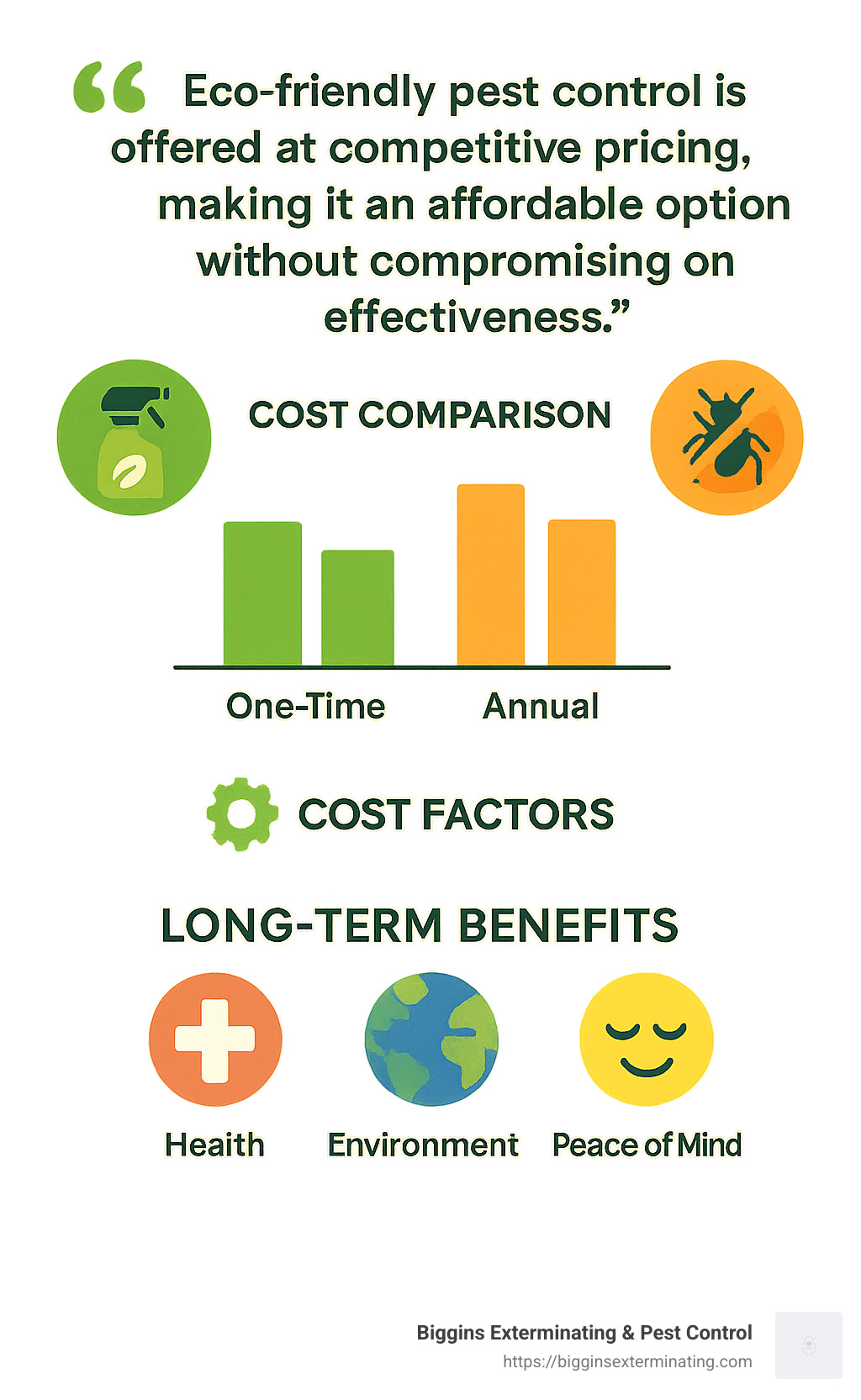
Perhaps most importantly, many of our customers tell me the peace of mind they gain is priceless. Knowing your children can play freely on the floor without exposure to harsh chemicals, or that your pets won’t be at risk from residues, creates a comfort level that transcends dollars and cents.
At Biggins Exterminating, we’ve spent over 40 years serving Massachusetts families with effective, environmentally responsible pest solutions at fair prices. We believe protecting your home from pests shouldn’t require compromising your environmental values or emptying your wallet. From Andover to Woburn and every community in between, we’re committed to providing excellent value that considers both your immediate pest concerns and the bigger picture of your family’s wellbeing.
DIY Eco-Friendly Pest Control Methods to Complement Professional Services
Professional pest control services provide powerful, long-lasting solutions—but you don’t always need to wait for your eco-friendly exterminator to arrive to start making a difference. With a bit of creativity (and a glance through your kitchen pantry or garden shed), you can implement easy, eco-friendly DIY pest control methods to keep pests at bay between visits. Let’s explore some simple, safe, and effective home remedies that pair perfectly with professional treatments.
Simple Home Remedies
Believe it or not, your kitchen cupboards are hiding some powerful tools for pest control. Take vinegar, for example—just mix equal parts white vinegar and water, then add a few drops of peppermint, tea tree, or lemon essential oil, and voilà! You’ve got a natural spray that’s effective at deterring ants, spiders, and even cockroaches. Plus, it doubles as a non-toxic cleaner that leaves your surfaces sparkling (and smelling amazing).
Speaking of pleasant-smelling repellents, citrus fruits are your friends. Boil some citrus peels from lemons, oranges, or grapefruits, let the liquid cool, and spritz it around windows, doors, and entry points. Citrus contains d-limonene, a natural ingredient that many insects absolutely hate (so you can absolutely love).
If crawling insects like ants and beetles are bugging you, grab some spices from the pantry. Cinnamon, cayenne pepper, and even coffee grounds sprinkled near entry points or around your garden can form an effective deterrent. It turns out pests aren’t fans of spicy foods—who knew?
When it comes to small flying pests like fruit flies and gnats, a simple homemade trap can work wonders. Just pour some apple cider vinegar into a small bowl, add a drop of dish soap, and set it on your kitchen counter. Fruit flies can’t resist the smell, and you’ll soon find them trapped and out of your hair.
Outside in the garden, companion planting is an easy, natural way to discourage pests. Plants like marigolds, basil, mint, rosemary, and lavender don’t just look lovely and smell fantastic—they also repel common garden pests. For a more direct approach, blend garlic cloves with water and spray the mixture onto plants troubled by aphids or other pests.
You can also turn to natural, mineral-based pest deterrents. Diatomaceous earth, which contains tiny, fossilized aquatic organisms, effectively controls crawling insects by damaging their exoskeletons. Just sprinkle food-grade diatomaceous earth around your plants or along baseboards indoors. (A quick tip: apply it early in the morning when foliage and soil are moist for best results.)
Finally, neem oil—derived from the neem tree—can help manage garden pests while being gentle to beneficial insects. Dilute according to package instructions and apply to affected plants as directed.
When to Call a Professional
DIY eco-friendly methods can work wonders for minor pest problems and everyday prevention. However, sometimes pests decide they’re not going down without a fight—and that’s when you need backup from your trusted environmentally safe exterminator. But how do you know when it’s time to call in the big guns (or, in this case, the trained professionals with sustainable solutions)?
Here are some clear signs that DIY approaches won’t cut it:
- Persistent infestations: If bugs or rodents keep coming back despite your best homemade efforts, it’s time to get professional help.
- Wood-destroying pests: Termites or carpenter ants aren’t just annoying—they can damage your home significantly. Early action is critical to prevent costly repairs.
- Rodents that won’t budge: DIY rodent traps can sometimes fall short, especially if mice or rats have firmly established themselves in your home.
- Large stinging insect nests: Wasps or hornets nesting in tricky-to-reach areas pose a serious safety risk. Call a professional rather than risking painful stings.
- Bed bug infestations: These sneaky pests multiply quickly and require expert attention.
- Health-threatening pests: Ticks, mosquitoes, and other disease-carrying insects should be handled by professionals to protect your family’s health.
- Recurring seasonal problems: If pests return year after year, a professional assessment can uncover and eliminate the root cause.
- Unknown pests: If you can’t confidently identify what’s bugging you, let a professional pinpoint the pest and provide the proper treatment.
A balanced approach often works best. Supplement your professional treatments from Biggins Exterminating & Pest Control with DIY eco-friendly measures to maintain a pest-free, healthy home. Professional exterminators aren’t just there to solve current problems—they’re also a valuable resource to help you stay ahead of future issues. At Biggins Exterminating & Pest Control, we’ve spent over 40 years helping Massachusetts homeowners enjoy pest-free homes through sustainable strategies, and we love partnering with our customers to keep pests out naturally.
Frequently Asked Questions about Environmentally Safe Exterminators
At Biggins Exterminating & Pest Control, we’ve spent over 40 years helping Massachusetts homeowners maintain pest-free homes using eco-friendly methods. Over the years, we’ve noticed our customers tend to have similar questions about choosing an environmentally safe exterminator. Let’s explore the most common ones we hear and clarify some things for you!
Are Eco-Friendly Pest Control Methods Really Effective?
Absolutely—they’re more effective than most people think! Studies from trusted organizations like the EPA have shown that Integrated Pest Management (IPM) can reduce pesticide use by as much as 90%, while still doing an excellent job controlling pests.
Here’s the thing: many pests can build resistance to commonly used chemical pesticides, making them less effective over time. But natural and organic pest control methods work differently, targeting pests in ways that make resistance much harder for them. This leads to better, longer-lasting results.
In fact, we’ve seen these methods successfully used everywhere—from family homes and restaurants to schools and hospitals. At Biggins Exterminating, we carefully choose treatments and strategies based on each unique situation. By combining natural products, preventative strategies, and targeted treatments, our customers consistently enjoy pest-free environments.
Is Eco-Friendly Pest Control Safe for Children and Pets?
Yes! One of the main reasons homeowners seek out an environmentally safe exterminator is the peace of mind it provides for family and pet safety. Eco-friendly pest management is specifically designed to minimize risks to kids, pets, and anyone sensitive to chemicals or allergens.
Most green products use natural ingredients derived from plants or minerals. These substances target insects specifically, often disrupting their biology in ways humans and pets simply aren’t affected by. Plus, their formulations are typically biodegradable, leaving little to no residue behind.
Many eco-friendly treatments don’t even require a waiting period before you’re able to safely re-enter your home. Fewer chemicals floating around means fewer worries—letting you breathe easier and enjoy your home without stress.
How Do I Know If an Exterminator Uses Environmentally Safe Methods?
It’s true—some companies might use “green” or “eco-friendly” as buzzwords without following through. To help ensure you’re choosing a genuine environmentally safe exterminator, it’s always a good idea to ask the right questions.
First, look for certifications such as GreenPro, which indicates strict adherence to eco-friendly practices. You’ll also want to inquire about their pest management approach—do they actively practice Integrated Pest Management (IPM)? They should. IPM focuses on understanding and addressing the root causes of pest issues, not just spraying chemicals everywhere.
A trustworthy exterminator will be happy to answer questions like:
- “What kinds of natural or low-toxicity products do you use?”
- “How do you apply those products in a targeted way?”
- “Do you offer recommendations for preventing pests from returning?”
- “Do you have any specialized eco-friendly certifications or training?”
If they’re transparent about their methods, eager to share information, and focused on prevention and customized solutions, you’re likely dealing with a genuinely eco-friendly pest control company.
At Biggins Exterminating & Pest Control, we proudly follow detailed eco-friendly practices—including thorough inspections, customized pest control plans, preventative guidance, and careful product selection. We love sharing our knowledge and experience to help our customers make informed, safe choices.
Still have questions? Don’t worry—we’ve got your back. Reach out anytime, and we’ll happily discuss our eco-friendly approach or clarify anything else that’s on your mind.
Conclusion
Choosing an environmentally safe exterminator is more than just a practical decision—it’s a commitment to your family’s well-being and to the health of our planet. Throughout this guide, we’ve explored the many benefits of eco-friendly pest control, making it clear why this approach has become increasingly popular among Massachusetts homeowners.
By opting for green pest control, you’re prioritizing healthier living spaces for your loved ones, including kids and pets. Eco-friendly methods significantly reduce exposure to harmful chemicals, keeping everyone safer and more comfortable in your home. You’re also helping to protect the environment, preserving pollinators like bees and butterflies, and sustaining healthy soil, air, and water in your community.
But beyond these important benefits, environmentally friendly pest management addresses pest problems at the root—making it a truly effective, long-term solution. Unlike traditional pesticides, which pests can quickly become resistant to, green methods tend to have more lasting results. By using natural products, biological controls, and targeted treatments, you reduce the risk of pests coming back again and again.
At Biggins Exterminating & Pest Control, we’ve proudly acceptd this smarter, greener approach for over 40 years. As a family-owned business serving Andover, Bedford, Billerica, Burlington, Lexington, North Reading, Tewksbury, Wilmington, and Woburn, we’ve seen that environmentally safe methods work—and work well. Our customers appreciate that we don’t require long-term contracts, and they trust our warranties and commitment to their satisfaction.
As one industry expert cleverly put it: “The old-school bug exterminator mentality has to be replaced by a school of thought emphasizing prevention, safety, environmental responsibility, and efficacy.” That sums up our philosophy perfectly. We’ve built our approach around inspecting thoroughly, identifying pest problems correctly, and customizing safe, effective solutions for each unique situation.
Ready to join the growing number of homeowners who’ve made the smart choice to go green? Biggins Exterminating & Pest Control is here to help. Feel free to reach out for more information or to schedule a consultation. We’d love to show you how a professional, environmentally safe exterminator can help you manage pests responsibly and effectively.
For more helpful tips on choosing the right service, check out our guides on How to Choose the Right Pest Control Service for Your Needs in Massachusetts and Eco-Friendly Pest Control Near Me.
Together, let’s keep your home safe, comfortable, and pest-free—the environmentally friendly way!